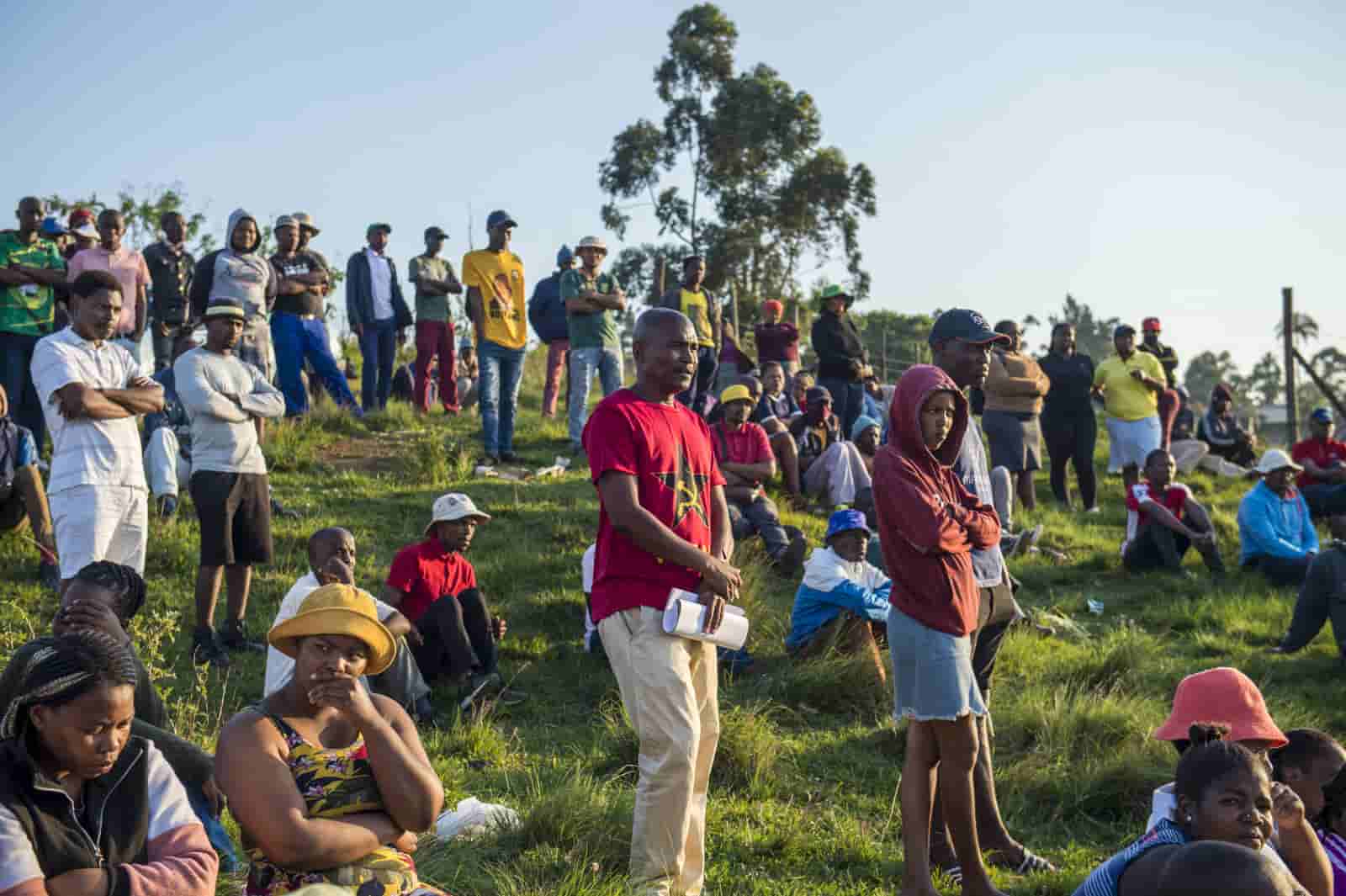
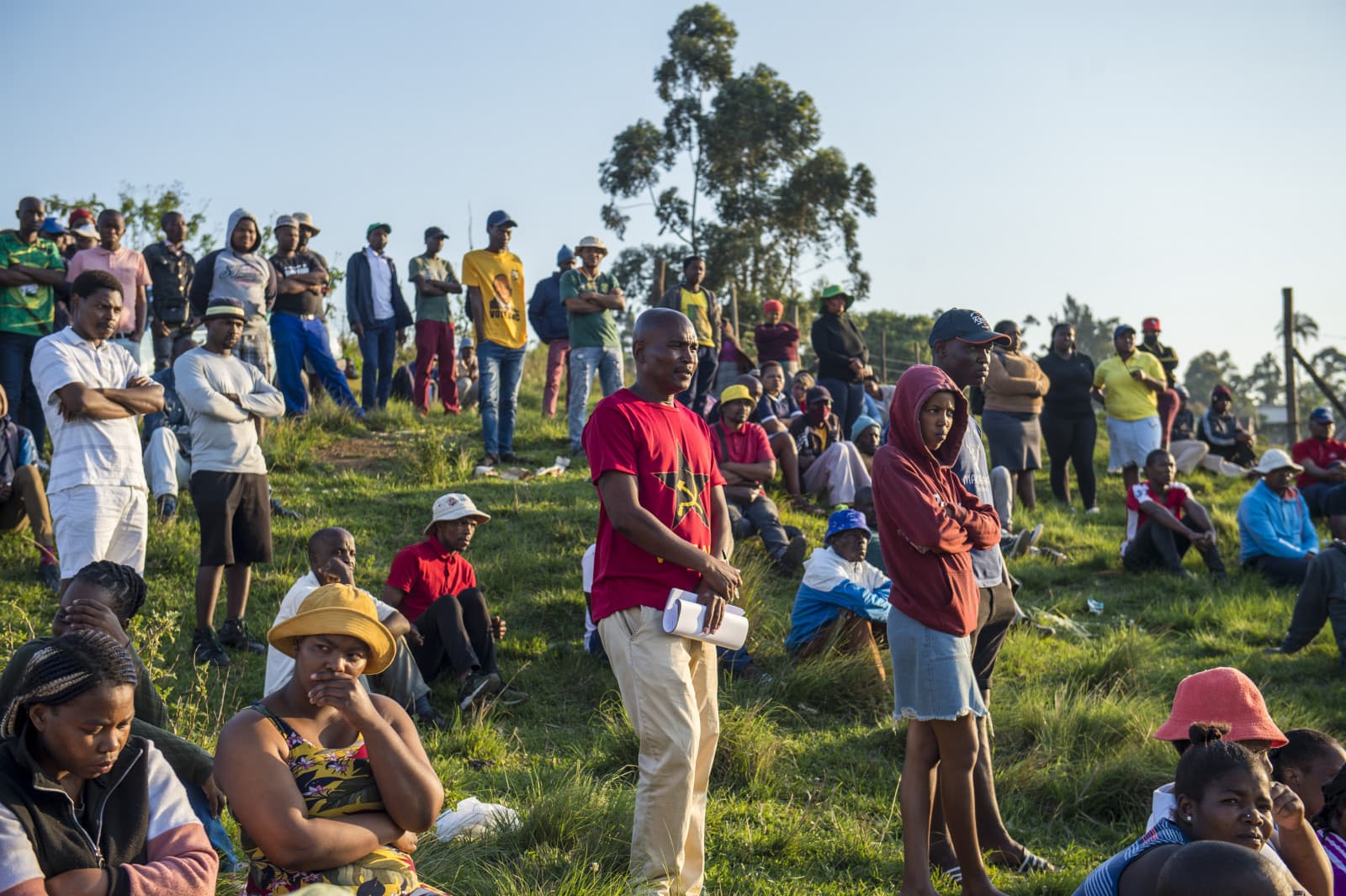
Following the coordinated attacks that began in Mali on April 25, the situation remains uncertain. Although the government announced that it regained control in some areas, it is reported that important settlements such as Mopti and Kidal are partially or completely in the hands of insurgents. Among these areas, Kidal is controlled by the separatist Front de libération de l'Azawad (FLA), while Mopti was briefly captured by Jama’at Nusrat al-Islam wal-Muslimin (JNIM) but the insurgents withdrew from there.
The attacks clearly reveal the cooperation between FLA and JNIM, indicating a new phase in the conflict. While FLA calls for cooperation with other actors as a political strategy, JNIM is trying to change the balance of power in the region by showing an unexpected approach towards Russian forces. It is stated that JNIM leader Iyad ag Ghali aims both to gain political legitimacy and to gain superiority over his rivals within the Islamic State.
Security measures have been increased in the capital Bamako, and it has been confirmed that Defense Minister Sadio Camara lost his life in the attack. Although the Malian government declared that the situation is under control after the attacks, exact information about the number of injured and the scope of the attacks is limited. Regional and international actors, especially the African Union and the European Union, condemned the attacks and sent messages of support to the people of Mali. However, no official statement has yet been made from the capitals of the Sahel States Alliance.
These developments in Mali may have significant consequences for regional stability and international security. How the political and military balances will be shaped after the attacks will become clear in the coming days.