The possibility of Pepsi products returning to sale in Tunisia is being debated alongside a boycott call from activist and doctor Meryem Miftah. Miftah argued that consumers could exert economic pressure on companies linked to Israel and that this could be one way to support Palestinians.
Joint venture plan for Pepsi
A joint venture established between India-based Varun Beverages and a Tunisian company aims to develop the production of carbonated drinks, fruit juice, water and dairy products. The venture could enable Pepsi products to return to the Tunisian market after about 27 years.
Pepsi halted its local production in Tunisia in 1999. Miftah said the India-based company has a commercial franchise relationship with Pepsi, but noted that it remains unclear whether the joint venture will produce the Pepsi brand.
Miftah said they opposed Pepsi’s return and called on consumers to boycott its products. The activist described the boycott as a means of economic pressure that citizens could apply through their own choices without waiting for state intervention.
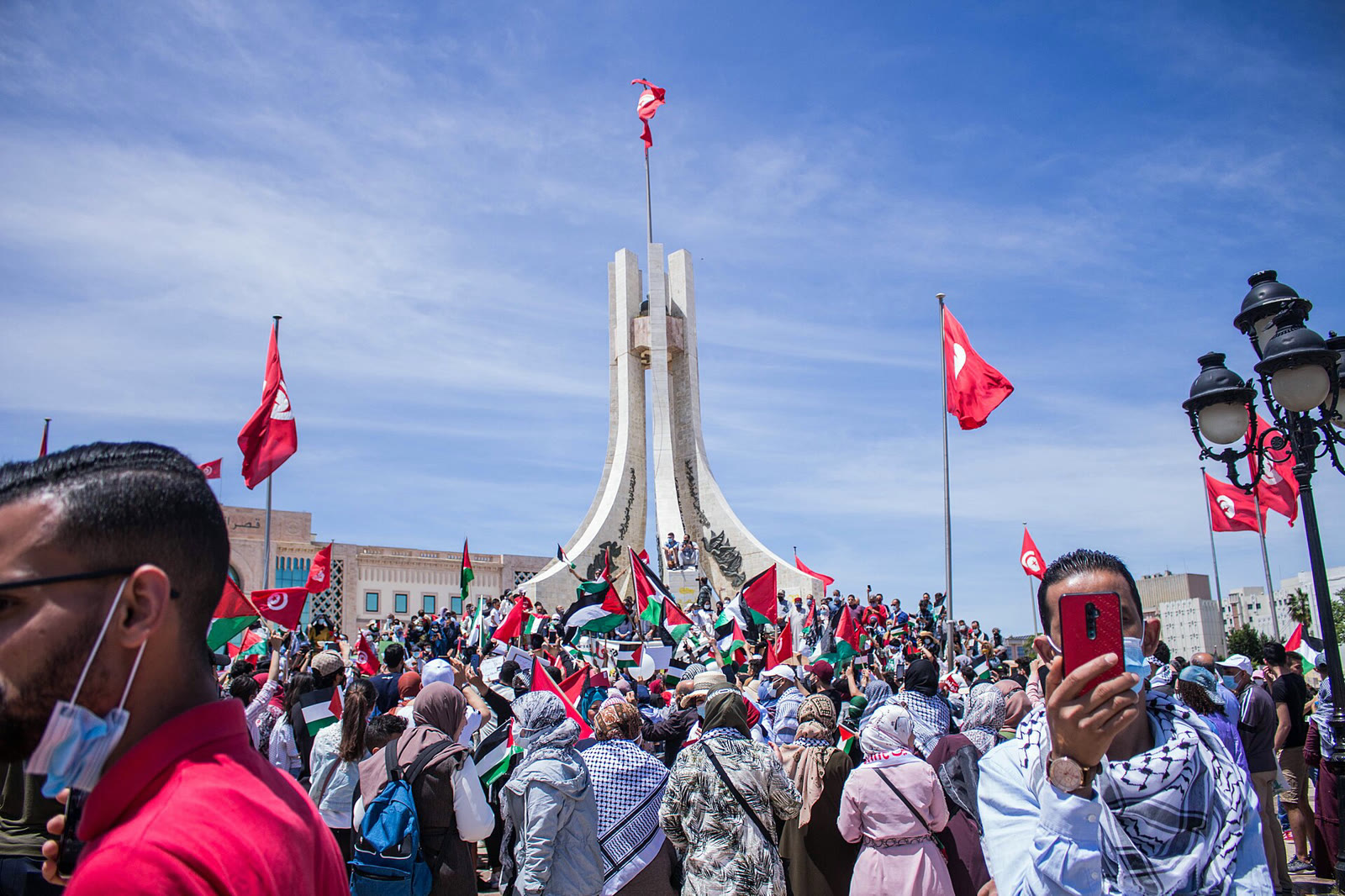
Call for legislation against normalization
Miftah said a law criminalizing normalization with Israel could strengthen boycott campaigns. She argued that such legislation could define the limits of corporate partnerships and replace some boycott calls with legal sanctions.
Miftah said implementing the law could present difficulties and that broad public support and awareness would be needed to put it into effect. She called for pressure to be applied gradually, for options such as sanctions or tax increases to be considered, and for workers not to lose their jobs all at once.
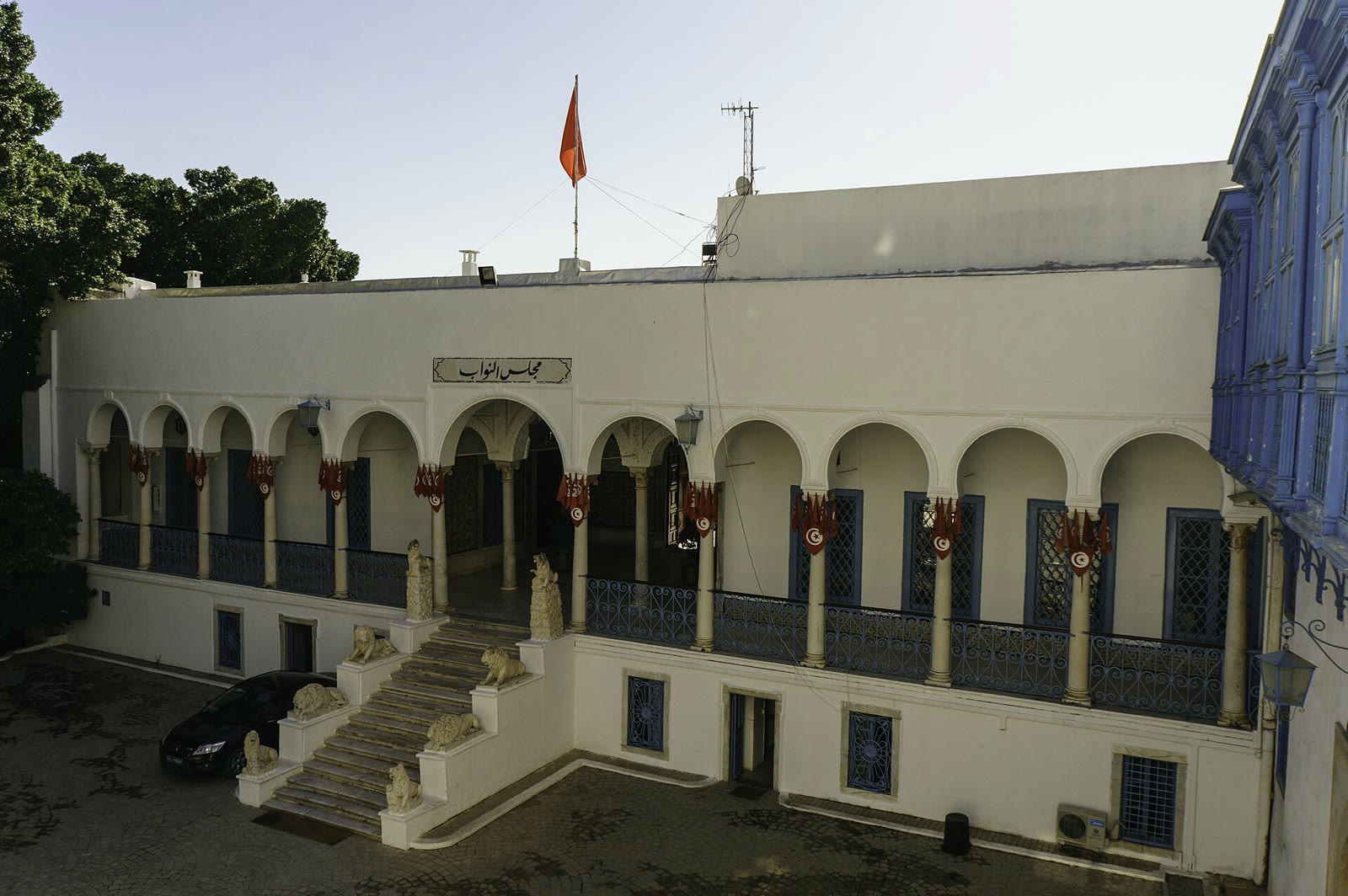
The Tunisian Parliament had not completed discussions on a bill criminalizing normalization with Israel by November 2023. Parliament Speaker Ibrahim Bouderbala said the presidency had informed him that the bill could harm Tunisia’s foreign relations.
Boycott calls intensified after October 7, 2023
Miftah said calls to boycott companies linked to Israel intensified in Tunisia after October 7, 2023. The activist said solidarity with Palestinians had turned into social action during this period and that the campaigns aimed to exert pressure in the economic, political and academic spheres.
Miftah argued that a boycott could create more space for local production and said consumers could use it to support Palestine. She added that local companies offering alternative products would make it easier for consumers to change their choices.
Public opinion surveyed in Kairouan
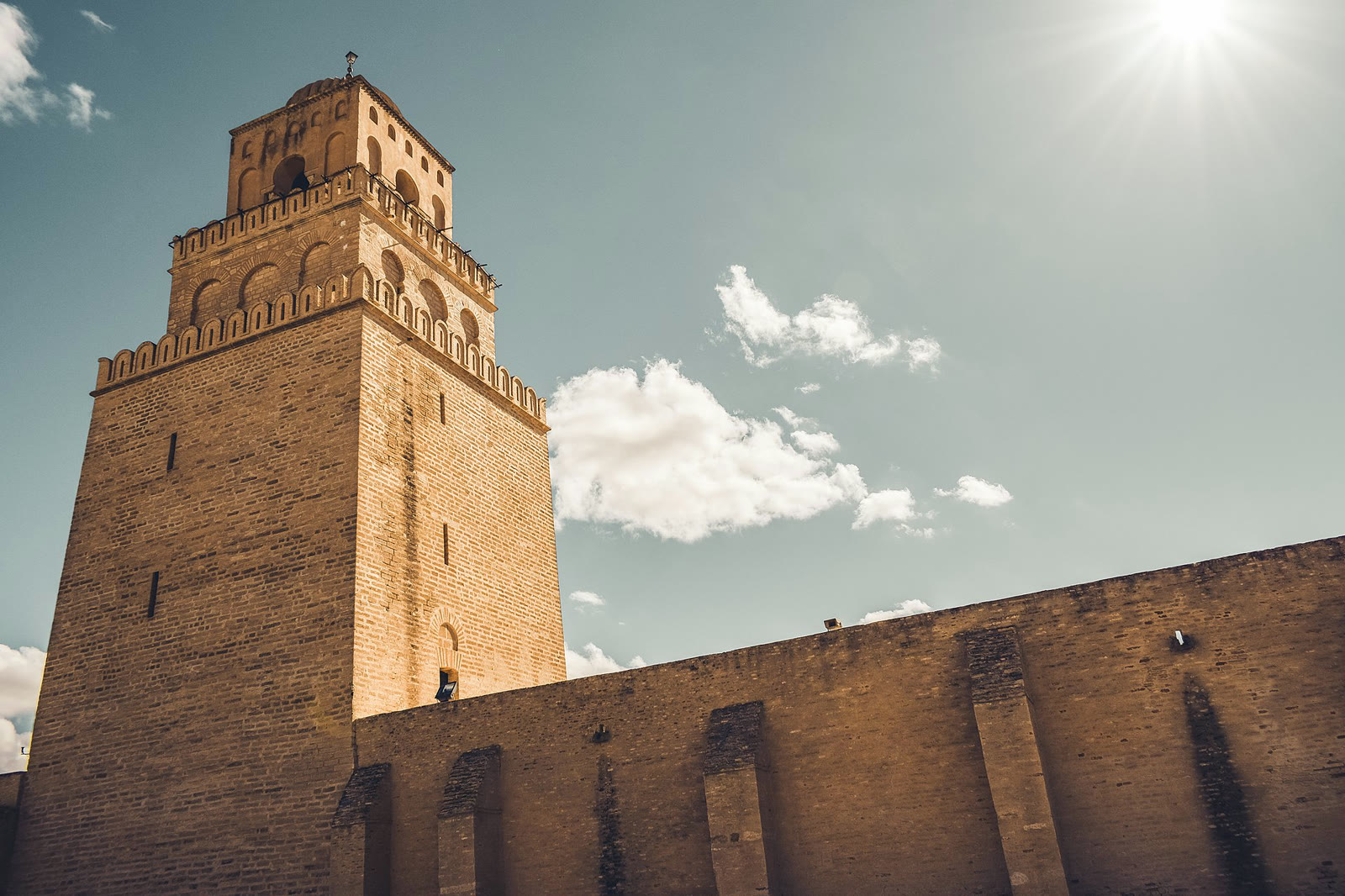
Miftah said boycott groups had acted independently for a long time, while working together on some actions. She said activists had carried out street outreach in the city of Kairouan, with support from an association and student unions, to gauge public attitudes toward the boycott.
Miftah said citizens were asked during the outreach whether the boycott was effective and whether they would join the campaigns if they had the opportunity, adding that the activists received a high level of support. The activists are also examining the ownership structures of local companies and their relationships with foreign companies in an effort to expand boycott calls.