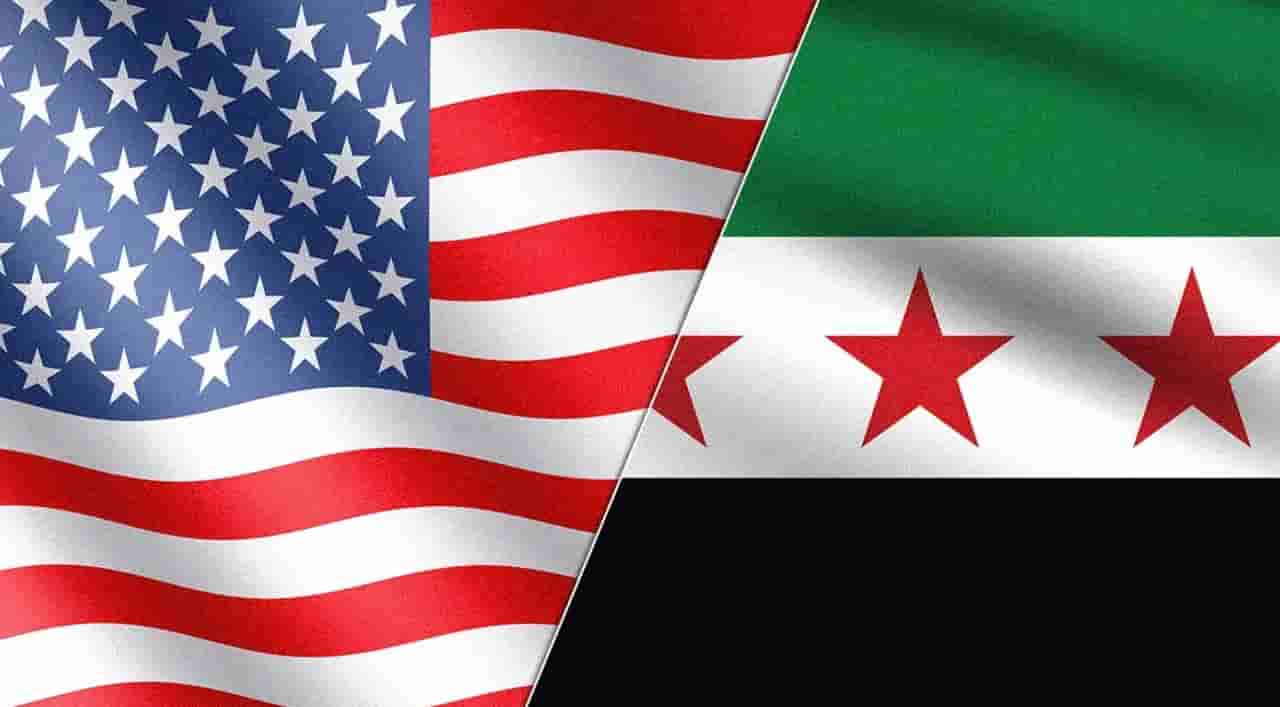
The United States has officially announced the removal of Syria from the State Sponsors of Terrorism list, ending a designation that lasted nearly 47 years and remained one of the most prominent sources of tension in relations between Washington and Damascus for decades.
The decision took effect on August 24, 2026, after the required legal procedures in the United States were completed and the congressional notification period expired.
This step brings to an end a period that began on December 29, 1979, when Washington placed Syria on the State Sponsors of Terrorism list. The designation remained in place throughout the rule of Hafez al-Assad and his son Bashar al-Assad.
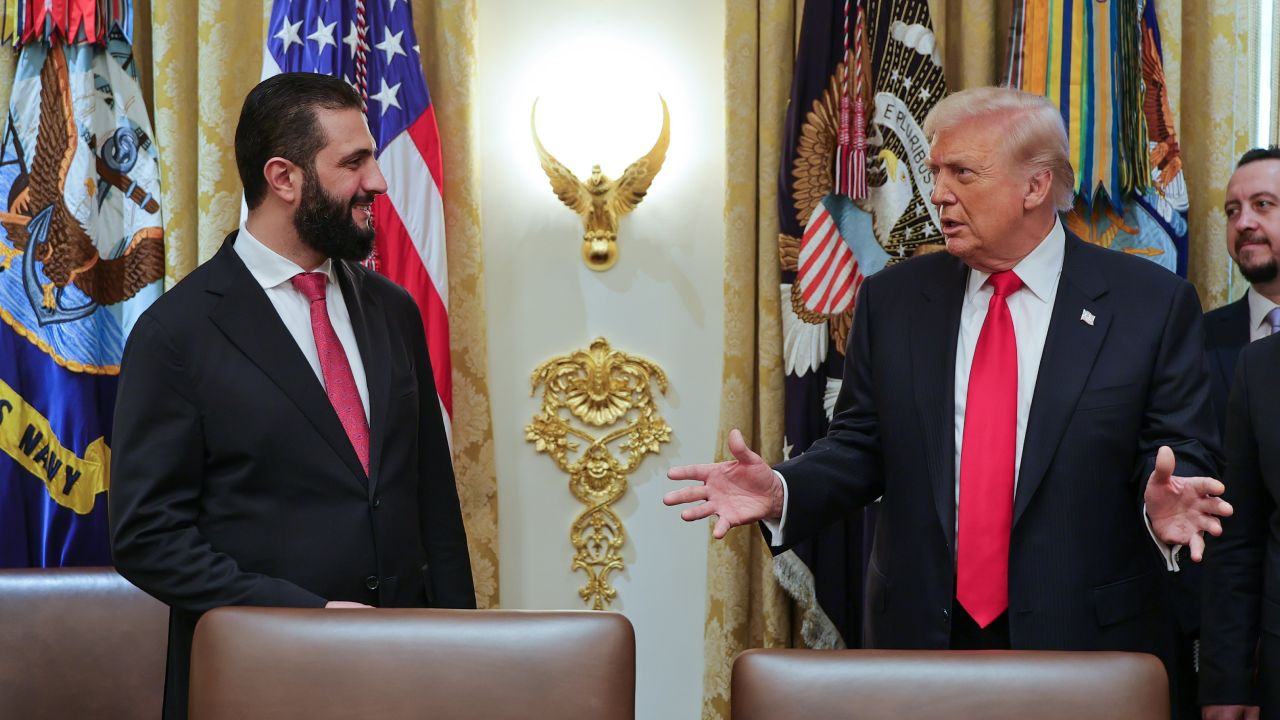
The decision is among the most significant steps the United States has taken so far toward Syria’s new government led by President Ahmed al-Sharaa, following the fall of Bashar al-Assad’s regime in December 2024.
Syria had been on the list since 1979
Syria was one of the longest-standing countries on the US State Sponsors of Terrorism list.
For decades, successive US administrations accused the Syrian government of supporting armed groups that Washington designates as terrorist organizations.
The designation continued during Hafez al-Assad’s rule and remained in force after Bashar al-Assad came to power in 2000.
Among the main issues cited by Washington during that period were Damascus’s ties with Hezbollah and several Palestinian armed factions that the United States designates as terrorist organizations.
Tensions between the two countries escalated sharply after the Syrian war broke out in 2011, while the United States suspended embassy operations in Damascus in 2012 as the conflict intensified.
What does the State Sponsors of Terrorism designation mean?
The US designation is not merely a political position; it carries a number of important legal and economic restrictions.
Countries on the list may face restrictions on US foreign assistance, bans on arms exports and sales, restrictions on the export of dual-use goods, and other financial and economic measures.
A country’s inclusion on the list also usually prompts banks, companies and international investors to exercise extreme caution when dealing with it because of the legal and financial risks.
For this reason, removing Syria from the list could eliminate one of the major obstacles to its gradual return to the international financial and trading system.
However, the decision does not automatically cancel all US sanctions imposed on Syria, as other restrictions and measures are linked to separate sanctions laws and programs and require independent decisions to be amended or lifted.
Assad’s fall changed the equation
US policy toward Syria underwent a major shift following the fall of Bashar al-Assad’s regime in December 2024.
After years of political confrontation, sanctions and international isolation, a new authority led by Ahmed al-Sharaa emerged in Damascus.
Syria’s new leadership made restoring relations with the international community, reviving the economy and rebuilding the country among its main priorities.
Syria faces enormous economic challenges after years of war damaged its infrastructure and its energy, industrial, housing and essential-services sectors.
To attract foreign investment and reconnect the country to the global banking system, Damascus sought to persuade the United States and European countries to ease or lift the sanctions and restrictions imposed on it.
Trump administration moves toward normalizing ties with Damascus
During 2025 and 2026, the administration of US President Donald Trump took a series of steps to change Washington’s policy toward Syria’s new government and ease the economic pressure imposed on the country.
The process reached a decisive stage in the summer of 2026, when the US administration notified Congress of its intention to remove Syria’s designation as a state sponsor of terrorism.
After the required review and notification period was completed, the decision was ready to take effect.
This marks the end of one of the longest designations in the history of the US State Sponsors of Terrorism list.
Major significance for the Syrian economy
The decision’s most significant effects may emerge in the economic sphere.
Syria needs massive investment to rebuild cities, homes, roads, energy networks and industrial facilities damaged during the years of war.
But US sanctions and Syria’s designation as a state sponsor of terrorism had long been major obstacles for international banks and large companies seeking to engage with the Syrian market.
The new decision removes one of those major obstacles.
Syria’s new government is seeking to reconnect the country to the global banking system, facilitate trade and financial transfers, and attract the investment needed for reconstruction.
Moves to return Syria to the global financial system
In recent months, signs have emerged of interest from international financial institutions in the Syrian market as US restrictions have eased.
Damascus is seeking to reconnect Syrian banks to international financial networks and develop the infrastructure for payments and transfers.
These steps are especially important for Syrians abroad, as well as for companies considering participation in reconstruction and investment projects inside the country.
Removing the US designation could reduce some of the legal risks that had prevented international financial institutions from dealing with Syria.
The issue of Hay’at Tahrir al-Sham and Ahmed al-Sharaa
The issue of Hay’at Tahrir al-Sham remains one of the most sensitive aspects of the new relationship between Washington and Damascus, particularly because of Syrian President Ahmed al-Sharaa’s political and military background.
Al-Sharaa led Hay’at Tahrir al-Sham before the fall of Assad’s regime.
The group’s roots lie in organizations previously linked to the al-Nusra Front and al-Qaeda, before al-Sharaa announced a break with al-Qaeda and later moved to reshape the group’s political and organizational discourse.
With the fall of Assad’s regime, al-Sharaa moved from leading the main armed opposition forces to the center of Syria’s new political system.
For this reason, Washington’s handling of designations and sanctions linked to Hay’at Tahrir al-Sham has become a central part of the process of reshaping US-Syrian relations.
Only three countries remain on the list
After Syria’s removal, three countries remain on the US State Sponsors of Terrorism list:
Syria was one of the longest-standing countries on the list, making its removal a notable shift in the history of US policy toward the Middle East.
The end of a period lasting nearly half a century
The decision goes beyond sanctions and economic restrictions, carrying broad political and geopolitical implications.
Relations between Washington and Damascus passed through decades of tension, beginning under Hafez al-Assad, continuing through Syria’s relationship with Iran, Damascus’s role in Lebanon and its support for Hezbollah, and culminating in the Syrian war and the broad sanctions imposed on Bashar al-Assad’s regime.
But the fall of the previous regime radically changed the political landscape.
The United States is now seeking to build a different relationship with Syria’s new leadership while supporting stability and the reconstruction of the Syrian economy.
Therefore, removing Syria from the State Sponsors of Terrorism list is not merely a technical adjustment to the sanctions system; it closes a chapter in US policy toward Damascus that began in 1979.
Security challenges remain
Despite this historic shift, the decision does not mean that security risks inside Syria have ended.
The country still faces challenges linked to armed groups, terrorism, internal tensions and the risk of clashes breaking out in some areas.
The US shift primarily reflects a change in Washington’s position toward the Syrian state and its new leadership after the end of Bashar al-Assad’s rule; it is not a declaration that all security and political issues have been resolved.
Nevertheless, the decision of August 24, 2026, represents a major political and economic gain for Damascus.
Nearly 47 years after Syria was placed on the US list, one of the biggest obstacles to the new government’s efforts to restore international relations, attract investment, reconnect the Syrian economy to the global financial system and begin a new phase after decades of isolation and years of war has been removed.