U.S. 6th Fleet Commander Adm. Jeffrey Anderson’s visit to Tunisia on September 16-17, 2026, highlighted the Mediterranean security and regional coordination dimensions of military ties between Washington and Tunisia. The visit took place during the Phoenix Express 2026 exercise, held under the auspices of U.S. Africa Command and under the command of the 6th Fleet.
Navies from 13 countries joined the exercise
Tunisia hosted the 21st edition of the Phoenix Express exercise in September. The participating naval forces from 13 countries in Africa, Europe and the United States addressed maritime security, data exchange, search and rescue, and the interception of vessels.
Tunisian media expert Jemal al-Arfawi described Anderson’s visit as part of a broader military cooperation framework shaped by the Phoenix Express and African Lion exercises. Al-Arfawi said the maritime partnership between the two countries was not limited to a single visit.
Security cooperation extends to Mediterranean and border issues
Al-Arfawi said the U.S. security approach in the region goes beyond the traditional focus on counterterrorism and centers on Mediterranean security, intelligence coordination and the management of maritime areas. Border security, international organized crime, smuggling and drug networks, migration issues, and the security of maritime transport are also among the prominent areas covered by this approach.
Tunisia’s location between Algeria and Libya and on the southern shore of the Mediterranean increases the country’s importance in regional maritime security arrangements, Al-Arfawi said. However, he noted that there was no official indication that the United States had replaced its former bases with Tunisia after withdrawing from Niger in 2024 or was using the country to monitor the interior of the Sahara.
New phase for training center in Bizerte
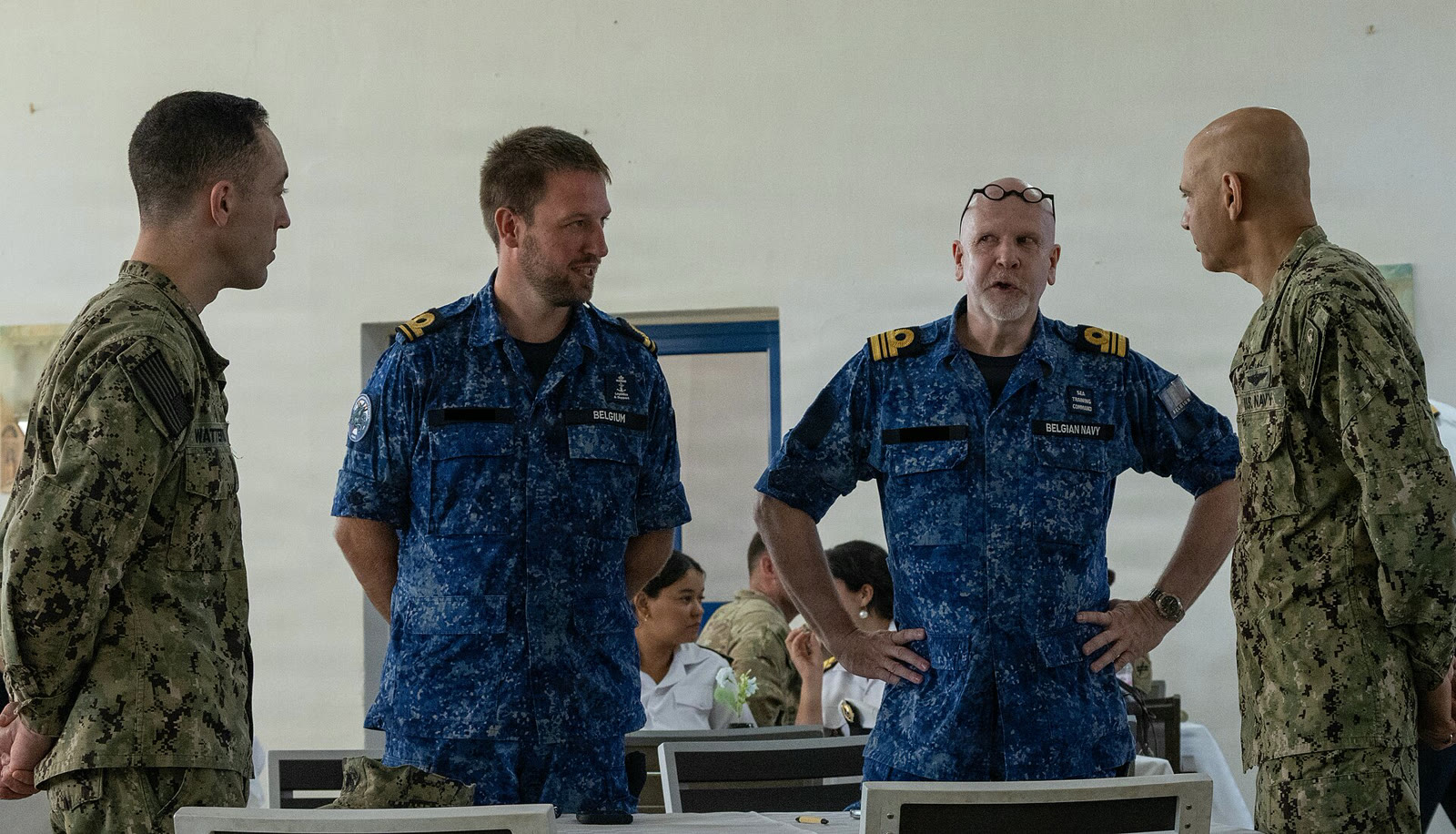
The third U.S. contract, worth approximately $1 million, for the Maritime Center of Excellence in Bizerte was announced on September 22. Al-Arfawi explained that the center was being developed within the framework of Tunisia-U.S. cooperation to train naval forces and special operations units.
The U.S. Navy describes the goal as transforming the facility into a regional center serving multinational training and enhancing the interoperability of joint forces. Construction began under a U.S. contract awarded in September 2024. Later phases added special forces and close-quarters combat training, boat and equipment storage, amphibious operations, and facilities linked to maritime training.
Libya and Sahel competition figure in Washington’s calculations
Geostrategic studies expert and academic Kemal bin Yunus said Anderson’s visit took place as Libya’s divided structure persisted and international competition intensified in North Africa and the Sahel. Bin Yunus said Tunisia’s location between Algeria and Libya, its proximity to Europe and the stability of its military institutions had made the country an important partner in the U.S. strategy toward the southern Mediterranean.
Bin Yunus said the military and institutional division in Libya had turned the country into an area where the interests of international and regional powers intersect. The expert said U.S. Africa Command had warned about the strategic consequences of Russia’s presence in Libya, adding that the deployment of Russian forces along Libya’s southern coast could have implications for NATO’s southern flank.
Bin Yunus said Russia had increased military cooperation with Mali, Niger and Burkina Faso in the Sahel, while the West’s direct military presence had declined in parts of the region. He said Tunisia’s geographic position and its longstanding security ties with the United States had brought this competition into Washington’s calculations.
No move toward a new U.S. base in Tunisia
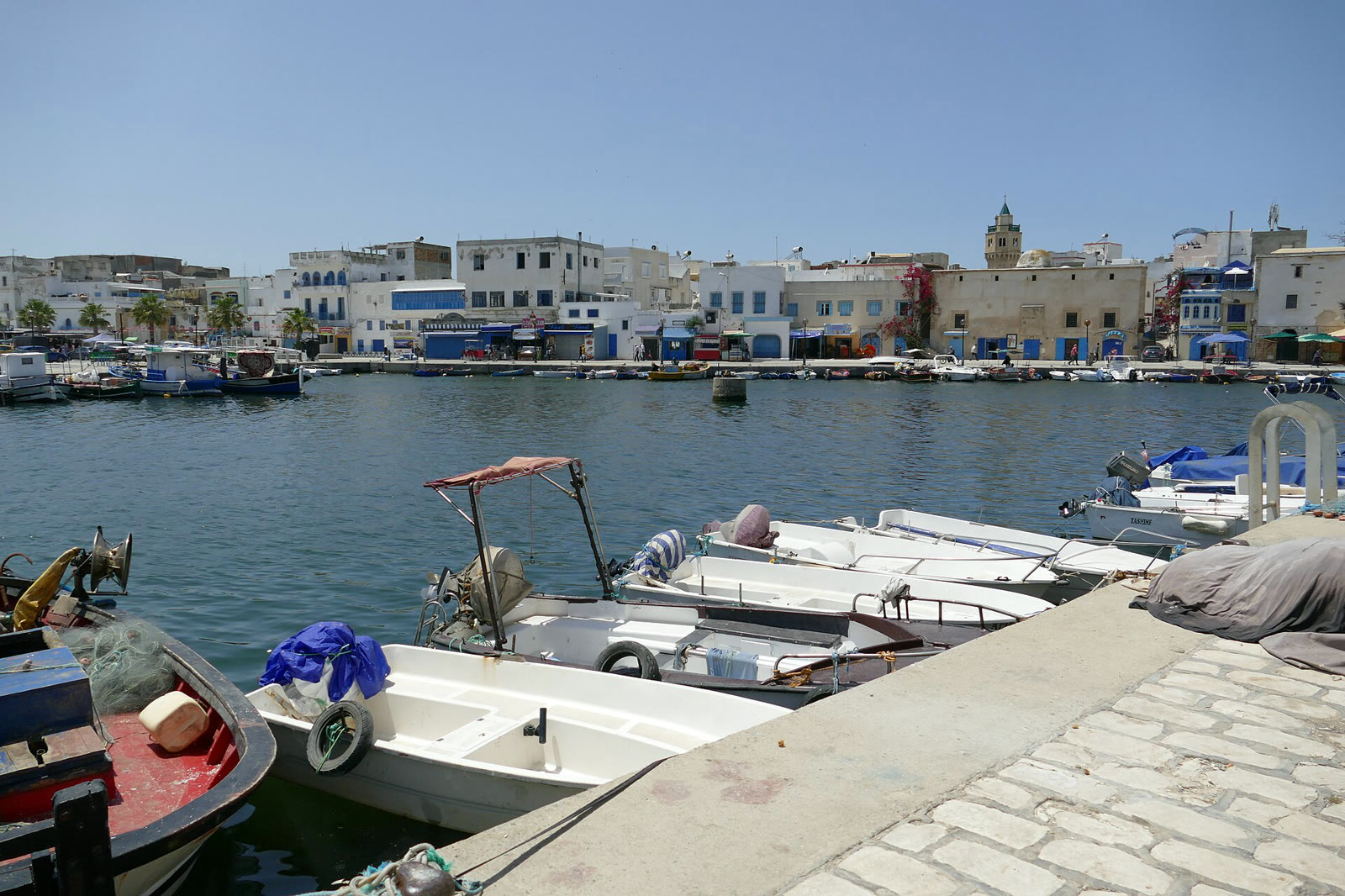
Bin Yunus stressed that regional developments should not be interpreted as indicating that a new U.S. military base would be established in Tunisia. He said U.S. policy was based primarily on training, information exchange, interoperability, building the capacity of partner forces, and the ability to cooperate during crises.
Tunisia’s former foreign minister, Ahmed Ounaies, also found the assessment that the country’s military position had undergone a fundamental change to be overstated. Ounaies said Tunisia-U.S. relations had long been based on a high level of trust and that joint military exercises were not a new practice.
Ounaies said Tunisia monitors technical developments and military doctrines through exercises and improves the training capacity of its officers and soldiers. Regarding the rivalry among the United States, Russia and China, he said Tunisia did not seek to become involved in conflicts among major powers.
The Tunisia-U.S. partnership is expanding
Tunisia has held the status of a major U.S. ally outside NATO since 2015. The status, which does not mean NATO membership, allows defense cooperation, training and equipment exchanges to be expanded.
The Anderson visit and the Phoenix Express exercise show that the decades-old Tunisia-U.S. military partnership has expanded into maritime and cybersecurity, information exchange and multinational training. This expansion is being assessed in connection with developments in Libya and the Sahel, while Tunisia’s lack of a move toward establishing a new U.S. base and its efforts to preserve independence in foreign-policy decisions are being emphasized.