- BIST10011,477-3.08%
- USD50.42+0.05%
- EUR55.44-0.10%
- GOLD3,730.10-3.47%
- INTEREST36.00%-1.00
- BITCOIN62,720-3.32%
- November 18, 202617°
- BIST10011,477-3.08%
- USD50.42+0.05%
- EUR55.44-0.10%
- GOLD3,730.10-3.47%
- INTEREST36.00%-1.00
- BITCOIN62,720-3.32%
- November 18, 202617°
Voyager 1 will become first human-made object to reach one light-day from Earth
NASA’s Voyager 1 probe will reach a distance of one light-day from Earth on November 18, about 25.9 billion kilometers, becoming the first human-made object to reach this distance nearly half a century after its launch.
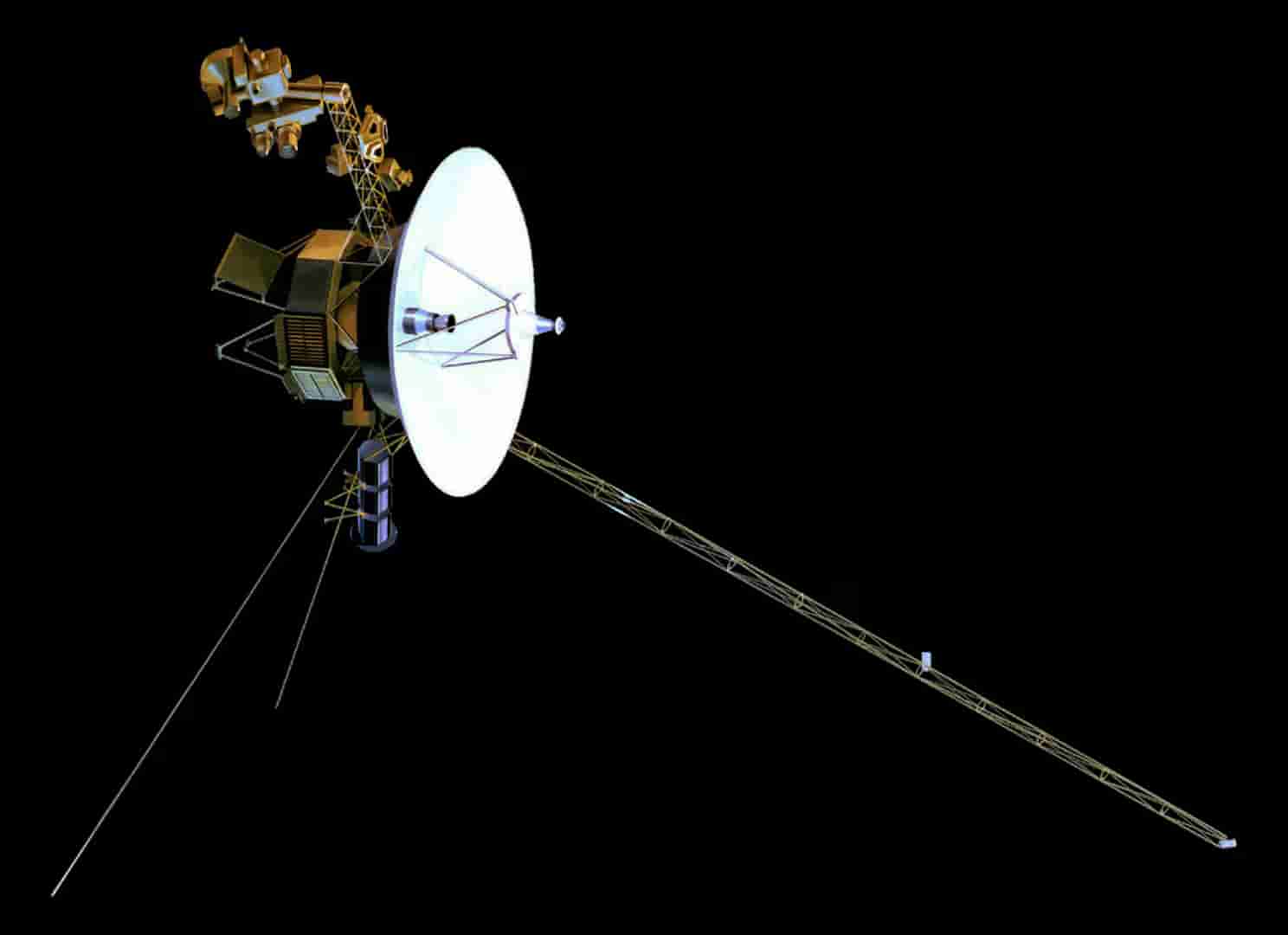
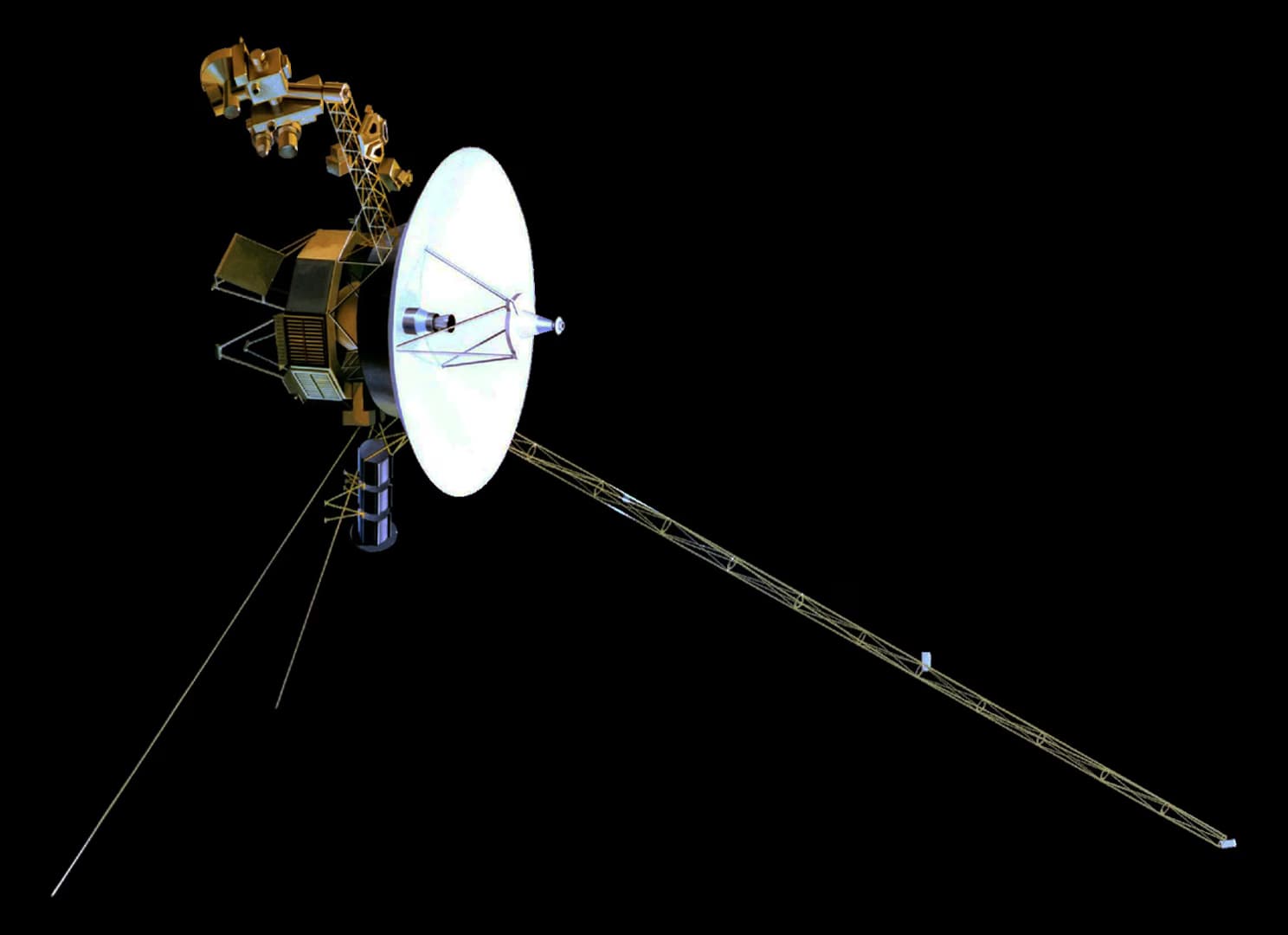
NASA’s Voyager 1 probe is set to reach a distance of one light-day from Earth on November 18, becoming the first human-made object to reach this distance.
A light-day is the distance light travels in 24 hours, or about 25.9 billion kilometers. A radio signal sent from Earth takes about a full day to reach the probe, and another day for its reply to return, meaning roughly 48 hours pass between sending a command and receiving a response.
Half a century in space

Voyager 1 was launched on September 5, 1977, from Cape Canaveral in Florida. It flew past Jupiter in 1979 and Saturn in 1980, then left the heliosphere for interstellar space in August 2012. Since 1998, it has been the most distant spacecraft from Earth.
Among the probe’s best-known images is the “Pale Blue Dot,” captured in 1990 and showing Earth as a tiny point from a distance of 6.06 billion kilometers.
Power declining year by year
The probe is powered by generators that convert the heat from the radioactive decay of plutonium-238 into electricity, but their output declines by about 4 watts each year. NASA engineers are therefore switching off some of its instruments to conserve power. According to the agency’s estimates, Voyager 1 will need another 18,000 years to move one light-year away from Earth.
Stay Updated with Hilal Times
Subscribe to be informed about special news, developments and announcements. We will keep you informed.
By signing up, you agree to our Privacy Policy