- BIST10011,518-1.74%
- USD49.45+0.05%
- EUR55.62+0.37%
- GOLD4,169.30-0.28%
- INTEREST37.00%-1.00
- BITCOIN81,844-0.21%
- October 19, 202617°
- BIST10011,518-1.74%
- USD49.45+0.05%
- EUR55.62+0.37%
- GOLD4,169.30-0.28%
- INTEREST37.00%-1.00
- BITCOIN81,844-0.21%
- October 19, 202617°
Washington urges Lebanon to block Iran and Hezbollah financial networks
U.S. Treasury Secretary Scott Bessent urged Lebanese officials to take proactive steps against financial networks linked to Iran and Hezbollah. Talks in Washington also addressed Lebanon’s banking reforms, sovereignty and the consolidation of weapons under state control.


Financial-sector and sovereignty issues dominated Lebanon’s talks in Washington, while U.S. Treasury Secretary Scott Bessent called on the Beirut administration to take proactive steps to block financial networks linked to Iran and Hezbollah.
Bessent met in Washington with Lebanese Prime Minister Nawaf Salam and Finance Minister Yassine Jaber. The talks focused on the importance of continuing comprehensive financial-sector reforms and restoring confidence in Lebanon’s banking system.
Lebanese delegation’s agenda in Washington
Salam is holding talks in Washington with a delegation that includes Jaber and Energy and Water Minister Joe Saddi. The delegation’s program includes meetings with officials including World Bank President Ajay Banga, as well as talks with International Monetary Fund Managing Director Kristalina Georgieva.
The discussions include support for the reform process and strengthening cooperation with the World Bank and the International Monetary Fund. Salam also discussed developments in Lebanon and the region with U.S. Secretary of State Marco Rubio, as well as the process of restoring the country’s sovereignty.

Call to place weapons under state control
Rubio said the United States strongly supports Lebanon’s implementation of the “tripartite framework.” He said the framework was viewed as the only path to achieving lasting peace with Israel.
Salam called for the implementation to be accelerated, Israel to fully withdraw from Lebanon and all weapons across the country to be placed under state control. The Lebanese government is pursuing a plan to place all weapons, including those held by Hezbollah, under state control.
Hezbollah is retaining its weapons; the group describes itself as a resistance movement against the Israeli occupation and is asking the Lebanese government to halt direct negotiations with Israel.
Rounds of negotiations in Washington and Rome
Multiple rounds of negotiations have been held between Beirut and Tel Aviv in Washington and Rome under U.S. mediation. During the Washington talks, Salam called for a clear timetable to implement the obligations set out in the tripartite framework.
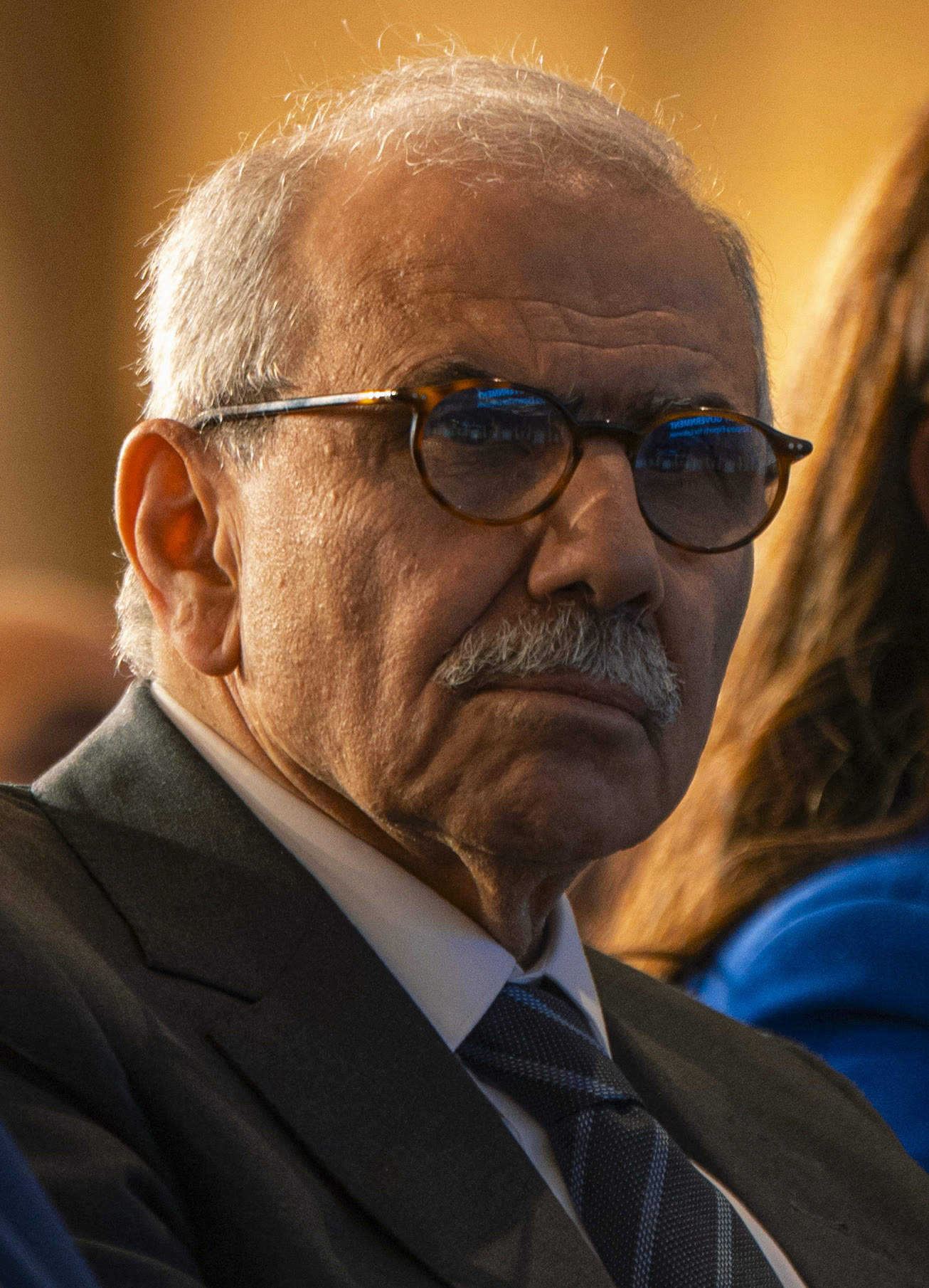
The United States classifies Hezbollah as a terrorist organization on the grounds that it is linked to Iran and the Islamic Revolutionary Guard Corps’ Quds Force. Rubio said the United States stood “with a sovereign Lebanon free from Hezbollah and Iranian influence.”
According to Lebanese authorities, at least 4,386 people have been killed, 12,407 wounded and more than 1 million displaced in Israeli attacks that have continued since March 2.
The attacks have continued despite the “framework formula” signed by the two countries on June 26 under U.S. mediation, which provides for Israel’s gradual withdrawal from Lebanese territory.
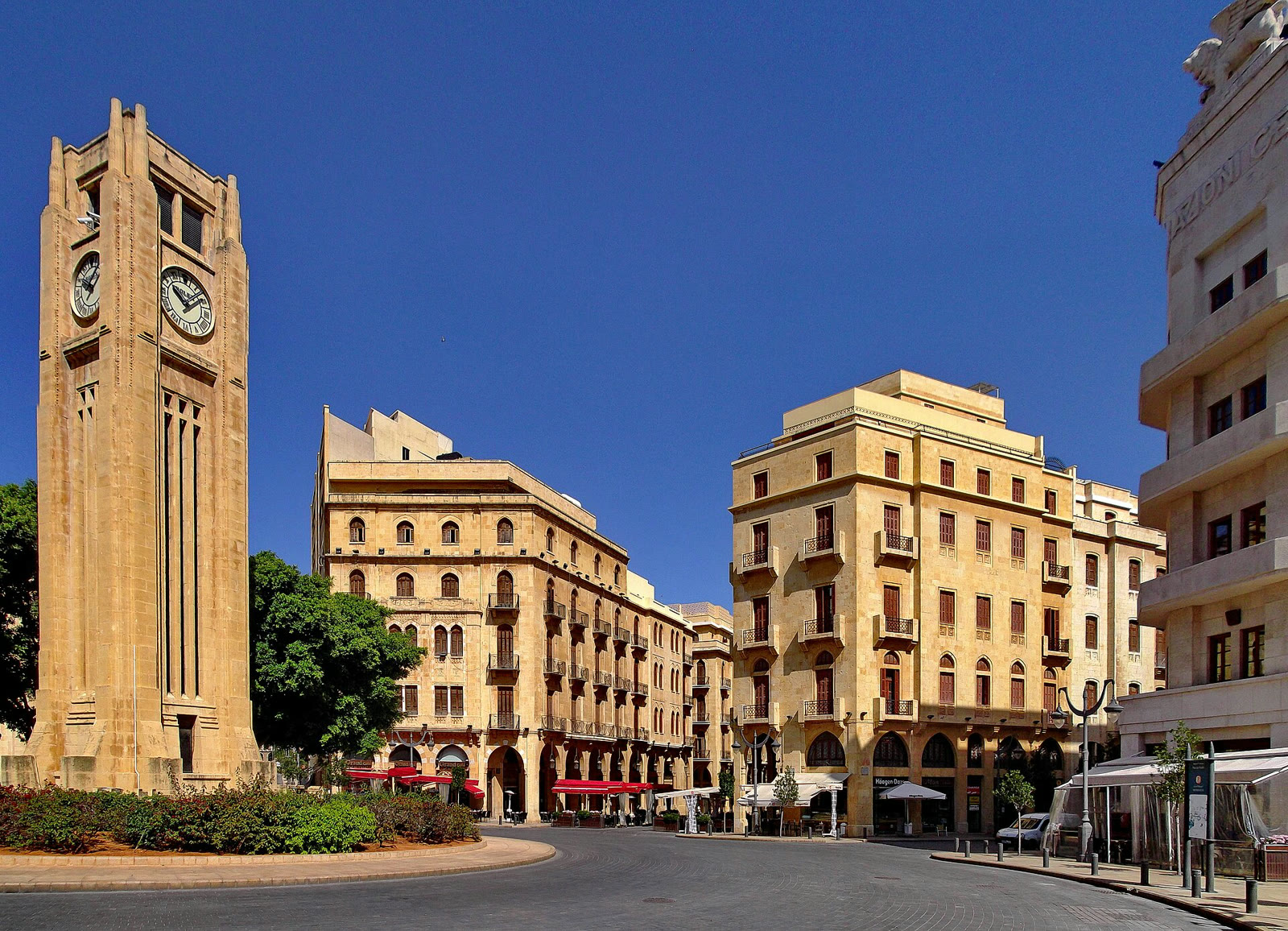
The arrangement provides for the Lebanese army to deploy in these areas and for Hezbollah to be disarmed in exchange for Israel’s gradual withdrawal from the occupied areas of Lebanon. Israeli forces have been present in areas of southern Lebanon, some of which have existed for decades while others emerged after the 2023-2024 war, and advanced more than 10 kilometers into the country during the latest attacks.
Tensions between Iran and the United States
According to Iran, more than 3,000 people were killed in the war launched by the United States and Israel against Iran on February 28. Tehran said it carried out retaliatory attacks in which U.S. and Israeli citizens were killed.
The United States has recently carried out military strikes against sites in Iran. Negotiations between the two countries have failed to advance because of disputes over maritime transport in the Strait of Hormuz, which has strategic importance for energy and commercial goods.
Iran said it had targeted U.S. military facilities and equipment in Arab countries. Civilians were killed and civilian facilities damaged in some of these attacks, while the countries targeted condemned the attacks and called for them to end.
Stay Updated with Hilal Times
Subscribe to be informed about special news, developments and announcements. We will keep you informed.
By signing up, you agree to our Privacy Policy