- BIST10011,554-1.43%
- USD49.45+0.05%
- EUR55.62+0.37%
- GOLD4,181.200.00%
- INTEREST37.00%-1.00
- BITCOIN82,126+0.14%
- October 19, 202617°
- BIST10011,554-1.43%
- USD49.45+0.05%
- EUR55.62+0.37%
- GOLD4,181.200.00%
- INTEREST37.00%-1.00
- BITCOIN82,126+0.14%
- October 19, 202617°
World Meteorological Organization Reports Africa Warming Faster Than Global Average
According to a WMO report, Africa is warming faster than the global average. In 2025, extreme weather events affected at least 13 million people on the continent and led to over 3,000 recorded fatalities.


The World Meteorological Organization (WMO) announced that the African continent is warming faster than the global average and that extreme weather and climate events in 2025 affected at least 13 million people, causing over 3,000 recorded deaths.
The organization's published "State of the Climate in Africa 2025" report revealed that the continent's rate of warming since 1991 has been much higher than in previous similar thirty-year periods. According to the report, the average surface temperature in Africa in 2025 ranked among the three to seven hottest years since records began and was approximately 0.51 degrees Celsius higher than the 1991-2020 average.
Impact of Floods and Drought
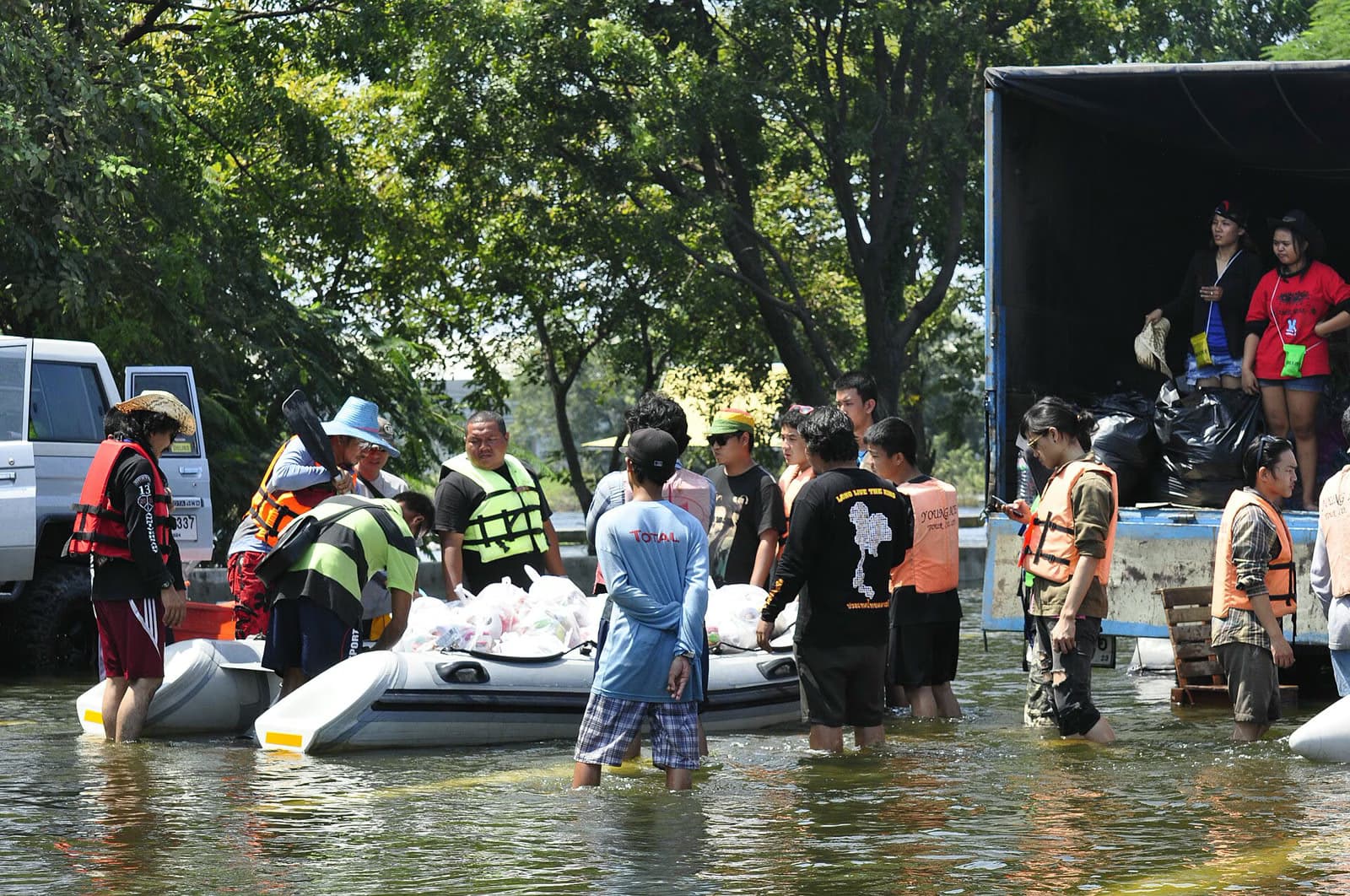
The report highlighted that floods, constituting more than half of the documented events, were the most widespread threat. Severe floods in Nigeria in May claimed over 200 lives, while floods in the Democratic Republic of the Congo in April resulted in more than 160 fatalities. Additionally, the 2024-2025 period saw a particularly active tropical cyclone season in the southwestern Indian Ocean.
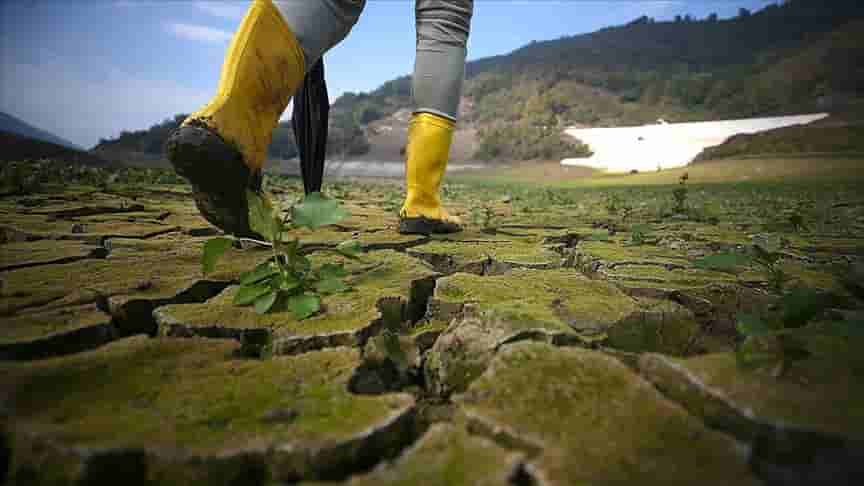
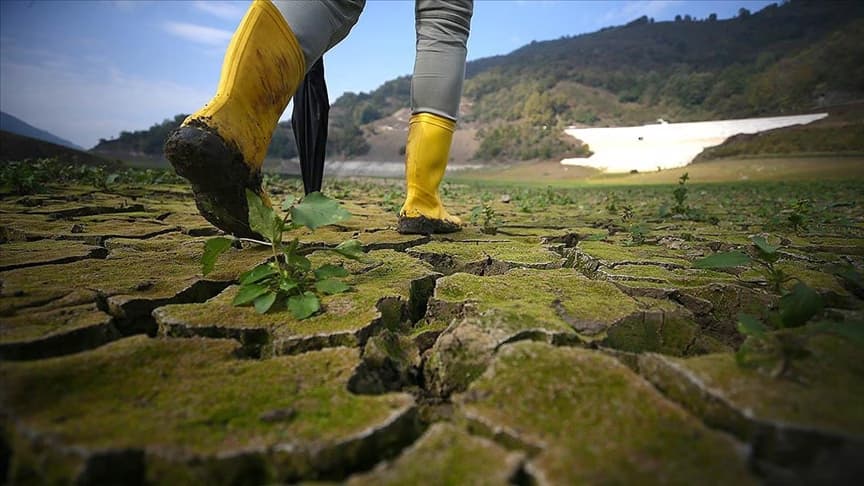
On the other hand, the extent of drought impact also expanded. Over 8.5 million people were affected by drought in East Africa. The report noted that most parts of East Africa received below-average rainfall during both the long and short rainy seasons, with total annual rainfall around the Horn of Africa being unusually low.
In North Africa, an increase in drought was observed along the Mediterranean coastline due to below-average rainfall, although some areas in the continent's northwest received above-average rainfall for the first time in years.
Glacier Melt and Sea Level Rise
According to the report, glaciers in Africa have lost over 90% of their area since the late 19th century and now exist only on Mount Kenya in Kenya, Mount Kilimanjaro in Tanzania, and the Ruwenzori Mountains on the border of Uganda and the Democratic Republic of the Congo.
The glacial area on Mount Kilimanjaro (5895 meters), the continent's highest peak and home to its largest glacial expanse, despite heavy snowfall in 2025, has shrunk from 11.4 square kilometers in 1900 to 0.98 square kilometers in recent years. The glacial area on Mount Kenya decreased from 1.64 to 0.07 square kilometers between 1906 and 2021/2022, while the area on the Ruwenzori Mountains fell from 6.51 to 0.38 square kilometers.
Along the coasts, sea level rise along African shores during the 1999-2025 period exceeded the global average of 3.6 millimeters per year in many regions. The rise was measured at approximately 4.2 millimeters on the Atlantic coast, 5.2 millimeters on the Indian Ocean coast, and 5.6 millimeters in the Red Sea.
Early Warning Systems Lacking
The report stated that the continent is struggling to adapt to these impacts and that less than 40% of African countries have early warning systems. However, improvements in cooperation between meteorological services, disaster management agencies, and local authorities, as well as advances in climate services like seasonal forecasts, were highlighted as promising signs.
WMO Secretary-General Celeste Saulo said, "The signs of climate change are visible everywhere in Africa; from rising temperatures and sea levels to devastating floods and drought," adding that the report shows both the scale of the risks and the growing importance of early warning, climate services, and coordinated action to protect lives and livelihoods.
The report was prepared in collaboration with national meteorological and hydrological institutions, international data centers, and United Nations partners and includes case studies from Ghana, Nigeria, and South Africa.
Stay Updated with Hilal Times
Subscribe to be informed about special news, developments and announcements. We will keep you informed.
By signing up, you agree to our Privacy Policy