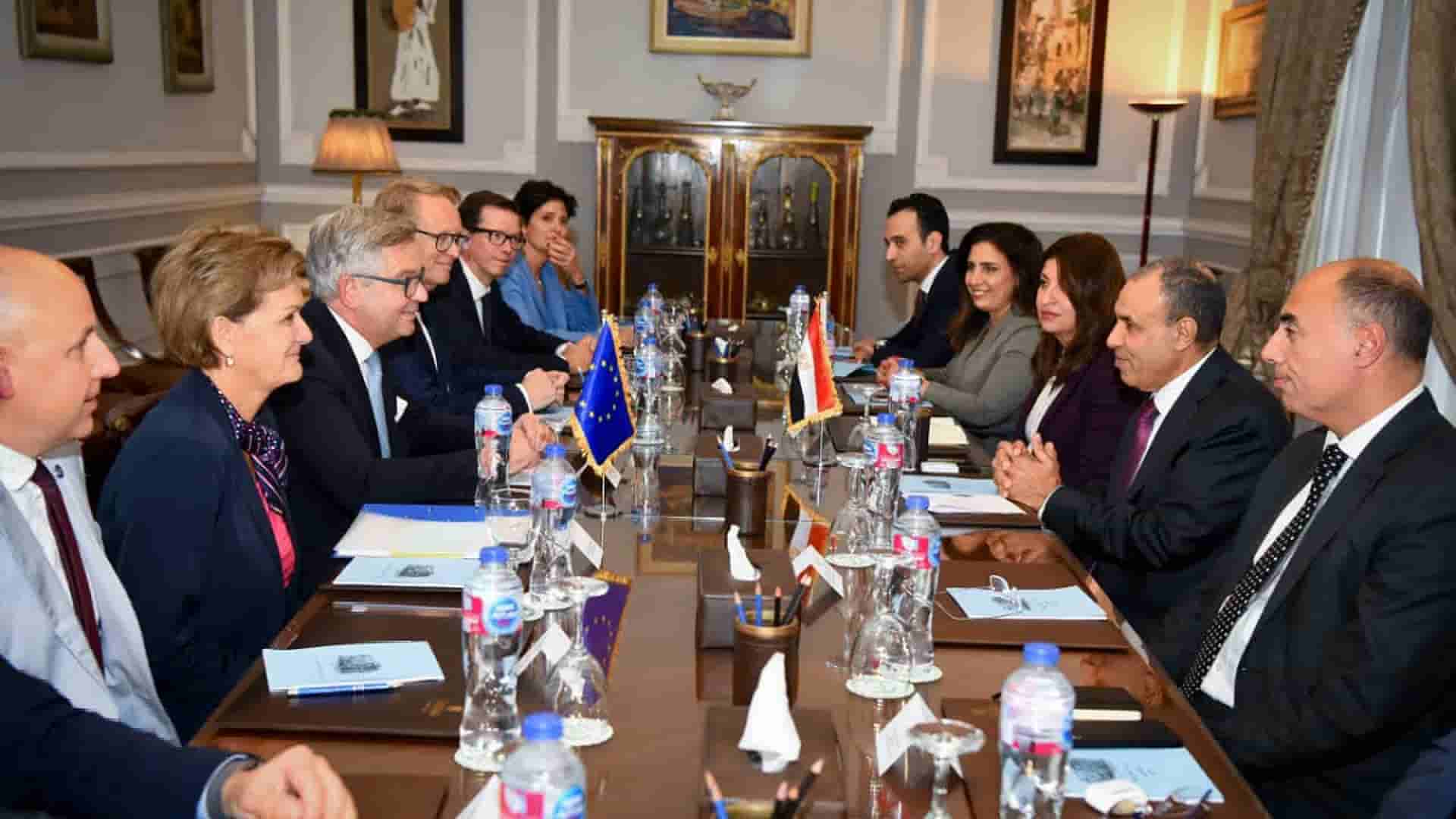
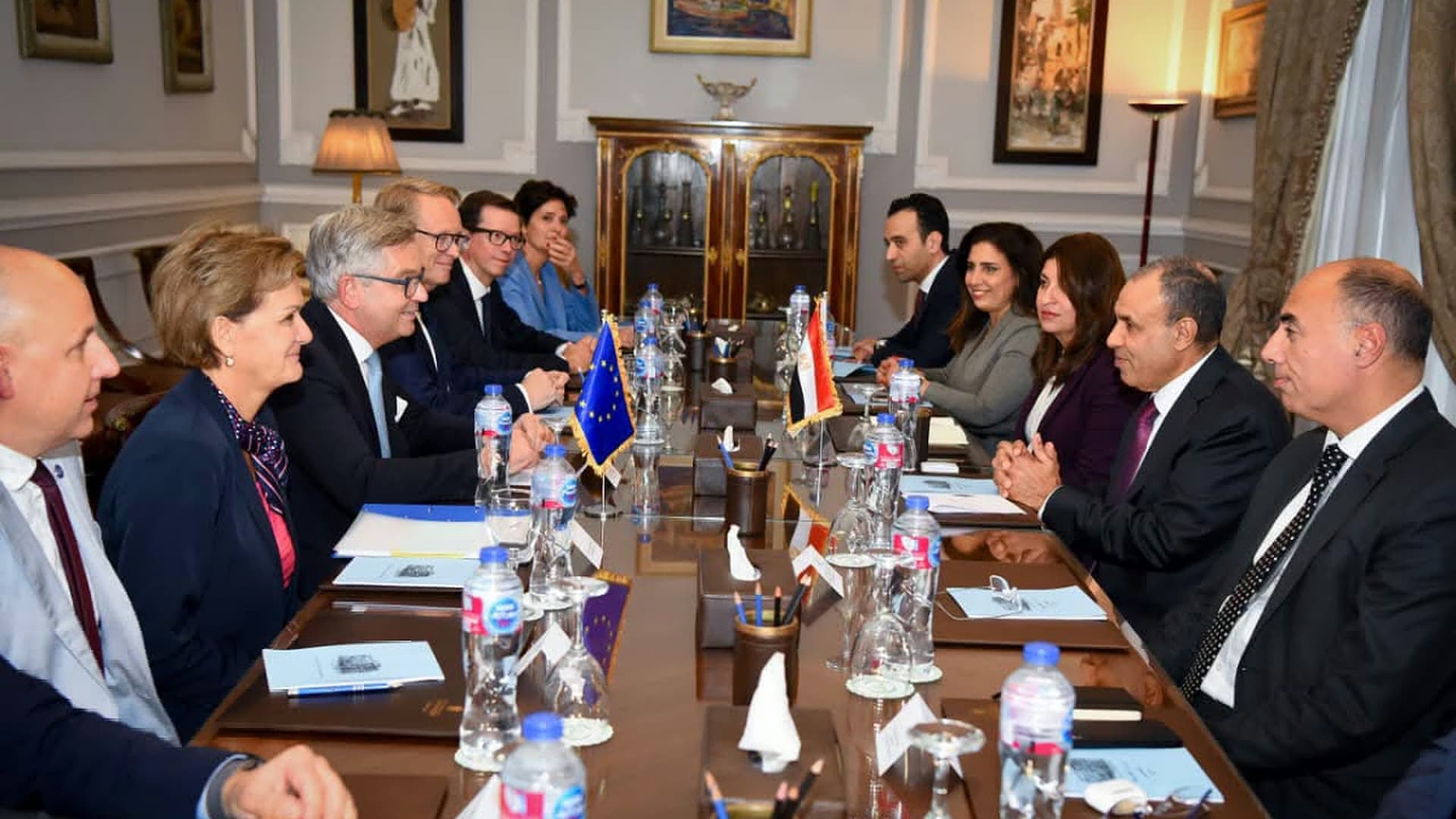
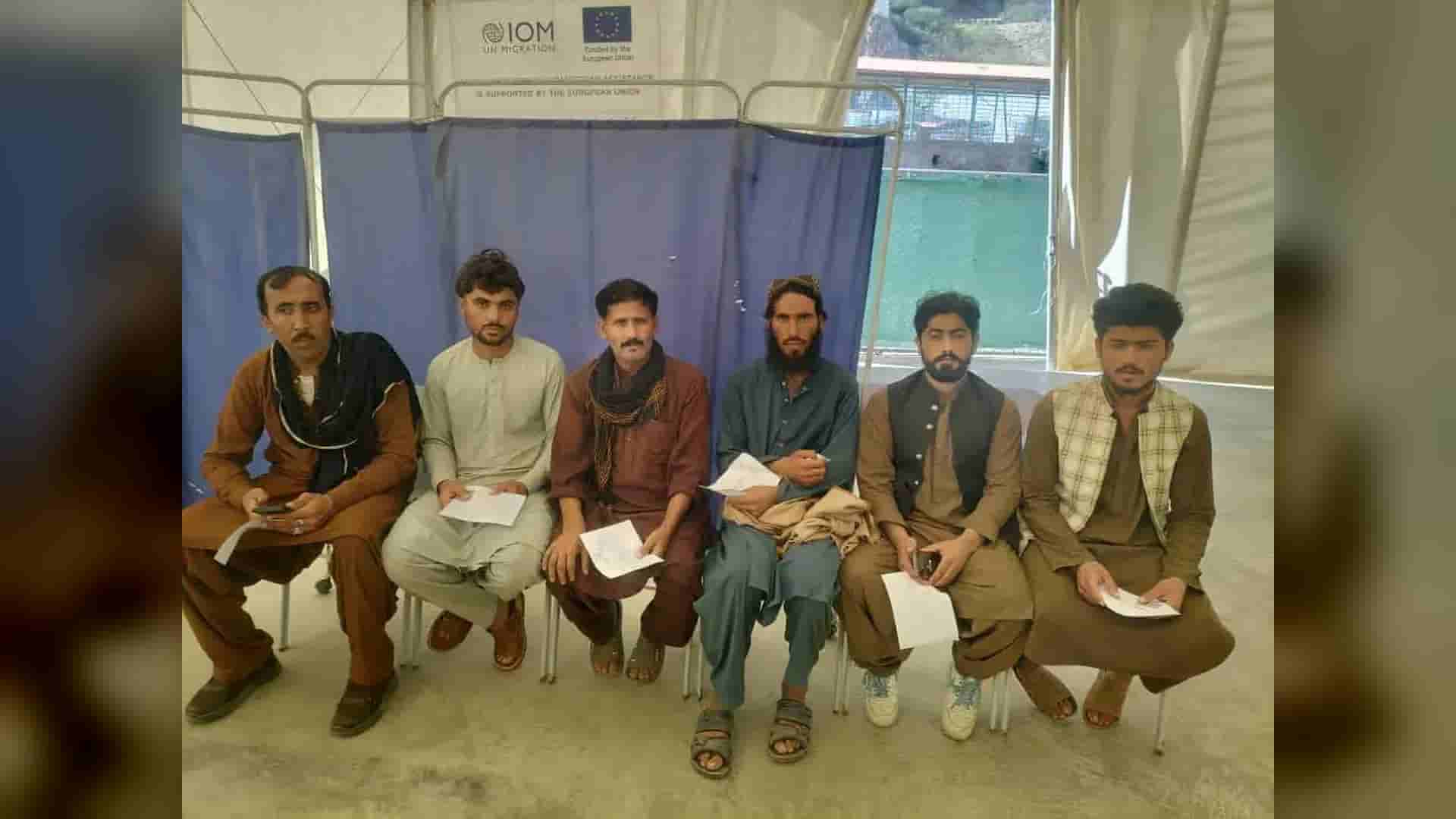
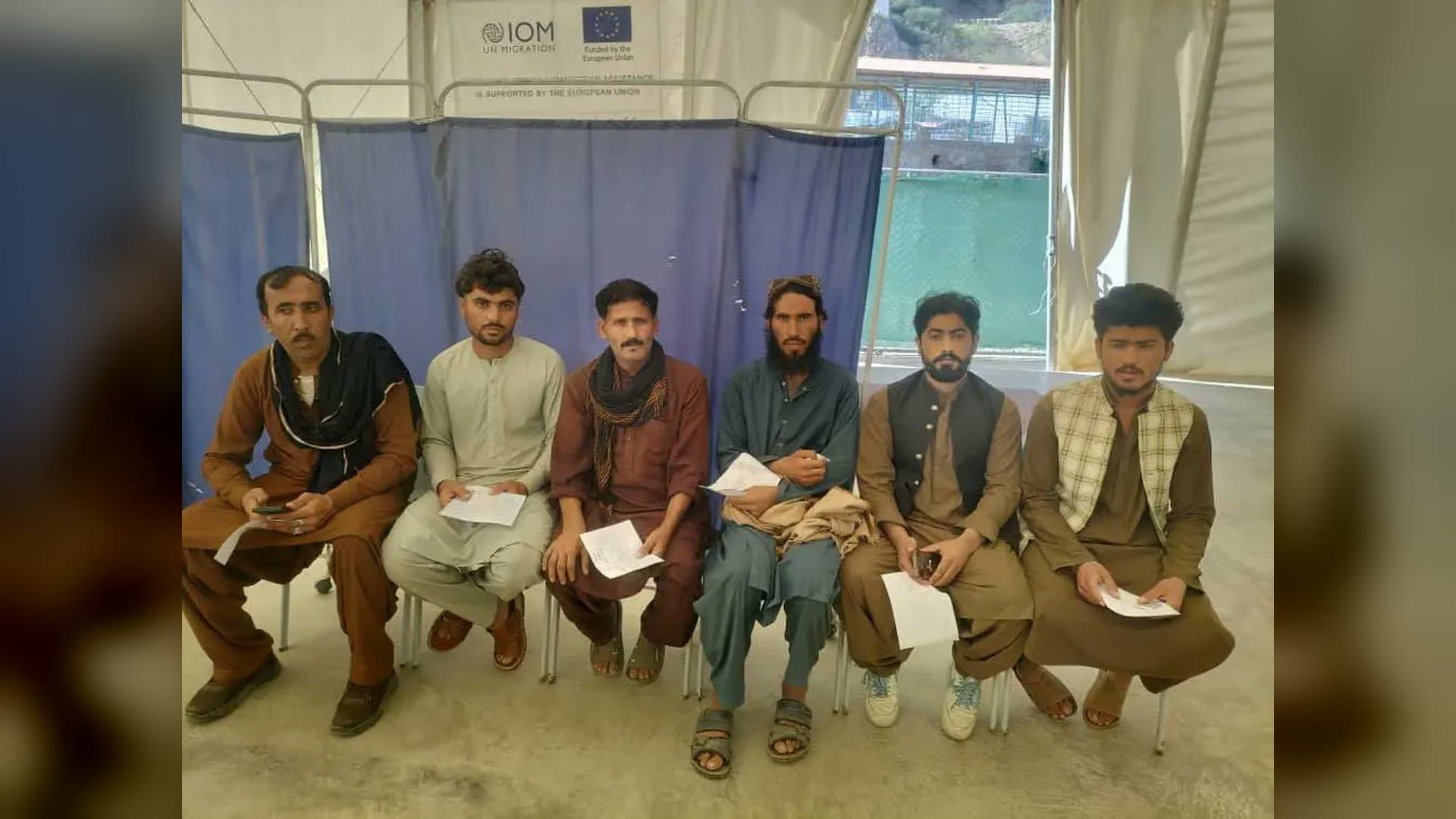
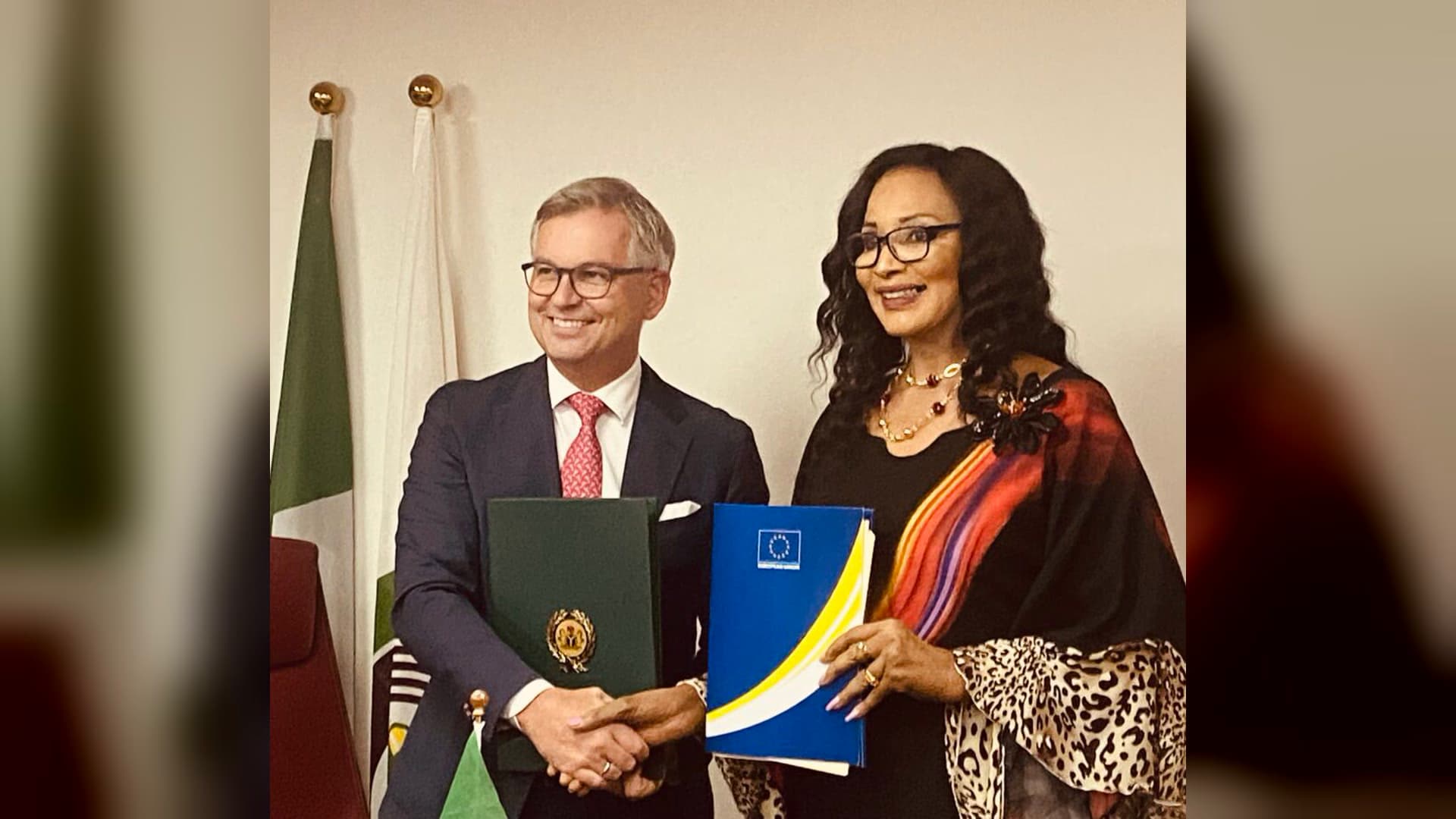
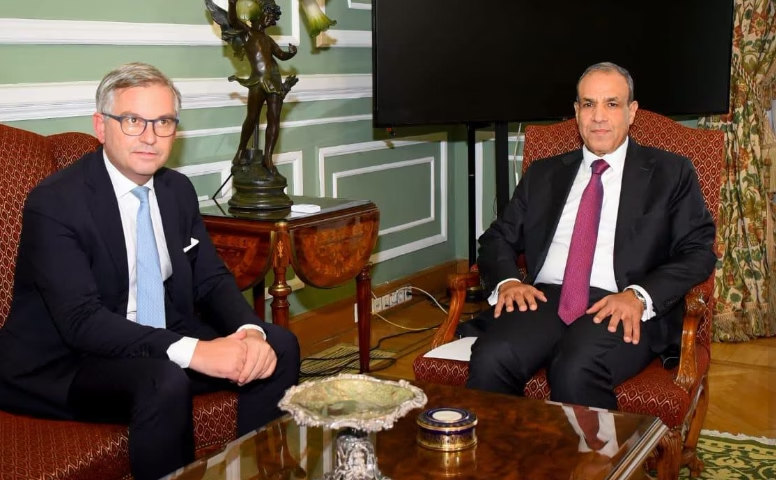
Egyptian Foreign Minister Badr Abdelatty called on the European Union to expand legal pathways allowing Egyptian workers to access European markets during a meeting in Cairo on Thursday, November 12, with European Commissioner for Home Affairs and Migration Magnus Brunner, who visited Egypt to discuss security and migration.
The Foreign Ministry said Abdelatty stressed that providing legal avenues for migration and labor mobility is a key pillar of managing the issue. He called for a comprehensive approach linking migration to development and addressing the root causes of irregular migration through economic and social development. He described migration as a shared challenge requiring coordination based on mutual interests.
Talent partnership and refugee burdens
The minister welcomed progress under the Egypt-EU Talent Partnership and the Migration Partnership Facility, stressing the need to expand and sustain these initiatives. Sada El Balad English reported that the partnership identifies priority sectors including information technology, construction, tourism, agriculture, transport and energy.
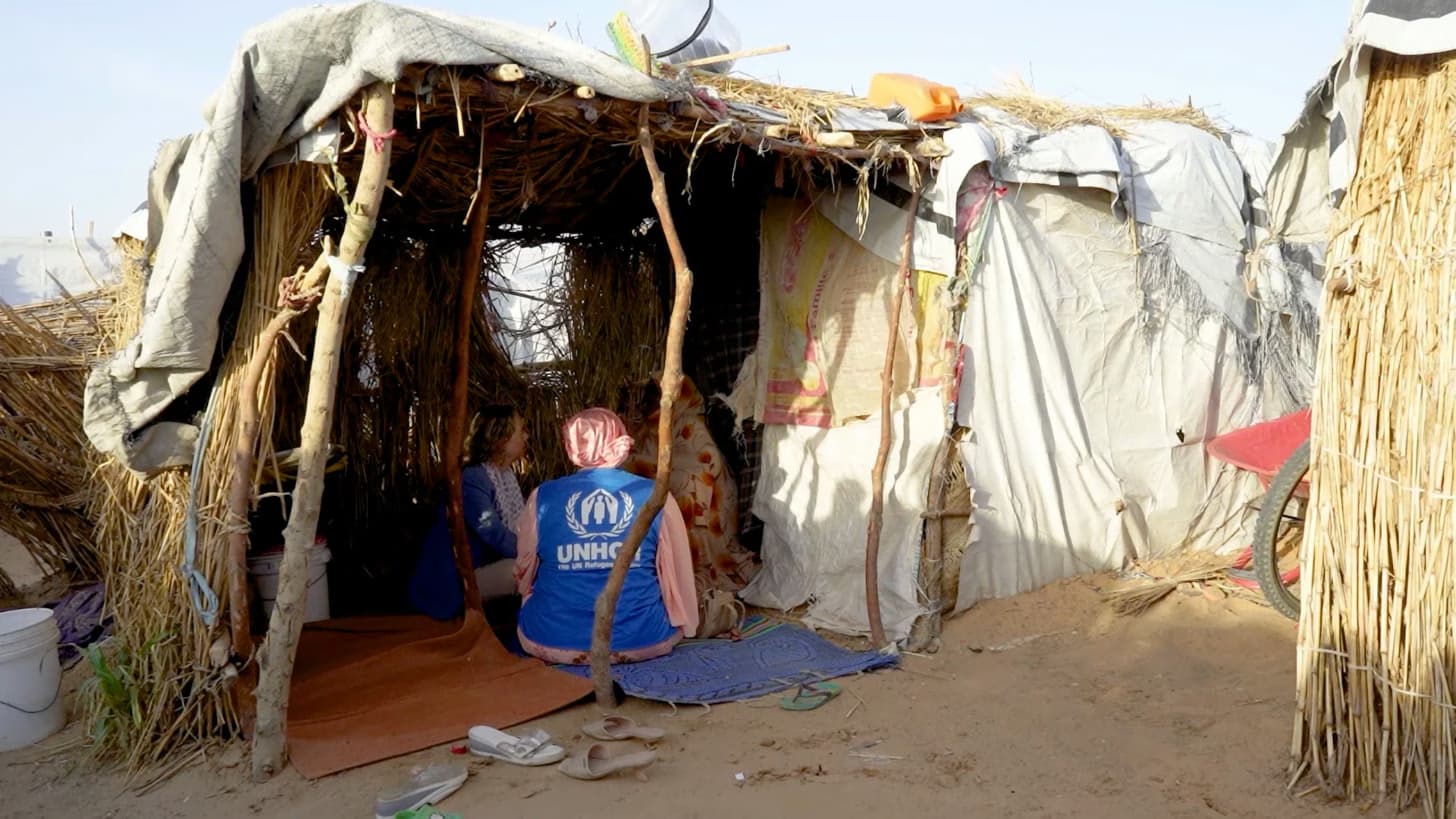
Abdelatty also outlined the burdens Egypt bears from hosting millions of refugees fleeing protracted regional conflicts. He said Cairo’s efforts had contributed to a decline in irregular migration from Egypt to Europe, while pressure on services and resources required greater international support. He reaffirmed his country’s commitment to strengthening its strategic and comprehensive partnership with the EU, launched in March 2024 and reinforced by the first Egypt-EU summit in Brussels on October 22, 2025. The partnership includes a financial package worth 7.4 billion euros for 2024–2027, with 200 million euros allocated to migration management.
New arrangement with CEPOL and fight against smuggling
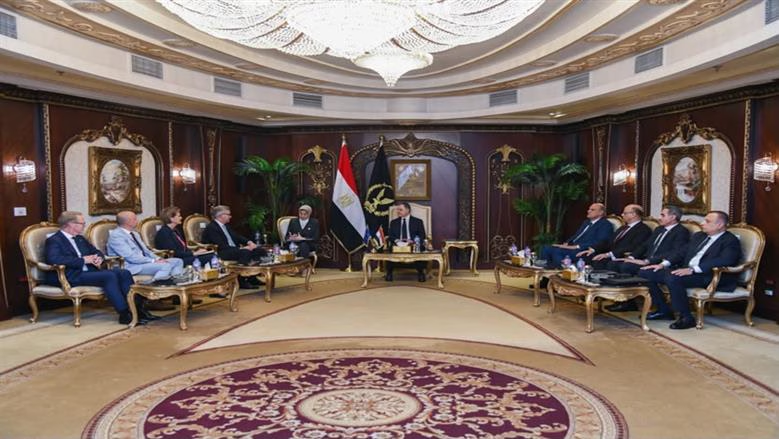
Before meeting the foreign minister, Brunner held talks with Interior Minister Major General Mahmoud Tawfik. The discussions covered combating migrant smuggling, human trafficking, drug trafficking and firearms trafficking; border management; and cooperation with European agencies including Europol, Frontex and CEPOL, the EU agency for law-enforcement training. The two sides signed a new working arrangement between CEPOL and Egypt’s Interior Ministry.
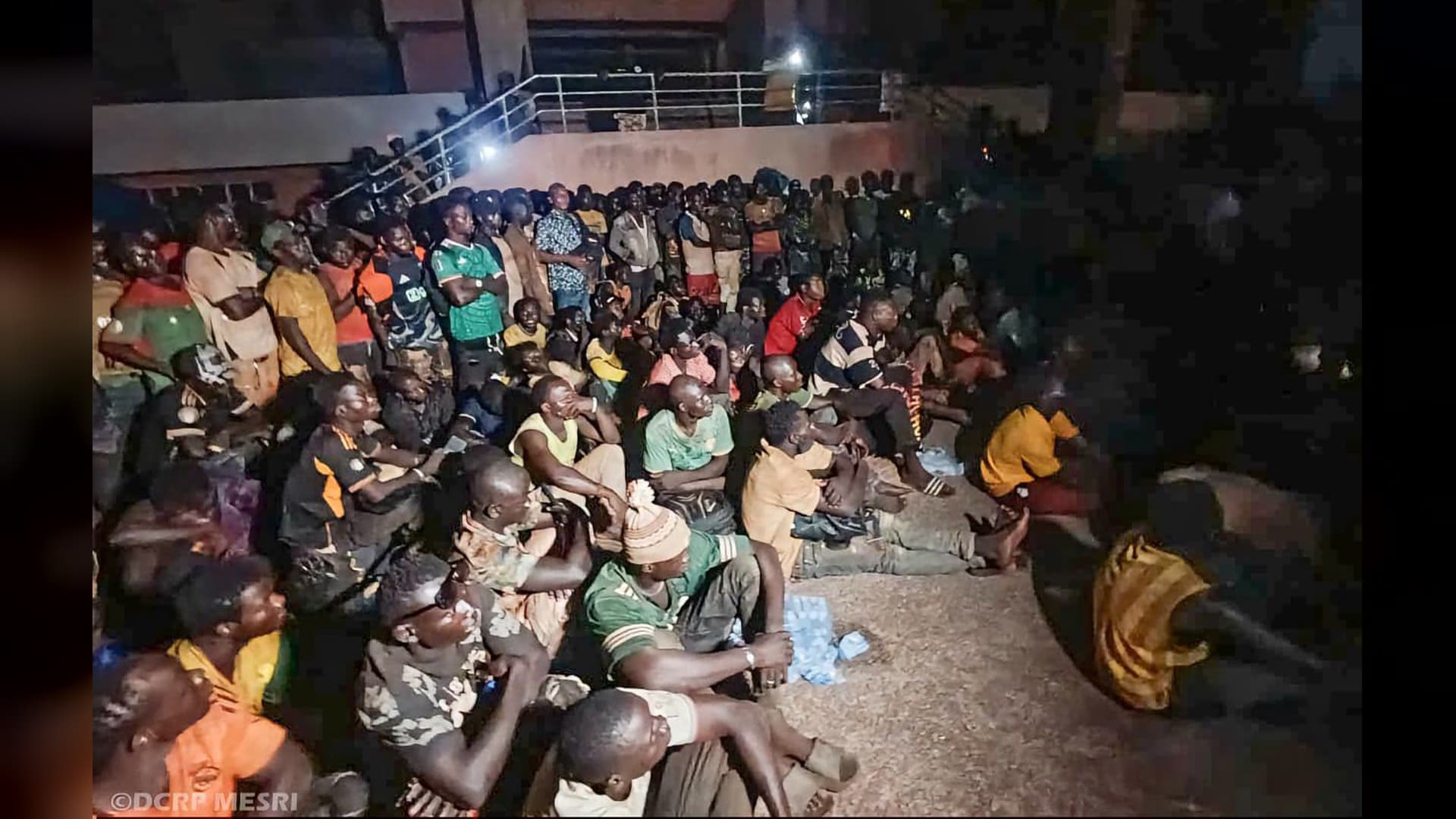
Brunner said in comments published by Egypt’s Al-Watan newspaper that Egypt is a key strategic partner for the EU in ensuring regional stability and managing migration responsibly, adding that criminal networks “do not stop at borders.” He said the arrangement with CEPOL was another step toward dismantling smuggling networks and enhancing security in the Mediterranean. He also pointed to the “Eastern Corridor” initiative, which addresses challenges along the route stretching from South Asia to North Africa, particularly Libya, where many migrants attempt to cross the Mediterranean on dangerous sea journeys. He added that his visit had turned the partnership into practical steps covering border management, combating cross-border crime and strengthening legal pathways for labor mobility.
Photos: Egyptian Foreign Ministry, Egyptian Interior Ministry