- BIST10011,843+1.51%
- USD50.28+0.05%
- EUR55.60-0.24%
- GOLD3,886.30+0.03%
- INTEREST36.00%-1.00
- BITCOIN64,249+0.20%
- November 15, 202612°
- BIST10011,843+1.51%
- USD50.28+0.05%
- EUR55.60-0.24%
- GOLD3,886.30+0.03%
- INTEREST36.00%-1.00
- BITCOIN64,249+0.20%
- November 15, 202612°
UNHCR: 570,481 Sudanese reached Libya since war began in April 2023
The United Nations High Commissioner for Refugees estimates that 570,481 Sudanese have sought refuge in Libya since the war began. Most entered through unofficial crossings, while only 93,581 are registered with the agency.
The United Nations High Commissioner for Refugees estimates that 570,481 Sudanese refugees have arrived in Libya since the war in Sudan began in April 2023, according to the latest data on its Sudan situation platform, updated on November 2.
These figures make Libya the third-largest host country for Sudanese refugees after Egypt and Chad, according to the same platform, which estimates that Chad hosts 983,116 Sudanese refugees.
Only 93,000 registered
According to the UNHCR data dashboard on Sudanese refugees in Libya through last September, only 93,581 Sudanese are registered with the agency, including 77,887 who were registered after the conflict began. UNHCR says 95% of those registered entered Libya through unofficial crossing points, adding that the irregular nature of entry and the extensive land borders with Chad, Egypt and Sudan make it difficult to provide an accurate figure.
UNHCR explained that the closure of the border with Sudan and tighter Libyan monitoring had pushed refugees to take longer routes. The average number of arrivals by land reached about 70 people a day through Egypt, Chad and Niger.
Growing protection concerns
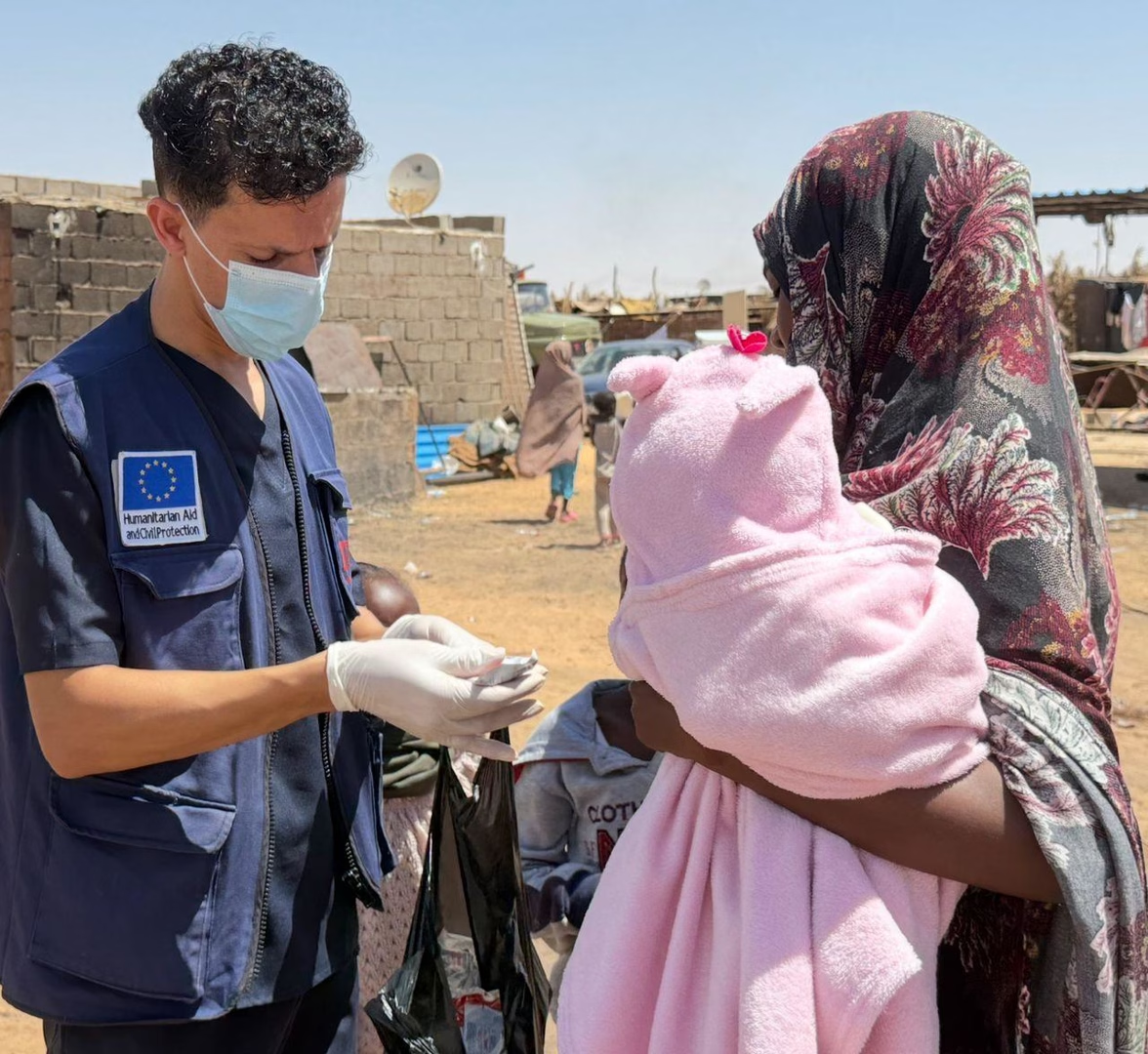
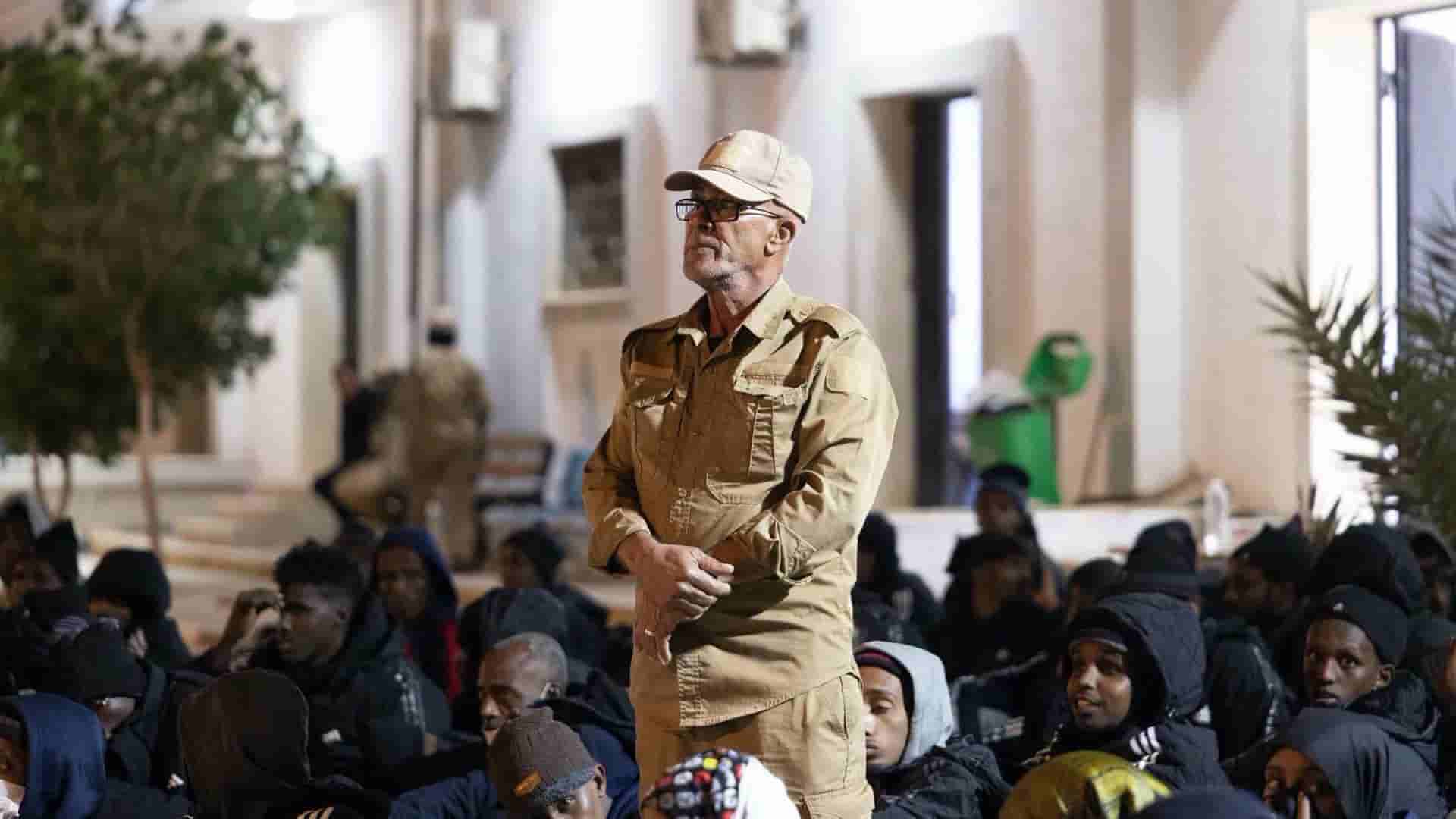
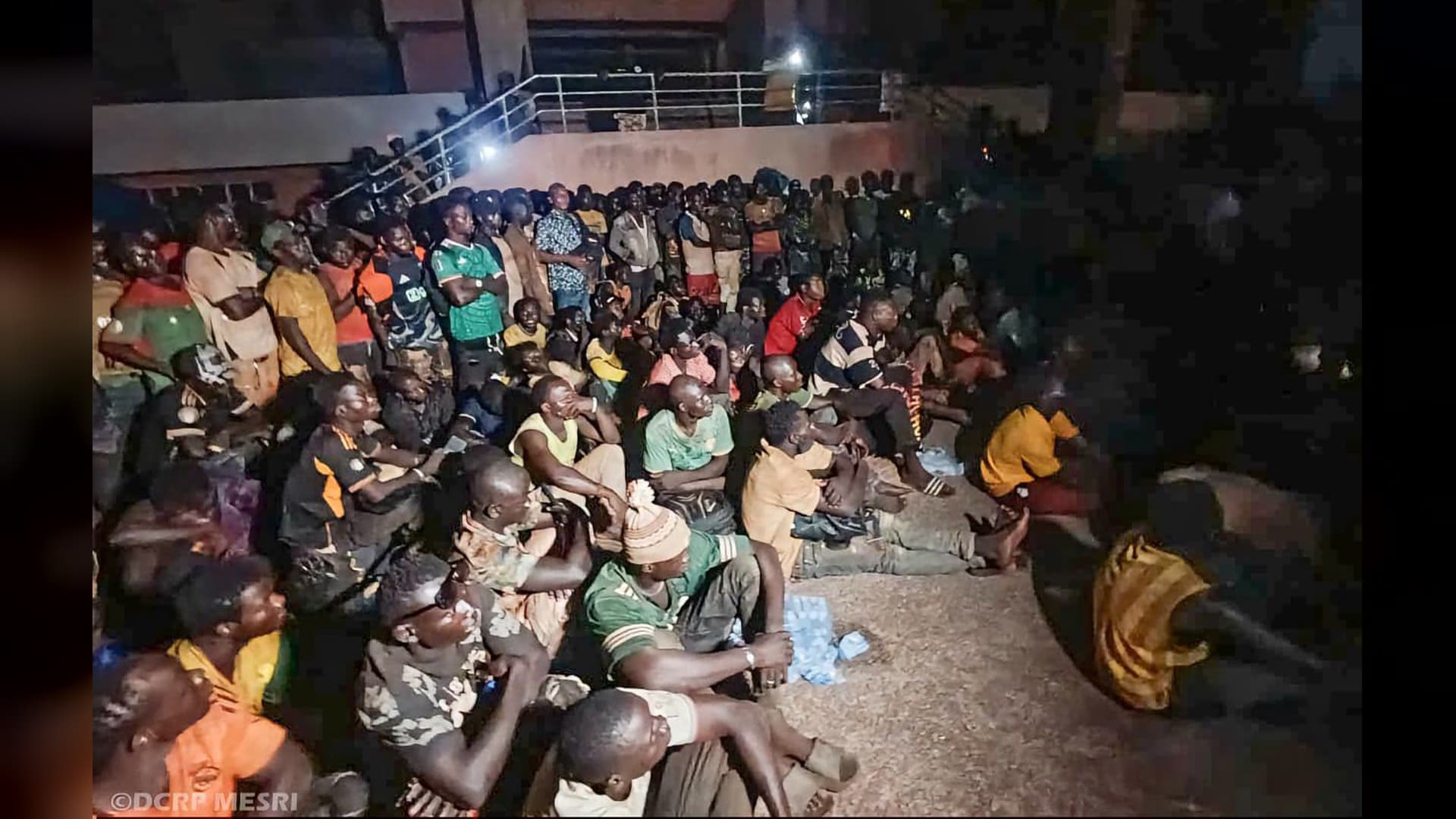
UNHCR warned that Sudanese refugees face serious protection risks amid anti-refugee and anti-migrant rhetoric, which intensified after social media circulated a date of October 1 for the expulsion of all foreigners. It said a wide-ranging security campaign carried out in September led to more than 4,500 people being detained in eastern areas, most of them Sudanese and South Sudanese.
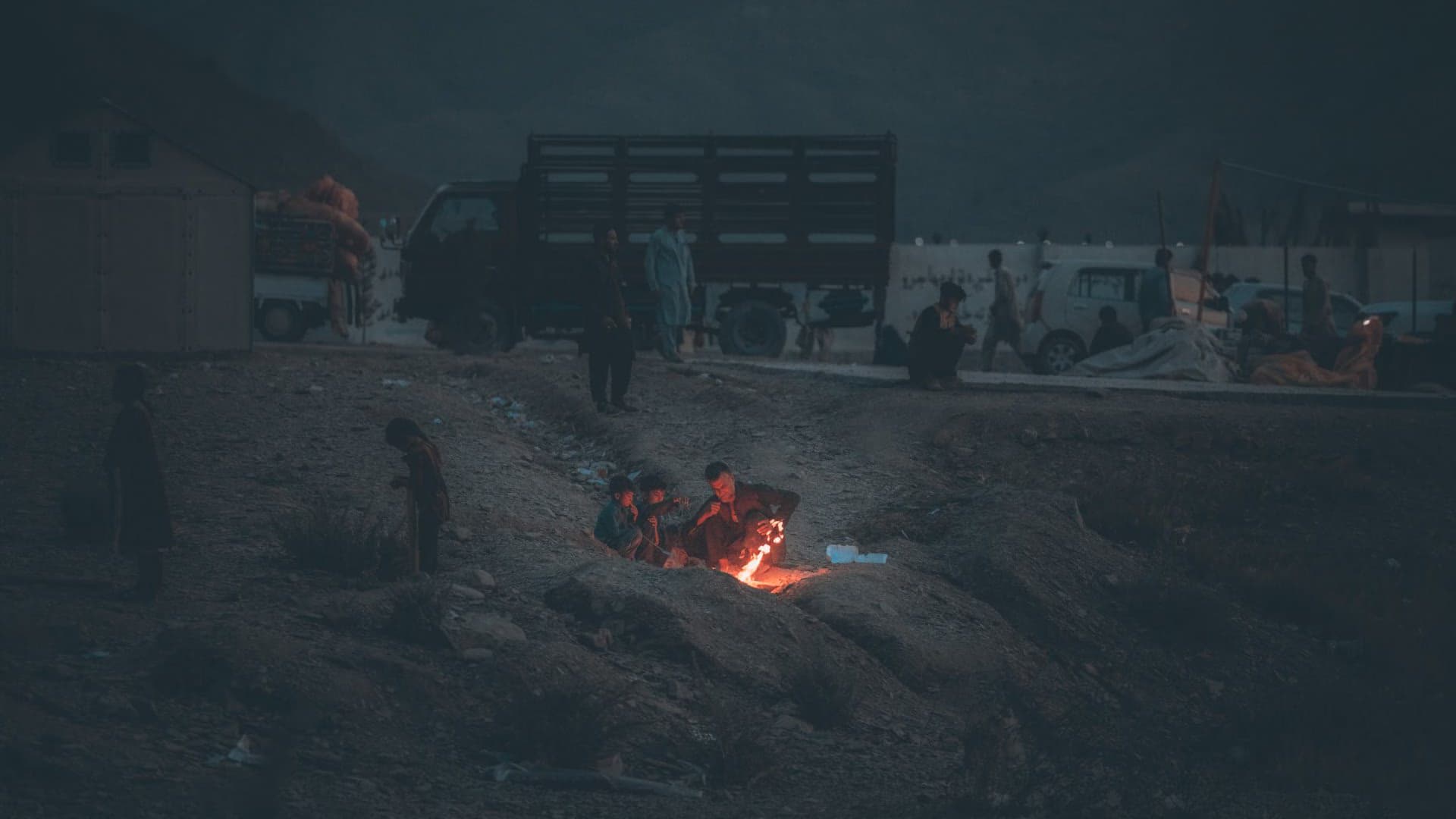
UNHCR believes that these campaigns, expulsion threats and deteriorating living conditions are driving more refugees to undertake dangerous sea journeys, as rescues and arrivals in Greece and Italy increase. Those who remain in Libya face growing difficulty accessing basic services, while large-scale evictions are forcing many families to live in unstable conditions.
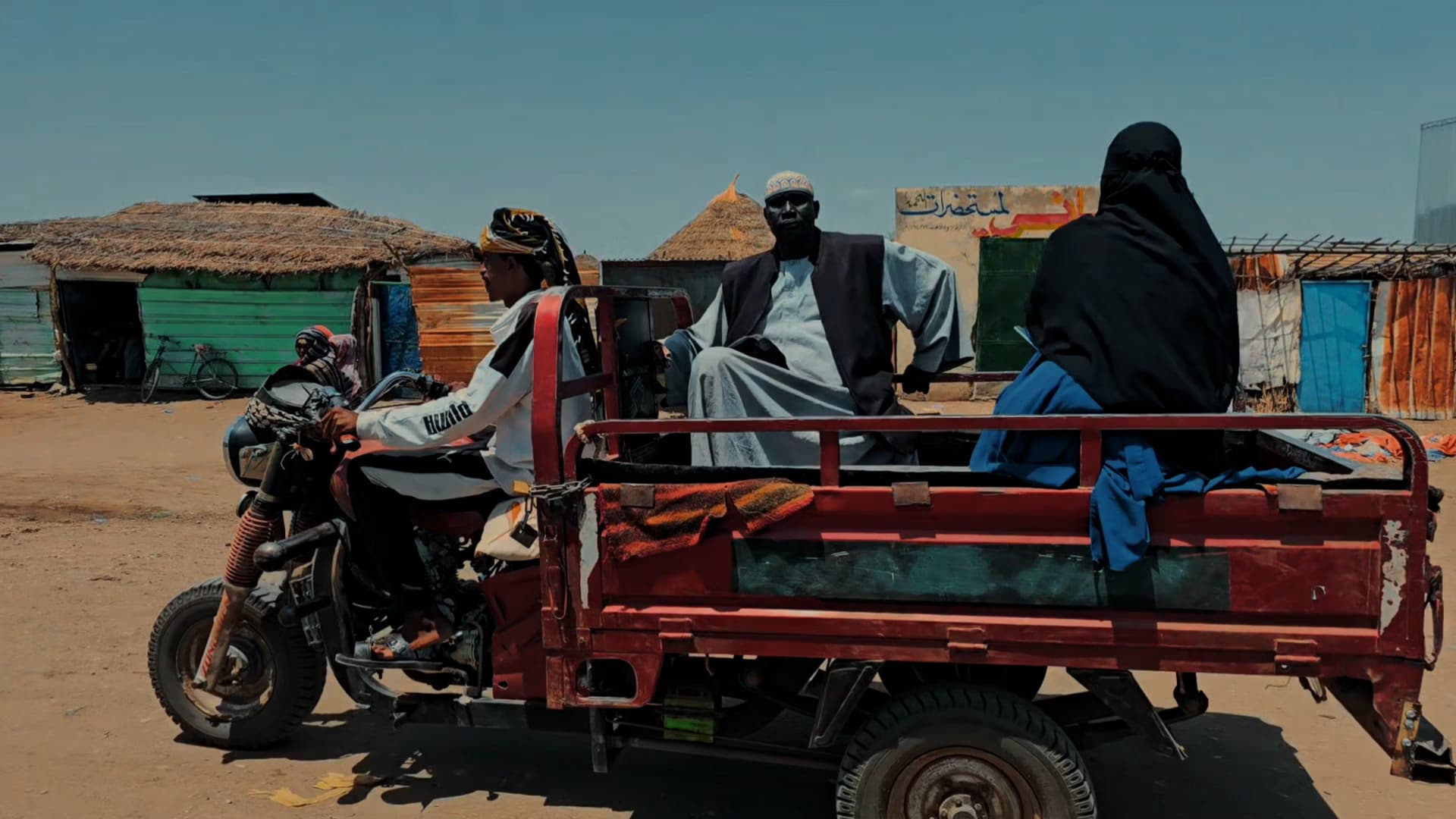
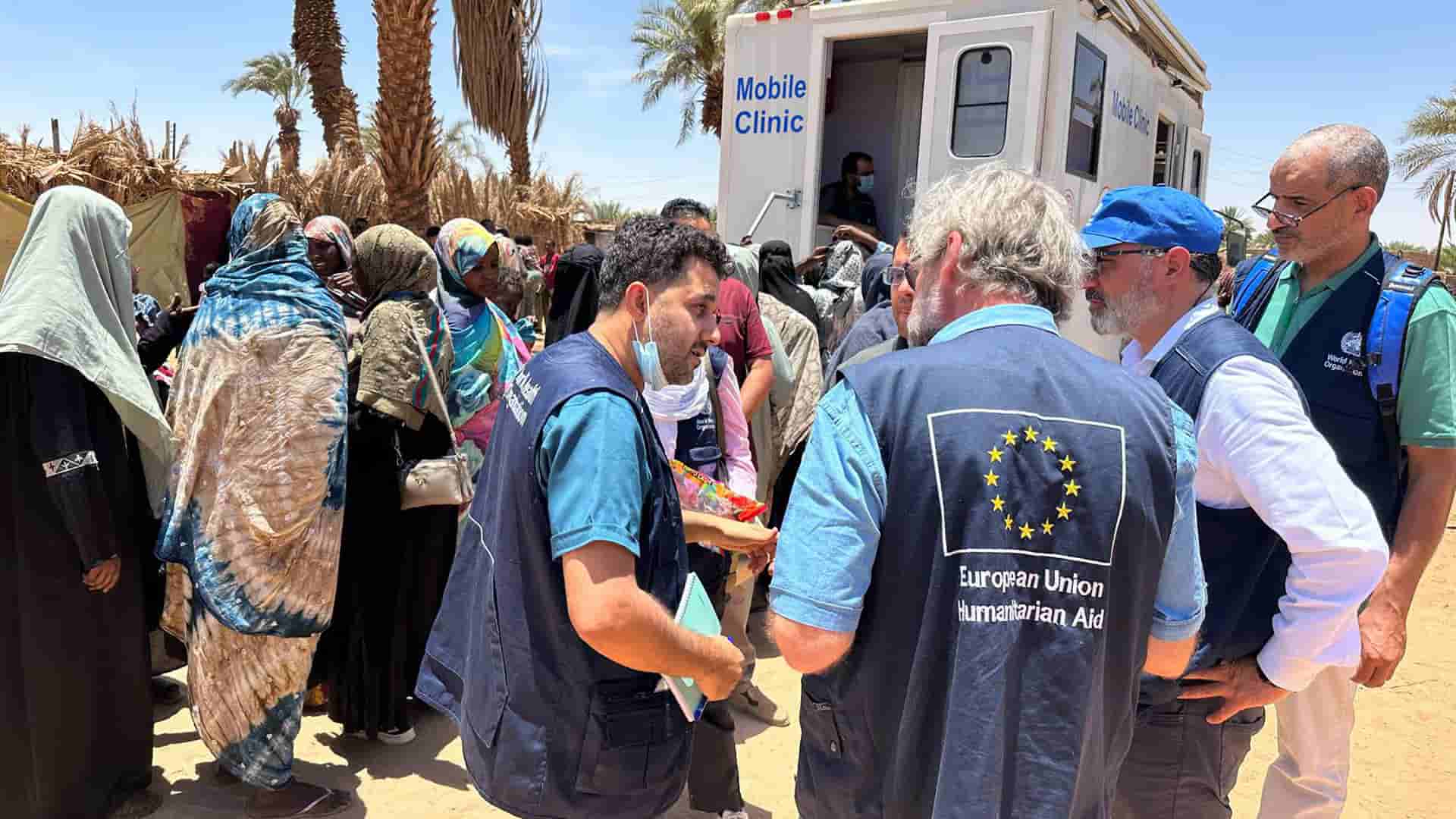
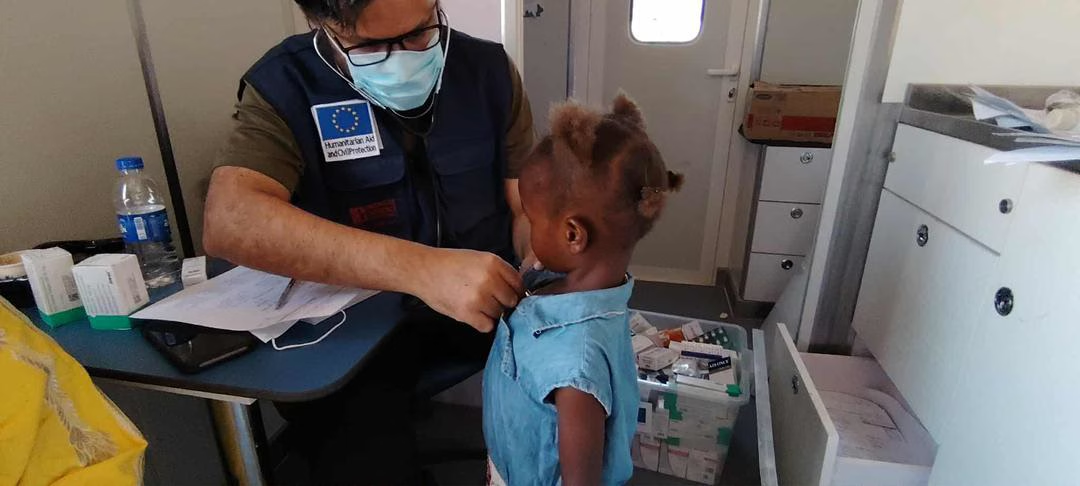
The city of Kufra, near the borders with Sudan and Chad, is one of the main entry points for Sudanese arriving in Libya. Medical teams supported by the European Union and the World Health Organization operate there to provide care for refugees and the host community.
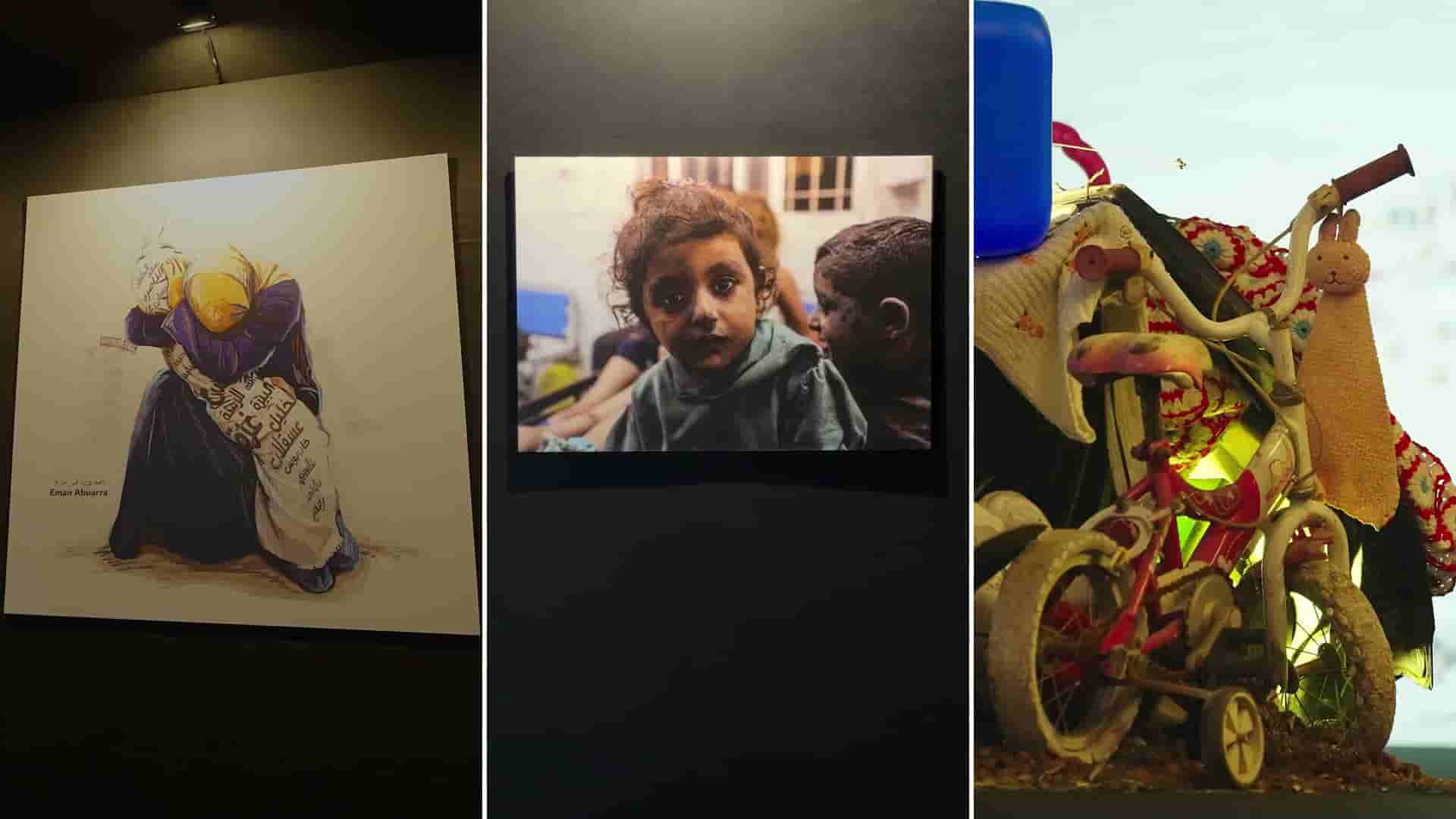
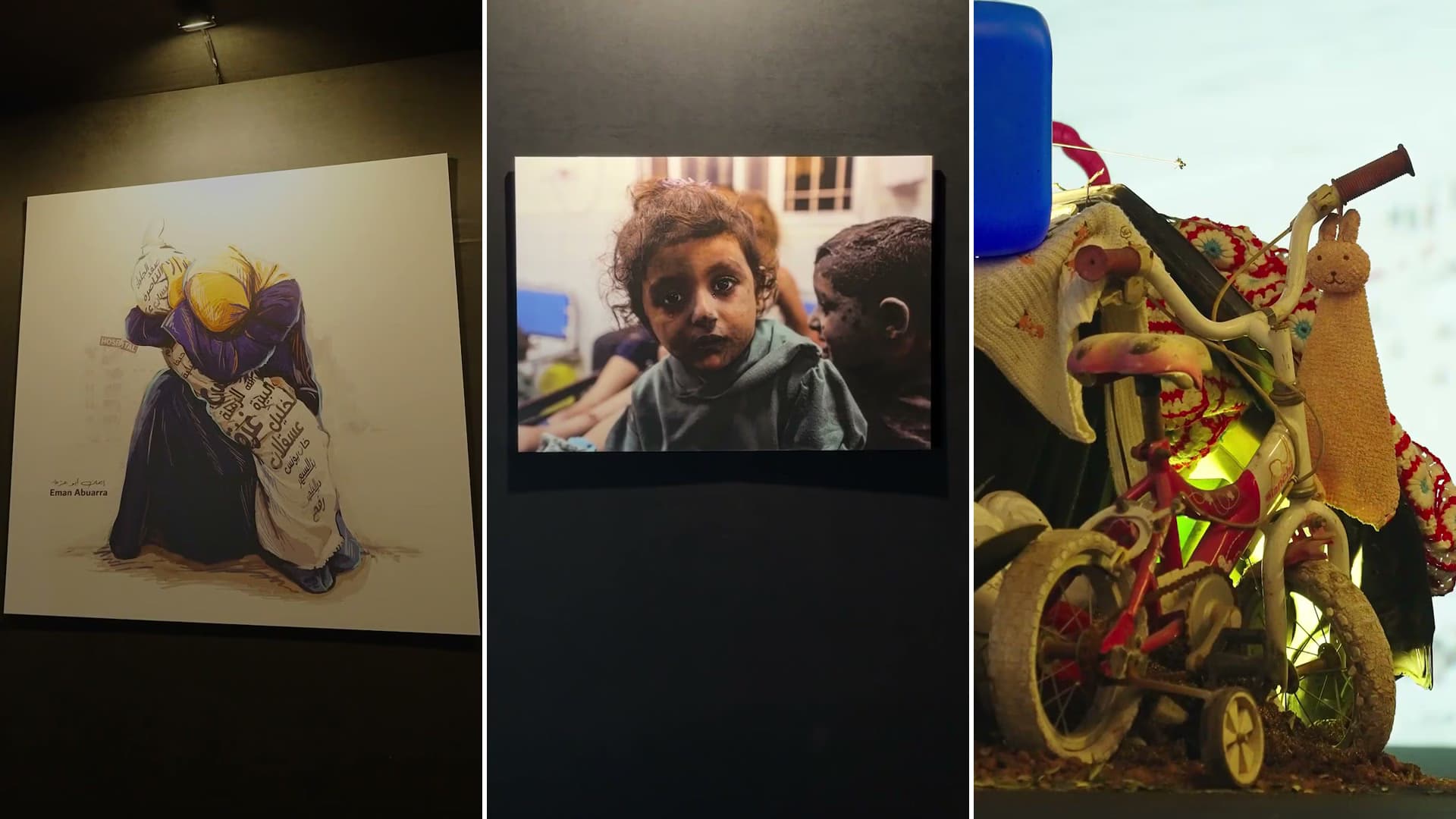
Photos: World Health Organization, International Medical Corps (IMC), PUI, via the European Commission's humanitarian operations (2025)
Stay Updated with Hilal Times
Subscribe to be informed about special news, developments and announcements. We will keep you informed.
By signing up, you agree to our Privacy Policy