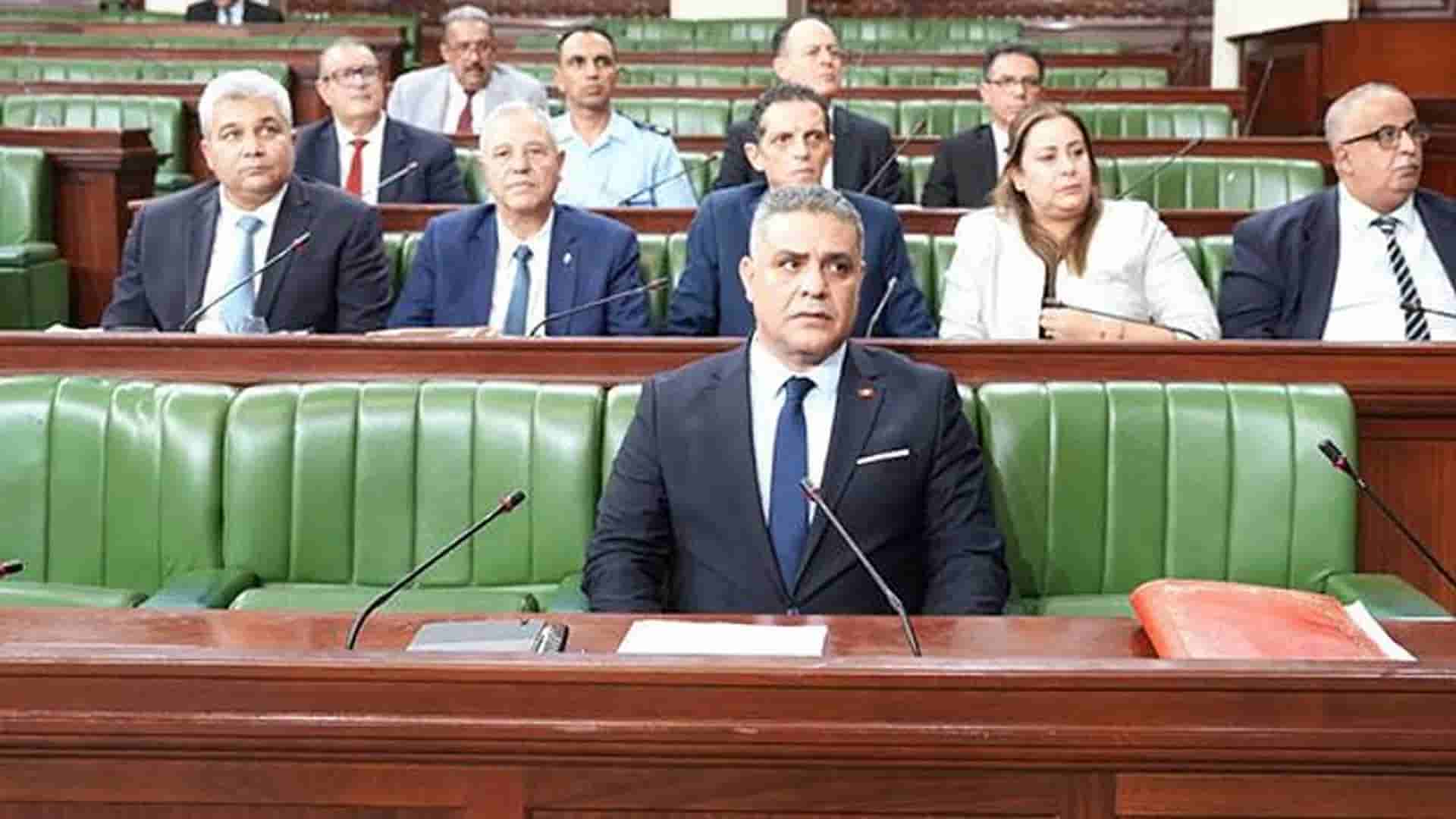
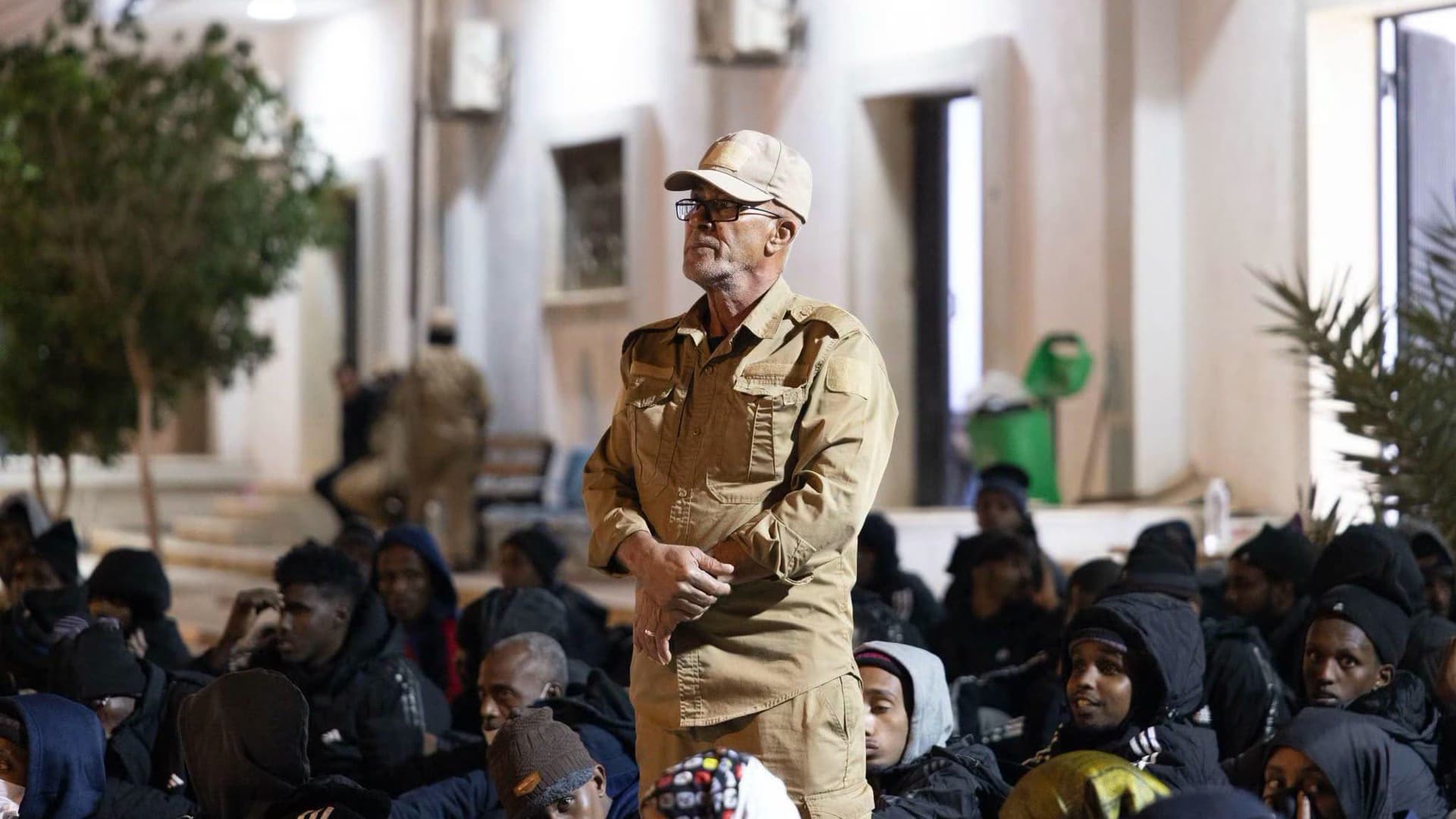
Tunisian Interior Minister Khaled Nouri announced that the authorities had deported 10,254 irregular migrants to their countries of origin between January 1 and October 31, 2026, adding that the number is expected to rise in the coming period.
Nouri made the remarks early Friday while responding to lawmakers’ questions during a joint plenary session of the Assembly of the Representatives of the People and the National Council of Regions and Districts, held to discuss the Interior Ministry’s 2027 budget, according to Tunisia’s Al-Masdar website and Sky News Arabia.
Coordination with defense, foreign affairs and the Red Crescent
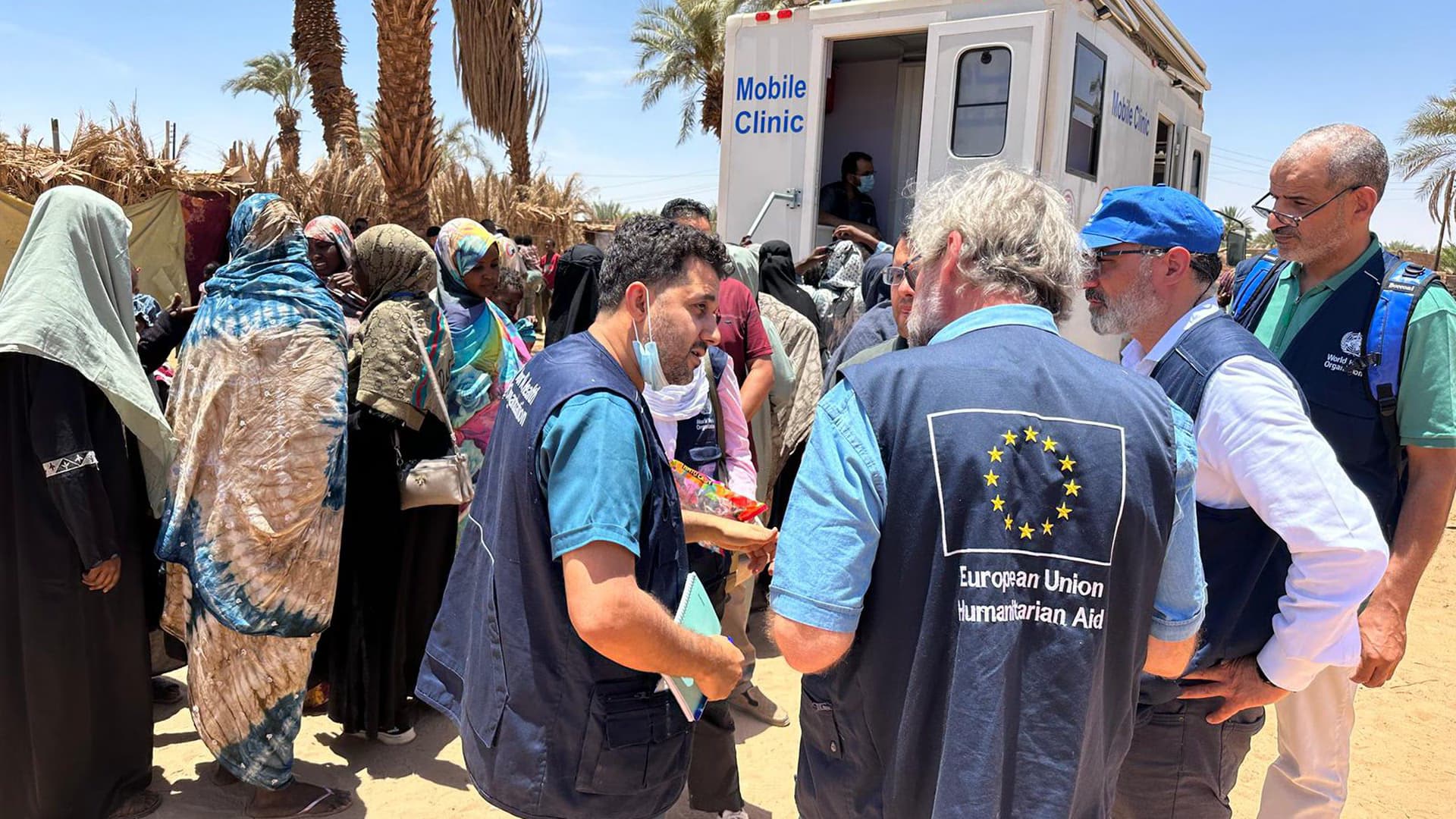
The minister said his ministry follows a participatory approach with the ministries of National Defense and Foreign Affairs, Migration and Tunisians Abroad, as well as international and national organizations, foremost among them the Tunisian Red Crescent, to increase voluntary return flights for migrants to their countries.
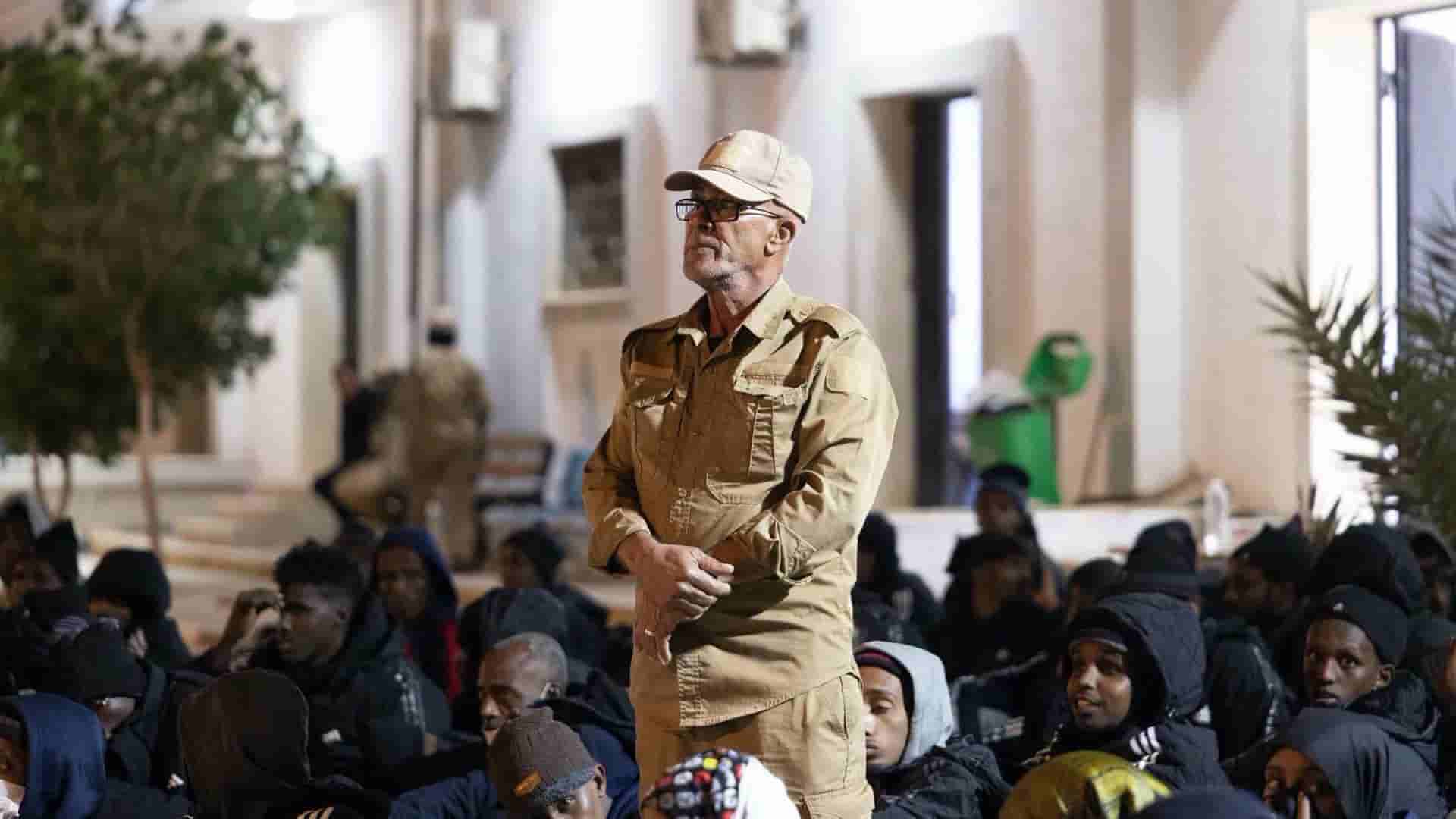
He added that security units continue to monitor the movements of migrants residing in the country and enforce the law against any breach of public order, while tightening controls along the land and maritime borders, combating infiltration operations, dismantling human-trafficking networks and referring those involved to the courts. Nouri did not clarify whether the figure includes those who left under the voluntary return program, according to Sky News Arabia.
More than 6,000 voluntary returns this year
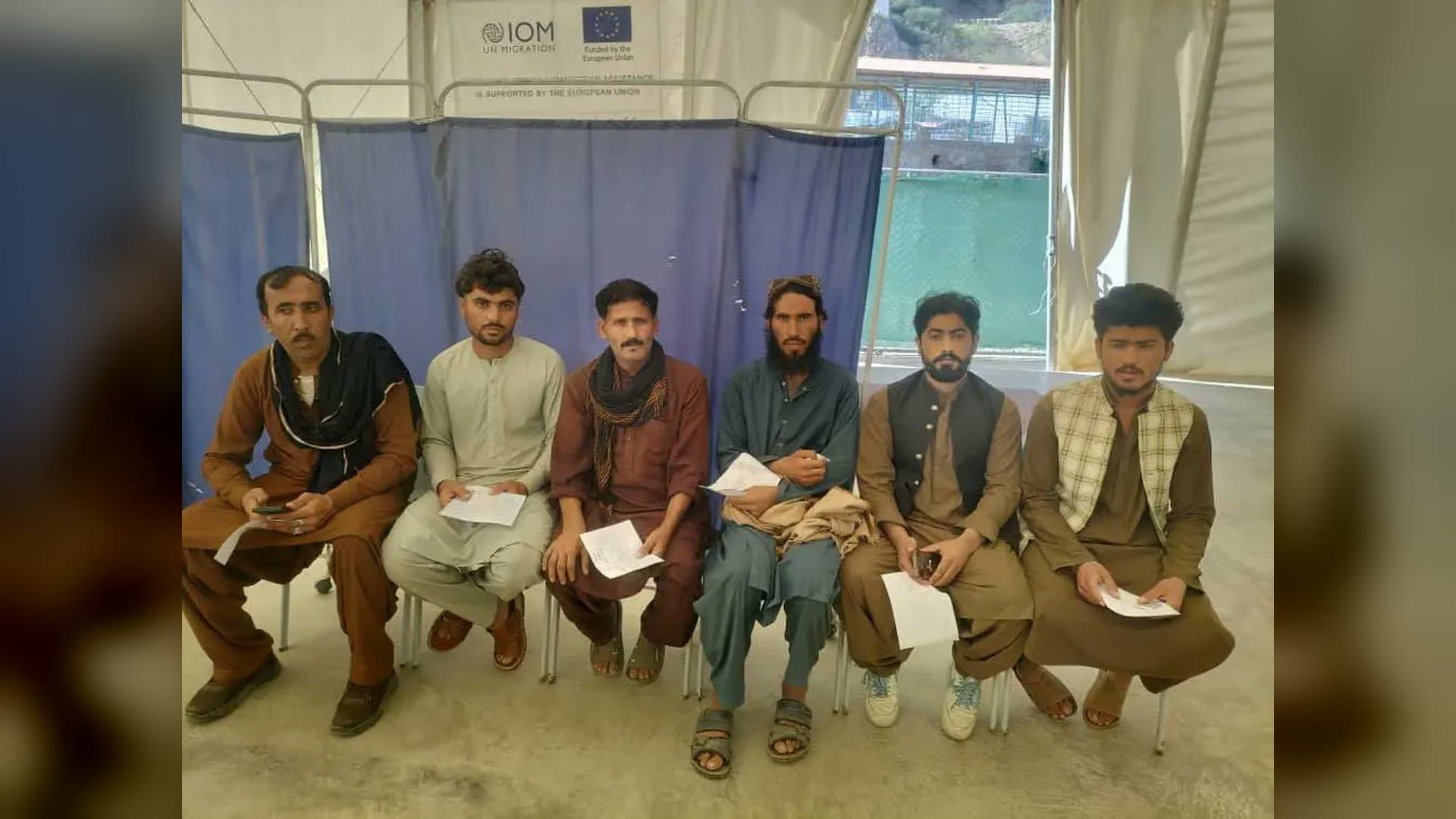
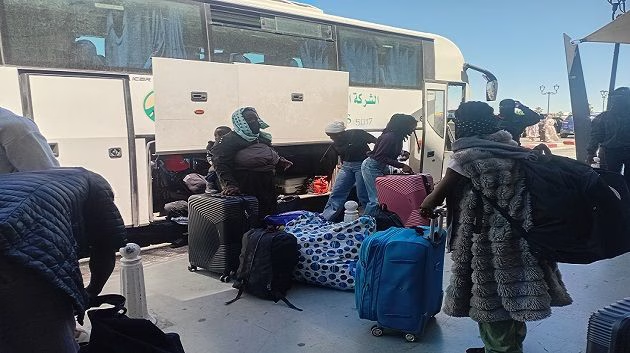
Tunisia’s Ministry of Foreign Affairs had announced that 6,034 irregular migrants had voluntarily returned to their countries since the beginning of 2026 through the Assisted Voluntary Return and Reintegration program, implemented in cooperation with the International Organization for Migration. The number of people who have benefited from the program since its launch in 2022 has therefore reached about 26,308, most of them from sub-Saharan African countries. This figure does not include those who returned on regular commercial flights outside the program.
The figures were announced during a meeting between Foreign Minister Mohamed Ali Nafti and Mariz Habib, the new head of the International Organization for Migration mission in Tunisia, on November 11. The two sides discussed accelerating return operations and strengthening social and economic reintegration programs in countries of origin. Nafti reiterated his country’s rejection of becoming a settlement or permanent transit destination for migrants, calling for greater international responsibility-sharing and action to address the root causes of irregular migration.
The distance between Tunisia’s shores and the Italian island of Lampedusa is no more than about 145 kilometers, making Tunisia for years one of the main departure points on the central Mediterranean route to Europe.
Photos: Al-Shorouk, Al-Masdar (Tunisia)