- BIST10011,024+0.56%
- USD49.97+0.22%
- EUR56.00+0.32%
- GOLD3,964.30+0.61%
- INTEREST36.00%-1.00
- BITCOIN76,926-0.53%
- November 4, 202616°
- BIST10011,024+0.56%
- USD49.97+0.22%
- EUR56.00+0.32%
- GOLD3,964.30+0.61%
- INTEREST36.00%-1.00
- BITCOIN76,926-0.53%
- November 4, 202616°
Ahead of Nov. 29 election, Spain’s transport minister resigns after 69 die
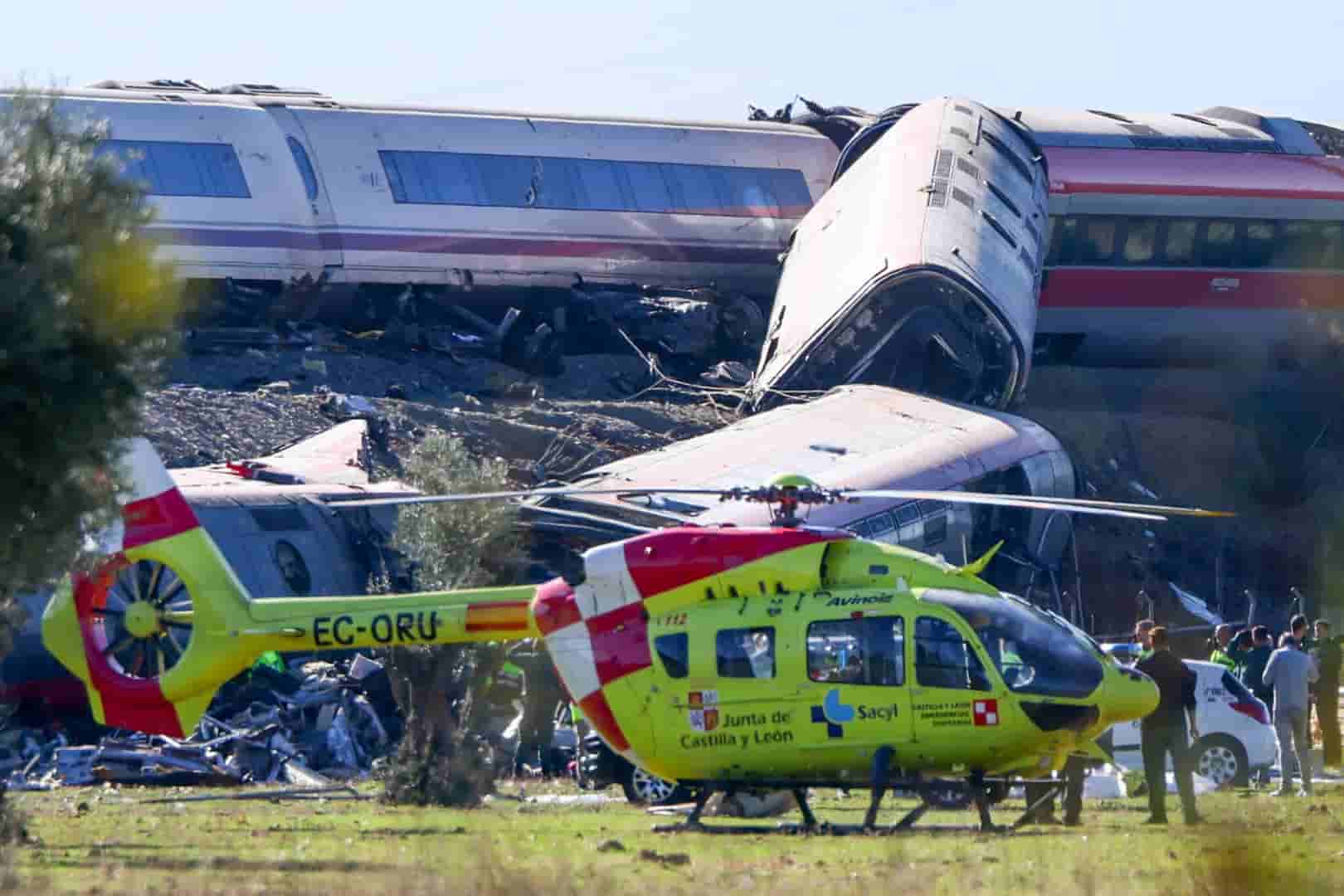
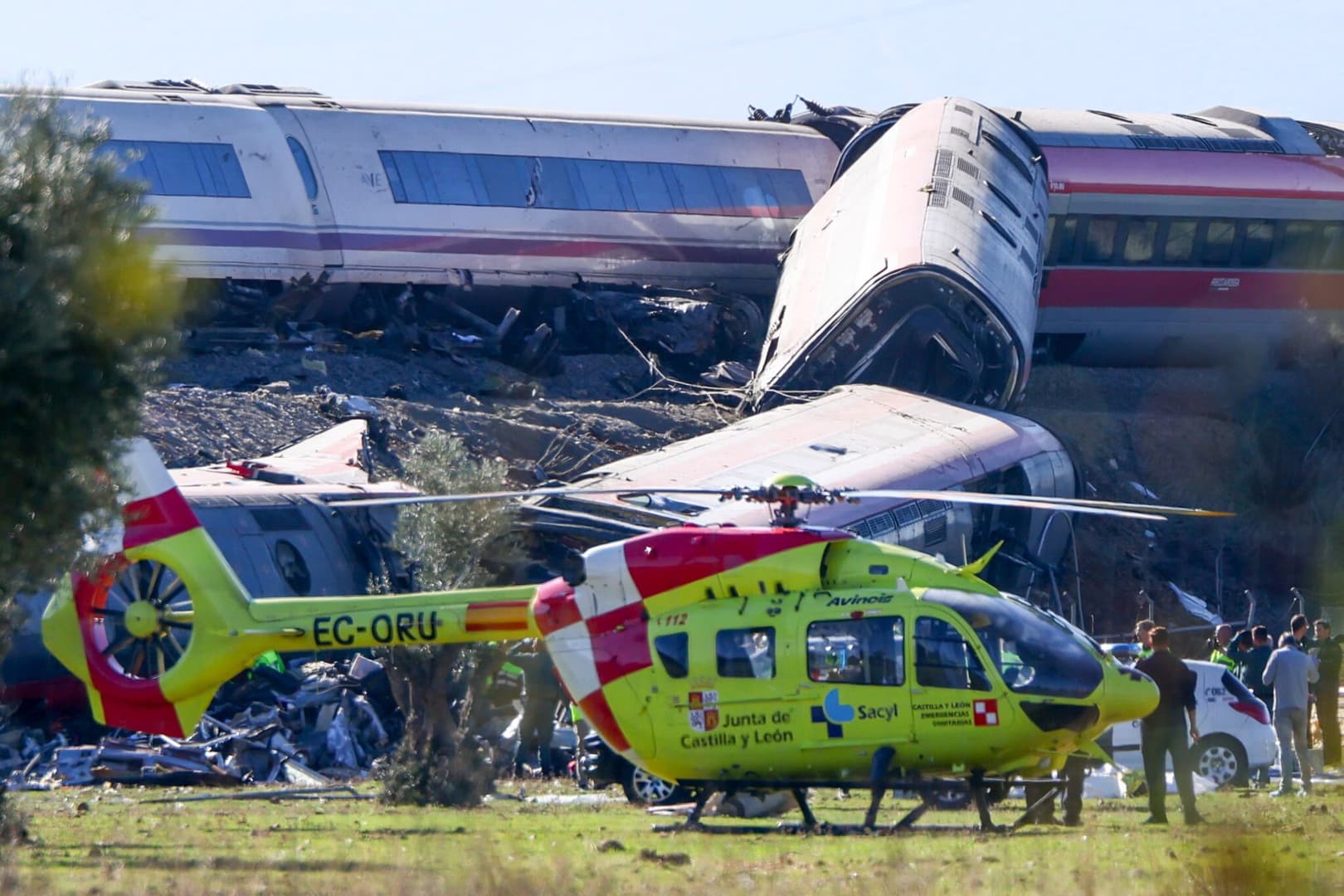
Spanish Transport Minister Óscar Puente announced his resignation before Parliament, days after two high-speed trains collided near Urda in Toledo province, killing 69 people. He said no minister could remain in office after two deadly disasters in nine months.
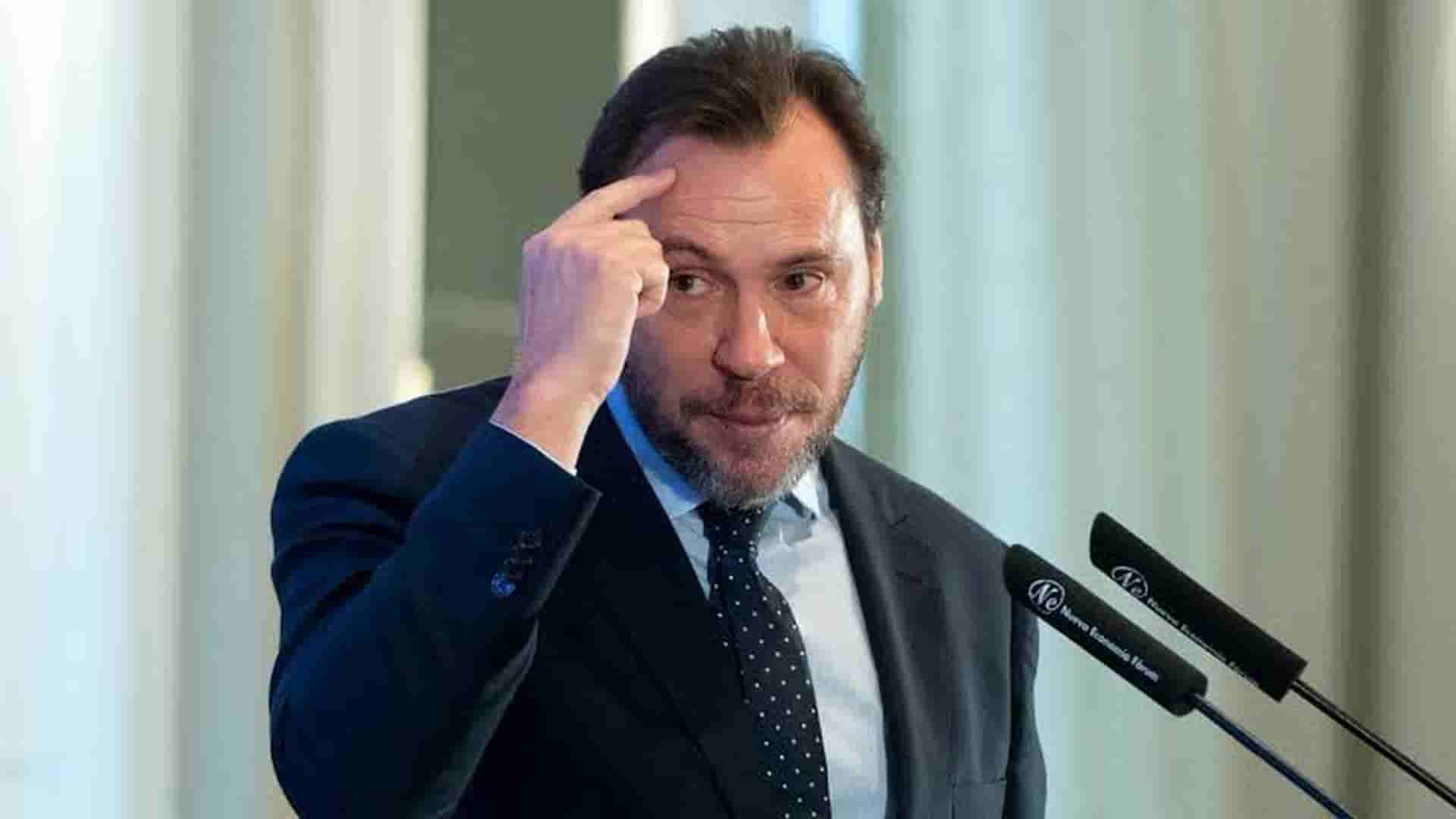
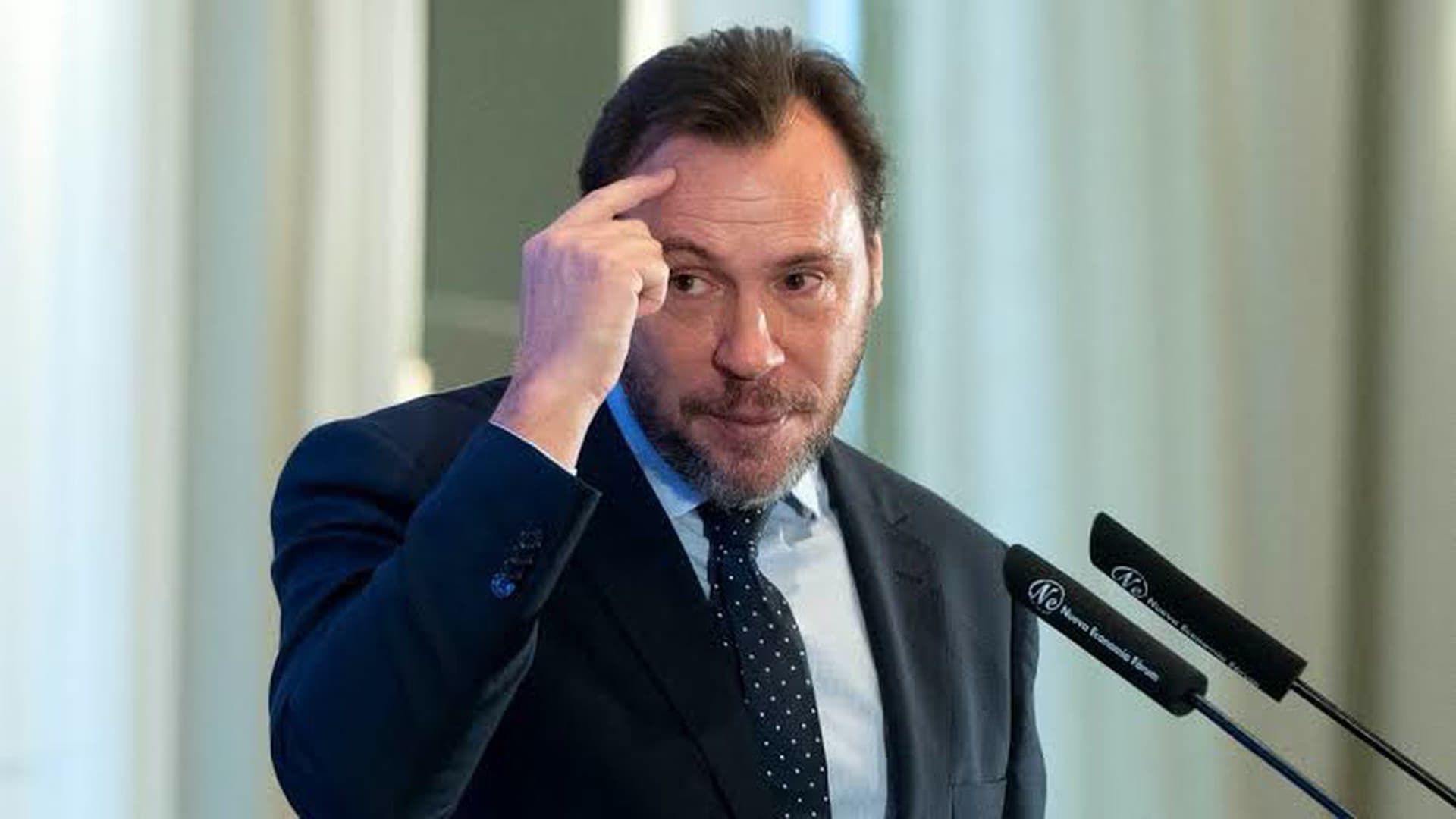
Spanish Transport Minister Óscar Puente announced his resignation on Tuesday, six days after two high-speed trains collided near Urda in Toledo province in central Spain on Oct. 28, killing 69 people. He made the announcement at the end of his appearance before the standing committee of the Congress of Deputies, minutes after informing Prime Minister Pedro Sánchez of his decision.
Puente said he made the decision “in the first minutes after the tragedy,” describing his resignation as “a matter of political dignity, consistency and empathy with the victims.” He noted that the country had suffered two deadly disasters in less than a year: the first near Adamuz in January and the second in Urda. He also announced that he would not run on the Socialist Party’s lists in the general election scheduled for Nov. 29.
Signal failure and a decision by the control center
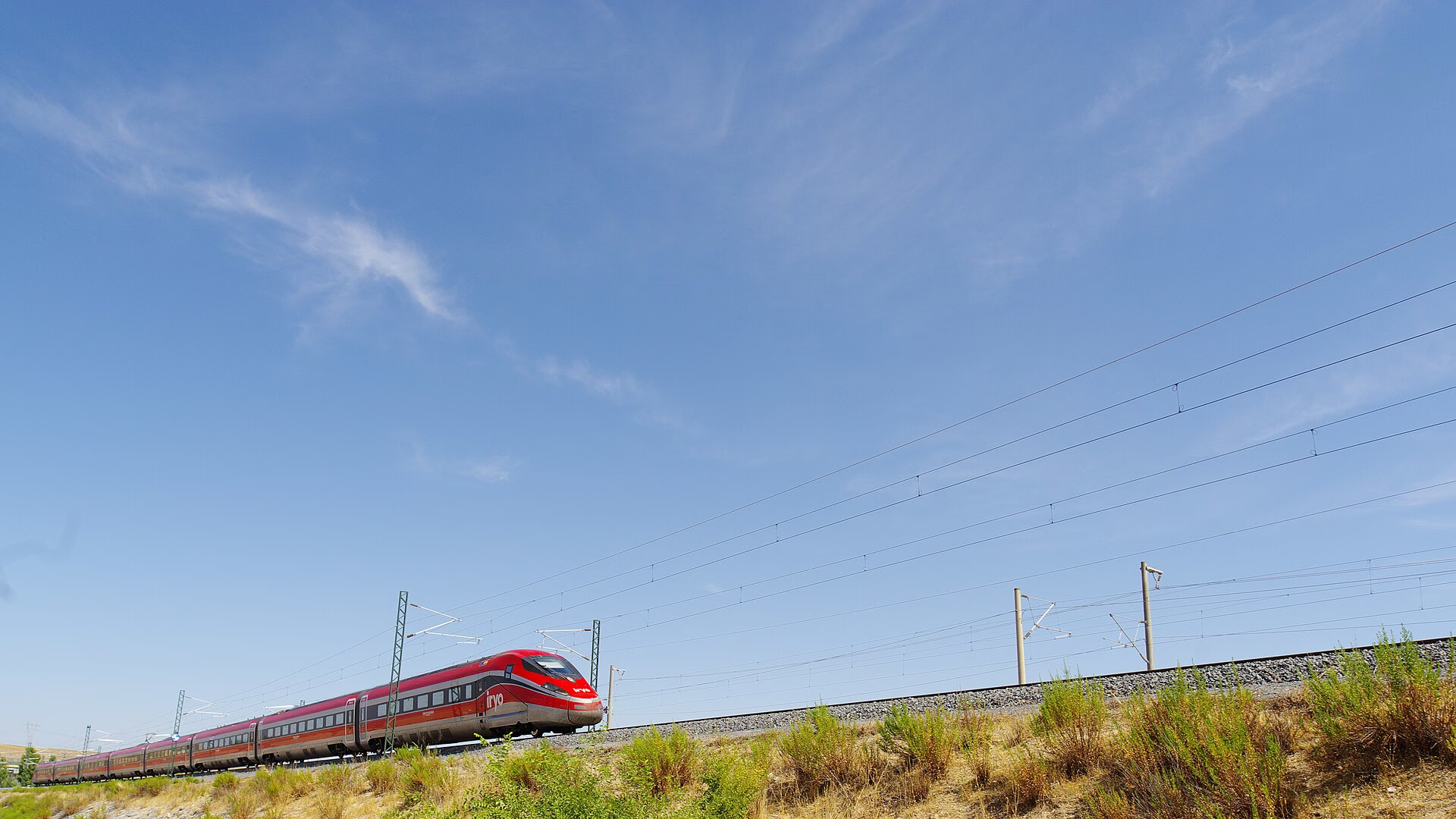
The minister explained to lawmakers the sequence of errors that preceded the disaster, saying the LZB signaling system on the line failed because of a communication fault between three computers. A train operated by the private company Iryo that was stopped on the track was informed that it could not resume service, but “the center received the message and took no action.” At 8:36 a.m., the control center allowed an AVE train operated by the state-owned company Renfe to continue at normal speed, and it collided with the rear of the stopped train.
Puente pledged full cooperation with the ongoing judicial investigation, which is being conducted confidentially, while Adif, Renfe and Iryo prepare a separate technical report.
Opposition: Resignation came too late
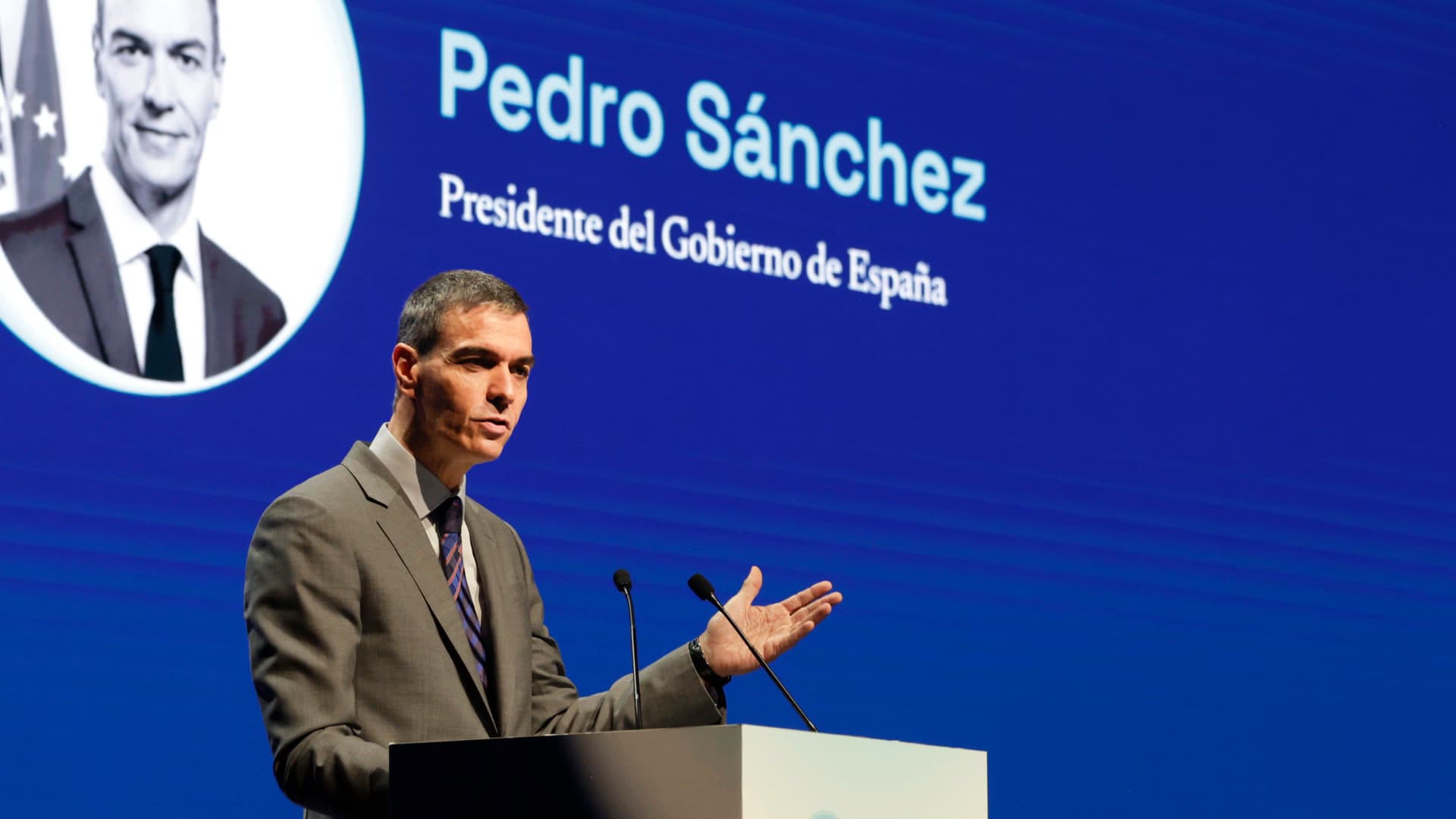
The resignation did not ease opposition criticism. Popular Party spokesperson Ester Muñoz said it came “116 victims too late,” referring to the victims of the two accidents, while Sumar, the governing coalition partner, and the Basque Nationalist Party had called on the minister to step down. Sánchez described the resignation as an act of dignity.
Photos: social media, Wikimedia Commons (archive)
Stay Updated with Hilal Times
Subscribe to be informed about special news, developments and announcements. We will keep you informed.
By signing up, you agree to our Privacy Policy