- BIST10011,321-2.21%
- USD49.60+0.05%
- EUR55.68+0.11%
- GOLD4,078.40-1.73%
- INTEREST37.00%-1.00
- BITCOIN81,425-3.09%
- October 22, 202622°
- BIST10011,321-2.21%
- USD49.60+0.05%
- EUR55.68+0.11%
- GOLD4,078.40-1.73%
- INTEREST37.00%-1.00
- BITCOIN81,425-3.09%
- October 22, 202622°
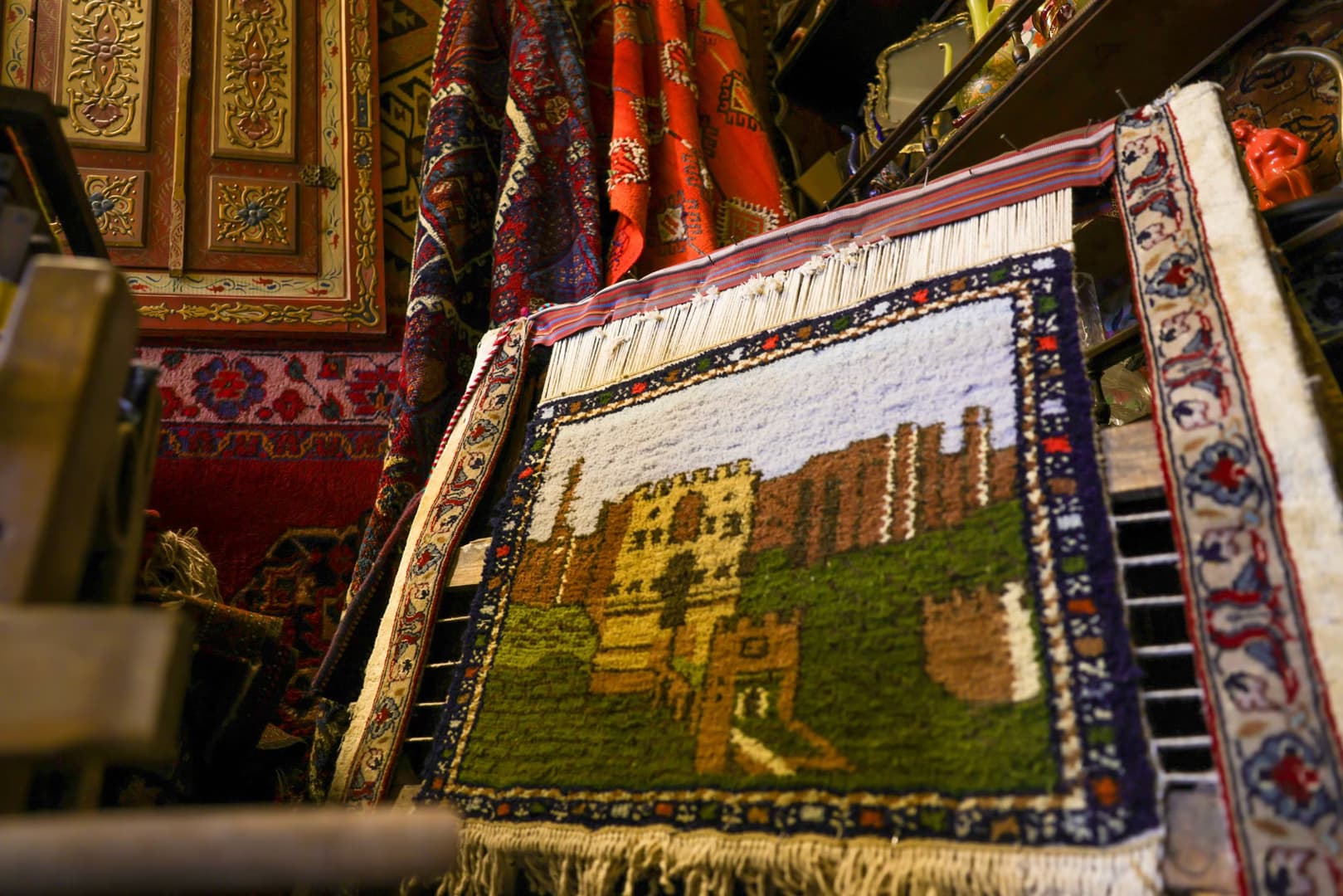
Aleppo Citadel reopens to tourism after restoration heals war wounds
The historic Aleppo Citadel in the Syrian city of Aleppo has begun welcoming visitors after extensive restoration and landscaping. Officials announced that the citadel's interiors have been repaired and a multilingual information system with QR codes is in the trial phase.


One of Syria's most important historical landmarks, the Aleppo Citadel, has reopened its doors to tourism after completing a comprehensive restoration process following years of neglect and damage. Extensive work was carried out at the citadel, an important cultural heritage site of the Islamic world, from its interiors to landscaping.
As part of the restoration, key structures inside the citadel such as the Nur al-Din al-Zanki Mosque, the Royal Bath, and the Throne Hall were repaired. Electricity and water networks were also renewed, improving visitor services.
Aleppo Citadel Director Muhammed Nur Habbaq stated that quick response (QR) codes have been placed at every historical point to enhance the tourist experience. Habbaq said that with this system, visitors can view the site's historical map and access multilingual information. He noted that the system currently serves in Arabic, English, and Turkish, and is planned to be expanded to six languages after official approval.
Muhammed Yaser, an official from the Aleppo Provincial Council's First Bloc, explained that the restoration was not limited to the ramparts. Yaser said that the historic bazaar and squares surrounding the citadel were also renovated, security points were installed in the area, and waste accumulations in the moat were completely cleared. He also provided information that service vehicles such as electric tuk-tuks were introduced to the area.
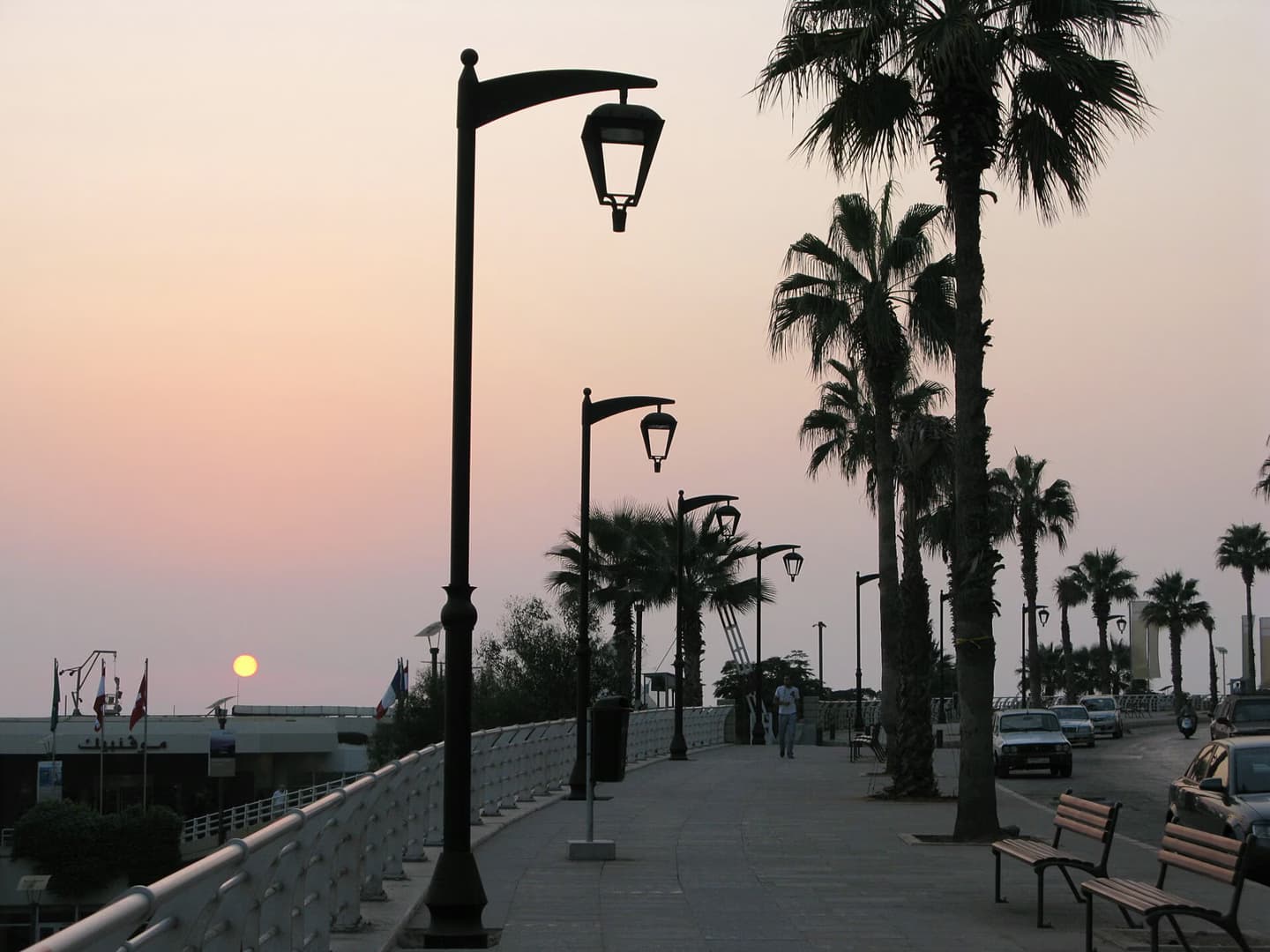
Visitors pleased with the changes in and around the citadel expressed that they particularly liked the seating areas and landscaping. One visitor said, 'The citadel and its surroundings have changed a lot, it's especially enjoyable to spend time here,' while another praised the newly planted palm trees.
These works are being carried out as part of the 'Yeniden Şehba' (Rebuilding Shahba) project launched by the Aleppo Governorate in July 2025. The project includes the repair of the mosque, restoration of the theater, afforestation, and lighting works.
Stay Updated with Hilal Times
Subscribe to be informed about special news, developments and announcements. We will keep you informed.
By signing up, you agree to our Privacy Policy