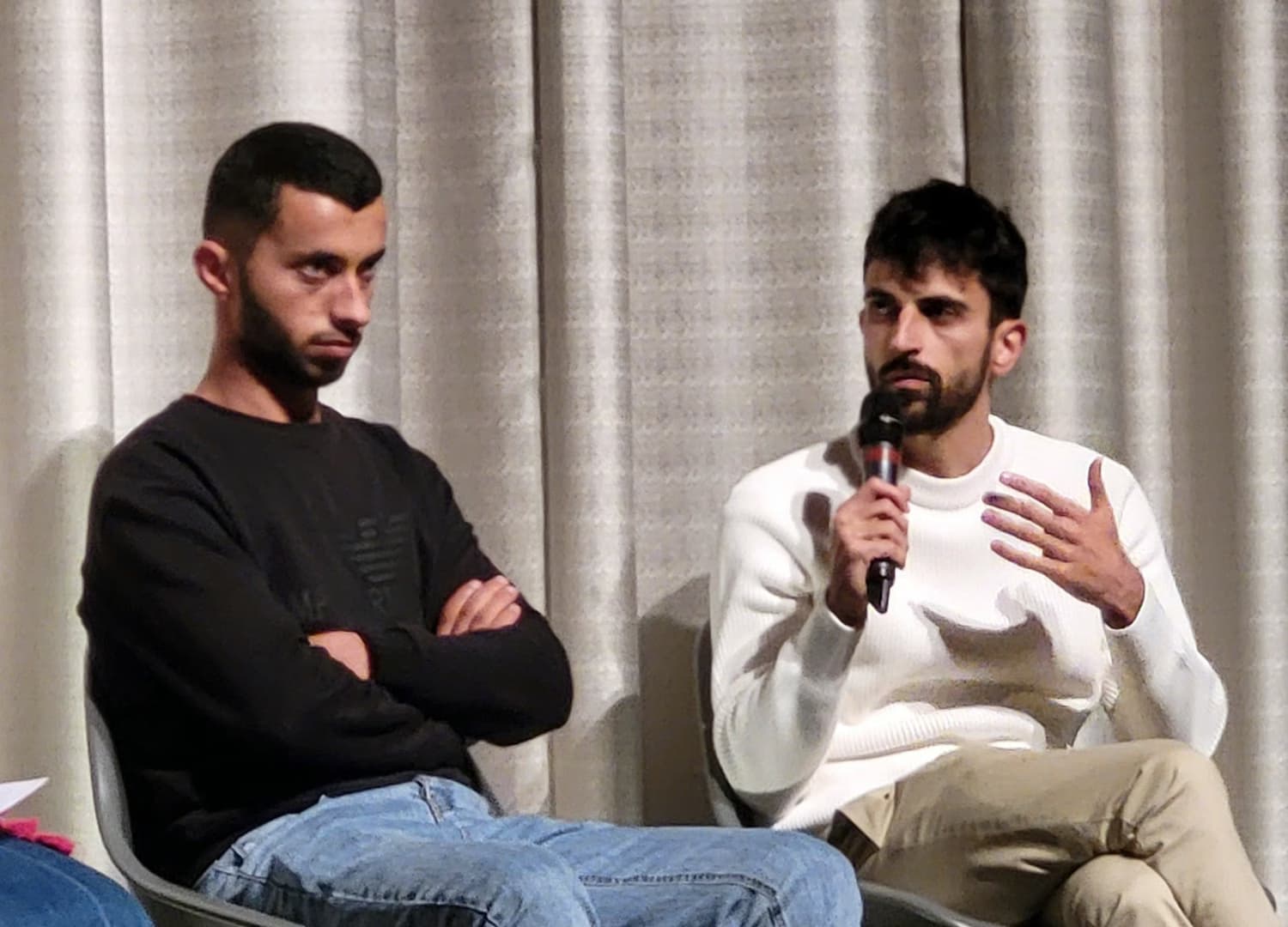
The Jerusalem Memory archive, which brings together photographs of Palestine and Jerusalem’s past, is the product of years of research by historian and architect Mohammed Hashem Ghousheh. The collection includes visual documents of architectural, social and political transformations spanning from the late 19th century to the present.
The archive traces different periods through photographs, from the Ottoman era and the British Mandate to Jordanian rule, the Palestinian resistance and the social changes that followed. The images selected by Ghousheh during his research and documentation work are made available to researchers and history enthusiasts.
Jerusalem’s visual history in five volumes
The five-volume Jerusalem Memory collection pairs selected photographs with historical information. The content, translated from original Arabic texts into different languages, aims to bring visual testimonies about Jerusalem to wider audiences and preserve them for future generations.
Ghousheh received the King Faisal Prize in 2020 for his work on the history, culture and heritage of Jerusalem and Palestine. Ghousheh says historians’ responsibility is not limited to recording what happened in the past, but also includes preserving heritage and civilization and passing them on to future generations.
His family’s departure from Jerusalem shaped the archive
Ghousheh’s archival work is connected not only to his personal ties to Jerusalem but also to his family’s experience of forced displacement. His family left Jerusalem in 1954, following the Nakba of 1948, and settled in Kuwait. The occupation of East Jerusalem in 1967 prevented the family from returning to the city.
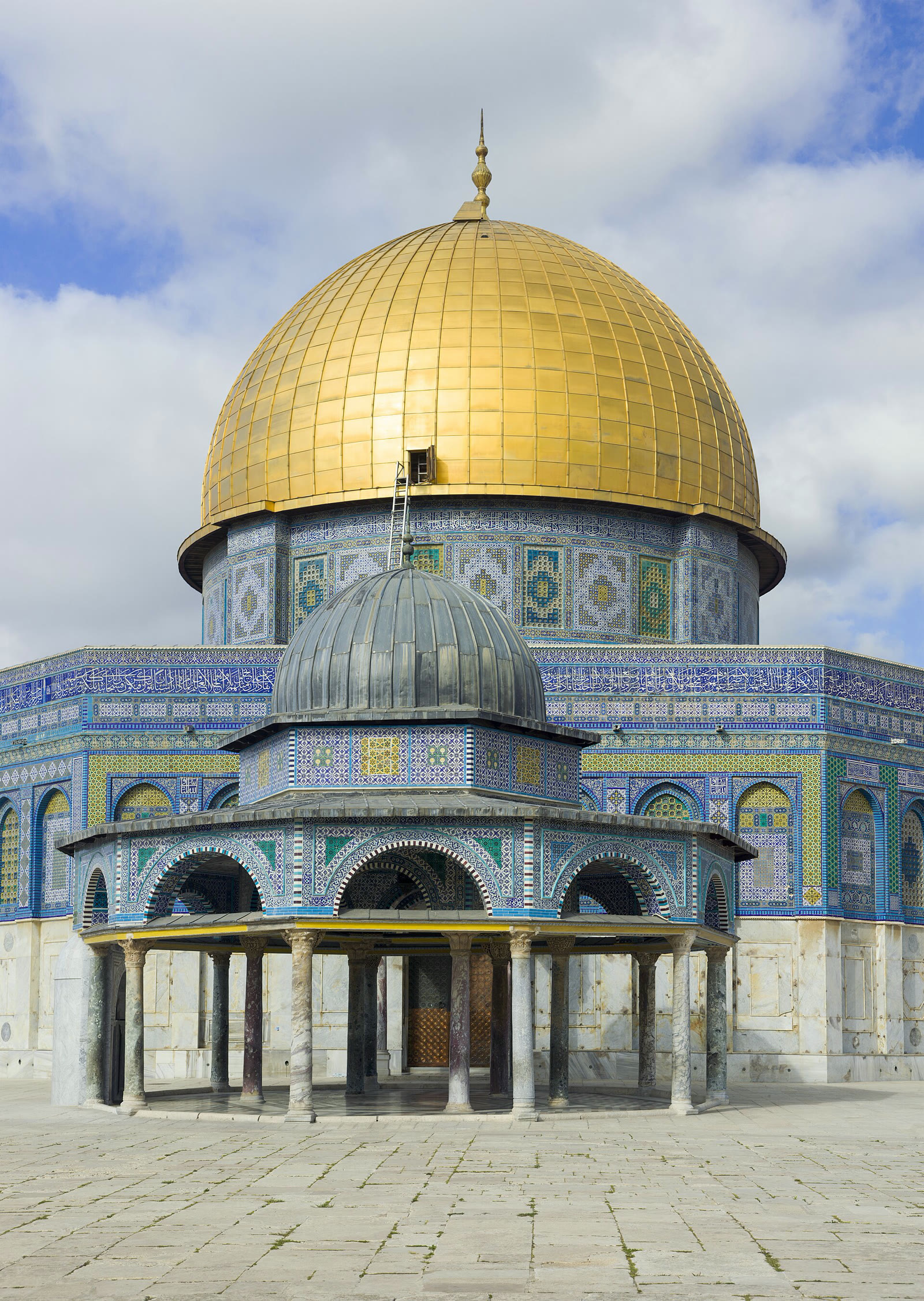
Ghousheh says the years he spent away from Jerusalem were shaped by the pain of being unable to return. After finding an opportunity to return in 1994, he directed his work toward the city’s history and monuments. Drawing on field research and primary sources, he began documenting the historical heritage of Jerusalem and Palestine anew.
Structures in Gaza and Jerusalem documented
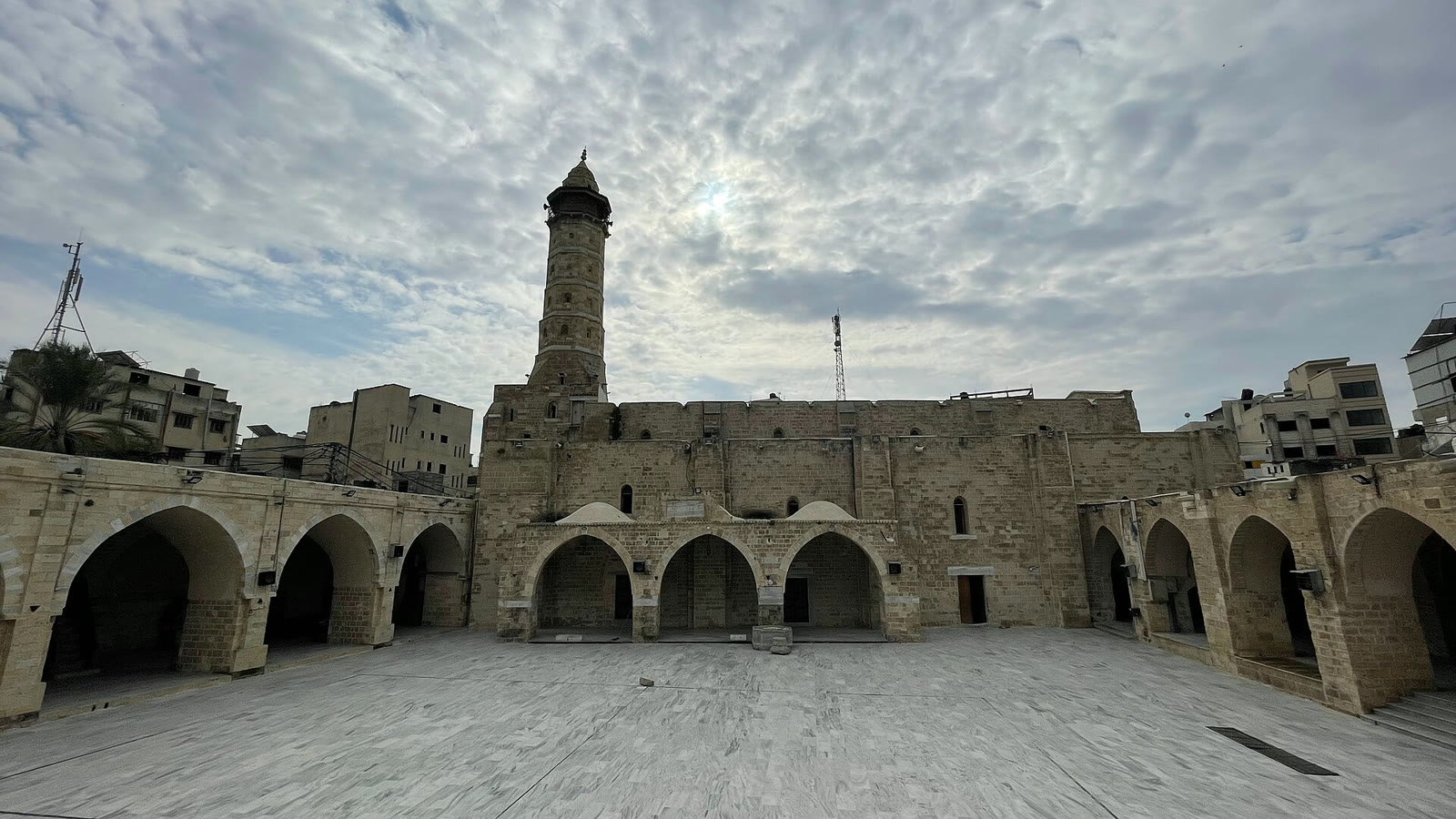
During nearly 30 years of research, Ghousheh documented a significant number of Islamic and Christian historic structures in Palestine, particularly in Gaza and Jerusalem. He prepared drawings of the structures’ facades, sections and architectural plans.
The works he documented include Gaza’s Great Omari Mosque, Sayyid Hashim Mosque and Ibn Marwan Mosque, as well as churches, other mosques, historic mausoleums, schools and khans. Some of these structures were damaged or destroyed during attacks. Ghousheh says the architectural studies he prepared can preserve the historical record of the sites and contribute to future restoration efforts.
Photographs preserve traces of daily life
According to Ghousheh, photographs are among the primary sources that complement written documents in researching Palestinian history and heritage. Images taken by travelers who visited Palestine from the 19th century onward reveal details of daily life, traditions, architectural change and social transformation that do not appear in written records.
For this reason, Ghousheh says photographs should be used alongside other documents in historical research. He says the visual archive makes it possible to trace changes over time in ways of life in Palestine and its architectural heritage.
A three-book project on Gaza
Ghousheh also discusses three books focused on Gaza, titled “Evidence,” “Witness” and “Defendant.” He says these works contain documents on what happened during the war in Gaza and the severe consequences faced by Palestinians.
Emphasizing that Palestinian history should be published in different languages and delivered to universities and research centers, Ghousheh says Palestinians must write and preserve their own stories. The researcher regards passing on the past of Jerusalem and Palestine to future generations as one of his fundamental responsibilities.