- BIST10011,618-0.88%
- USD49.45+0.05%
- EUR55.62+0.37%
- GOLD4,188.80+0.18%
- INTEREST37.00%-1.00
- BITCOIN82,453+0.54%
- October 19, 202617°
- BIST10011,618-0.88%
- USD49.45+0.05%
- EUR55.62+0.37%
- GOLD4,188.80+0.18%
- INTEREST37.00%-1.00
- BITCOIN82,453+0.54%
- October 19, 202617°
Anti-Netanyahu bloc leads poll ahead of Israel election
A poll conducted on October 12 with 509 participants projected that anti-Netanyahu parties would win 67 seats in the election planned for October 27. Gadi Eisenkot led Netanyahu by 10 points in suitability for the premiership, while about 8% of respondents had not yet decided which party to support.
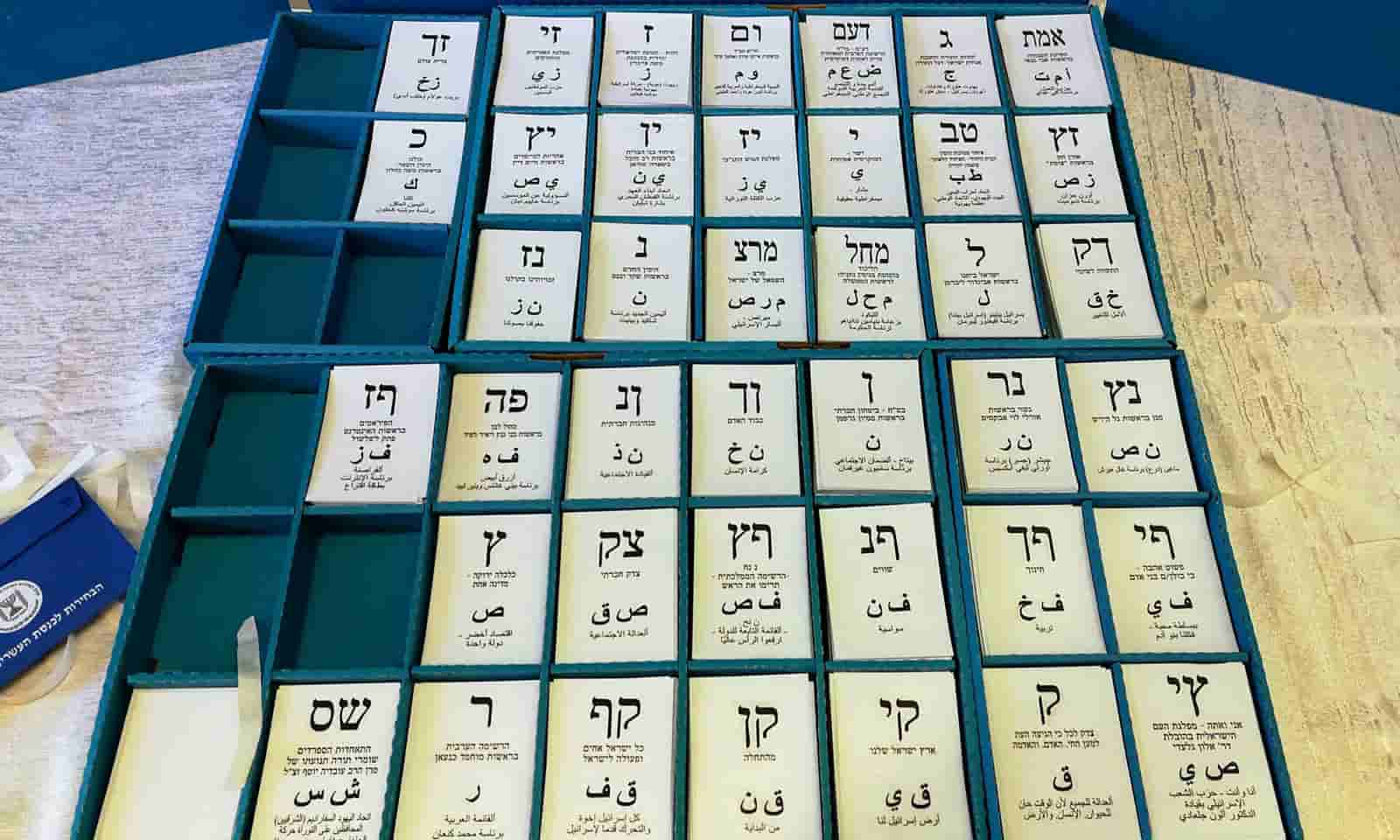
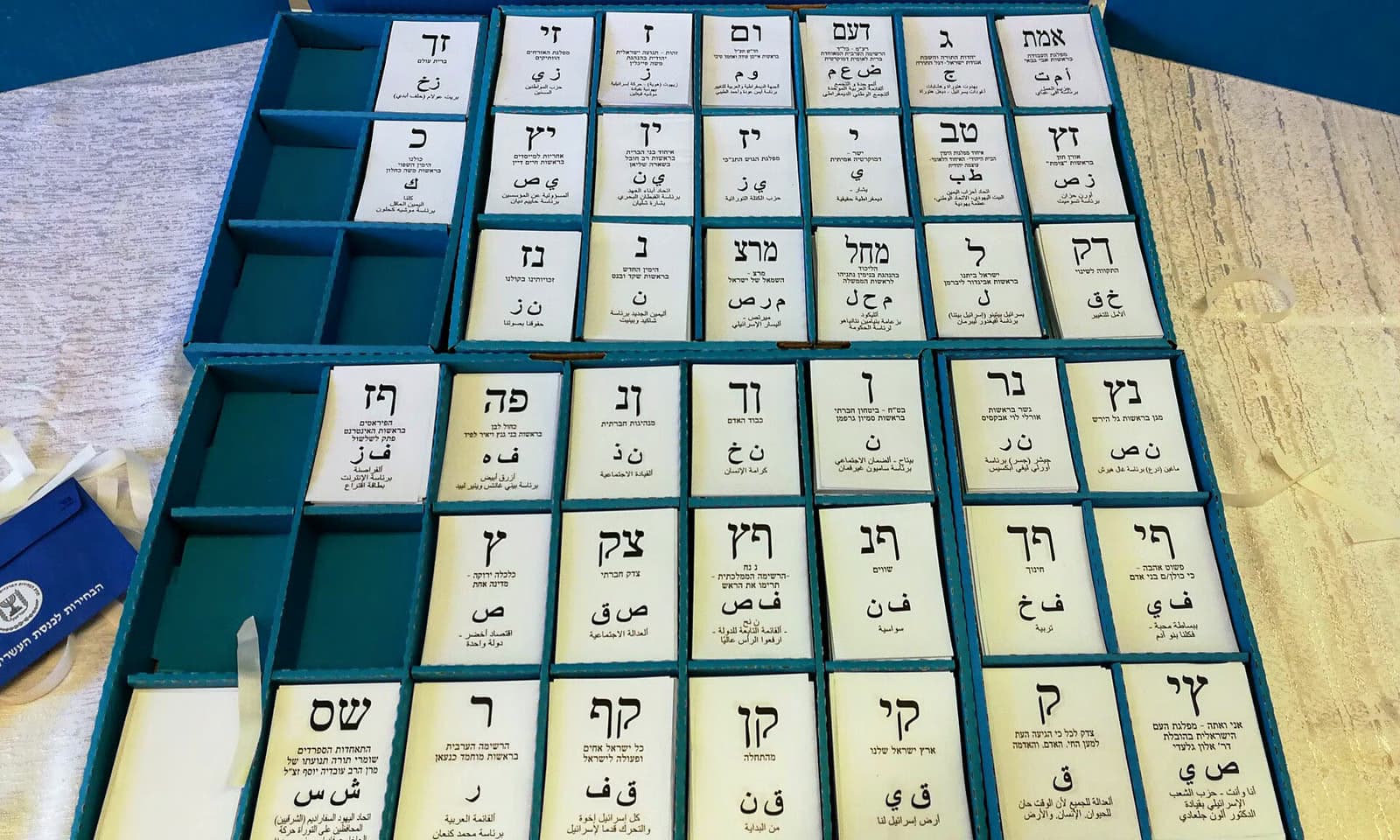
A public opinion poll conducted ahead of the election planned for October 27 in Israel showed that anti-Netanyahu parties could reach the majority needed to form a government in parliament. The poll projected 67 of the 120 seats for these parties and 49 seats for Prime Minister Benjamin Netanyahu's coalition.
At least 61 seats are needed to form a government in the Israeli parliament. Anti-Netanyahu parties therefore hold six more seats than the number required for a majority.
Seat distribution in the poll
Netanyahu-opposed Zionist parties were projected to win 54 seats, while Arab parties were expected to secure 13. The political group described as the "third bloc" was projected to win four seats.
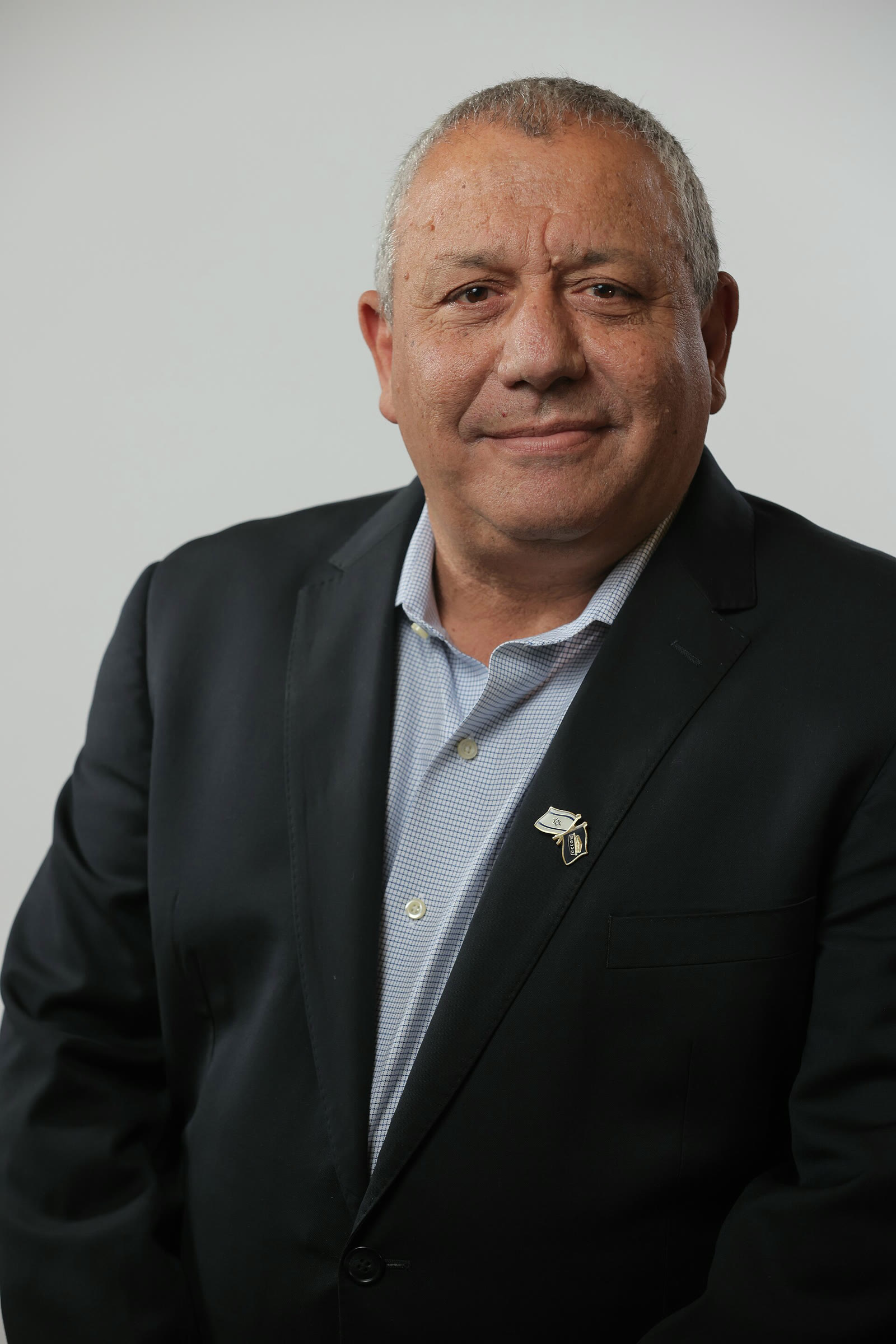
Yashar, led by Gadi Eisenkot, ranked first with 23 seats. Netanyahu's Likud party was projected to win 20 seats, down one from the previous poll.
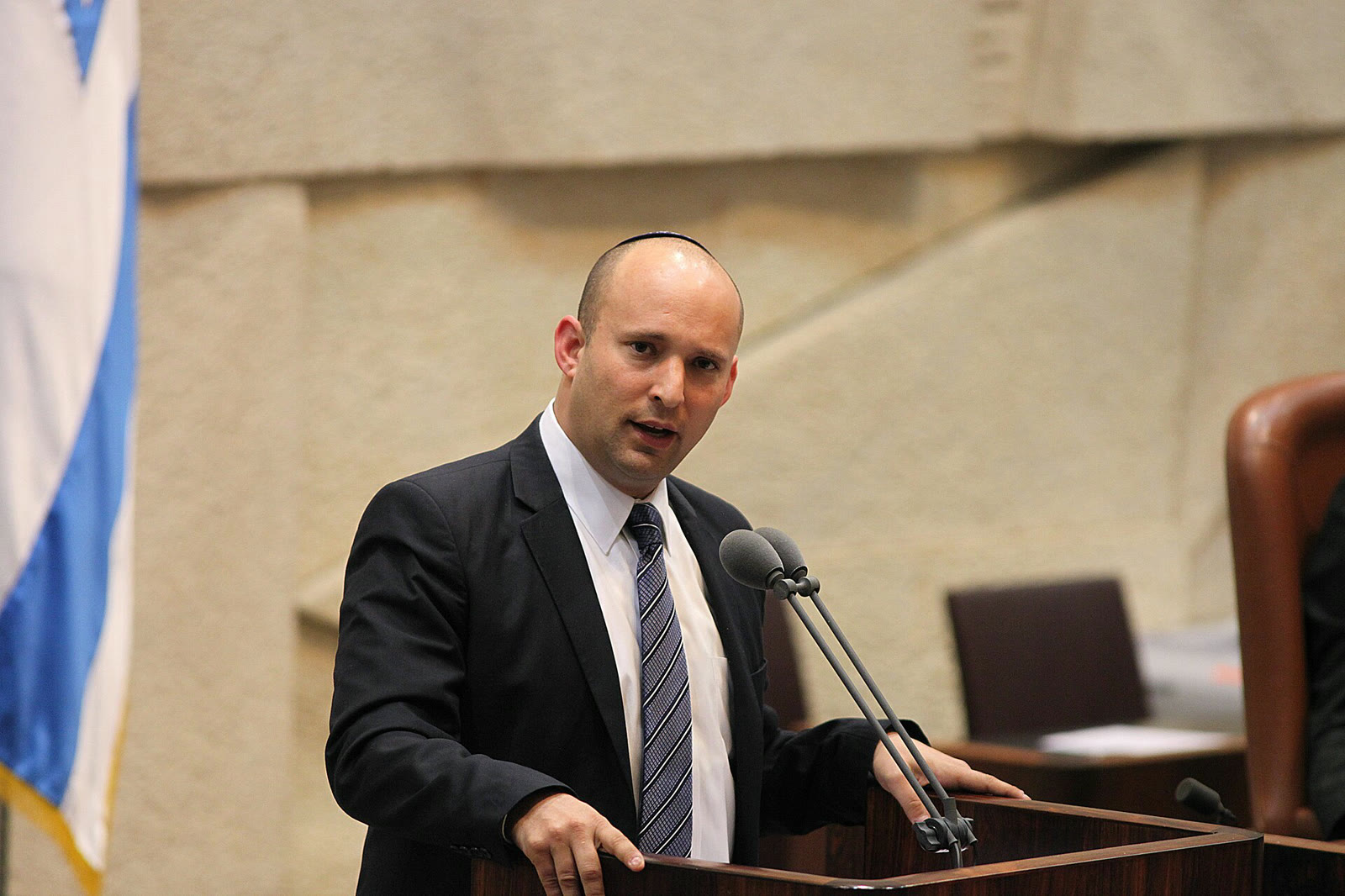
Former Prime Minister Naftali Bennett's Beyachad party maintained its position with 13 seats. Yair Golan's Democrats and Avigdor Lieberman's Yisrael Beiteinu were each projected to win nine seats.
The United List, led by Yousef Jabareen, was expected to win eight seats, the same number projected for Aryeh Deri's ultra-Orthodox Shas party and National Security Minister Itamar Ben-Gvir's Jewish Power party.
United Torah Judaism, led by Yaakov Asher, was projected to win seven seats. The Religious Zionism-Zehut alliance, led by Finance Minister Bezalel Smotrich and politician Moshe Feiglin, was projected to win six.
Five seats were projected for Mansour Abbas's United Arab List, bringing the total for Arab lists to 13. The Reserves-Economy joint list, led by Yoaz Hendel and Yaron Zelekha, was projected to win four seats.
Eisenkot leads Netanyahu in preference for prime minister
The poll also asked participants which politicians were more suitable for the premiership. Eisenkot received 45% support, leading Netanyahu's 35% by 10 points. The gap between the two was three points in the previous poll.
Naftali Bennett also led Netanyahu in this assessment. Bennett received 37% support, compared with 36% for Netanyahu. Netanyahu led Avigdor Lieberman by 35% to 27%, but the gap narrowed to eight points from 17 in the previous poll.
A total of 509 people aged 18 and over took part in the survey conducted on October 12. The margin of error for the representative-sample poll was stated to be no more than 4.4 points, while about 8% of participants had not yet decided which party to vote for.
Netanyahu has led the current government since the end of December 2022. The coalition is described as the most right-wing government in Israel's history.
Stay Updated with Hilal Times
Subscribe to be informed about special news, developments and announcements. We will keep you informed.
By signing up, you agree to our Privacy Policy