- BIST10011,585-1.16%
- USD49.45+0.05%
- EUR55.62+0.37%
- GOLD4,183.60+0.06%
- INTEREST37.00%-1.00
- BITCOIN82,537+0.64%
- October 19, 202617°
- BIST10011,585-1.16%
- USD49.45+0.05%
- EUR55.62+0.37%
- GOLD4,183.60+0.06%
- INTEREST37.00%-1.00
- BITCOIN82,537+0.64%
- October 19, 202617°
Israel criticizes Alkmaar fan ban and accuses the Netherlands of antisemitism
Israel criticized the ban on Israeli fans attending the Europa League match between Hapoel Be’er Sheva and AZ Alkmaar in the Dutch city of Alkmaar on October 15. Local authorities classified the match as “very high risk” over concerns about protests and possible clashes.
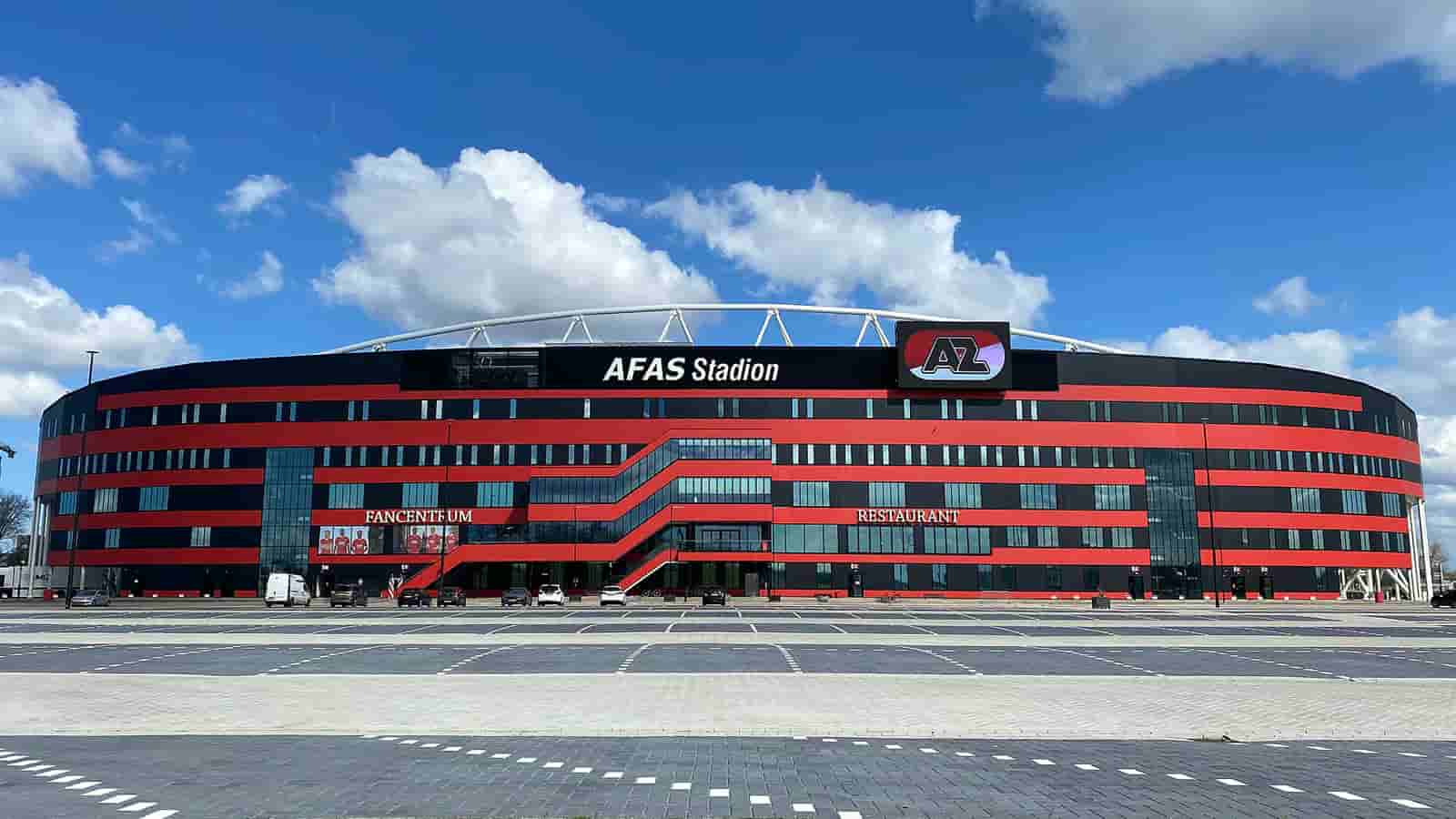
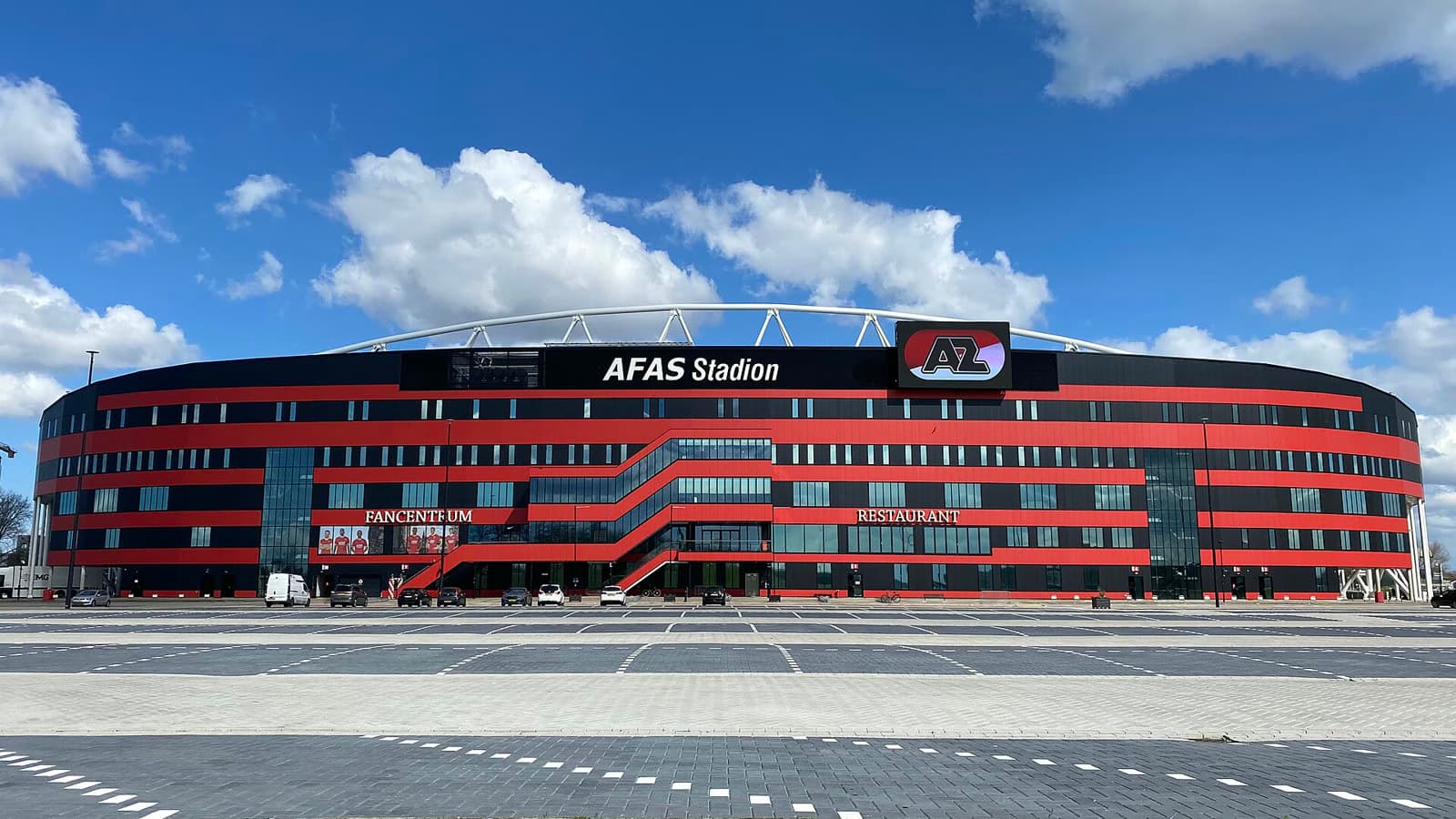
Israel has reacted to the decision to bar Israeli fans from the stadium ahead of the Europa League match between Hapoel Be’er Sheva and AZ Alkmaar, scheduled to take place in the Dutch city of Alkmaar on October 15. Israel’s Foreign Ministry accused the Netherlands of becoming one of the countries where antisemitism is gaining prominence over the decision.

Local authorities in Alkmaar classified the match as “very high risk” because of protests and concerns about possible clashes. Under the decision, Hapoel Be’er Sheva fans were also barred from watching the match at the stadium.
Israel’s accusations
In a written statement, Israel’s Foreign Ministry argued that the ban “rewards those who incite threats and violence” and “runs counter to the spirit of sport.” Referring to incidents involving Israeli football fans in Amsterdam in November 2024, the ministry accused Dutch authorities of “banning the victims instead of the attackers.”
The ministry also claimed that antisemitic attacks in the Netherlands had been fueled by anti-Israel rhetoric from Dutch politicians and public figures. Israel described the boycott of the 2027 Eurovision Song Contest over Israel’s participation, alongside the fan ban, as “another stain” on the Netherlands.
Contact with Dutch authorities
Israeli Foreign Minister Gideon Sa’ar raised the issue with his Dutch counterpart, Tom Berendsen. Israeli officials asked for the fans to be allowed into the stadium and for their safety to be guaranteed; they also contacted the Dutch Foreign Ministry and the Municipality of Alkmaar for that purpose.

Dutch authorities did not immediately respond to Israel’s accusations.
Amsterdam incidents and Eurovision decision
The decision in Alkmaar follows incidents surrounding the match between Maccabi Tel Aviv and Ajax in Amsterdam in November 2024. Before the incidents, Israeli fans chanted racist and anti-Palestinian slogans; some vandalism also occurred, and a Palestinian flag was taken down.
Dutch broadcaster AVROTROS announced in August that it would boycott the 2027 Eurovision Song Contest, citing Israel’s participation in the competition. The decision marks the broadcaster’s second consecutive boycott.
Stay Updated with Hilal Times
Subscribe to be informed about special news, developments and announcements. We will keep you informed.
By signing up, you agree to our Privacy Policy