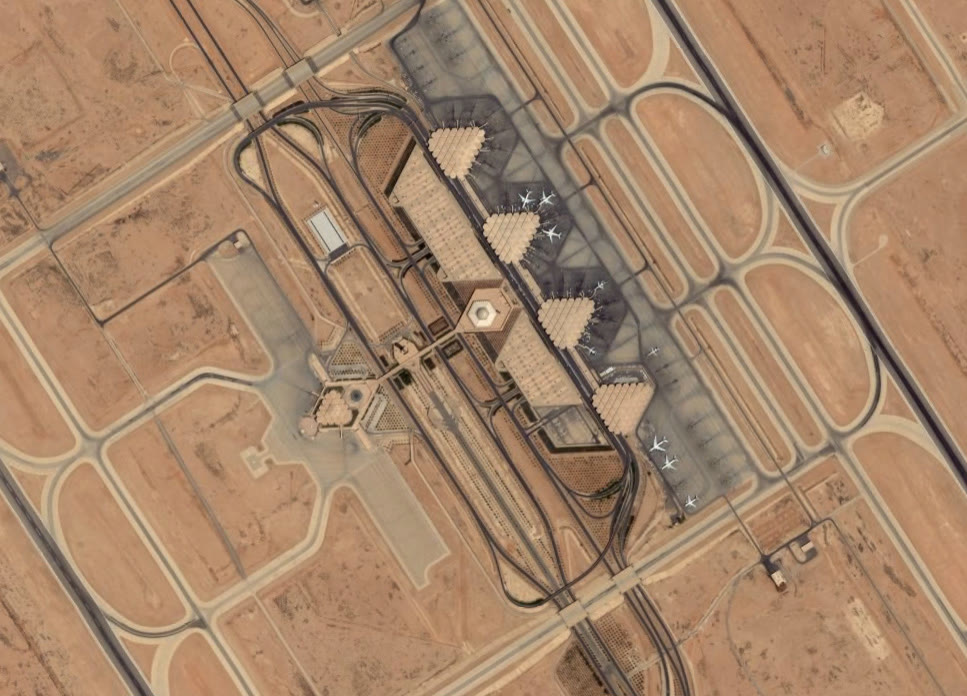
Yemen, Qatar, Bahrain, Lebanon, Kuwait, Jordan, Syria and Somalia, as well as the Muslim World League, condemned the attacks targeting King Khalid International Airport in Riyadh. The countries and organization expressed support for Saudi Arabia’s security and sovereignty.
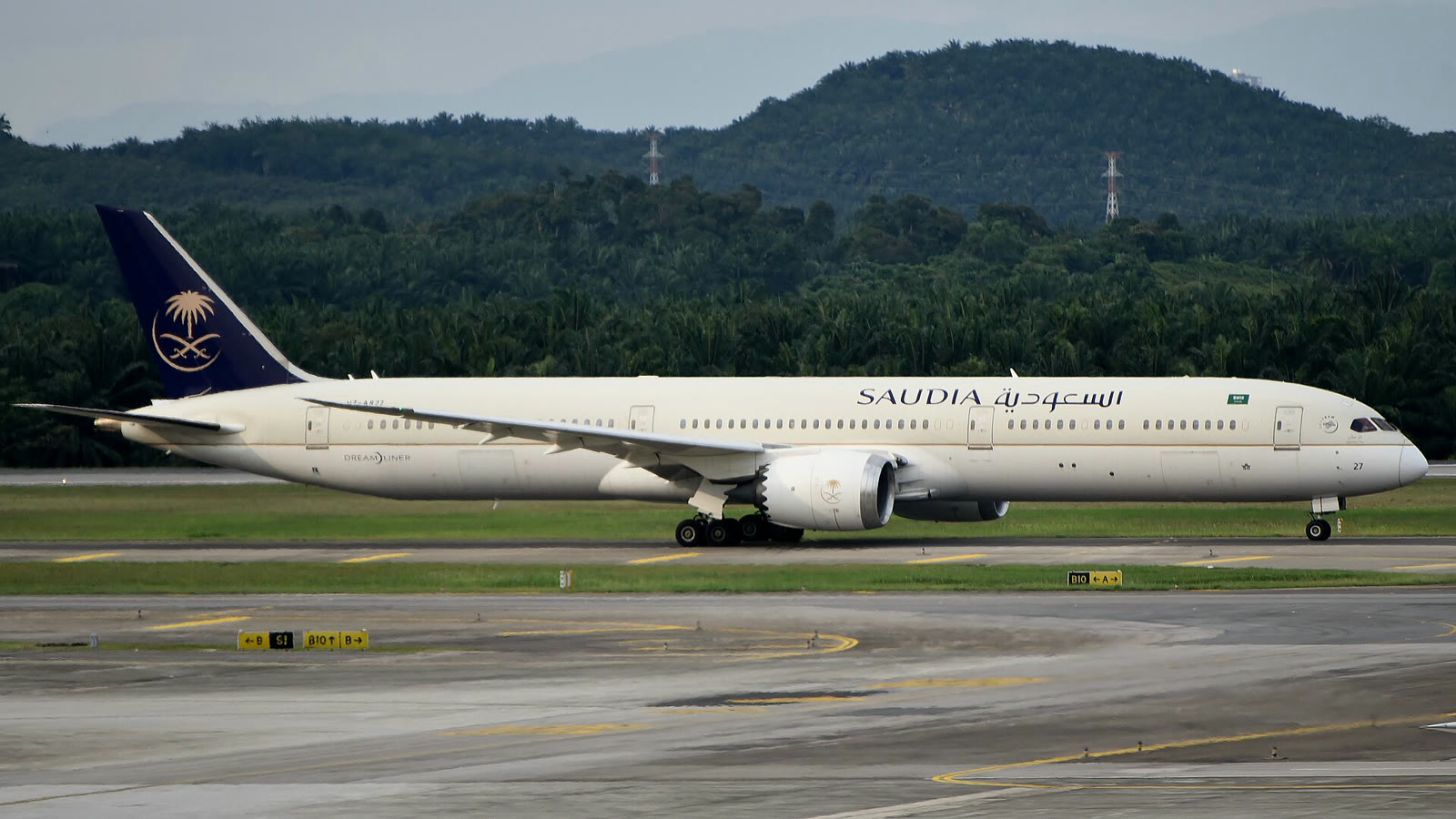
Saudi authorities said airport facilities and an aircraft belonging to Saudi Arabian Airlines were targeted in two attacks carried out on Thursday. Three Saudi citizens were killed and others were injured in the attacks.
Before these attacks, King Khalid International Airport in Riyadh and Abha International Airport had also been targeted on Tuesday and Wednesday. According to Saudi authorities, three people of Moroccan, Algerian and Sudanese nationality were killed and 36 people were injured in those attacks.
Support for Saudi Arabia from Yemen and Qatar
Yemen’s Ministry of Foreign Affairs condemned the attacks “in the strongest terms” and described them as a violation of Saudi Arabia’s sovereignty and the safety of civil aviation. The ministry supported Riyadh’s right to take the necessary steps to protect its security.
Yemen’s Ministry of Foreign Affairs called on the United Nations Security Council and the international community to take measures to stop the attacks. The ministry also accused Iran of continuing to provide the Houthis with weapons, technology and military expertise, and rejected the use of Yemen’s territory, airspace and waters to threaten neighboring countries or international maritime traffic.
Qatar’s Ministry of Foreign Affairs said the attacks constituted a serious violation of Saudi Arabia’s sovereignty and posed a direct threat to the region’s security, as well as to the safety of civilians and air transport. Doha regarded Saudi Arabia’s security as an integral part of the common security of Qatar and the Gulf Cooperation Council countries.
Qatar’s Emir Sheikh Tamim bin Hamad Al Thani conveyed his condolences to Saudi King Salman bin Abdulaziz over the deaths and wished the injured a speedy recovery.
Condemnation from Gulf and regional countries
Bahrain described the attacks as a violation of international law and an escalation threatening regional security and civil air transport. Manama supported Saudi Arabia’s right to self-defense and called on the United Nations Security Council to take a firm stance to stop the attacks and hold those responsible accountable.
Lebanon’s Ministry of Foreign Affairs condemned the attacks on King Khalid and Abha airports. The ministry said that targeting civilian facilities and endangering civilians’ lives violated international law, and expressed support for Saudi Arabia’s efforts to protect its sovereignty, security and territorial integrity.
Kuwait described the attacks targeting King Khalid Airport as a blatant violation of Saudi Arabia’s sovereignty and a direct threat to regional security and air transport. Kuwait called for the attacks to stop immediately.
Jordan described the attacks as a violation of Saudi Arabia’s sovereignty and a breach of international law and the United Nations Charter. Amman expressed full support for the steps Riyadh was taking to protect its security and stability.
Syria’s Ministry of Foreign Affairs and Expatriates condemned the Houthis’ attacks on King Khalid Airport. The ministry said that targeting civilian facilities and vital centers violated Saudi Arabia’s sovereignty and posed a direct threat to the region’s security and stability.
Somalia’s Ministry of Foreign Affairs and International Cooperation also described the attacks as a serious violation of international law and a direct threat to Saudi Arabia’s sovereignty and regional security. Somalia said that, as a country on the Red Sea, it regarded the security of the Gulf and the Red Sea as an integral part of its own security, and called for attacks targeting civilian infrastructure to stop immediately.
Muslim World League condemns attacks
The Muslim World League condemned the targeting of King Khalid Airport and an aircraft belonging to Saudi Arabian Airlines. The league said the attacks violated religious values, international and humanitarian law, and established norms, and expressed support for the steps Saudi Arabia was taking to protect the safety of its citizens and other people in the country.
The developments are being assessed as part of the military escalation that began in July 2026, following a period of relative calm after the ceasefire that began in April 2022. The war in Yemen has continued since September 2014, when the Houthis seized control of the capital, Sana’a, and several provinces. The Arab coalition led by Saudi Arabia intervened in March 2015 to support the Yemeni government.