The Yemeni government said the Dawn of Yemen operation, which aims to restore state authority in areas controlled by the Houthis, seeks to advance as far as the capital Sanaa and re-establish state institutions. The government said the operation would also place weapons, as well as decisions on war and peace, under state control.
Yemen’s Permanent Representative to the United Nations, Abdullah al-Saadi, made the statement at an open session of the United Nations Security Council on the situation in Yemen. The government linked the launch of the operation to the constitutional and legal responsibilities of Rashad al-Alimi, chairman of the Presidential Leadership Council, to protect citizens and preserve the country’s sovereignty.
State control targeted as far as Sanaa
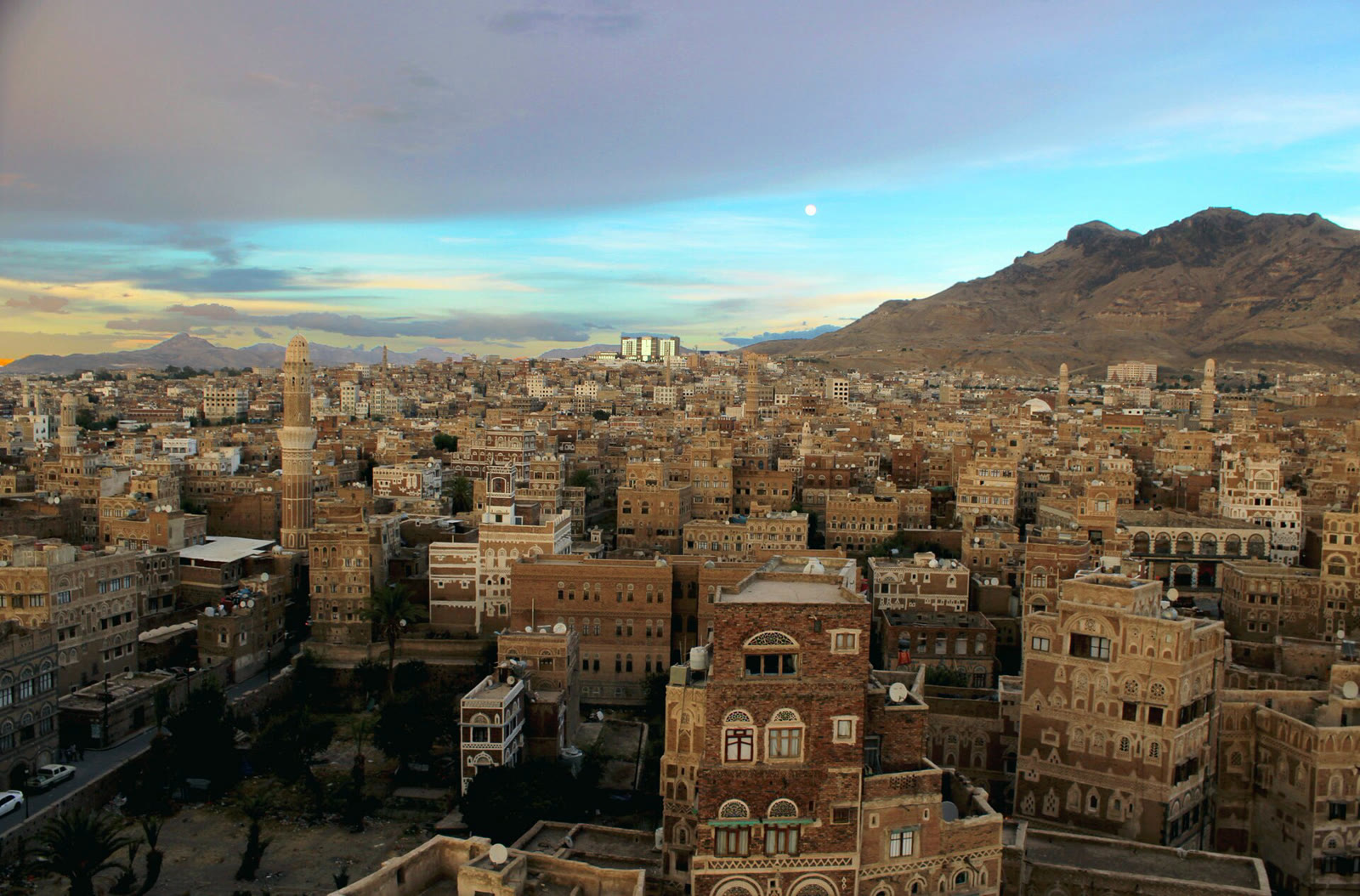
The government described the Dawn of Yemen operation as a “new phase” in re-establishing state institutions and ending Houthi control. The statement highlighted the objective of restoring control in Houthi-held areas and reaching Sanaa.
The government stressed that the operation was not a war against residents of any particular region, province, sect or social group. The Yemeni government said weapons and decisions on war and peace would be placed under state oversight, international humanitarian law would be observed, and civilians and civilian facilities would be protected.
Humanitarian impact of the military escalation
The Yemeni government launched the operation amid military tensions that began in July 2026, after the relatively calm period that followed the ceasefire launched in April 2022 had ended. The government described the tensions as the largest-scale escalation since the prolonged period of calm.
Al-Saadi held the Houthis responsible for the latest escalation. Al-Saadi said the Houthis had increased their arms procurement, military buildup and recruitment activities, and alleged that the group had expanded its attacks inside Yemen and against Saudi Arabia, threatened commercial vessels, and sought to achieve military gains in Taiz, Mocha and the Bab al-Mandab Strait.
According to the Yemeni government’s estimate, the escalation displaced about 200,000 people within the country and drove around 3,000 others to cross into Djibouti. Al-Saadi also accused the Houthis of continuing to recruit children and target civilian facilities.
Warning over maritime transport in the Red Sea
Al-Saadi said the threat posed by the Houthis could no longer be contained within Yemen’s borders. He warned that threats to maritime transport in the Red Sea and to the Bab al-Mandab Strait could have regional and international consequences.
The Yemeni government called on the United Nations Security Council to implement its resolutions and take “practical and decisive” steps to prevent weapons, military technology, military equipment and dual-use components from reaching the Houthis. The government also called for limiting financing and smuggling networks, holding parties that support the group accountable, and strengthening cooperation with the Yemeni government against these networks.
The statement identified Iran as the main party alleged to support the Houthis. The Yemeni government reiterated its support for United Nations-led peace efforts, but said that lasting peace required the re-establishment of state institutions and the restoration of state control throughout the country.
Resolution 2216 and the war in Yemen
United Nations Security Council Resolution 2216, adopted in 2015, calls for an end to violence in Yemen and renewed support for constitutional legitimacy. The resolution also imposes an arms embargo on the Houthis.
The war in Yemen began after the Houthis seized control of Sanaa and some provinces in September 2014. The Saudi-led Arab coalition intervened in March 2015 to support the Yemeni government.