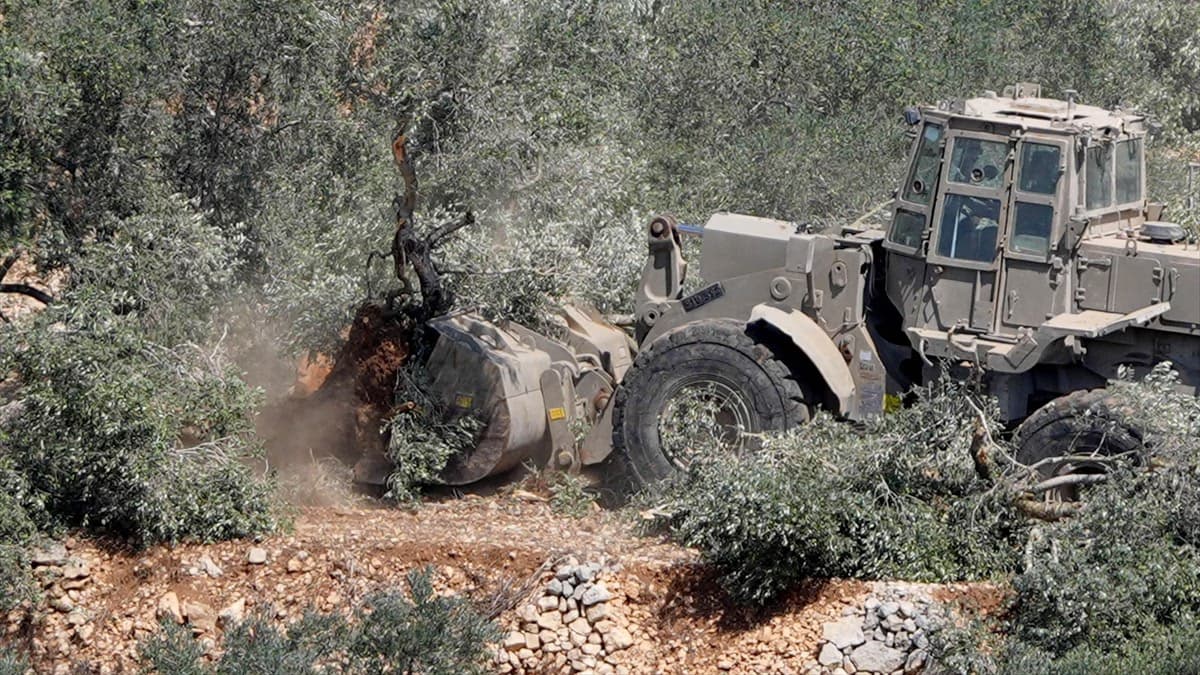
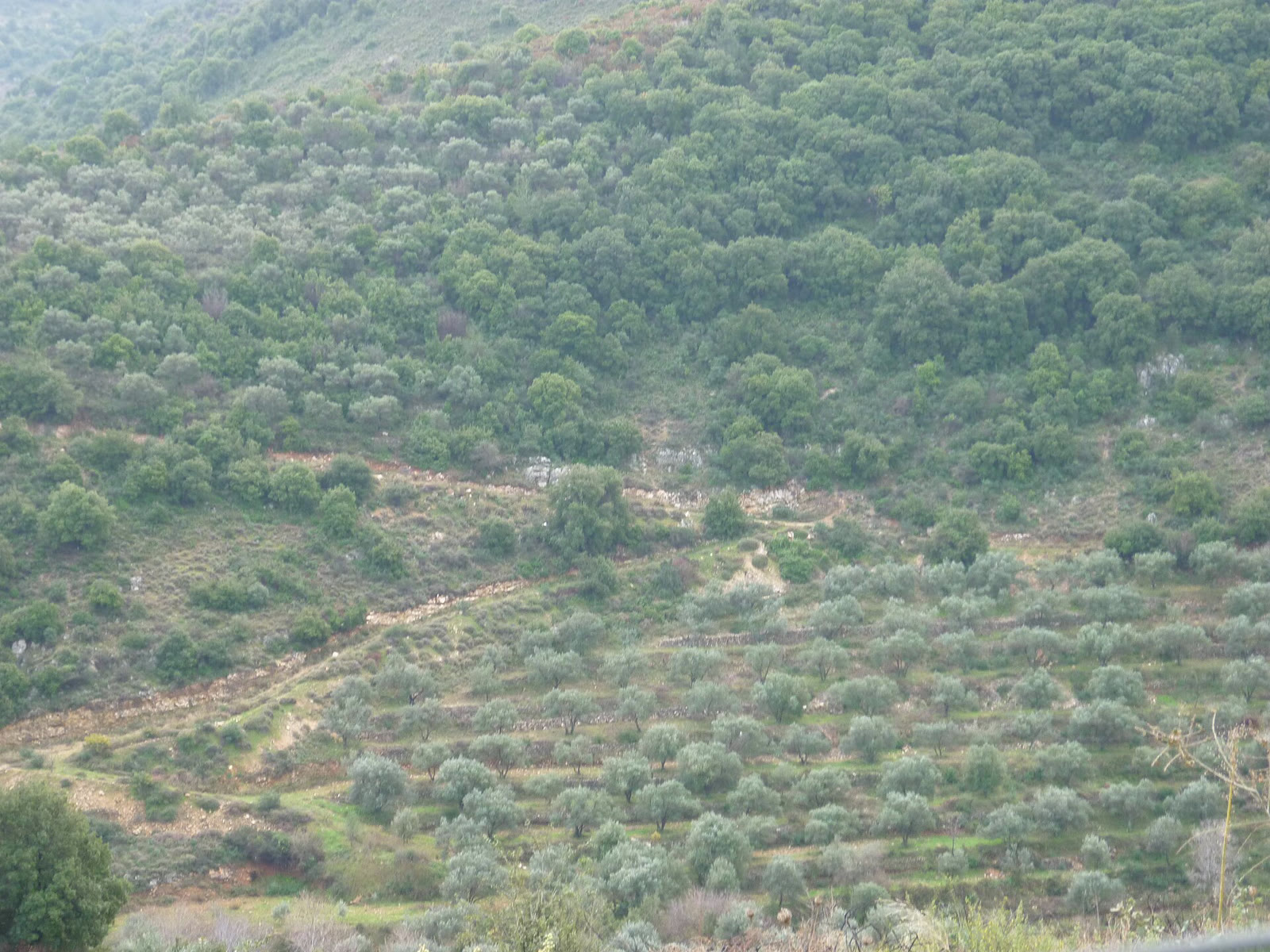
Olive producers in southern Lebanon are struggling to reach their land and harvest their crops because of attacks and the danger of unexploded ordnance. A report dated May 8, 2026, by Lebanon’s Ministry of Agriculture said that about 6,600 hectares containing olive trees had been damaged.
Farmers living in border villages in the Marjayoun and Hasbaya districts are waiting for the permits required to enter their fields. Husni Ghanem, a farmer and municipal council member from Kafr Shuba, said he had been unable to reach his land for three years, leaving the olive trees to dry out and deteriorate.
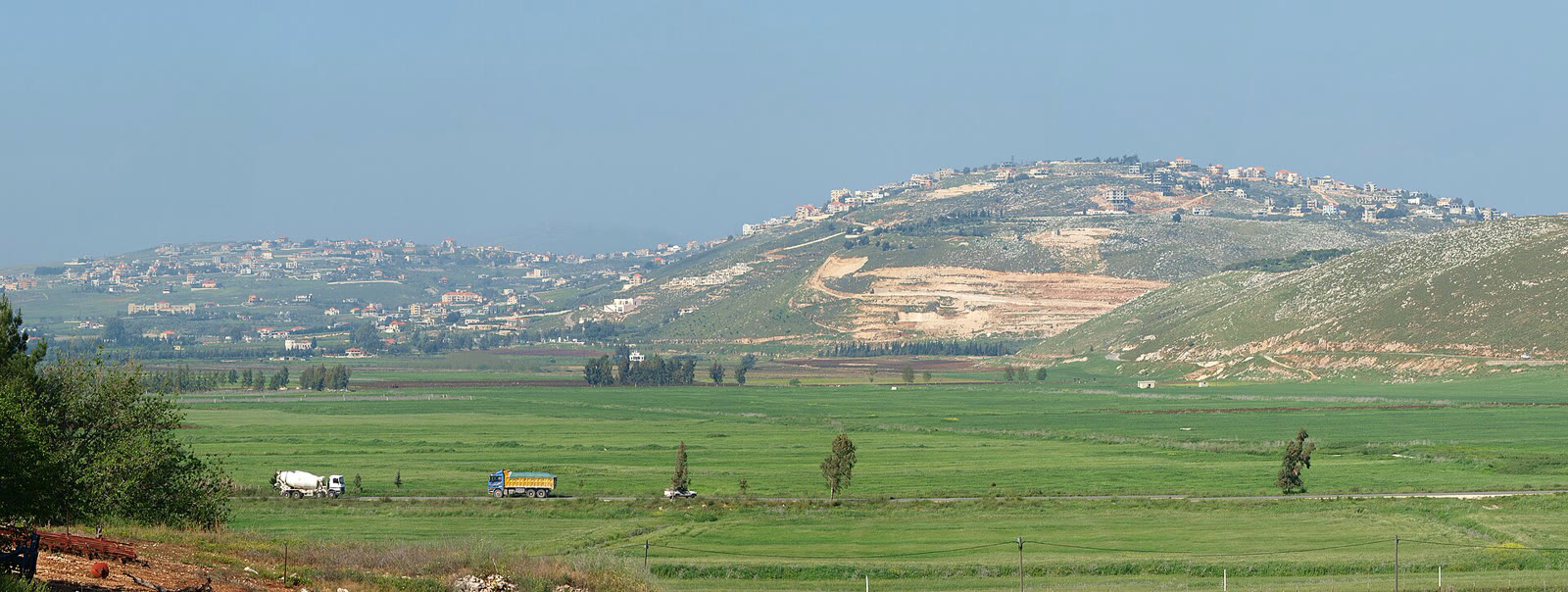
Ghanem said farmers were ready to be escorted safely to their fields through coordination with the Lebanese Army and the United Nations Interim Force in Lebanon. The producers are waiting to gather at the entrance to the town after security checks and travel together to their land.
Security risks bring the harvest forward
Some farmers began harvesting the olives before they had ripened, fearing that renewed clashes could once again cut off access to their fields. Some producers harvested 10 to 20 days earlier than usual because of the possibility of renewed fighting and displacement.
Farmer Mohammed Musa Hallawi said trees damaged by attacks or shrapnel could take a long time to produce again, causing production volumes to fall sharply. Hallawi said unexploded ordnance and remnants of cluster munitions were preventing farmers from entering their fields.
Taymour Amishe, a farmer from Ain Qirfa, also said olive yields had declined while production costs had risen. Amishe said that despite higher olive oil prices, the income generated did not cover the costs.
Other parts of the production chain also damaged
The impact of the attacks was not limited to olive trees. Factories used to process the produce, generators, machinery and buildings were also damaged, affecting seasonal workers as well as the transport and trade sectors.
Abbas Mohammed Khreiss, a farmer and olive factory operator from Hayyam, said he had lost three olive factories, electric generators, equipment and a three-story building. Khreiss said his losses exceeded $800,000, excluding damage to agricultural activities and his other equipment.
Walnut, apple and cherry orchards also under threat
Production losses in the Arkoub area are not limited to olives. Khaled Nour al-Din, a former municipal official in the area, said farmers had been unable to benefit normally from walnut, apple and cherry harvests over the past three or four years because they could not reach their land and because of bombardment and gunfire.
Producers are waiting for a meeting with the Arkoub Municipalities Union and relevant institutions to discuss safe routes to their land. The talks are planned to take place in coordination with the Lebanese Army and international forces.
Dinya, who lives in West Zoutar in the Nabatieh district and is known in the area as “Umm Abd,” is harvesting olives from areas she can reach to meet her family’s needs. Dinya said shrapnel had destroyed many branches, that she had pruned the dried branches and was trying to collect the remaining produce.
Warnings against entering olive groves in Froun and Yater
Residents of Froun and Yater were warned not to enter olive groves without consulting the relevant authorities and specialist institutions because of the possible presence of cluster munitions and landmines. Producers say access to the land is impossible without a security inspection.
Lebanon has about 13.5 million olive trees. The country’s annual olive production ranges from 100,000 to 200,000 tons, while southern Lebanon is home to 39 percent of the country’s olive groves.
The toll published on October 12 for Israel’s attacks on Lebanon, which have continued since March 2, put the number of people killed at 4,389 and the number of wounded at 12,424.
On June 26, Beirut and Tel Aviv reached an agreement on a “framework formula” mediated by the United States. The formula provides for the gradual withdrawal of Israeli forces from Lebanese territory and the deployment of the Lebanese Army in those areas.
Despite this, attacks on southern Lebanon have continued, while Israel has continued to hold territory in the area, including land in some locations retained from previous years.