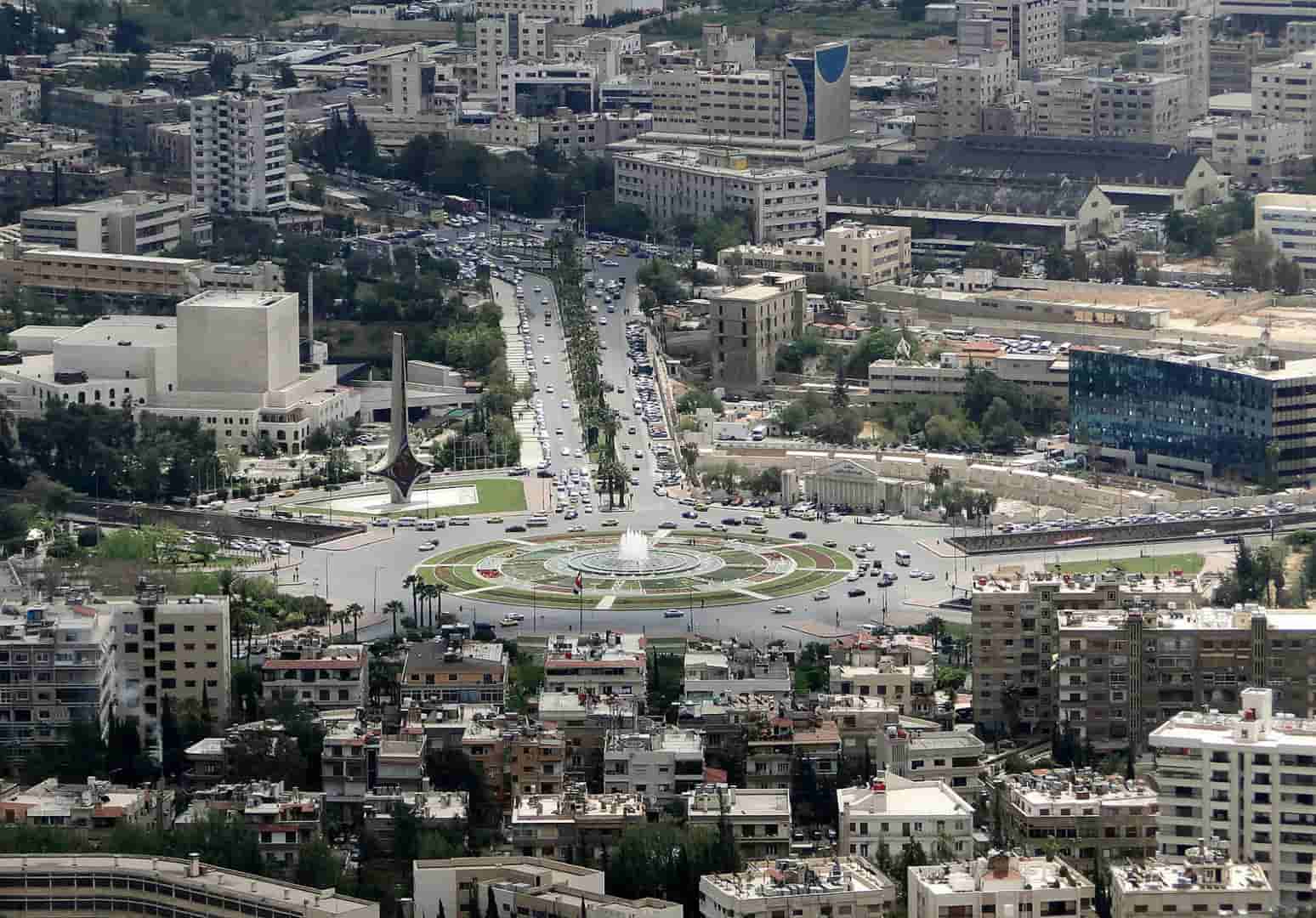
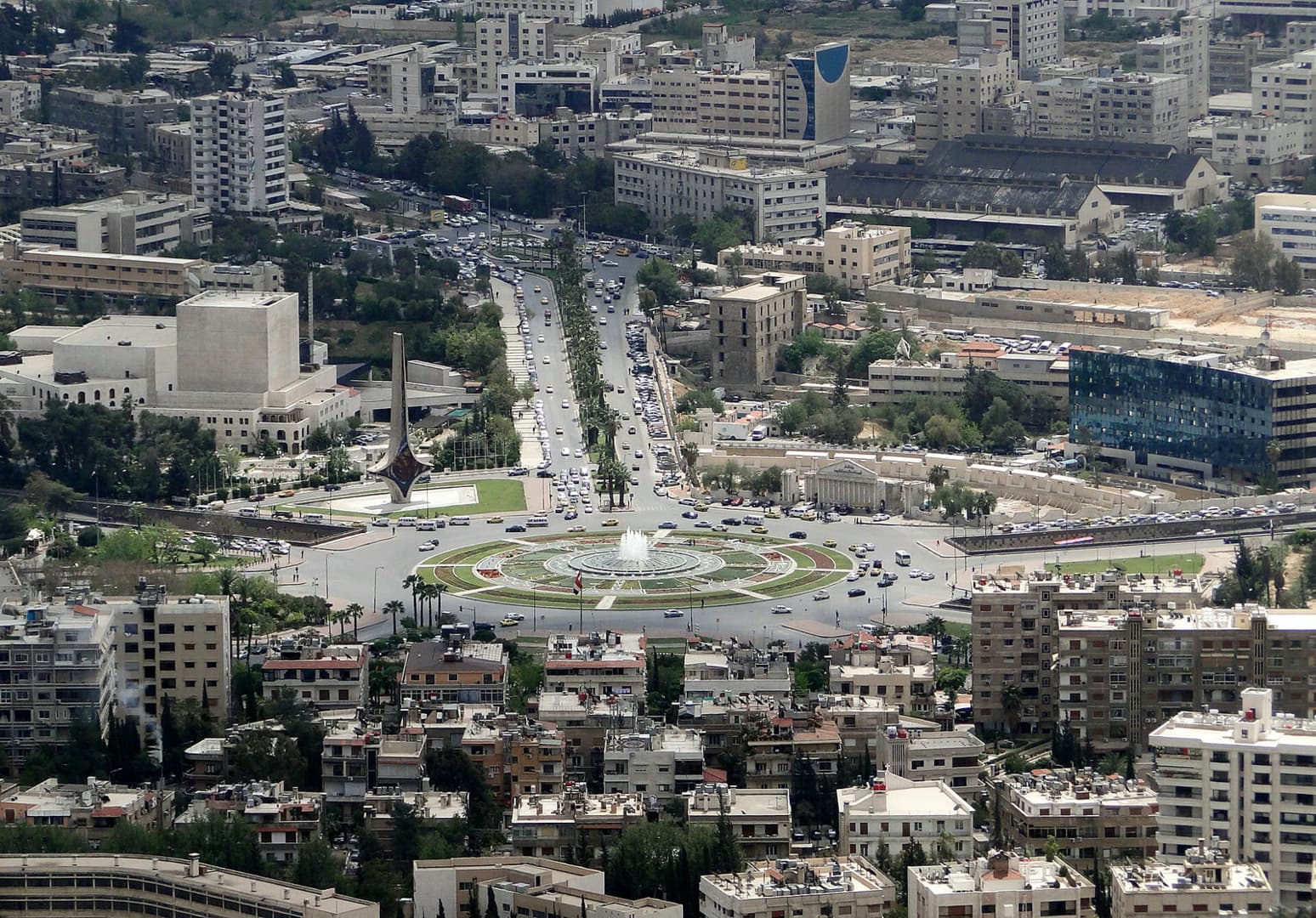
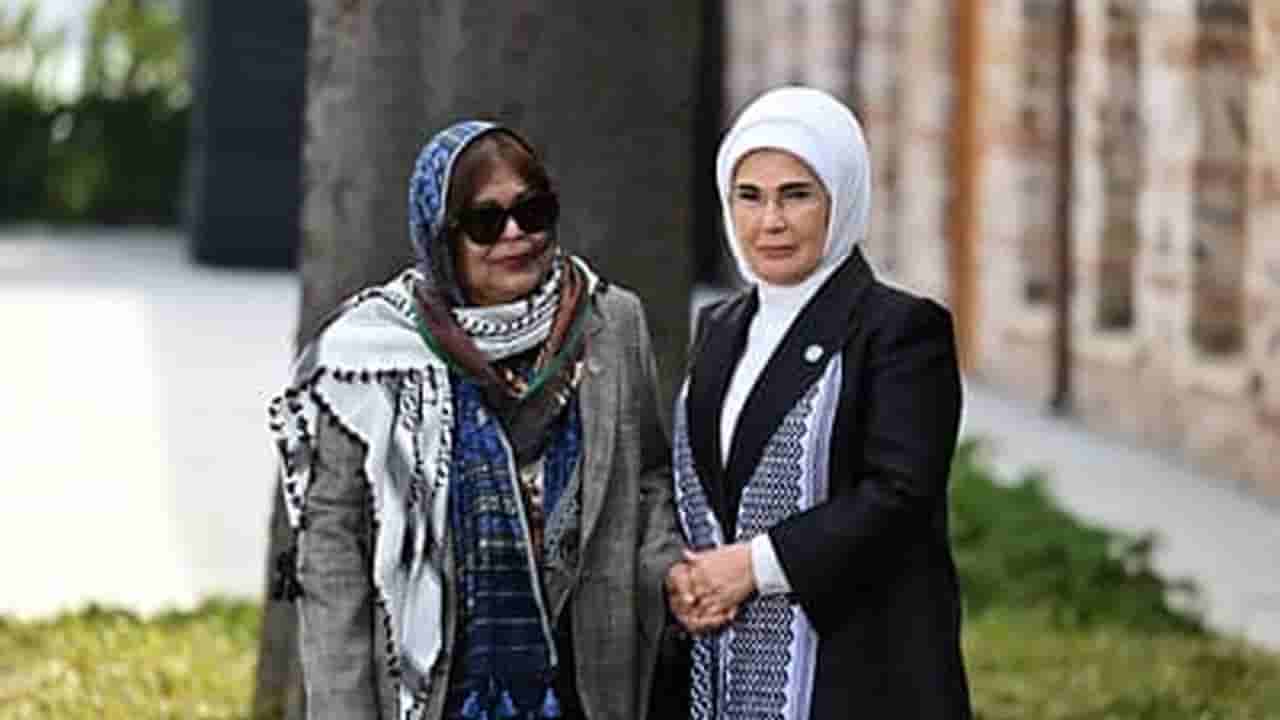
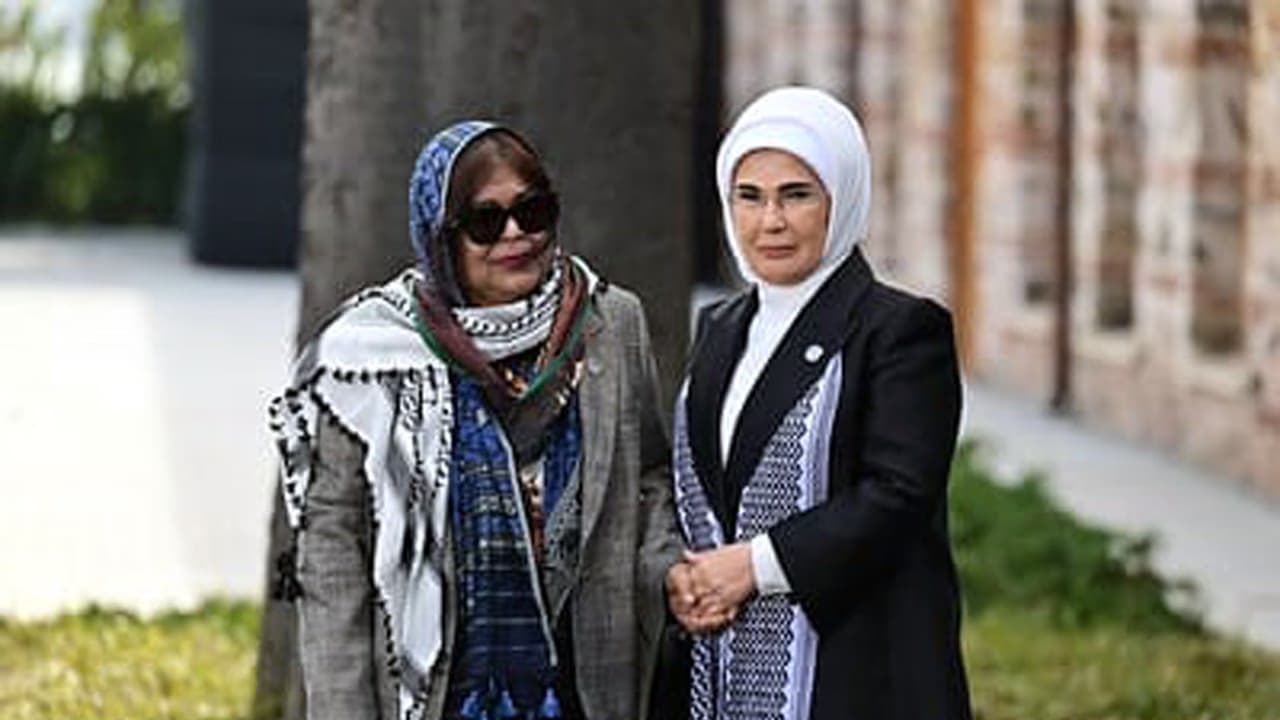
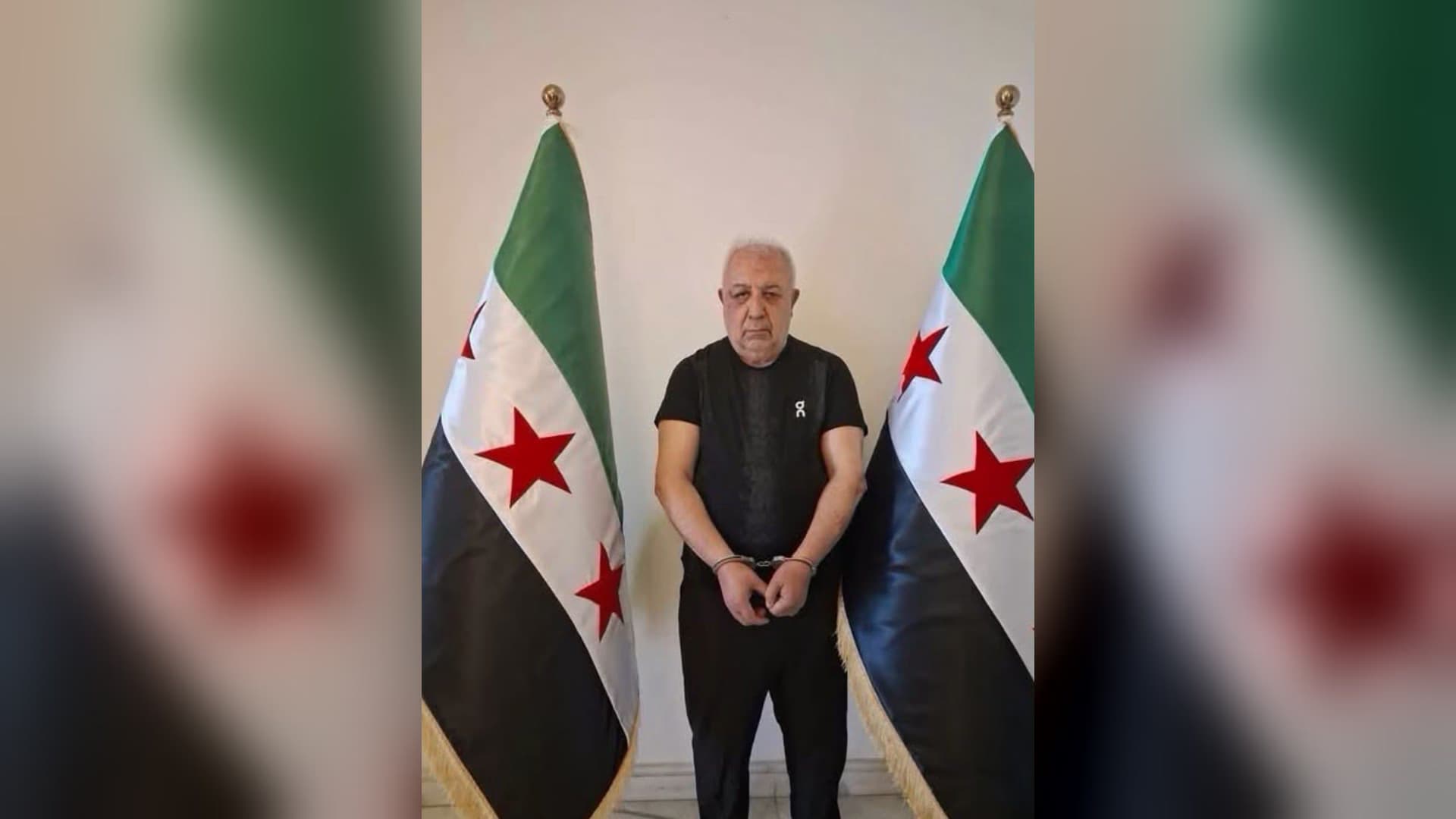
Sarah Khan, the sister of British orthopedic surgeon Abbas Khan, returned to Syria's capital Damascus nearly 13 years later and called for the circumstances surrounding her brother's death in detention to be uncovered and those responsible to be brought to justice. The Khan family is seeking an explanation of the circumstances of his death and accountability for what happened.
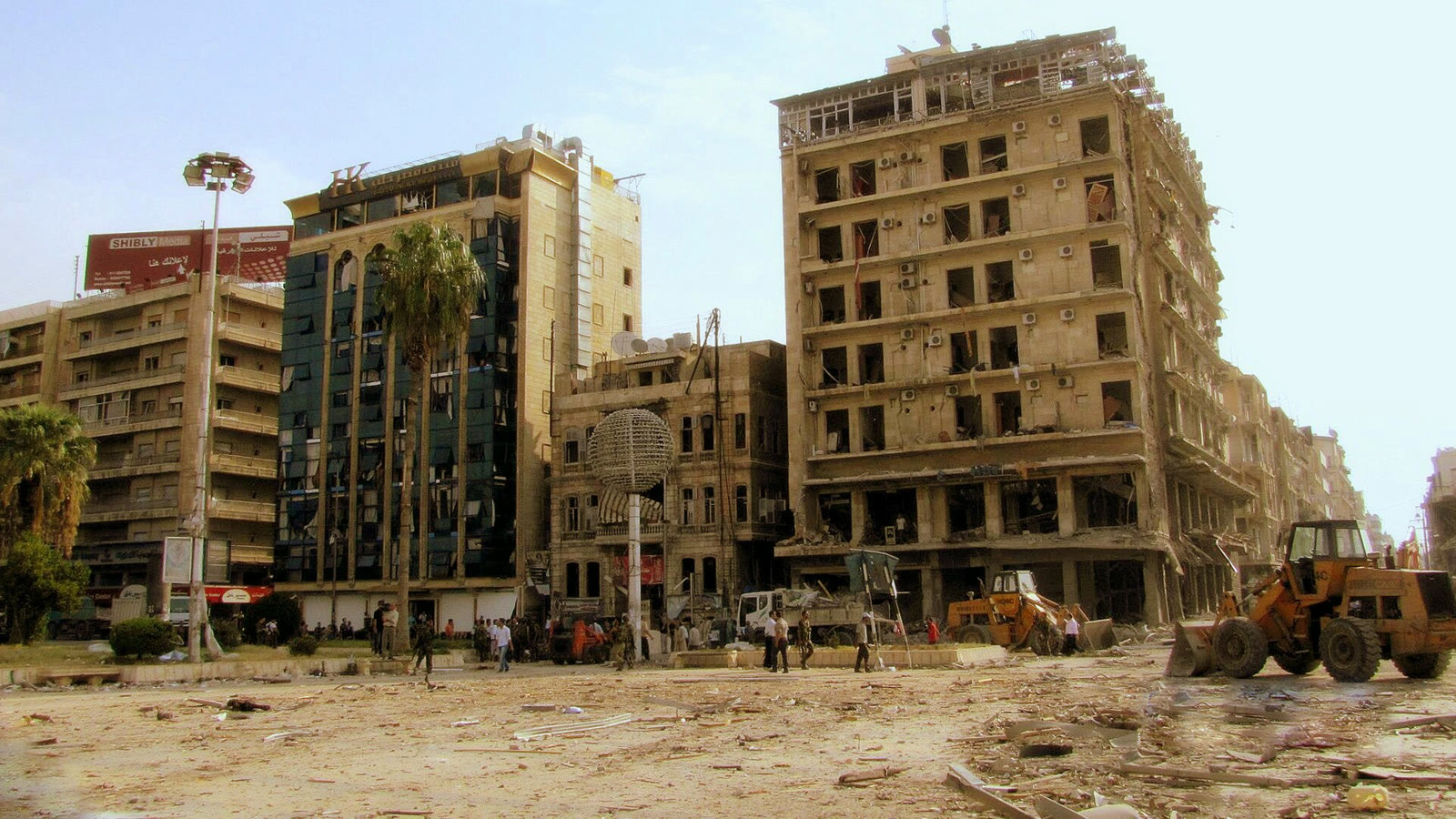
Abbas Khan, 31, traveled to Syria in November 2012 to provide medical assistance to the wounded. Sarah Khan said there was a shortage of doctors in Aleppo and that many hospitals were unable to operate because of the bombardments, so her brother volunteered at field medical centers.
From detention to Adra Prison
According to Sarah Khan's account, Abbas was detained by forces affiliated with the former regime at a security checkpoint a few days after arriving in the country on November 22, 2012. She said Khan was later taken to Damascus, where he was subjected to beatings, torture and ill-treatment for about nine months.
The family was unable to learn where Abbas was being held for a long time. His mother traveled to Beirut in search of her son and reached Damascus in July 2013. After searching for about three weeks at ministries, courts and prisons, she learned that Abbas was being held at a facility linked to intelligence services known as the Palestine Branch.
Abbas Khan was later transferred to Adra Prison in the Damascus countryside. Sarah Khan said her mother, without knowing Arabic or anyone in the city, knocked on the prison doors, asked everyone she encountered about her son and learned there about the treatment Abbas had endured.
Promises of release and news of his death
Between August and December 2013, officials repeatedly promised the family that Abbas Khan would be released. A delegation of British lawmakers planned to take him back to the United Kingdom; the delegation completed its travel and accommodation arrangements but waited for the necessary approval.
On the evening of December 12, 2013, intelligence officers took Abbas from Adra Prison to an unknown location. The family learned of the transfer the following day from the wife of another detainee. On December 16, Abbas's mother was told to prepare to collect her son, but she could not find him in the building to which she was taken. An official told her that Abbas had died that same morning.
Officials told the family that Khan had committed suicide. The family questioned this explanation and called for the true circumstances of his death to be established.
Findings of the British inquiry
The British government announced on October 27, 2014, that the jury conducting the judicial inquiry into Abbas Khan's death had concluded that the doctor had been unlawfully killed. The finding contradicted the former Syrian regime's claim that his death was a suicide.
Tobias Ellwood, the UK's Middle East minister at the time, said in an official statement that the treatment Khan received in detention was unacceptable. He said the UK's Foreign Office had repeatedly requested consular access and an examination of the conditions of his detention, but the former Syrian regime had not met those requests.
Ellwood said the family had a right to learn the truth and that those responsible for the death should be brought to justice. However, the inquiry's outcome did not name or convict any specific person.
Questions the family is still seeking to answer
Sarah Khan said her family was still trying to learn how Abbas died in detention and who was responsible. She said they wanted to know why he had been promised release, why he had been tortured and who was responsible for his death.
Khan said information that later emerged about torture and ill-treatment in Syrian prisons, along with mass graves and photographs of victims of violations, had strengthened the family's determination to learn the truth. She said her mother had been unable to overcome the impact of what she experienced in Damascus and that their pursuit of justice also sought recognition of the harm she had suffered.
Letters from prison
Sarah Khan said Abbas sent long letters to his family while he was held at Adra Prison. His mother delivered the letters to the family during weekly visits, and Abbas asked about the children, his wife, his siblings' children, their education and developments within the family.
Khan said her brother had maintained his sense of humor and hope despite what he had endured, taught English to other detainees, read books and kept a journal. She said their mother brought him pens, paper and medical books, and that Abbas believed he would return home.
Visit to Damascus and hopes for justice
Sarah Khan said the decision to return to Damascus had not been easy and that her memories of the city were tied to Abbas's suffering and her mother's struggle. She said Abbas's body was taken to Beirut after his death with the support of an unnamed international humanitarian organization. She said her other siblings identified the body and that the British Embassy helped transport it to London.

Sarah Khan emphasized that Abbas had gone to Syria to provide medical assistance to people wounded in the war. She said she believed her brother could save the lives of people in need with his medical skills and that humanitarian reasons were his sole motivation for going to Syria.
Sarah Khan's visit to Damascus coincided with a transitional justice process in Syria aimed at investigating serious violations committed during the former regime and holding those responsible accountable. A decree establishing a national transitional justice commission was issued on May 17, 2025. The commission was tasked with uncovering the truth about serious violations committed during the former administration, calling those responsible to account and providing redress to victims.
Sarah Khan said her family hoped Syria's new authorities would cooperate in uncovering the circumstances of Abbas's death and holding those responsible accountable. She said their request was not limited to learning the true circumstances of Abbas's death but also included recognition of what her mother had endured.