- BIST10011,639-0.71%
- USD49.45+0.05%
- EUR55.62+0.37%
- GOLD4,190.60+0.23%
- INTEREST37.00%-1.00
- BITCOIN82,847+1.02%
- October 19, 202617°
- BIST10011,639-0.71%
- USD49.45+0.05%
- EUR55.62+0.37%
- GOLD4,190.60+0.23%
- INTEREST37.00%-1.00
- BITCOIN82,847+1.02%
- October 19, 202617°
Attacks on Palestinians in the West Bank linked to government policies
Attacks by Israeli settlers and soldiers against Palestinians in the West Bank are being examined alongside the Israeli government’s gun-licensing and settlement policies. Yesh Din recorded 377 violent incidents affecting 162 Palestinian communities over the two weeks ending October 10.


In the West Bank, where attacks against Palestinians have increased, the role of Israeli settlers and soldiers is being criticized alongside Israeli government policies that expand access to weapons and ease some measures against attacks.
Statements by Israeli and Palestinian institutions, United Nations investigations and assessments by former Israeli officials have brought allegations of a connection between state policies and the attacks to the forefront. These allegations also include claims that soldiers protected attackers, assisted in some incidents or covered up the actions.
The role of soldiers in the attacks is under debate
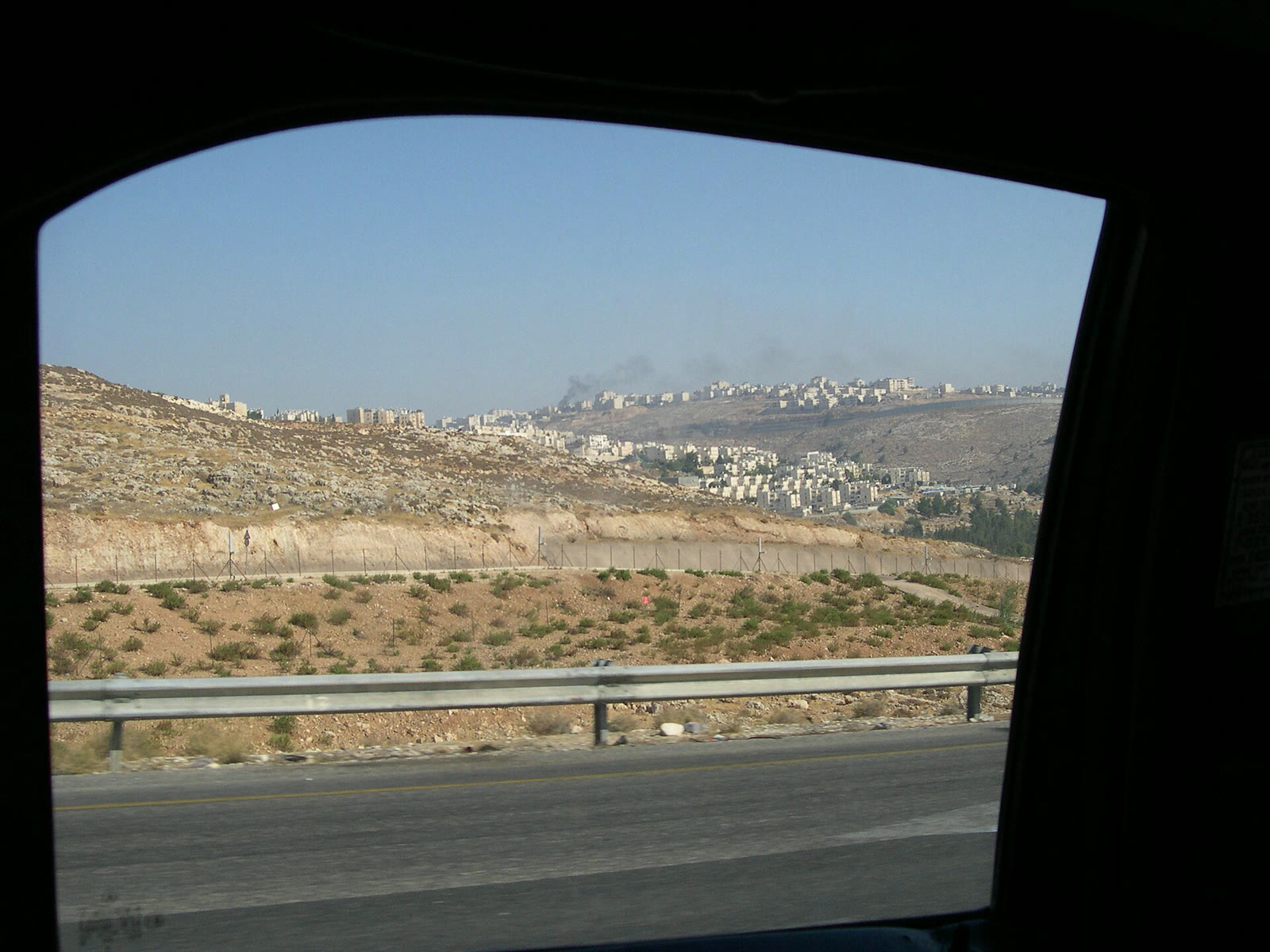
Israeli media alleged that soldiers did not merely fail to intervene in attacks in the West Bank, but in some cases supported the settlers. Israeli soldiers were alleged to have played a role in the theft of Palestinian-owned olives in Sinjil, north of Ramallah, and in covering up the incident.
Gilad Kariv, an opposition member of Israel’s parliament, said on September 4 that the army had become an instrument serving groups in illegal settlement outposts operating against Palestinians. Kariv made the statement after grapes were allegedly stolen from Palestinian-owned land in Halhul, in the southern West Bank.
More than 300 Israeli reservists also sent a petition to Chief of Staff Eyal Zamir in August titled “Reservists’ letter against Jewish terror.” The soldiers argued that the army command had not given them sufficient authority to prevent settler violence. They said that, in the incidents to which they were assigned, intervention generally took place only after the attacks.
Gun licenses and the administrative detention decision
On January 22, National Security Minister Itamar Ben-Gvir added 18 settlements to the areas where residents of illegal settlements can obtain gun licenses. According to figures announced by Ben-Gvir, more than 240,000 gun licenses were issued after the policy was expanded in late 2023. The figure had previously stood at about 8,000 a year.
The figures also cover Israelis living outside illegal settlements in the occupied West Bank. Opponents of the policy argue that expanded access to weapons could facilitate attacks against Palestinians and create conditions for perpetrators to act with impunity.
On November 22, 2024, Defense Minister Israel Katz announced that administrative detention would no longer be imposed on Jewish settlers suspected of attacks against Palestinians. The continuation of the same practice for Palestinians prompted criticism that the decision was discriminatory.
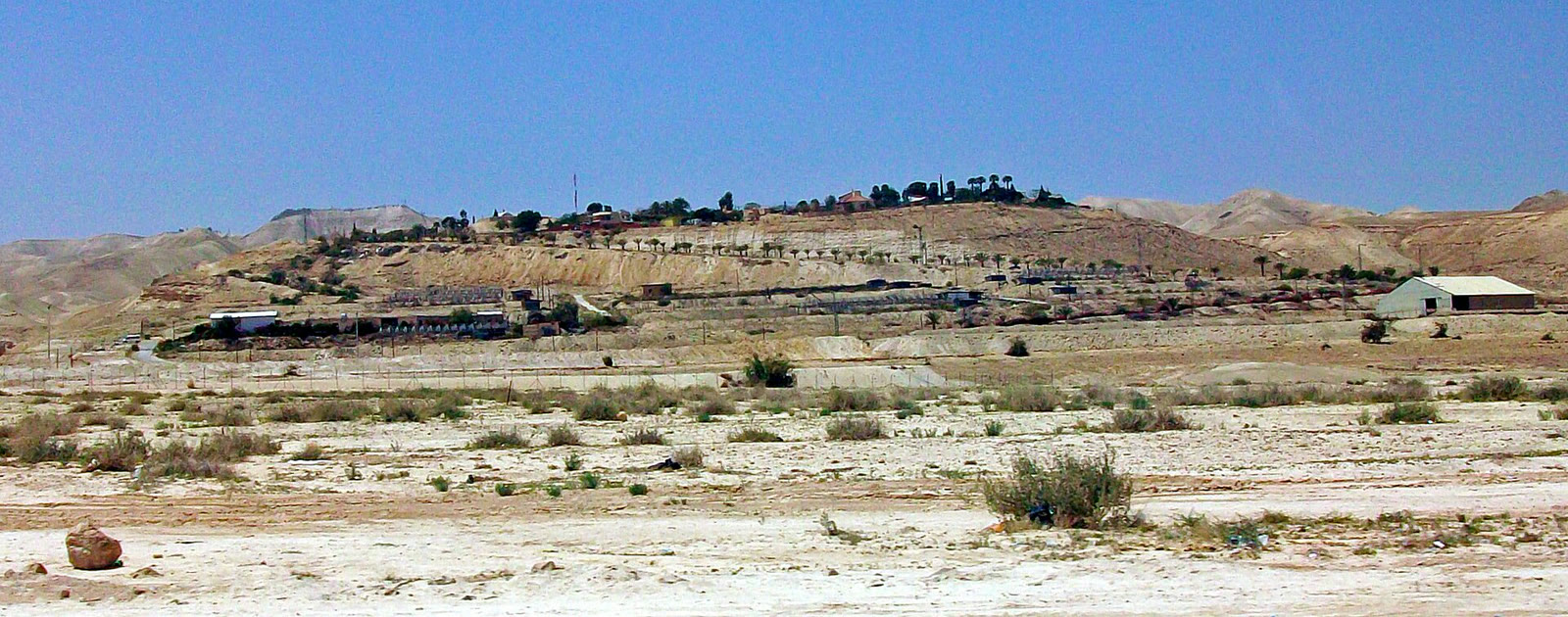
Israel’s Shin Bet security service warned that the decision would weaken efforts to combat settler violence, while Ben-Gvir and Finance Minister Bezalel Smotrich supported it.
Annexation plan and international sanctions
On September 3, 2025, Smotrich announced a plan envisaging the annexation of 82 percent of the occupied West Bank. Defining the plan’s goal as “maximum land, minimum Arabs,” Smotrich put forward an approach aimed at preventing the establishment of a Palestinian state.
The United Kingdom, Canada, Australia, New Zealand and Norway imposed sanctions on Smotrich and Ben-Gvir on June 10, 2025. The measures, which included asset freezes and travel restrictions, were justified by allegations that the two ministers encouraged extremist violence and were responsible for serious violations of Palestinians’ rights.
France also barred Smotrich from entering the country on June 9, 2026, on the grounds that he supported the annexation of the West Bank and the expansion of settlements.
Former officials accuse Netanyahu’s government
Former Israeli officials, including former prime ministers Ehud Olmert and Ehud Barak and more than 30 security officials, alleged that Netanyahu’s government had deliberately enabled settler attacks. The signatories argued that the army, police and Shin Bet had contributed to implementing policies aimed at displacing Palestinians and annexing their land.
The former officials alleged that soldiers from regional defense units and settlement security teams took part in the attacks and that some crimes were ignored. The signatories, who called for those responsible to be held accountable, threatened to petition Israel’s Supreme Court.
Yair Golan, leader of the opposition Democrats Party, said on September 29 that Netanyahu’s government, Smotrich and Ben-Gvir had encouraged extremists and created an atmosphere of impunity. Golan said the burning of Palestinian villages and political support for the attacks had heightened tensions in the region.
Differences also emerged within Israeli state institutions over settler violence. During a dispute on October 5 between Settlements Minister Orit Strock and Shin Bet chief David Zini, Strock objected to holding only settlers responsible for the violence. Zini, meanwhile, called on the political leadership to condemn the attacks.
UN report points to a link with state policies
In a report dated May 8, the United Nations Independent International Commission of Inquiry concluded that officials had played a direct role in settler attacks against Palestinians in the West Bank. The report said that attackers received financial and military support and that perpetrators were shielded from accountability.
The commission described settler violence as a tool serving the goals of expanding settlements, annexing Palestinian land and displacing Palestinians. The Israeli human rights organization B’Tselem likewise argued in a 2021 report that the attacks were used to seize Palestinian land and that the state avoided direct responsibility.
In another study dated September 14, B’Tselem alleged, based on approximately 2,000 testimonies, that official institutions and armed settler groups cooperated in displacement, land seizures, movement restrictions and economic pressure.
Hundreds of attacks recorded during the olive harvest
Israeli human rights organization Yesh Din documented 377 violent incidents involving Israeli settlers and soldiers during the two weeks ending October 10. The incidents affected 162 Palestinian communities. The records included 58 physical assaults on farmers harvesting olives, 57 incidents in which farmers were prevented from harvesting and 100 cases involving the theft of produce.
The organization said soldiers were present in 44 incidents connected to the harvest. The Colonization and Wall Resistance Commission said it recorded 219 attacks between October 1 and 12. The commission said 42 of them were carried out jointly by the Israeli army and settlers, while 136 were connected to the olive harvest.
The records from the harvest season included 92 cases involving attacks on farmers or preventing farmers from reaching their land. Of these cases, 59 were carried out by settlers, 19 jointly by the army and settlers, and 14 by settlers alone.
The commission also identified 45 incidents involving the theft of produce or damage to trees. According to the figures released, three Palestinians have been killed since the beginning of October. From the beginning of 2026 through the end of September, settlers carried out 5,561 attacks.
Settlement and displacement in the West Bank
Israel has occupied the West Bank, including East Jerusalem, since 1967. Israeli settlements in the area are considered illegal under international law.
Palestinians say attacks by the Israeli army and settlers have increased since the war against the Gaza Strip began in October 2023. Killings, detentions, home demolitions, the burning of property, the destruction of land by bulldozers and the displacement of Palestinian communities are among the actions reported during this period.
Palestinian officials and human rights organizations view the expansion of settlements and annexation plans alongside the attacks as part of policies aimed at driving Palestinians from their land and weakening the possibility of establishing an independent Palestinian state.
Stay Updated with Hilal Times
Subscribe to be informed about special news, developments and announcements. We will keep you informed.
By signing up, you agree to our Privacy Policy