- BIST10011,483+1.32%
- USD50.07+0.05%
- EUR55.96-0.52%
- GOLD4,074.90-0.94%
- INTEREST36.00%-1.00
- BITCOIN75,704-0.07%
- November 8, 20267°
- BIST10011,483+1.32%
- USD50.07+0.05%
- EUR55.96-0.52%
- GOLD4,074.90-0.94%
- INTEREST36.00%-1.00
- BITCOIN75,704-0.07%
- November 8, 20267°
EU urges disaster preparedness lessons from kindergarten
New European Commission guidelines call for emergency preparedness skills to be included in kindergarten and primary school curricula without causing fear, as part of a broader plan asking families to be self-reliant during the first 72 hours of any crisis.


The European Commission has unveiled new guidelines to prepare people across the continent for crises and emergencies, starting in classrooms. Hadja Lahbib, the commissioner for Equality, Preparedness and Crisis Management, presented the guidelines on November 3 in Brussels during the opening of the ninth European Civil Protection Forum, stressing that “preparedness begins in our homes, schools and communities.” The Commission says Europe is facing increasingly complex crises and is seeking a more resilient continent.
Lessons without fear
The guidelines propose integrating emergency preparedness into existing early childhood and primary education curricula rather than turning it into a separate subject. This would be done through daily learning, play and routine activities, using age-appropriate approaches that build children’s confidence and critical thinking “without causing fear or anxiety.” Suggested skills include recognizing hazards and official alerts, distinguishing reliable information, seeking help, knowing when and how to call the European emergency number 112, as well as first aid, solidarity and empathy. The guidelines also call for teacher training and for schools to become centers of local community resilience.
Three days of self-reliance
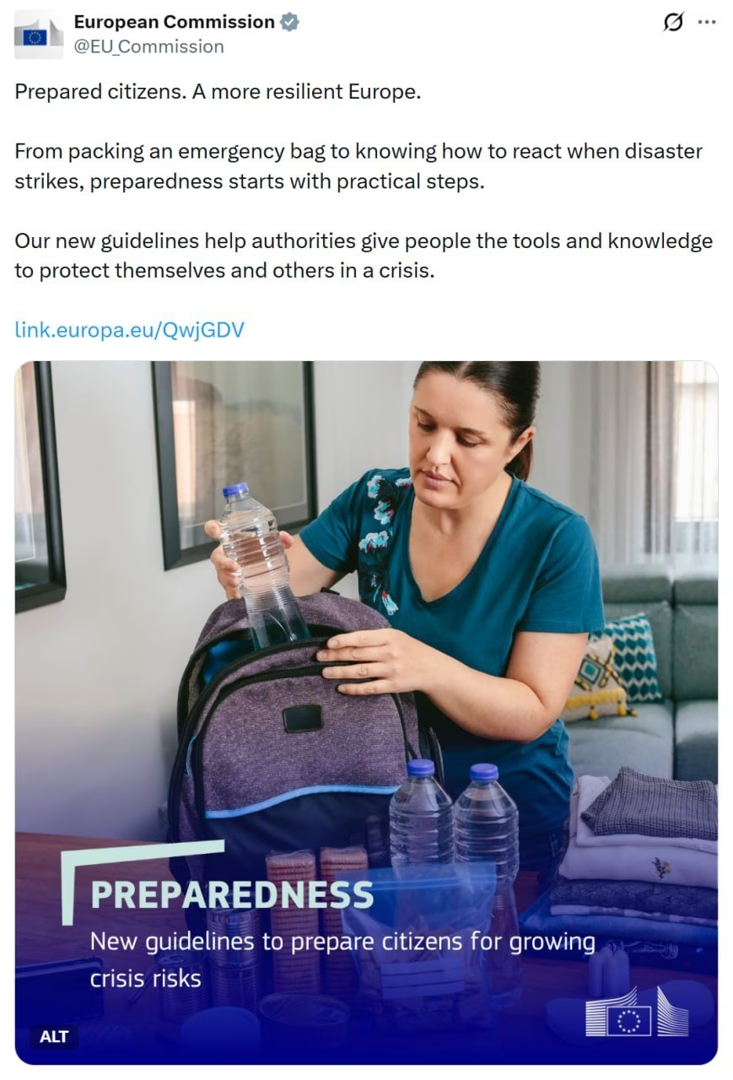
At the heart of the guidelines is a call for families to secure their own basic needs during the first three days of any emergency while public assistance is mobilized, with 72 hours identified as the minimum. Suggested supplies include stored water, food that does not require cooking, medicines and first-aid supplies, alternative sources of heating and lighting, a battery-powered radio, portable power banks and cash in small denominations in case electronic payments stop working, along with a separate bag for rapid evacuation.
People with disabilities and reliable information
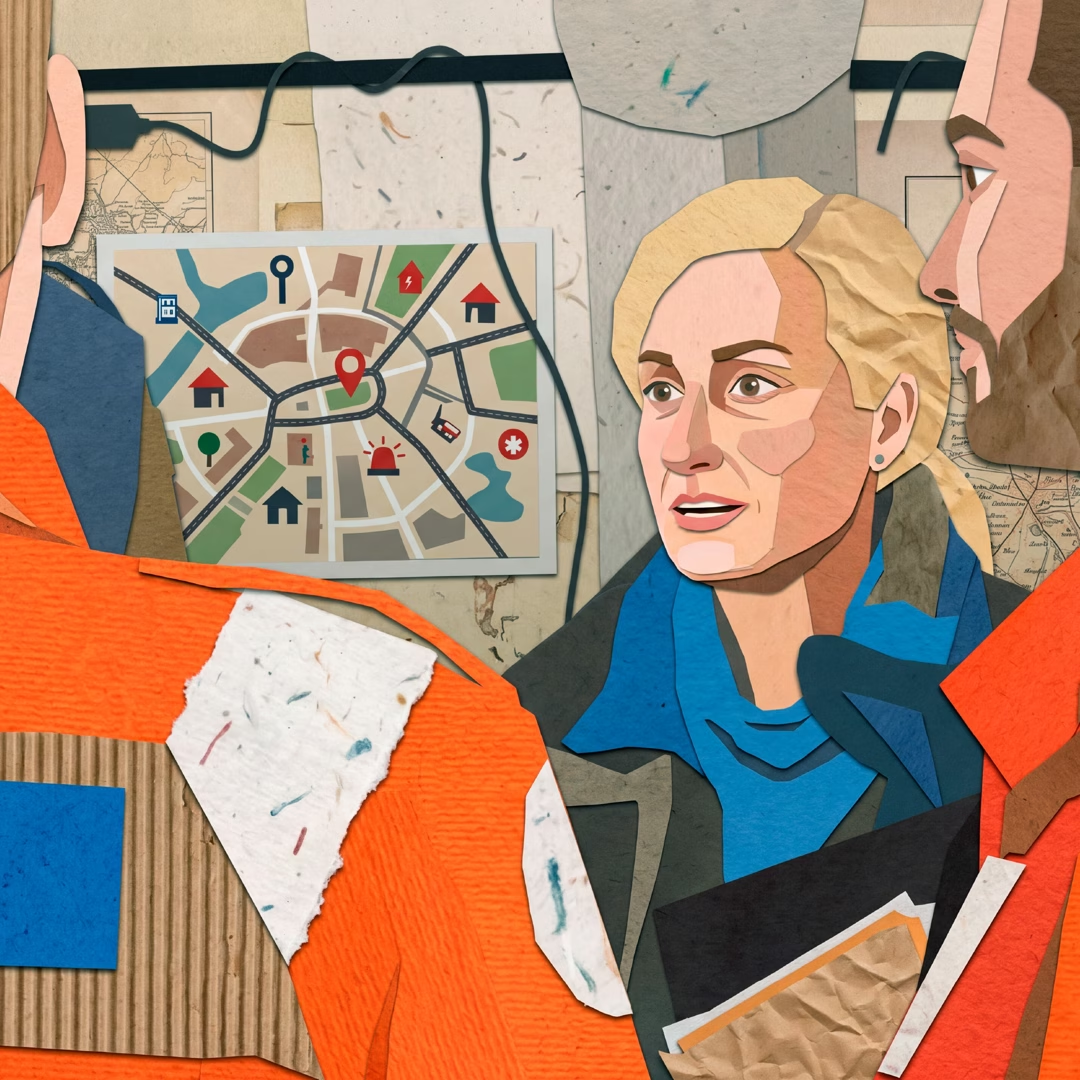
The guidelines call for people with disabilities and their organizations to be involved in emergency planning and drills, and for alerts, evacuation plans and shelters to take their needs into account. They also call for first responders to be trained to communicate with them. The guidelines urge authorities to provide citizens with reliable and timely information before, during and after emergencies.
The Commission also proposed designating October 23 each year, starting in 2027, as a “European Preparedness Day.” The date marks the establishment of the European Civil Protection Mechanism in 2001. The guidelines are nonbinding and are addressed to the 27 member states and the 10 countries participating in the mechanism, including Türkiye. The move implements the “Preparedness Union” strategy adopted by the European Union in March 2025 on the basis of a report by former Finnish President Sauli Niinistö.
Images: European Commission. Cover image: NewNicosia / Wikimedia Commons (archive)
Stay Updated with Hilal Times
Subscribe to be informed about special news, developments and announcements. We will keep you informed.
By signing up, you agree to our Privacy Policy