Led by Egypt, the Vic-Med project aims to establish a multimodal transport link between Lake Victoria and the Mediterranean spanning 10 African countries. In addition to Egypt, the project involves Sudan, South Sudan, Ethiopia, Uganda, Kenya, Tanzania, Rwanda, Burundi and the Democratic Republic of the Congo.
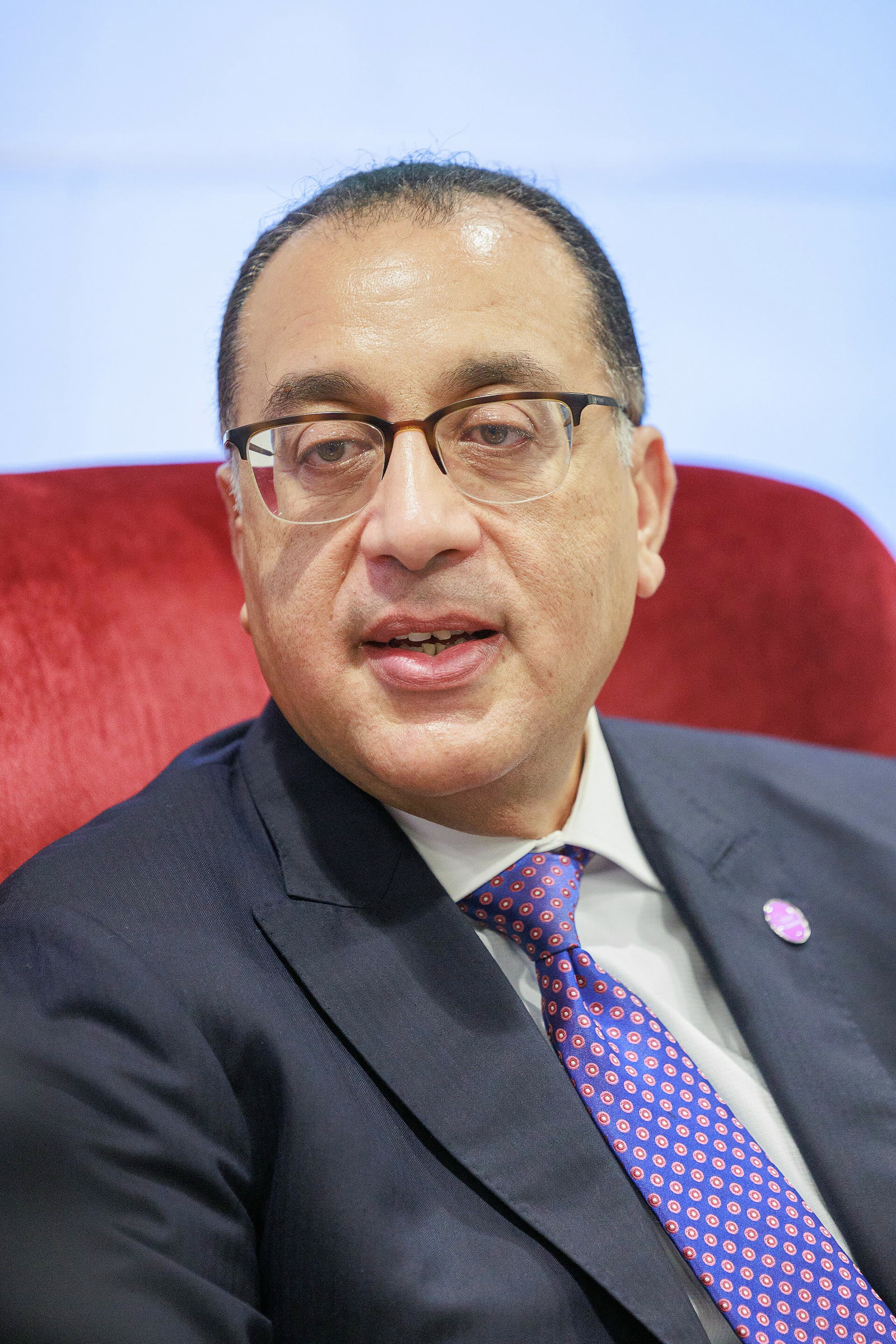
Egyptian Prime Minister Mostafa Madbouly said on Friday that the project’s second feasibility phase was continuing during the session titled "Development Corridors and Logistics Routes" held in the northern Egyptian city of El Alamein. The session was part of a series of high-level African events held from October 2 to 4.
Multimodal route from Lake Victoria to the Mediterranean
Under the Vic-Med project, river transport along the Nile Basin is planned to be integrated with railways and roads. The project aims to create a more energy-efficient and relatively low-cost route while supporting trade and tourism.
Five of the Nile Basin countries that stand to benefit from the project are landlocked. Improving access to ports, the Mediterranean, the Red Sea and global markets is therefore among Vic-Med’s main objectives.
Estimated cost of around $12 billion
The total cost projected for the feasibility studies and implementation is estimated at around $12 billion. Previous official Egyptian estimates had also put the project’s cost at between $10 billion and $12 billion.
The preliminary feasibility study was completed in May 2015, while the project’s first feasibility phase ended in July 2019. The first part of the second phase is intended to examine the proposed options and select the most suitable route. Hydrological, topographic and geological data will be collected, and economic studies will be prepared during this process.
The second part will involve a strategic assessment of the project’s environmental and social impacts. With consultancy services and the deployment of experts, work on this phase is continuing in 2025 and 2026.
Transport route to become an economic corridor
Madbouly said Vic-Med should not be considered merely a route for transporting goods to ports or connecting two points. The Egyptian prime minister said the corridor should link production areas with consumption centers and markets, bringing transport, energy, communications, logistics services, industrial zones and urban areas together within a single structure.
According to Madbouly, the aim is not only to build roads, railways and ports but also to integrate these infrastructure elements into a common economic system that generates value along the corridor. This approach is aligned with the African Union’s Agenda 2063, the Programme for Infrastructure Development in Africa and the objectives of the African Continental Free Trade Area.
Egypt’s port and logistics links
Egypt is developing Vic-Med alongside transport and logistics investments within the country. Madbouly announced that seven integrated logistics corridors had been established to connect industrial, agricultural and mining production areas with seaports.

As part of this effort, the aim is to connect Red Sea and Mediterranean ports through dry ports and logistics zones. Egypt seeks to use its geographical position to serve as a link between Africa and the Mediterranean, the Red Sea and global markets.
Need for financing and cross-border coordination
Implementing the project will require not only infrastructure investments but also the establishment of joint institutional structures among the countries, the harmonization of legislation and procedures, and the facilitation of cross-border trade, customs procedures and data flows.
Financing needs are also among the project’s main challenges. Madbouly said the corridors should be treated not merely as transport routes but as integrated economic systems capable of attracting the private sector, development finance institutions and long-term investment.
The Egyptian prime minister said cross-border coordination through the African Union and regional economic communities, alongside bilateral cooperation, would be needed for the project to succeed. Madbouly said the routes should serve as "development corridors before transport corridors."