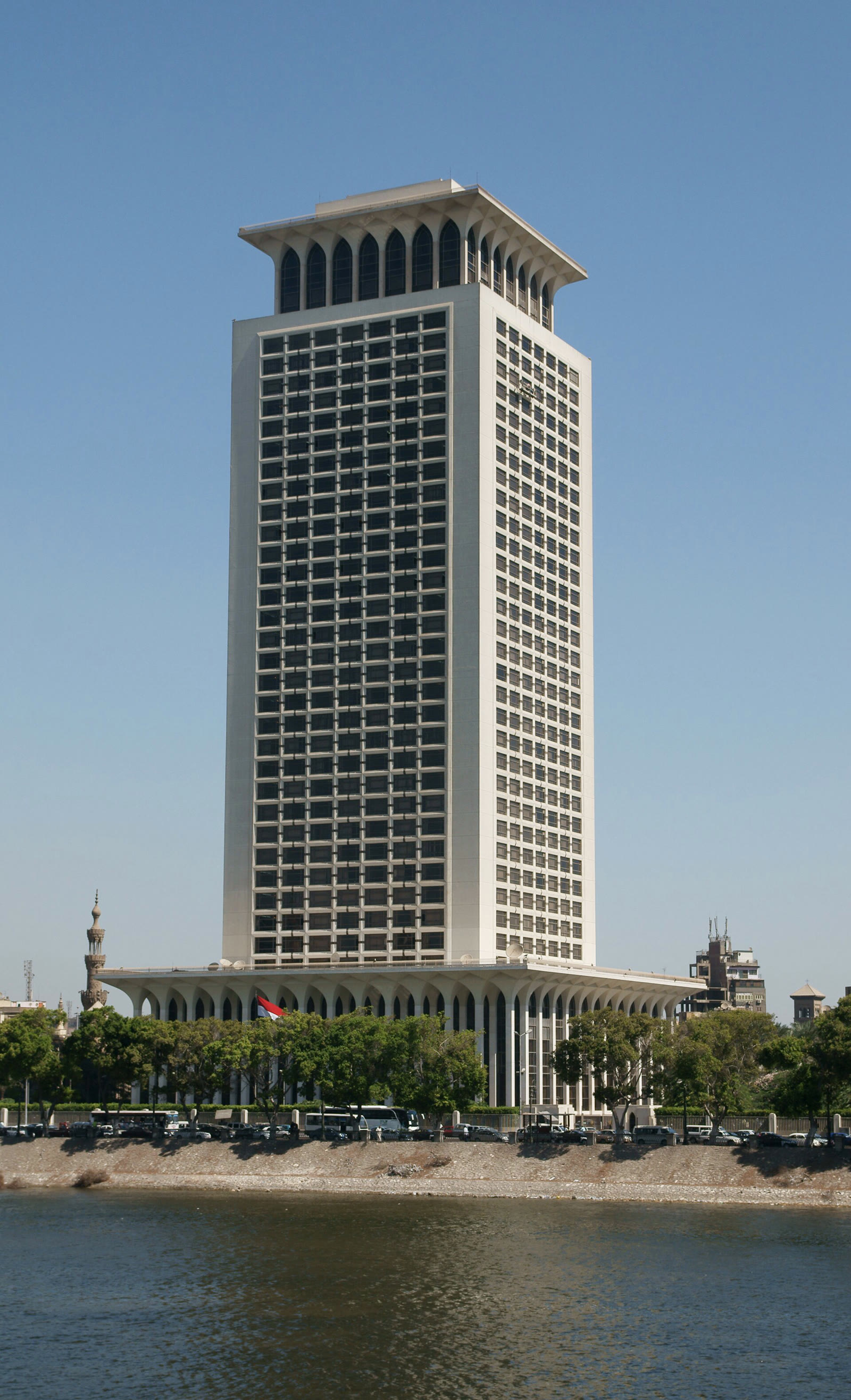
Diplomatic tensions between Egypt and Ethiopia have escalated into reciprocal expulsions amid the dispute over a dam on the Nile River and fighting in Tigray. Cairo declared the counselor at Ethiopia’s Embassy in the country persona non grata and ordered him to leave within 48 hours.
An unnamed Egyptian official said the decision was taken on the basis of reciprocity after Ethiopia granted the same status to a diplomat serving at Egypt’s Embassy in Addis Ababa. The official described Ethiopia’s move as “regrettable” and “unjustified.”
The official said Cairo rejects interfering in the internal affairs of states and commenting on developments in other countries, adding that Egypt respects the rules of international law and the United Nations Charter. The official also argued that Ethiopia seeks to explain its internal problems and failures during successive crises by claiming that external actors are playing a role.
Ethiopia’s decision prompted a reciprocal move
Ethiopia had previously declared Egyptian diplomat Ahmed Mahrem Ahmed Suleiman persona non grata and notified the Egyptian Embassy that he had to leave the country within 48 hours of the notification.
Addis Ababa delivered a diplomatic note to the Egyptian Embassy regarding the measure. Ethiopia said the decision was based on the Vienna Convention on Diplomatic Relations, but the Ethiopian Foreign Ministry did not provide a reason.
Statements issued by Ethiopia about a week earlier were said to imply that Egypt could become involved in the conflict between the federal government and the Tigray People’s Liberation Front. Ethiopian Chief of Staff Berhanu Jula also alleged on September 25 that foreign powers were destabilizing the country by supporting armed groups and linked Sudan, Egypt and Eritrea to that support.
Egyptian Foreign Ministry spokesman Nader Zaki said on September 29 that Cairo had not interfered in the internal affairs of any state. Zaki said claims questioning Egypt’s commitment to this principle did not reflect the truth.
Tigray and the dam dispute heightened tensions
Armed clashes began on September 24 in Ethiopia’s northern Tigray region between the federal government and the Tigray People’s Liberation Front. The following day, Ethiopia’s chief of staff alleged that foreign powers were supporting armed groups.
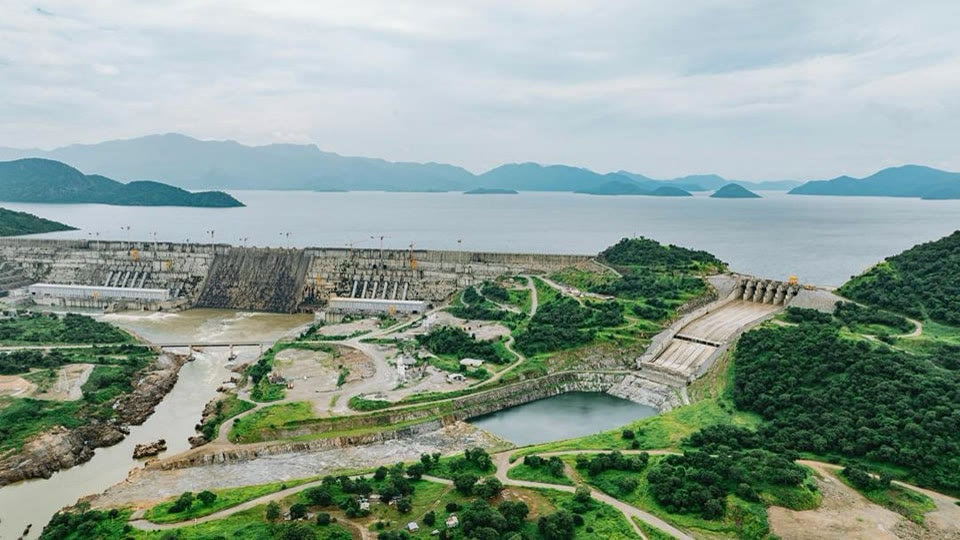
The diplomatic tensions unfolded as the dispute over the dam on the Nile River continued. Egypt’s Minister of Water Resources and Irrigation Hani Sweilam described the dam as “illegitimate” on September 20 and said his country had the right to defend its water security.
Egyptian Prime Minister Mostafa Madbouly said in a speech to the United Nations General Assembly on September 28 that Cairo reserved its legitimate right, guaranteed by international law and the United Nations Charter, to protect its water security.
Eritrea also faced reciprocal measures
Shortly before its decision concerning the Egyptian diplomat, Ethiopia closed its embassy in Asmara. Addis Ababa also declared 10 Eritrean diplomats serving in the country persona non grata and ordered them to leave within 48 hours.
Ethiopia said the move was taken in response to what it described as Eritrea’s “hostile actions” and “direct or indirect acts of war.” Addis Ababa accused the 10 diplomats of engaging in activities that posed a direct threat to national security.
Eritrea’s Foreign Ministry, meanwhile, severed all diplomatic relations with Ethiopia. The Asmara administration described Ethiopia’s decisions as “unjustified hostile actions” and rejected the accusations directed against it.
Fighting in Tigray resumed on September 23 after a relatively calm period following the Pretoria Peace Agreement signed in 2022. Addis Ababa accuses Eritrea of supporting its rivals in the conflict, while Eritrea denies the claim and argues that the Ethiopian government is trying to divert attention from its internal problems.