The olive harvest season in the West Bank is under pressure because of measures restricting Palestinian farmers’ access to their land. Amir Dawoud, head of documentation at the Palestinian Wall and Settlement Resistance Commission, said these measures were weakening Palestinians’ ties to their land.
Access restrictions during the olive harvest season
Dawoud said the olive harvest in the West Bank usually begins in early October and continues until the end of November. He said restrictions that make it difficult for farmers to reach their fields had increased during the harvest, an important agricultural period for villages and towns.
Dawoud said the olive tree carries symbolic, cultural and economic significance for Palestinians and represents a direct connection with the land. He said olive production was one of the main sources of livelihood, particularly in areas classified as Area C under the Oslo Accords.
More than 50,000 trees targeted
According to Dawoud’s statement, more than 50,000 trees have been attacked in the West Bank since the beginning of 2026. Dawoud said that, in addition to acts of damage and tree uprooting, preventing farmers from reaching their land was also part of these measures.
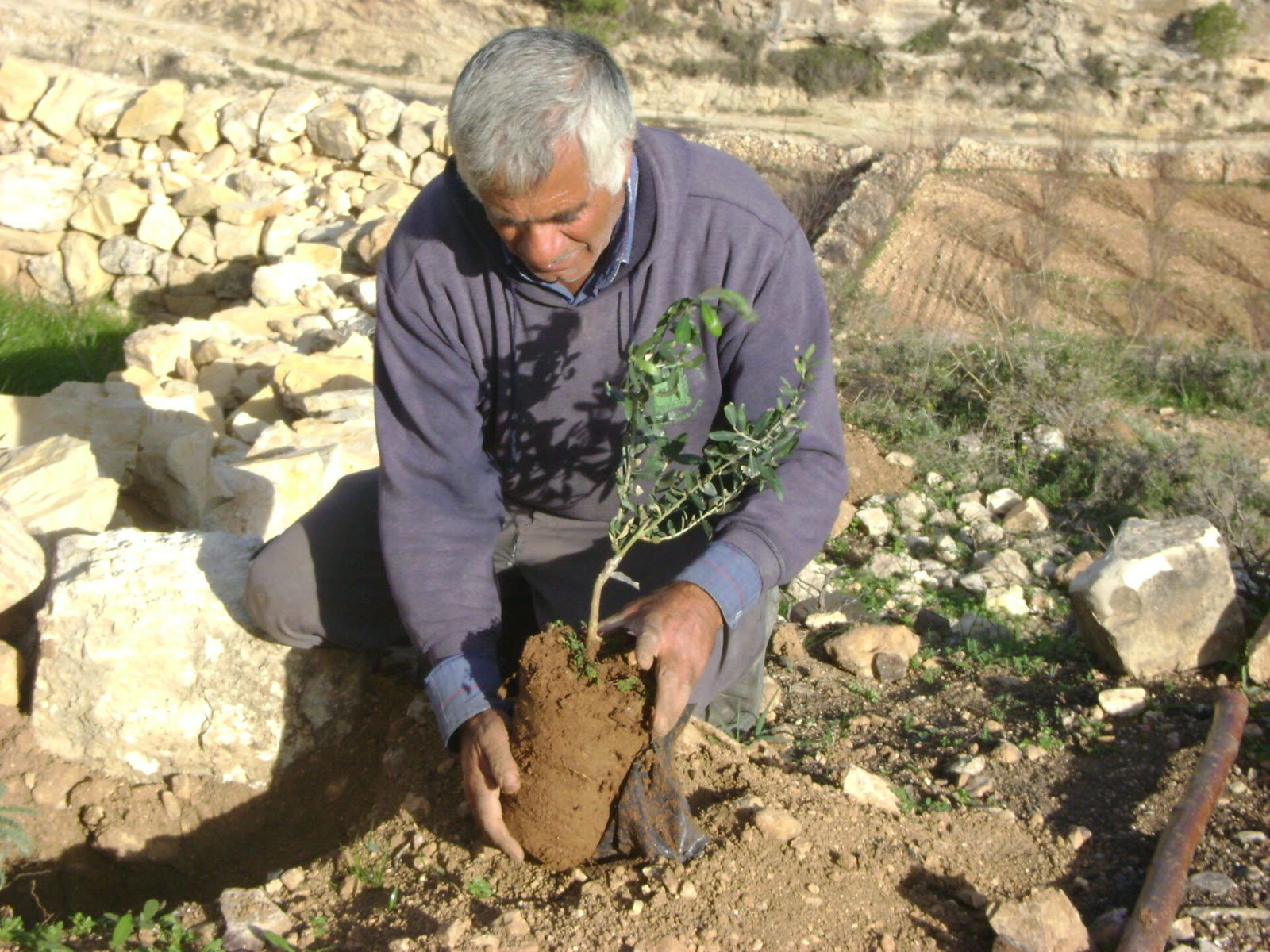
Dawoud said 55 tree-uprooting orders had been issued during the same period. He said this exceeded the approximately 48 orders recorded throughout 2025.
Most of the tree-uprooting orders targeted areas containing olive trees. Olive groves in the towns of Beit Rima and Deir Nizam, northwest of Ramallah, have also faced similar measures.
Farmers unable to reach their farmland
Dawoud said farmers were unable to reach their fields because of settler actions, checkpoints, closed roads and the closure of some areas to Palestinians. He said these measures restricted access to more than 1.1 million dunams of farmland in the West Bank.
The Palestinian official said settlement outposts and movement restrictions in the area made it difficult for farmers to access their land regularly. He argued that attacks on trees, uprooting orders and access restrictions were complementary measures.
Ties to the land and livelihoods
Dawoud said targeting the olive season had three dimensions: cultural and symbolic value, economic resilience and control over the land. He said farmers’ inability to reach their trees left the land uncultivated and led to a decline in agricultural use.
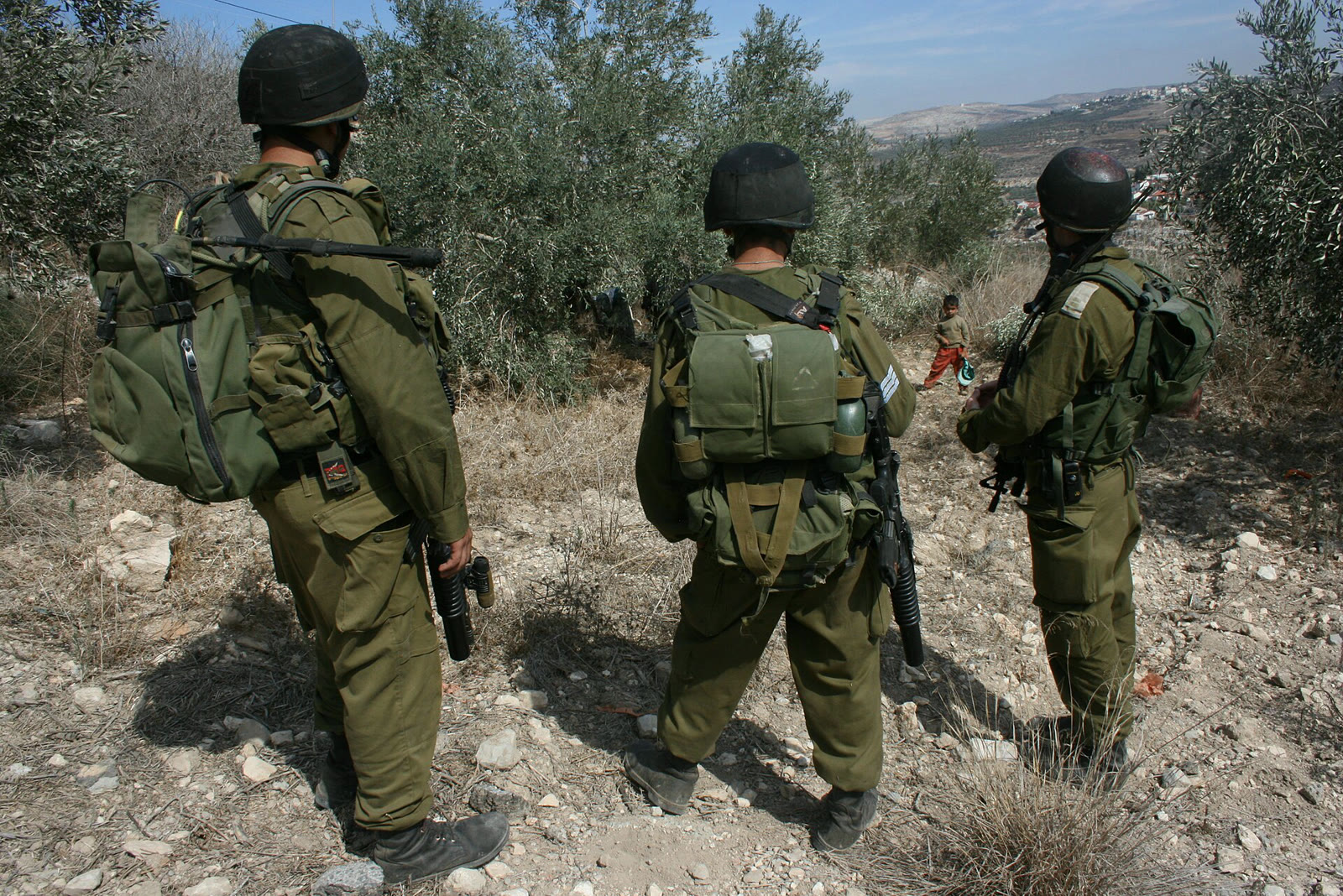
Dawoud said the olive tree had historically played an important role in protecting farmland and described preventing farmers from regularly accessing their land as a long-term process. He said this process could lead to reduced use of the land and pave the way for subsequent measures targeting ownership.
Pressure in the West Bank and the Gaza war
Dawoud argued that attacks by settlers against Palestinians and access restrictions imposed by the Israeli army had increased in the West Bank. He listed among these measures the killing and detention of Palestinians, the demolition of homes and structures, the burning of mosques and vehicles, the destruction of farmland and the prevention of farmers from reaching their fields.
The West Bank was divided into Areas A, B and C under the 1995 Oslo II Accord. Area C makes up approximately 60 percent of the West Bank and is under Israel’s full control.
Dawoud argued that political and regional developments in the West Bank, along with the war in Gaza, had created an environment conducive to imposing further restrictions on the ground. Dawoud said the measures targeting the olive season represented not only the loss of an agricultural period but also affected Palestinians’ ability to remain on their land and maintain their livelihoods.