- BIST10011,618-0.88%
- USD49.45+0.05%
- EUR55.62+0.37%
- GOLD4,188.80+0.18%
- INTEREST37.00%-1.00
- BITCOIN82,453+0.54%
- October 19, 202617°
- BIST10011,618-0.88%
- USD49.45+0.05%
- EUR55.62+0.37%
- GOLD4,188.80+0.18%
- INTEREST37.00%-1.00
- BITCOIN82,453+0.54%
- October 19, 202617°
Egypt rejects accusations of supporting groups fighting Ethiopia’s government
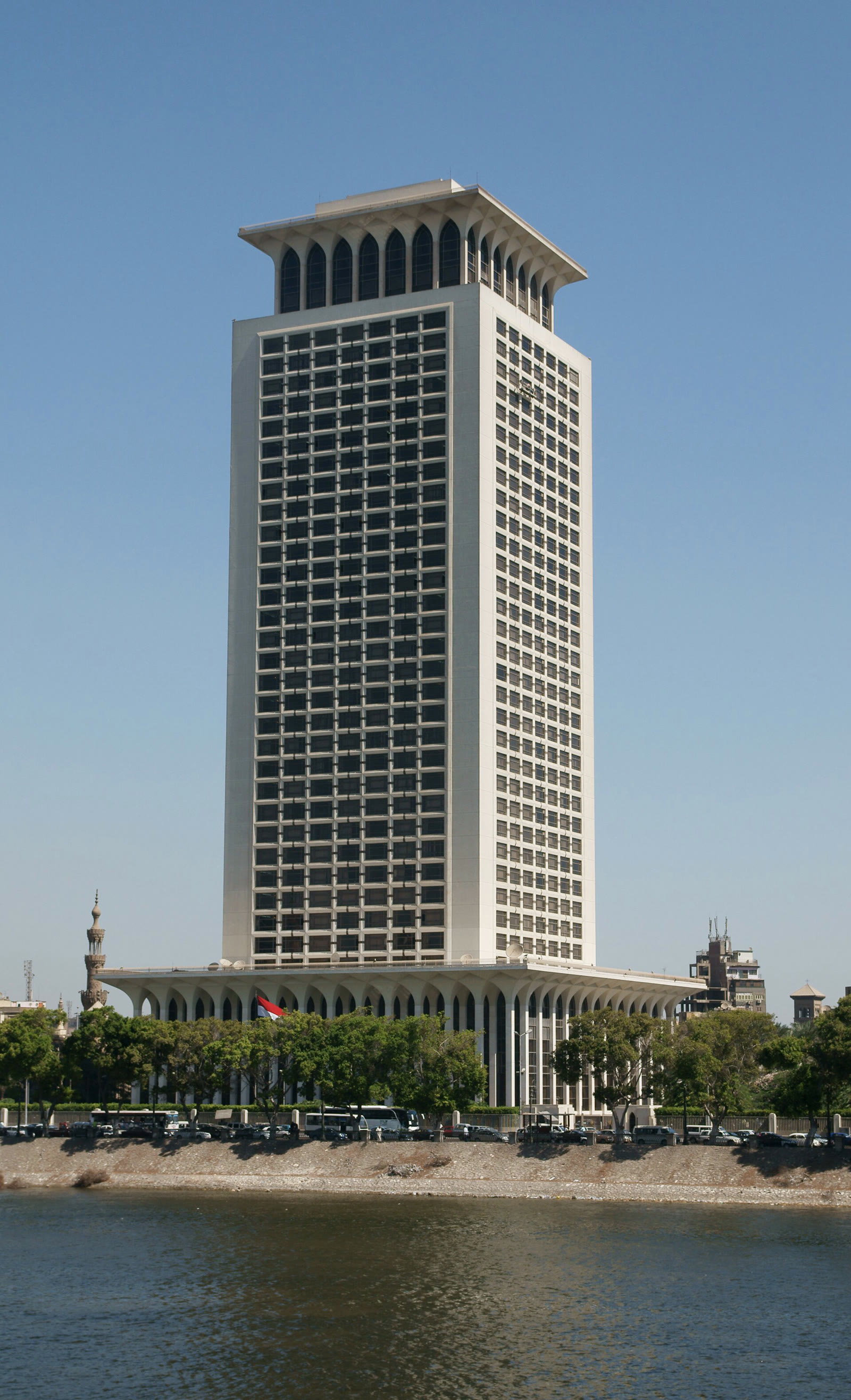
Egyptian Foreign Ministry spokesperson Nadir Zeki said Tuesday that his country had not interfered in the internal affairs of any state. The statement came after an Ethiopian military official linked Cairo and Khartoum to support for groups fighting the government.


Egyptian Foreign Ministry spokesperson Nadir Zeki said that his country respected the sovereignty, unity and territorial integrity of states and did not interfere in the internal affairs of other countries. Zeki said allegations questioning Egypt’s commitment to these principles were unfounded.
In a statement on the X platform, Zeki said Egypt’s foreign policy was based on the principle of noninterference. The statement came after Berhanu Jula, chief of staff of the Ethiopian National Defense Force, described Egypt and Sudan as among the external forces supporting armed groups against the Ethiopian government.
Jula argued that the armed alliance formed against the Ethiopian government by the Tigray Front could not achieve its objectives without support from Sudan, Egypt and other forces. The Egyptian government rejected the accusation.
Dispute over the Nile and the Grand Ethiopian Renaissance Dam
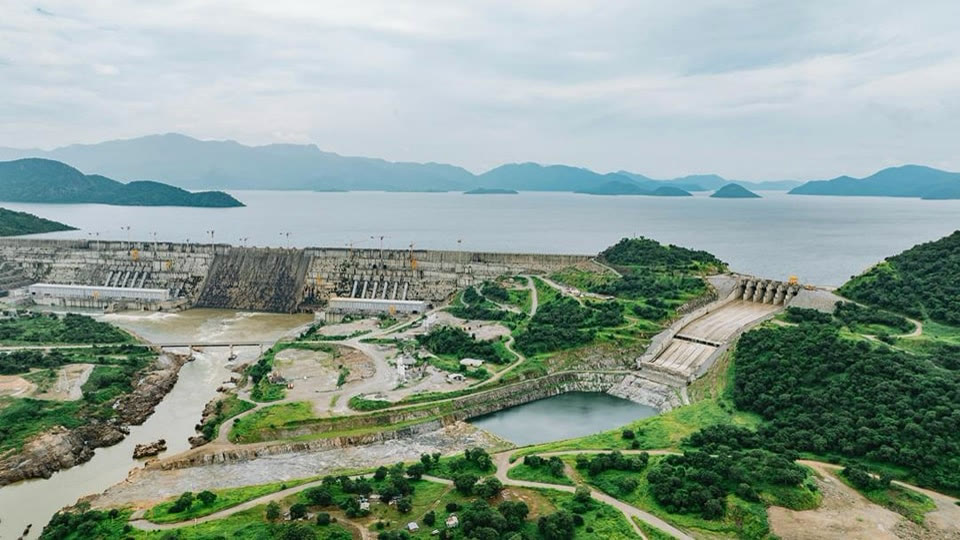
The Nile River and Ethiopia’s Grand Ethiopian Renaissance Dam are among the main sources of tension between Cairo and Addis Ababa. Ethiopia has refused to sign a binding agreement with Egypt on filling and operating the dam, while Cairo fears that its share of the Nile’s water could be affected.
Fighting resumes in Tigray
Fighting has resumed between government forces and the Tigray People’s Liberation Front in Ethiopia’s northern Tigray region. The Ethiopian government accused the front of attacking the Afar and Amhara regions and seizing airports in Tigray.
The clashes began a few days after seven armed opposition groups, including the Tigray People’s Liberation Front, Fano and the Oromo Liberation Army, formed an alliance against the government.
Flights were suspended at airports in and around the Tigray region following the armed clashes. The developments prompted warnings that a new humanitarian crisis could emerge in the Horn of Africa.
The Ethiopian government and the Tigray People’s Liberation Front had agreed to a permanent ceasefire under an accord signed on November 2, 2022, in Pretoria, South Africa’s administrative capital.
According to the African Union, at least 600,000 people were killed in the war between federal forces and the Tigray People’s Liberation Front from 2020 to 2022. The parties continued to accuse each other of violating the Pretoria Agreement after it was signed.
Stay Updated with Hilal Times
Subscribe to be informed about special news, developments and announcements. We will keep you informed.
By signing up, you agree to our Privacy Policy