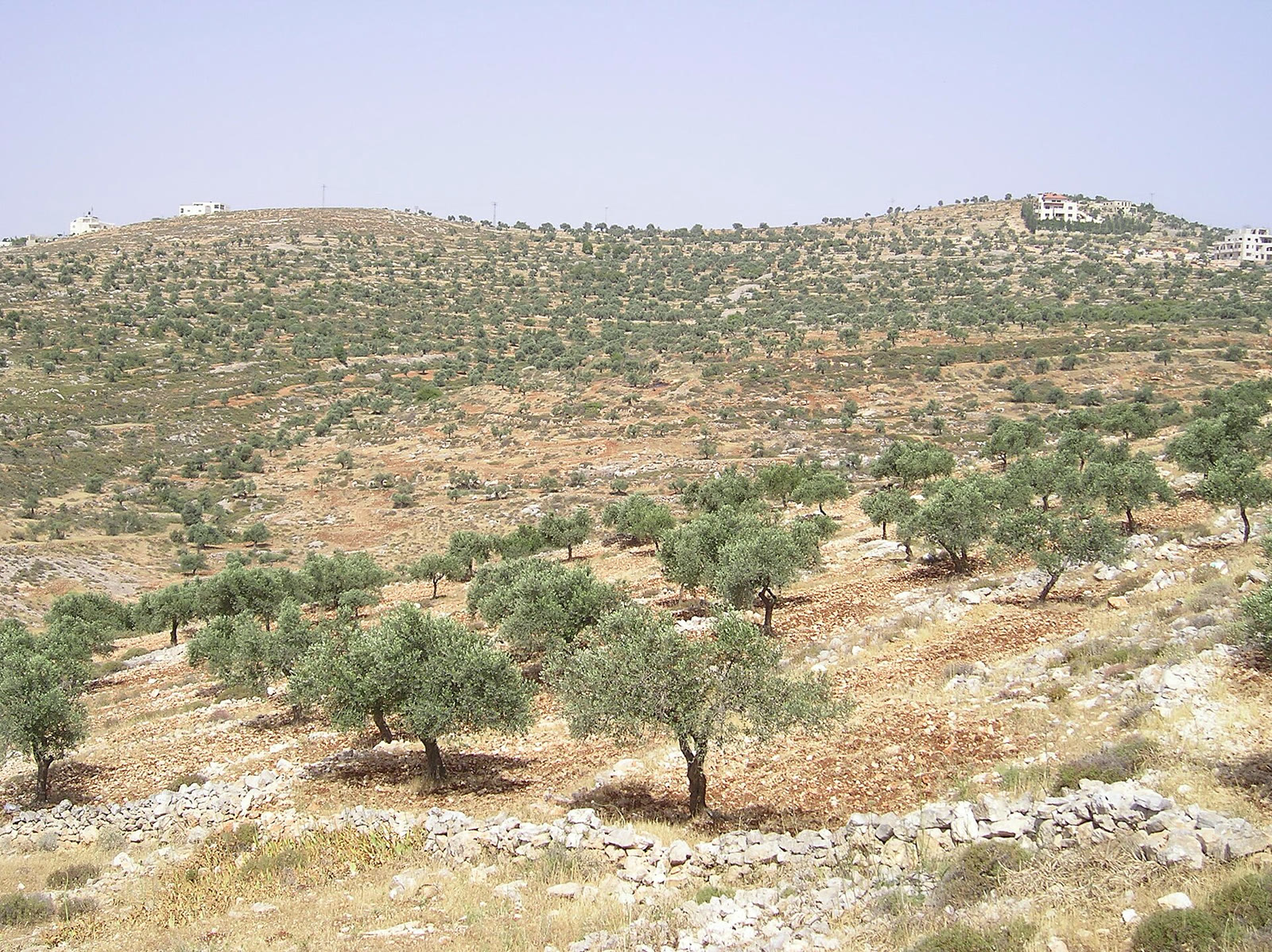
Palestinian farmer Bashir Naim, who owns an olive grove in Taybeh, northeast of Ramallah, said he could no longer reach his land safely. Naim said Israeli settlers broke the branches of his olive trees, collected some of the produce, and took some of the coverings and equipment he used during the harvest.
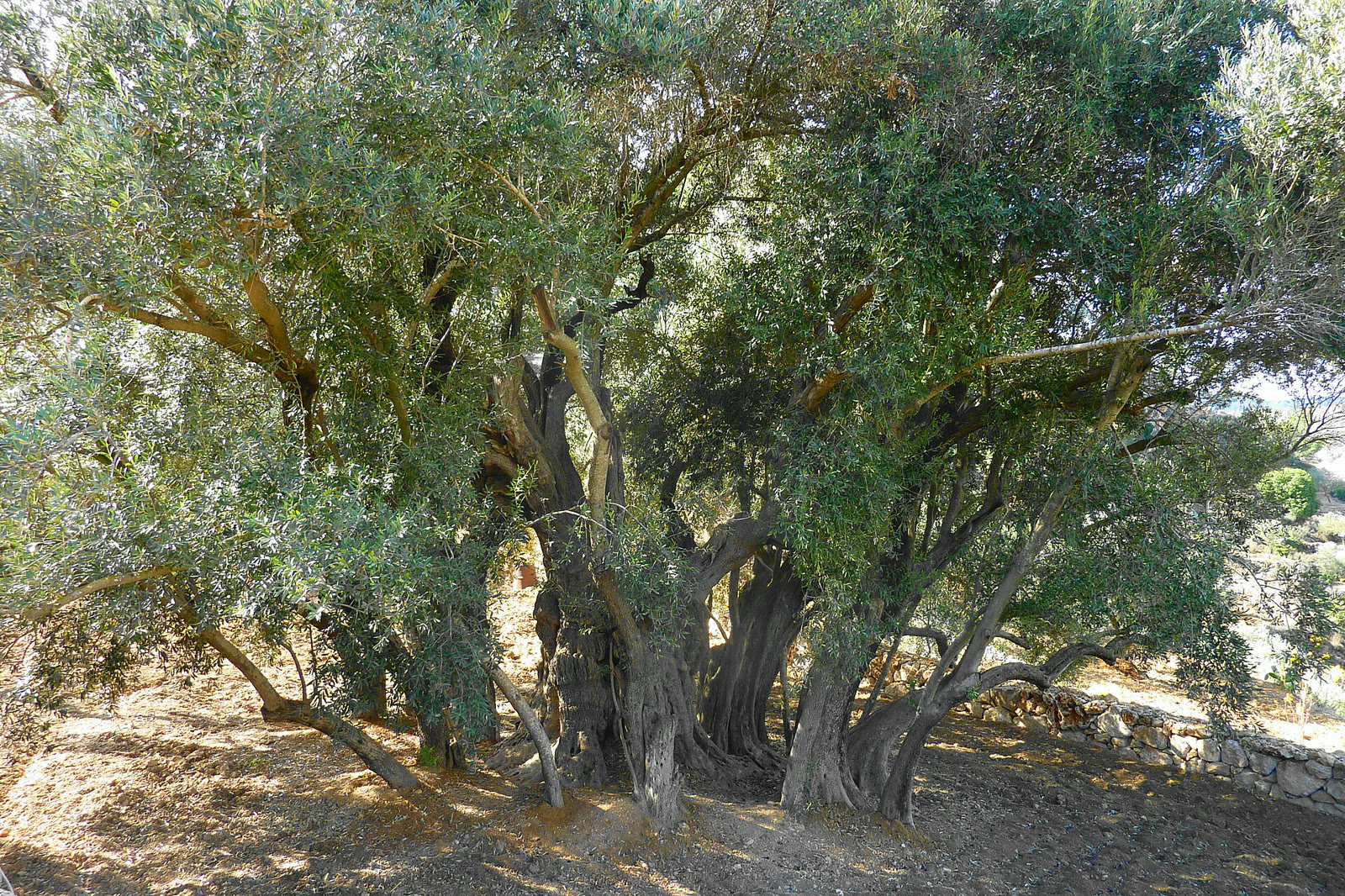
Naim said the approximately 6,000-square-meter plot contains olive trees dating back to the Roman period. He said he obtained around 40 tins of olive oil from the trees each year. The farmer noted that each tin contains either 16 kilograms or 20 liters, and said he feared losing most of this season’s harvest because he was unable to collect the produce on time.
The trees’ productive capacity was damaged
Naim said he saw the extensive damage to his land three days earlier. The farmer said branches had been broken, olives had fallen to the ground, and some of the fruit had been picked indiscriminately. He said settlers climbed the trees, struck the branches with sticks, and took some of the olives that fell to the ground.
Naim said the incident involved more than simply picking the olives and that the trees had also been deliberately damaged. Describing the olive grove he had maintained for many years as his most valuable possession, the farmer said the damage threatened his livelihood.
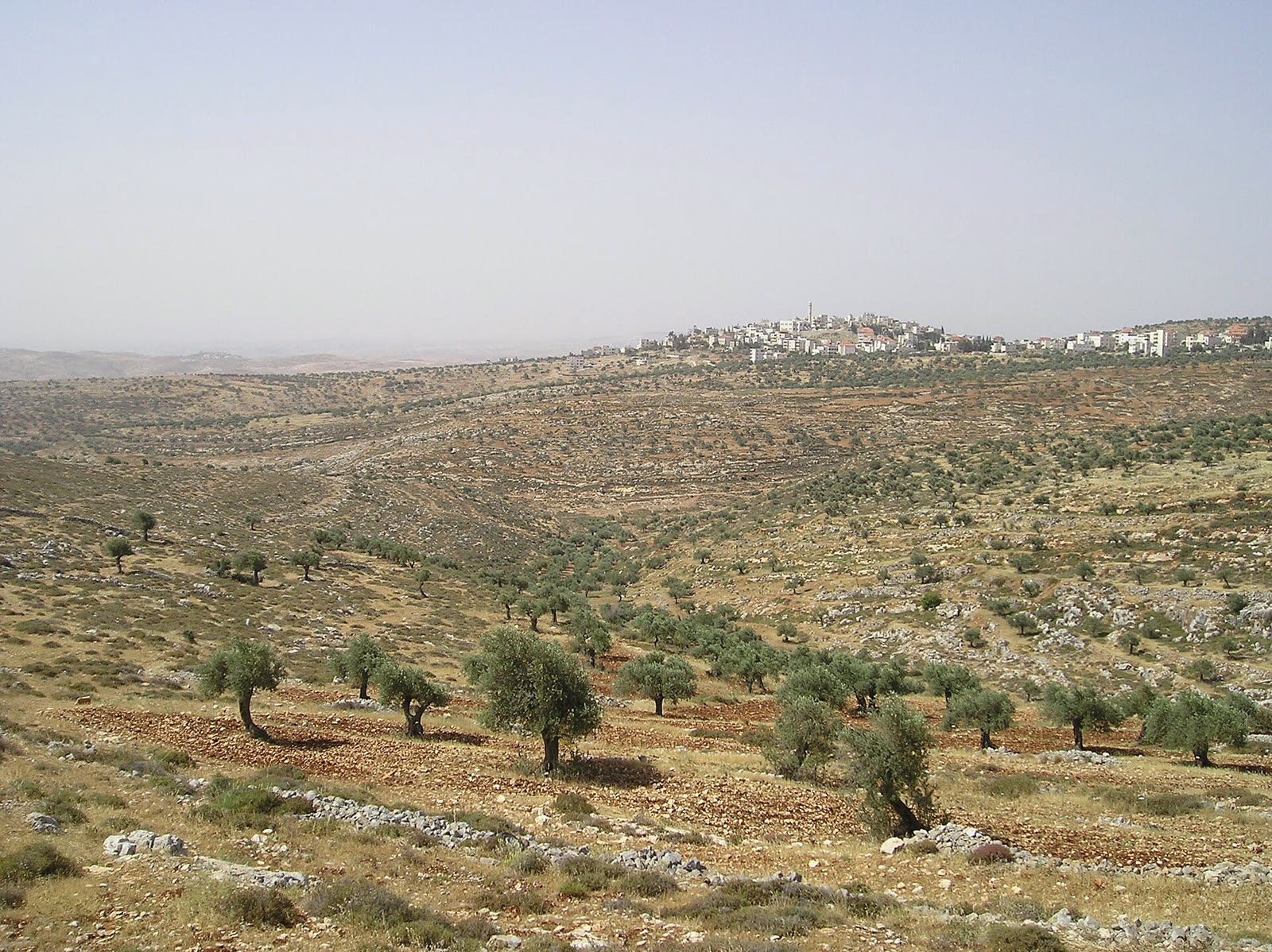
Naim said the damaged trees could take 2–3 years to regain their productive capacity after being pruned and restored. He said the current season had largely ended for him and that he had missed out on two harvest periods.
Activists’ support for the harvest was blocked
Peace activists who came to the area to help save the remaining olives wanted to assist the farmer during the harvest. However, the activists were removed from the area by settlers, preventing the support efforts from continuing.
Naim said some of the olives had still not been collected and called for protection so that Palestinian farmers could reach their agricultural land. He said this support could come from European solidarity groups or another organization able to accompany farmers to their land.
Settler attacks increase in Taybeh
Taybeh, in the northeastern West Bank, is among the towns with a large Christian population. Agriculture and tourism are important sources of livelihood for some residents of the town, which is home to churches as well as religious and historic sites.
Settler attacks targeting homes, land and livelihoods have increased in recent months. Local and religious groups warned that the continuation of the attacks was prompting families and young people to consider emigrating.
The Israeli army declared Taybeh a military zone on August 10. Under the decision, Israelis who do not reside in the area and foreigners were barred from entering, while no similar restriction was imposed on town residents.
The mayor of Taybeh said the closure decision did not provide the protection needed by town residents and negatively affected tourism revenues that depend on visitors. Residents and religious leaders also said settlers continued to reach the town’s lands after the decision.
136 attacks during the olive harvest season
The Palestinian Commission Against the Wall and Settlements announced that it had documented 136 attacks linked to the Israeli army and settlers since the olive harvest season began in October.
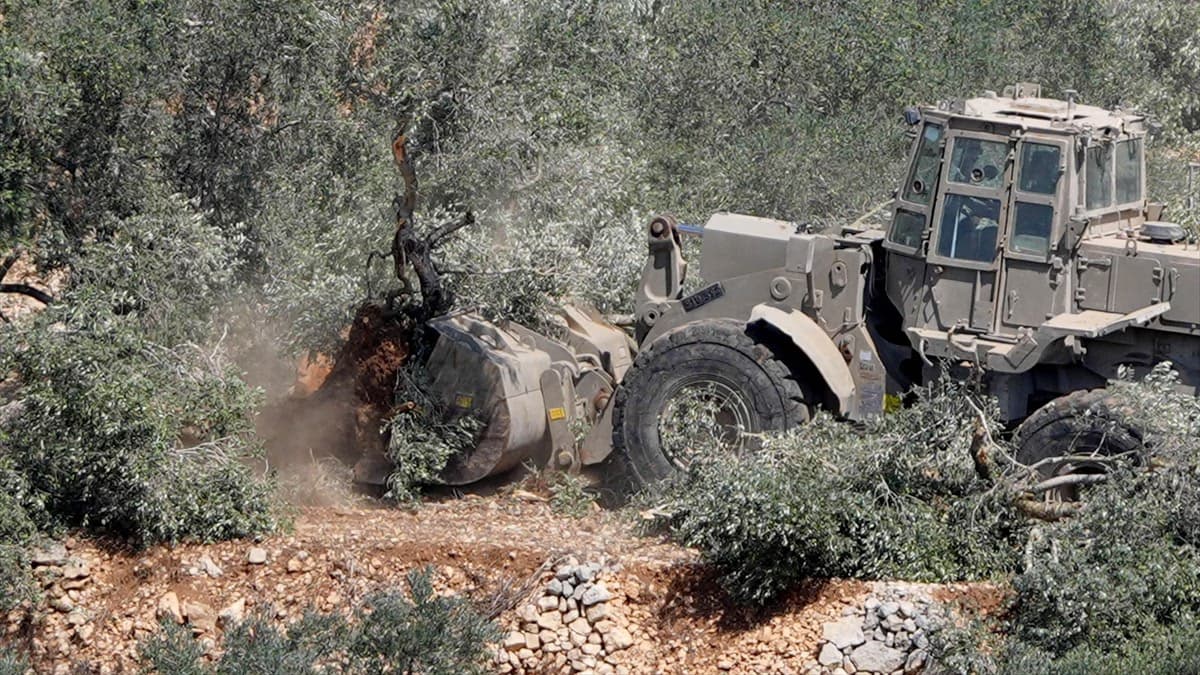
The commission said the attacks included beatings, removing farmers from their land, intimidation, gunfire, the use of gas, arrests, the theft of produce and harvesting equipment, and the destruction of trees.
Attacks against Palestinians and their property in the West Bank and East Jerusalem have increased since the war in Gaza began in October 2023.