- BIST10011,483+1.32%
- USD50.07+0.05%
- EUR55.96-0.52%
- GOLD4,074.90-0.94%
- INTEREST36.00%-1.00
- BITCOIN75,711-0.06%
- November 8, 20267°
- BIST10011,483+1.32%
- USD50.07+0.05%
- EUR55.96-0.52%
- GOLD4,074.90-0.94%
- INTEREST36.00%-1.00
- BITCOIN75,711-0.06%
- November 8, 20267°
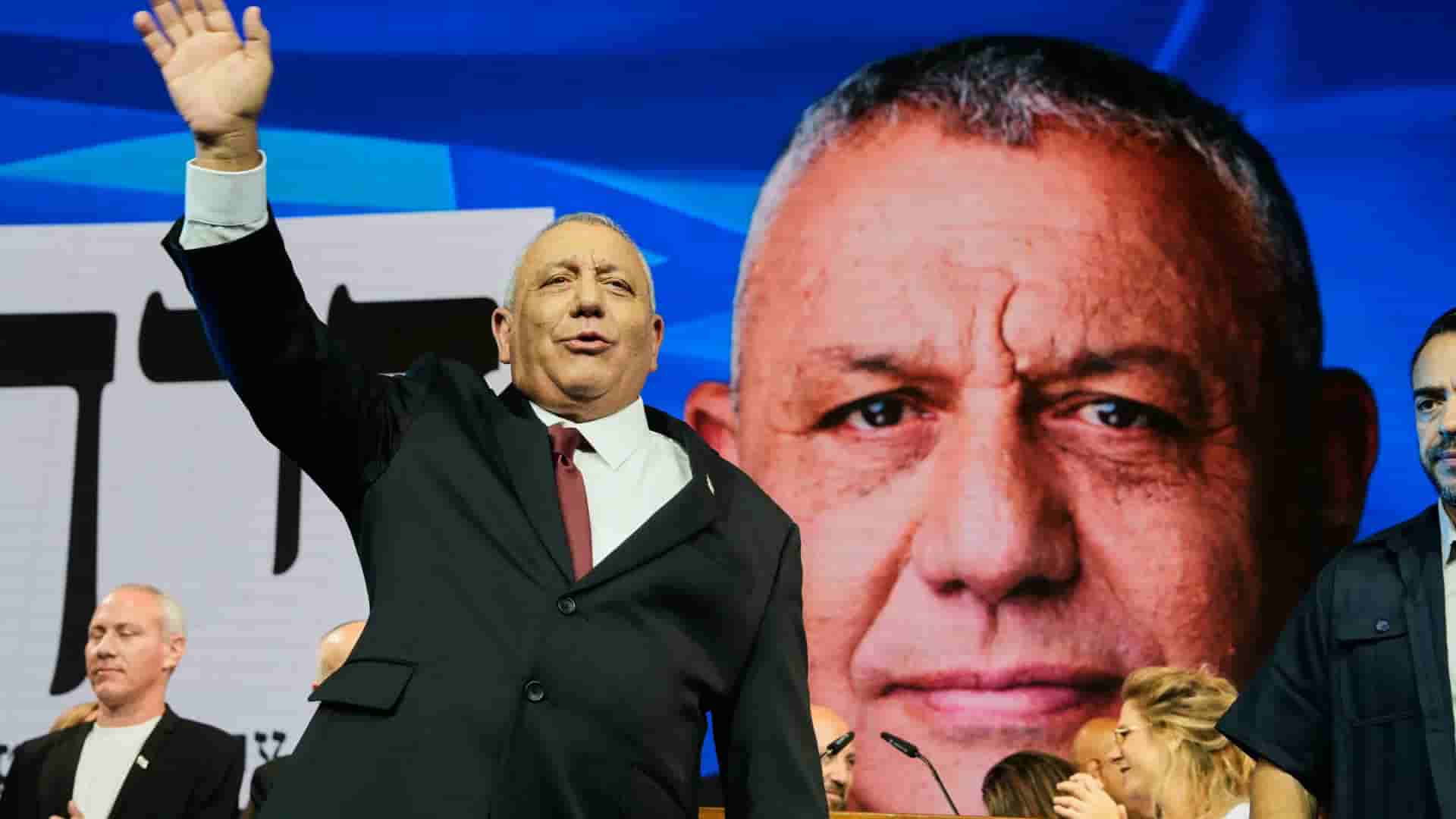
Eizenkot wins 67 recommendations, nears mandate to form government
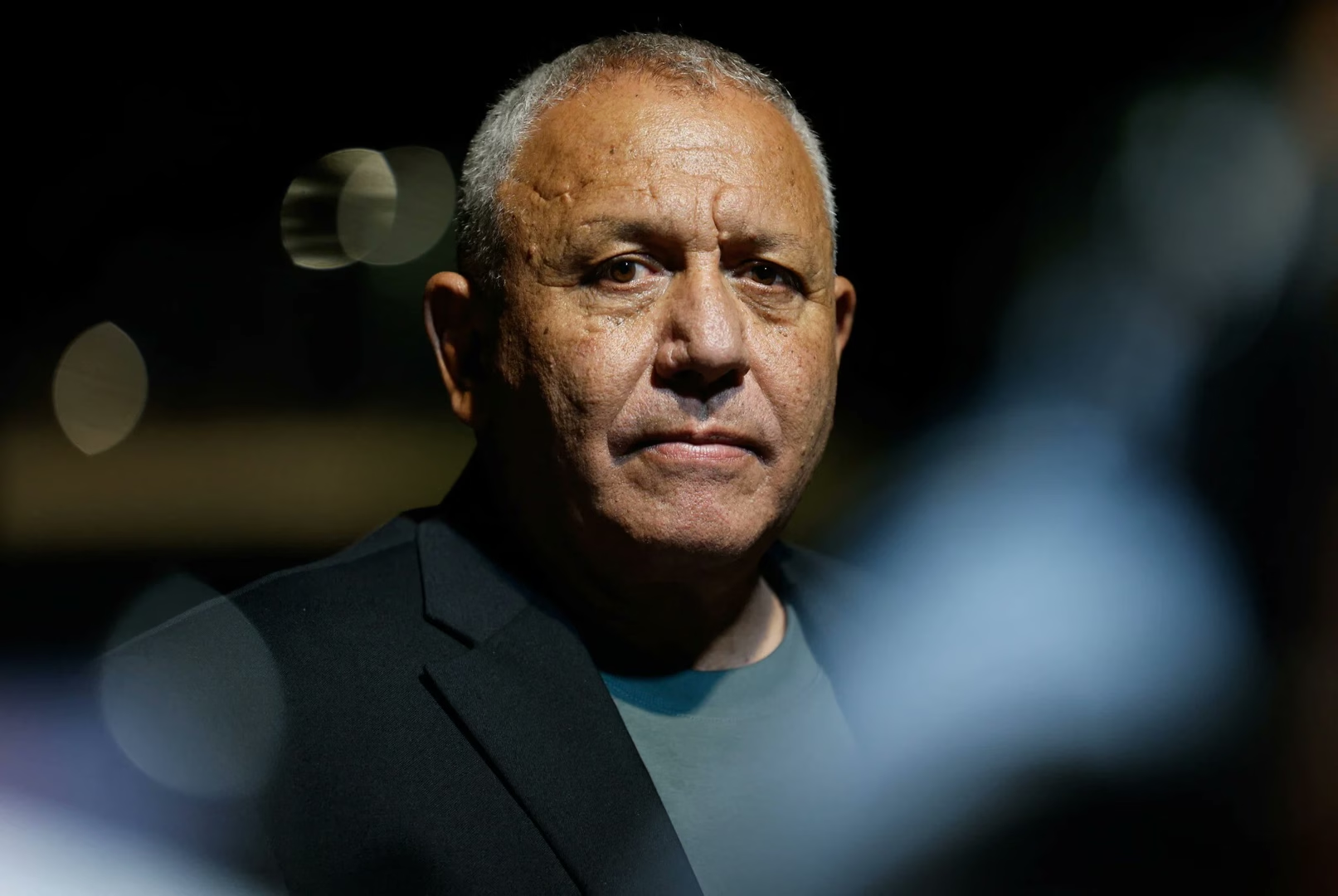
Yashar party leader Gadi Eizenkot received recommendations from 67 lawmakers, compared with 46 for Benjamin Netanyahu, from Israeli President Isaac Herzog to be tasked with forming the government. Herzog has until November 11 to make the appointment, while reports indicate Eizenkot is considering a minority government.
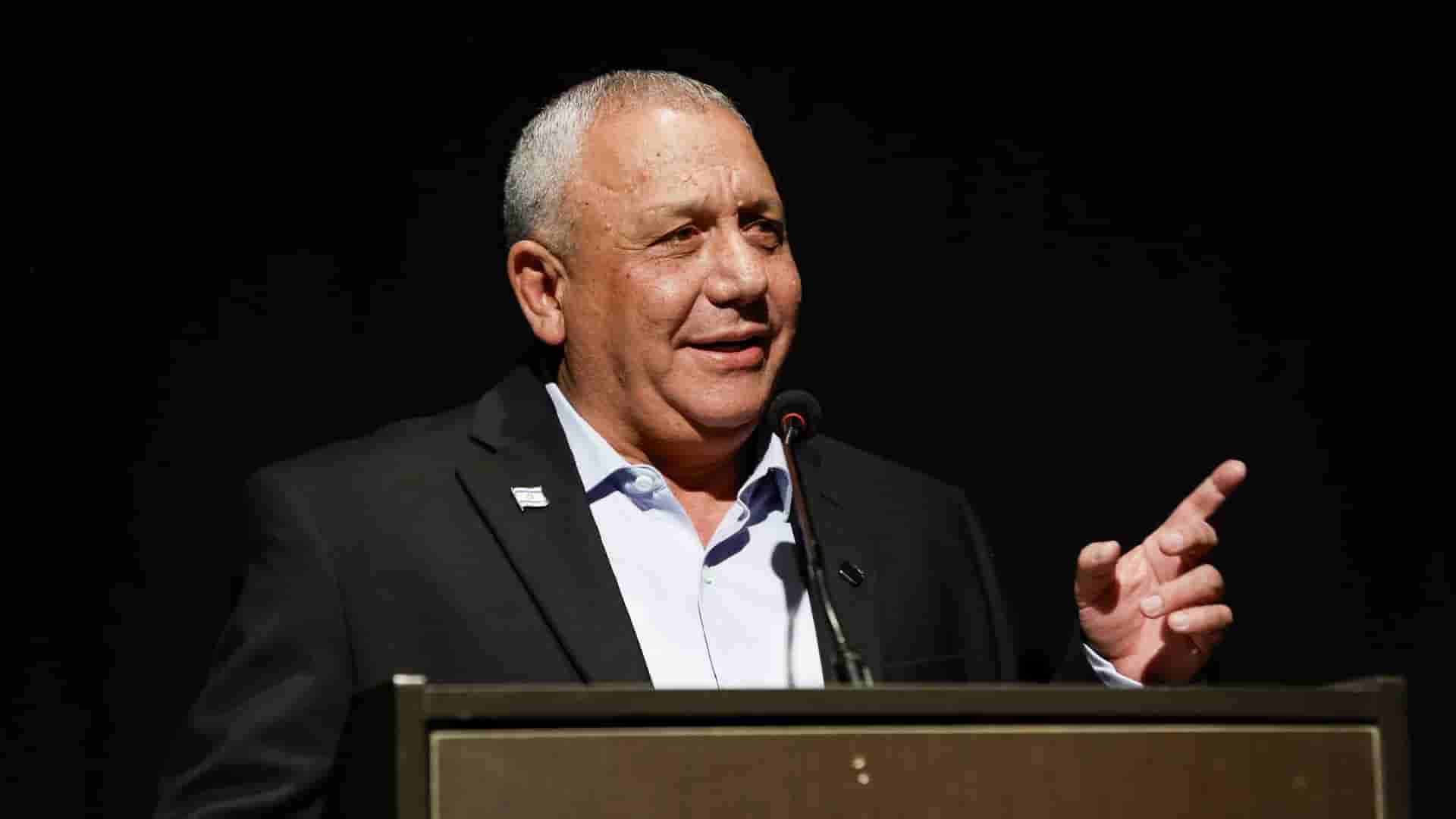
Israeli President Isaac Herzog concluded consultations on Thursday with the parliamentary blocs that won seats in the Knesset election held on October 27, as Yashar party leader and former army chief Gadi Eizenkot emerged with a clear lead. According to the tally published by the Hebrew-language Ynet website, 67 of the 120 lawmakers recommended that Eizenkot be tasked with forming the government, compared with 46 who recommended Prime Minister Benjamin Netanyahu.
Eizenkot received recommendations from Yisrael Beiteinu, which endorsed him on Wednesday, followed on Thursday by the United Arab List (Ra'am), the Democrats, Together, Yashar and the Joint List. Netanyahu received recommendations from Likud, Shas, Religious Zionism, Otzma Yehudit and Zehut. Herzog departed from the usual practice this time by receiving the smaller blocs first in ascending order according to their representation, with Likud the last delegation.
United Torah Judaism turns its back on Netanyahu
The most significant shift came from the ultra-Orthodox United Torah Judaism party, Netanyahu's traditional ally, which holds seven seats and decided not to recommend any candidate. As a result, the number of lawmakers recommending Netanyahu fell from 53, the size of his election bloc, to 46. Anadolu Agency reported that the party's representatives left the door open to supporting a candidate who meets their demands, chiefly allowing ultra-Orthodox men to devote themselves to Torah study and reaching an agreement on military service.
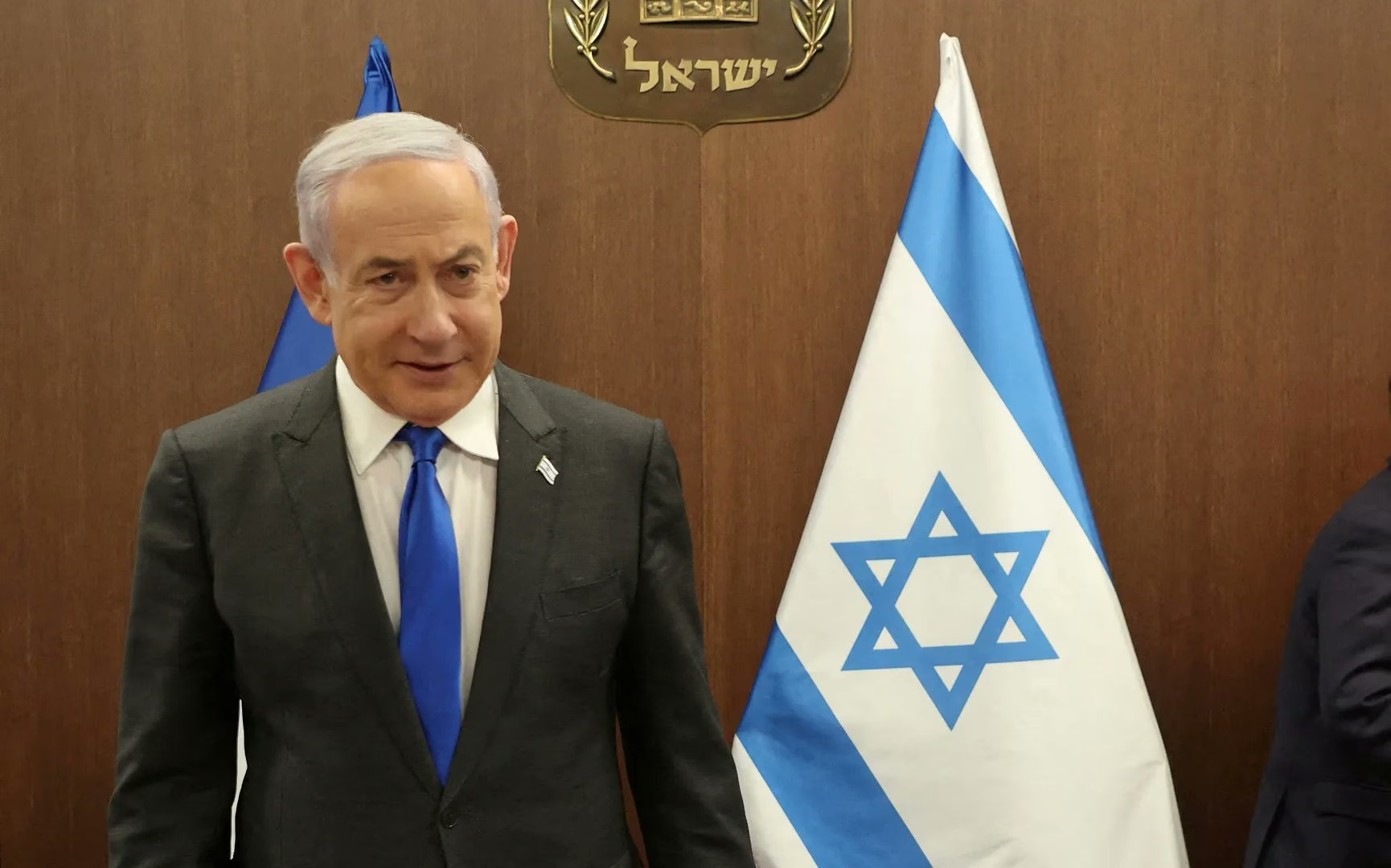
Netanyahu will remain at the head of a caretaker government until a new government is formed. Yoram Cohen of Yashar said Netanyahu “will become a transitional prime minister starting tomorrow, and this is democratically unacceptable,” while Orit Farkash-Hacohen, also from the party, said: “We have reached the point of no return, and entrusting Eizenkot with the mandate is nothing less than saving Israel.” During his meeting with the party's delegation, Herzog said this “underscores the need for a broad government.”
Joint List: The gap must be widened
The Joint List announced that its decision to recommend Eizenkot was unanimously approved by its three components “in response to the public's demand to prevent Netanyahu and his government from returning to power,” the Times of Israel reported. It added: “Although Eizenkot received more recommendations than Netanyahu, we believe it is important to widen the gap between them,” noting that the opposition bloc had not yet shown sufficient readiness to confront Netanyahu's approach.
Ra'am leader Mansour Abbas also recommended Eizenkot. The two Arab lists together hold 19 seats, a record number, and have expressed willingness to provide parliamentary “safety-net” support for an Eizenkot-led government without joining it, in exchange for guarantees for Arab citizens, including halting home demolitions and incitement, fighting crime and opening a political horizon for the Palestinians, according to Anadolu Agency. A recommendation does not necessarily mean that these parties will join the coalition.
Minority government or a 61-seat coalition?
Eizenkot's lead in recommendations does not guarantee a governing majority, as any government needs the confidence of at least 61 lawmakers. Channel 12 reported that Eizenkot is considering forming a minority government as early as next week, while negotiations continue to form a 61-seat coalition that would include ultra-Orthodox parties. According to the report, Yisrael Beiteinu leader Avigdor Lieberman has ended his years-long boycott of the ultra-Orthodox parties, and negotiations are underway with United Torah Judaism on the basis of the enlistment bill Lieberman proposed in 2018. There has also been discussion of a possible rotation between Eizenkot and Lieberman as prime minister.
Under Israeli law, Herzog must task one of the lawmakers with forming the government within seven days of the official publication of the election results, no later than November 11, Al Jazeera reported. The person tasked with forming the government is given 28 days, extendable by 14 days, while the new Knesset is to be sworn in on November 10. Eizenkot had pledged to form a “Zionist” government, while his party said that any unity government with Netanyahu was “out of the question.”
Images: Clash Report
Stay Updated with Hilal Times
Subscribe to be informed about special news, developments and announcements. We will keep you informed.
By signing up, you agree to our Privacy Policy