- BIST10011,618-0.88%
- USD49.45+0.05%
- EUR55.62+0.37%
- GOLD4,188.80+0.18%
- INTEREST37.00%-1.00
- BITCOIN82,453+0.54%
- October 19, 202617°
- BIST10011,618-0.88%
- USD49.45+0.05%
- EUR55.62+0.37%
- GOLD4,188.80+0.18%
- INTEREST37.00%-1.00
- BITCOIN82,453+0.54%
- October 19, 202617°
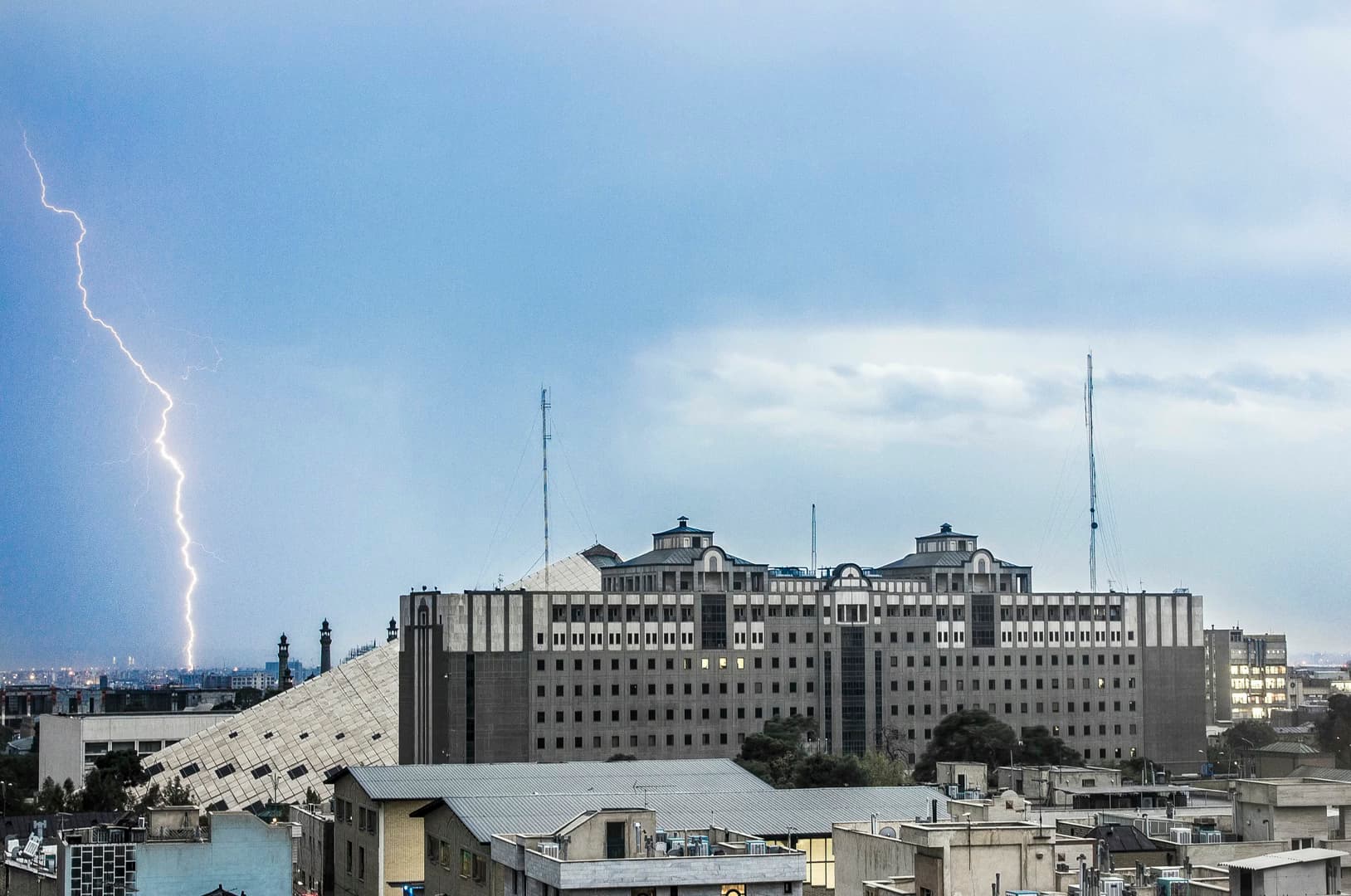
Ghalibaf says Iran will keep Strait of Hormuz closed until US fulfills commitments
Iranian Parliament Speaker Mohammad Bagher Ghalibaf said in a speech to parliament on Sunday that the Strait of Hormuz would remain closed until the United States fulfills its obligations under the agreement reached in June. The agreement between Tehran and Washington collapsed after disagreements over navigation and security arrangements in the strait.


Stay Updated with Hilal Times
Subscribe to be informed about special news, developments and announcements. We will keep you informed.
By signing up, you agree to our Privacy Policy