- BIST10010,760-3.63%
- USD49.86+0.15%
- EUR55.82+0.52%
- GOLD3,898.90-3.29%
- INTEREST36.00%-1.00
- BITCOIN77,449+0.32%
- October 31, 202614°
- BIST10010,760-3.63%
- USD49.86+0.15%
- EUR55.82+0.52%
- GOLD3,898.90-3.29%
- INTEREST36.00%-1.00
- BITCOIN77,449+0.32%
- October 31, 202614°
Google satellite runs AI in orbit and responds with a haiku
Google’s first experimental satellite under Project Suncatcher ran an artificial intelligence model in orbit and responded to a command sent from Earth with a haiku, marking a step toward establishing data centers in space.
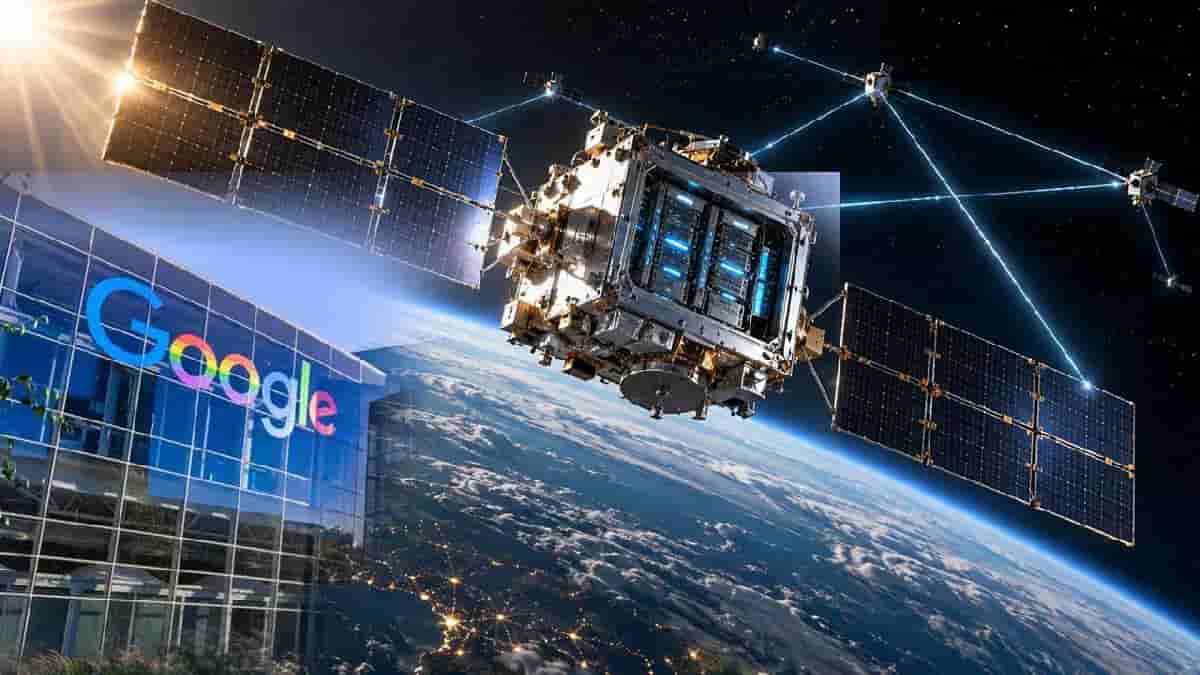
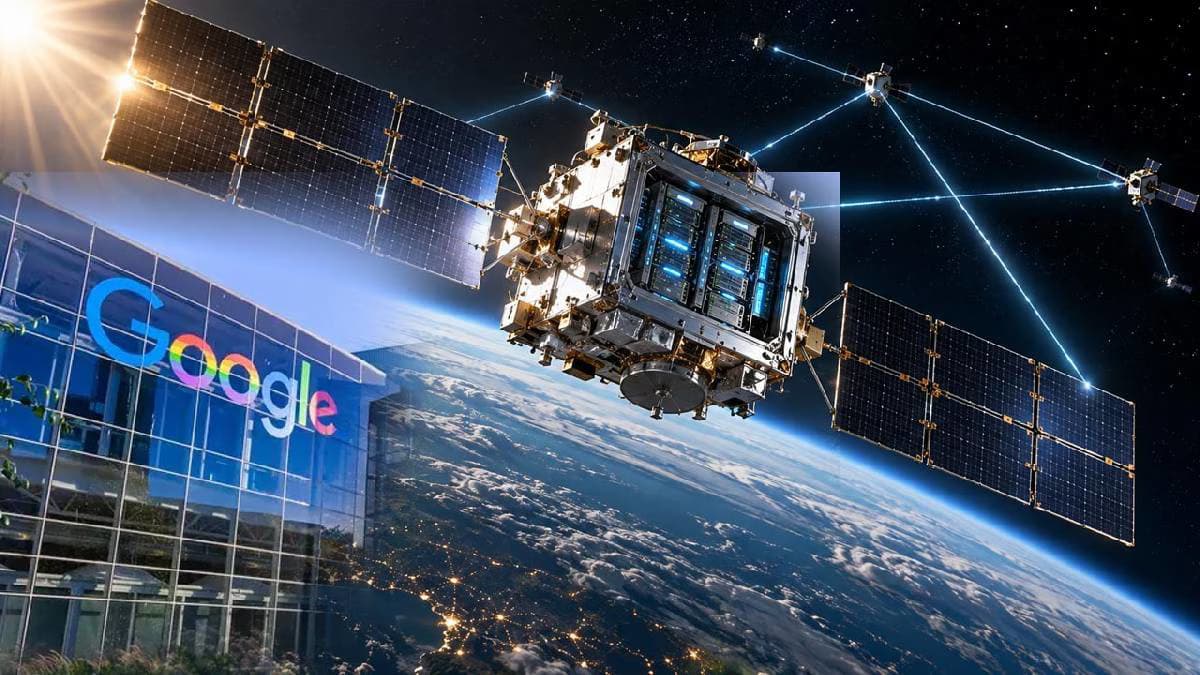
Google successfully ran an artificial intelligence model aboard a satellite in orbit for the first time as part of Project Suncatcher, which aims to build data centers in space. Google CEO Sundar Pichai announced that the experimental satellite responded to a command sent from Earth with a haiku, describing it as the project’s “hello world” moment.
The team sent a command from Earth to the satellite, activated its onboard processing unit and asked the Gemma model to write a haiku about being in space. The response reached Earth as the satellite passed over Norway’s Svalbard archipelago.
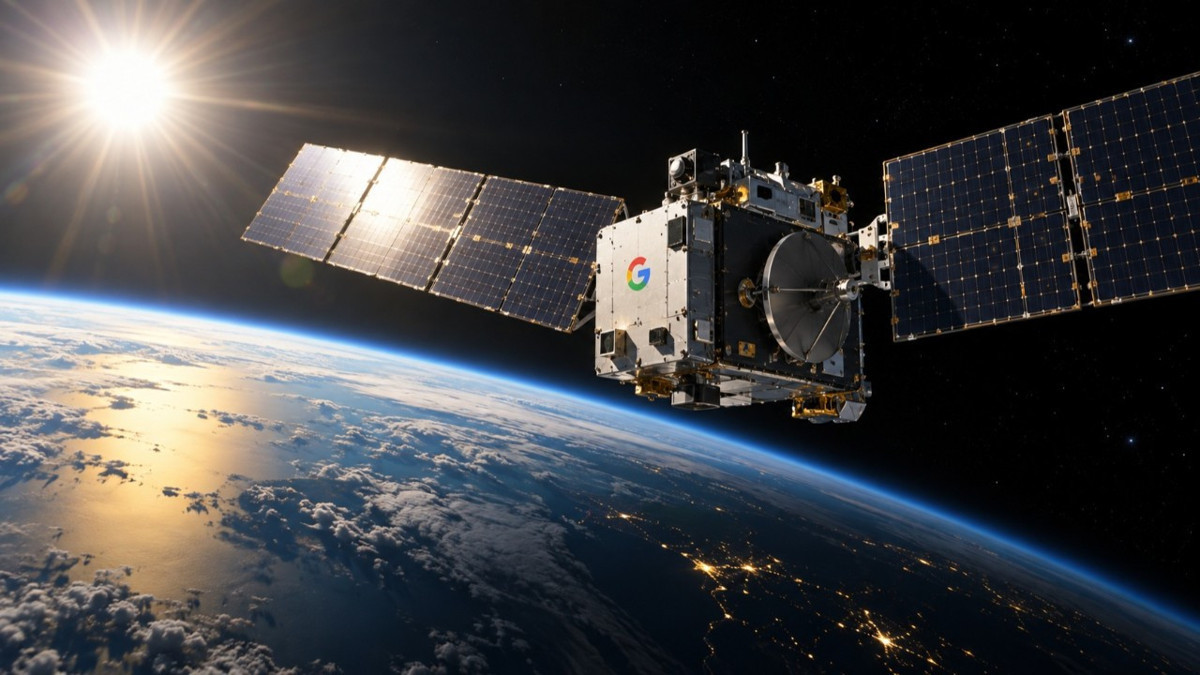
“Starlight fuels my heart”
The poem read: “The blue sphere below, / Data streams in silent grace, / Starlight fuels my heart.” In later tests, the team asked the model for humorous poems about space and data about the satellite’s systems.
The satellite was developed in cooperation with Planet and launched on October 1 from Vandenberg Space Force Base in California aboard SpaceX’s Transporter-18 mission. It is equipped with four Trillium-generation processing units.
Why space?
In the long term, Google aims to establish fleets of solar-powered satellites interconnected by laser. The company says the Sun emits energy equivalent to roughly 100 trillion times the total amount of electricity produced by humanity, while satellites in sun-synchronous orbit receive sunlight almost continuously.
The experimental satellite is testing whether processors can withstand launch and radiation, as well as the difficulty of dissipating heat in a vacuum. The processors currently operate only for short periods. Google plans to launch two additional satellites in 2027 to test high-speed laser links between satellites.
Stay Updated with Hilal Times
Subscribe to be informed about special news, developments and announcements. We will keep you informed.
By signing up, you agree to our Privacy Policy