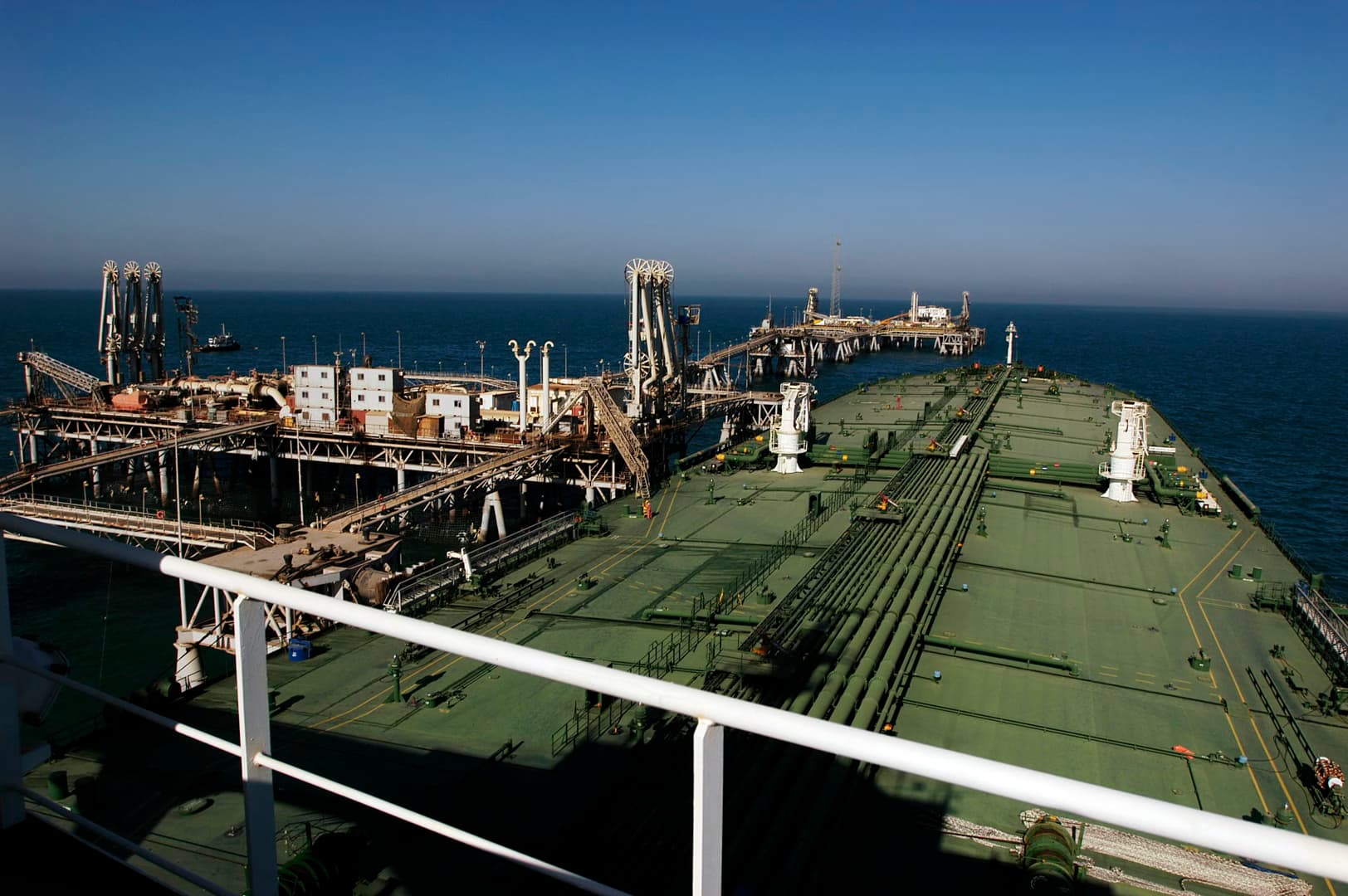
Reuters reported, based on Kepler data, that oil exports from Gulf countries exceeded 10 million barrels per day in June, a month-on-month increase of more than 3 million barrels per day, following the halt of the US-Israel war on Iran.
With the end of the war, tanker traffic through the Strait of Hormuz accelerated, delivering millions of barrels of crude oil to global markets. However, despite this recovery, shipment levels remain about 40 percent below pre-war levels.
Exports rise from Saudi Arabia, UAE, Kuwait, Iraq and Iran
Kepler data showed that combined crude oil and condensate exports from Saudi Arabia, the United Arab Emirates, Kuwait, Iraq and Iran reached 10.07 million barrels per day, an increase of more than 3.5 million barrels per day compared to May.
PVM analyst Tamas Varga told Reuters, "When the market digests the oil still waiting in tankers and accumulated in storage, a sustainable recovery in crude oil prices is likely."
Shipments resume through Strait of Hormuz
Commerzbank analysts said that oil prices came under pressure as investor hopes strengthened that the Strait of Hormuz would fully reopen as a result of talks between the US and Iran.
The Financial Times reported that Citi bank forecasts the price of Brent crude could fall to as low as $60 per barrel by the end of the year. Citi analysts stressed that despite temporary escalations, both the US and Iran have strong reasons to stick to the memorandum of understanding signed in mid-June.
The analysts said, "We expect the memorandum to continue, not because of sudden trust between the two sides, but because both sides have weak motives for breaking the agreement."
Brent crude drops sharply from peak
During the US-Israel war on Iran, Brent crude peaked at $126 per barrel on April 30. On Friday, Brent futures slipped just 4 cents, or 0.06 percent, to $71.76 per barrel by 11:32 GMT, while US West Texas Intermediate crude fell 20 cents, or 0.29 percent, to $68.49.
Reuters reported that some shipments through the Strait of Hormuz have resumed under the agreement between Iran and the US. However, following an Iranian attack on a cargo ship earlier in the week and subsequent exchanges of fire between the two countries, the level of uncertainty remains high.