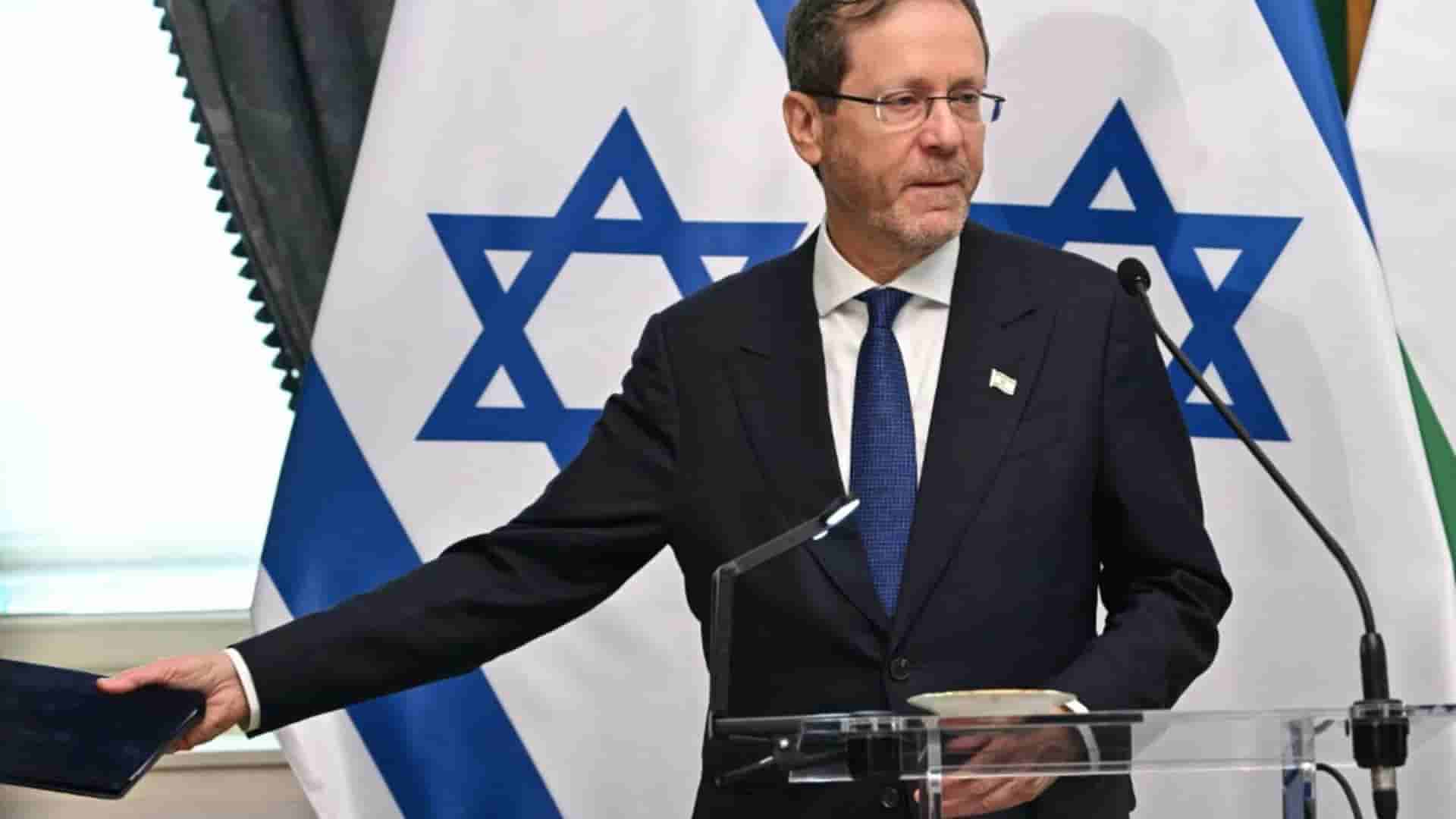
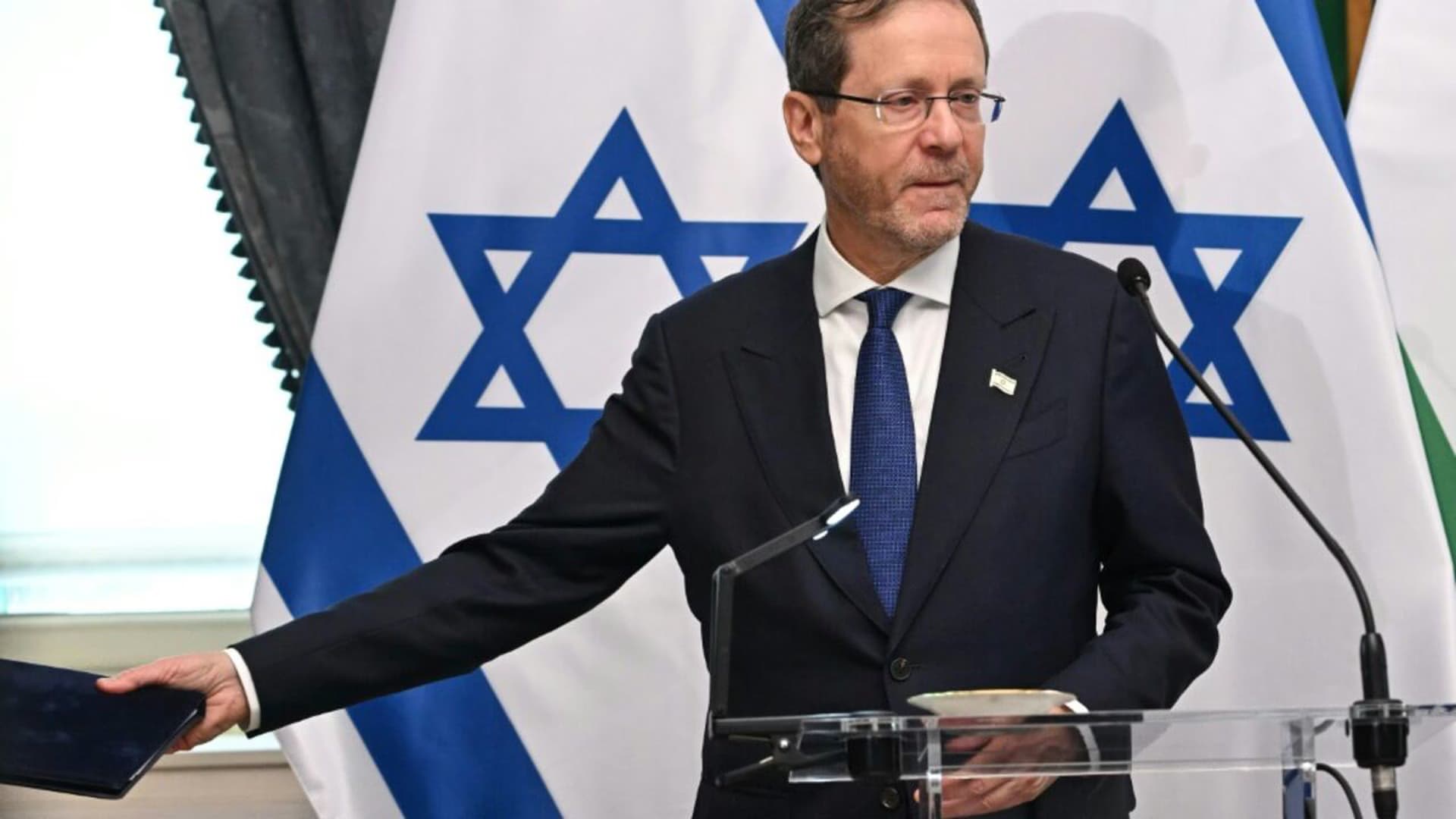
Israeli President Isaac Herzog said on Thursday, November 5, that U.S. President Donald Trump’s announcement that U.S. military aid to Israel would end at the close of the current year “hit me like a bolt from the blue,” adding that the issue “worries me very, very much.” He made the remarks during a meeting at the presidential residence in Jerusalem with representatives of the Yashar party, led by former Chief of Staff Gadi Eisenkot, as part of his consultations with parties on assigning a candidate to form a new government after the Knesset elections. The Times of Israel and CNN reported his remarks.
Herzog said he had not known of any such plan, recalling that the memorandum of understanding signed between the two countries on military aid “is supposed to remain in effect until 2028.” The Israeli president linked the issue to the need to accelerate the formation of a government, saying that “a government must be formed and we must not go to repeated elections,” in a reference to the importance of preserving ties with Washington.
In the footage, Herzog is seen sitting at the consultation table at the presidential residence, saying that the suspension of U.S. aid was “a complete shock” to him. Ynet also quoted him as saying: “It came as a bolt from the blue to me as well,” while The Times of Israel said that U.S. officials also appeared surprised by the announcement.
What exactly did Trump announce?
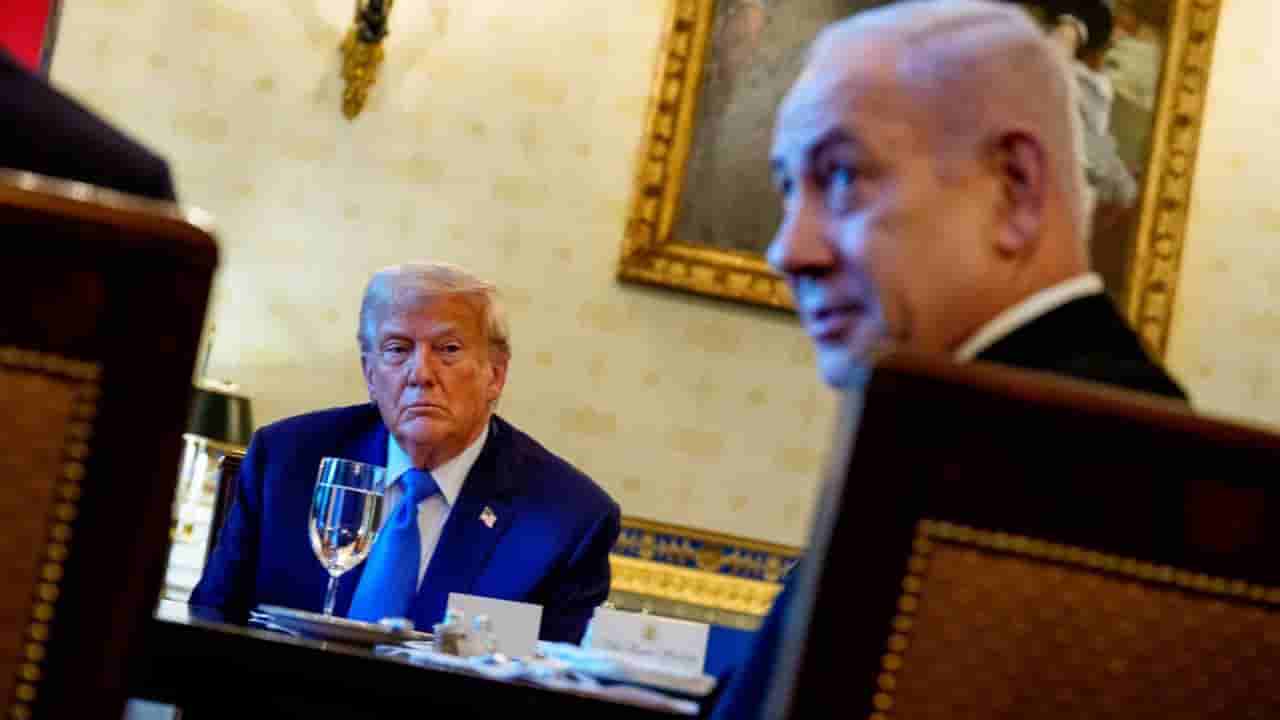
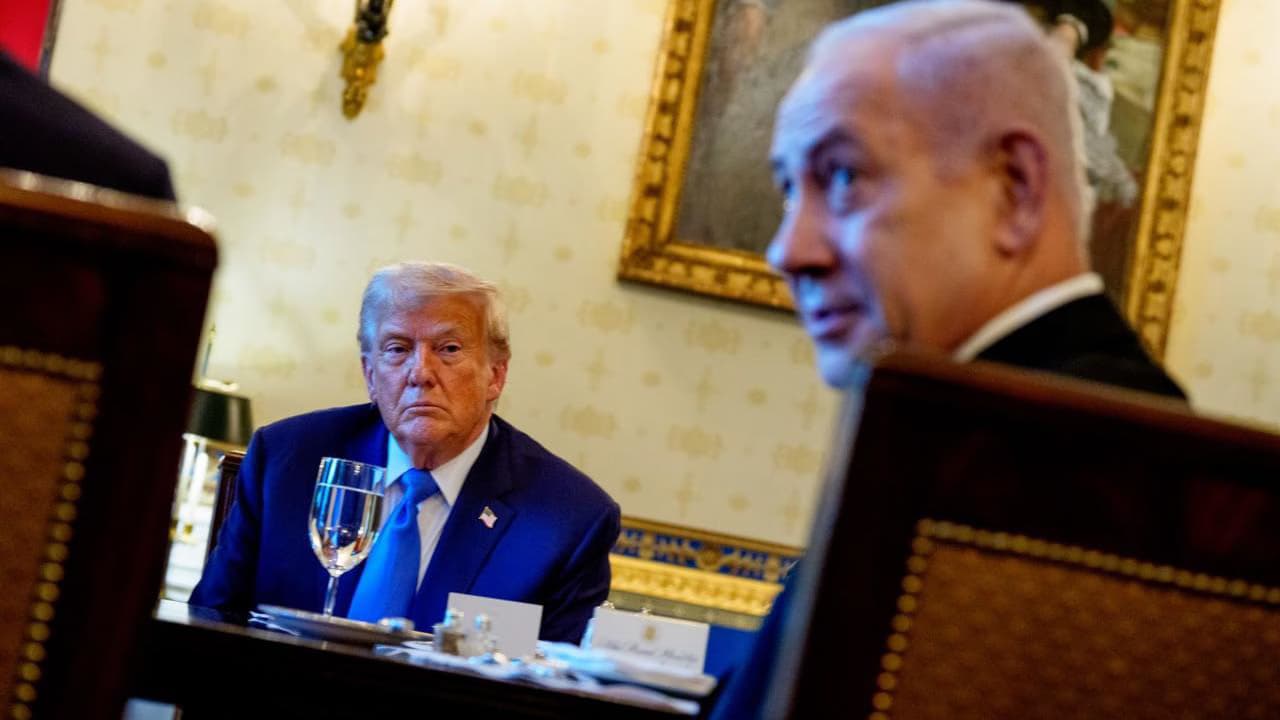
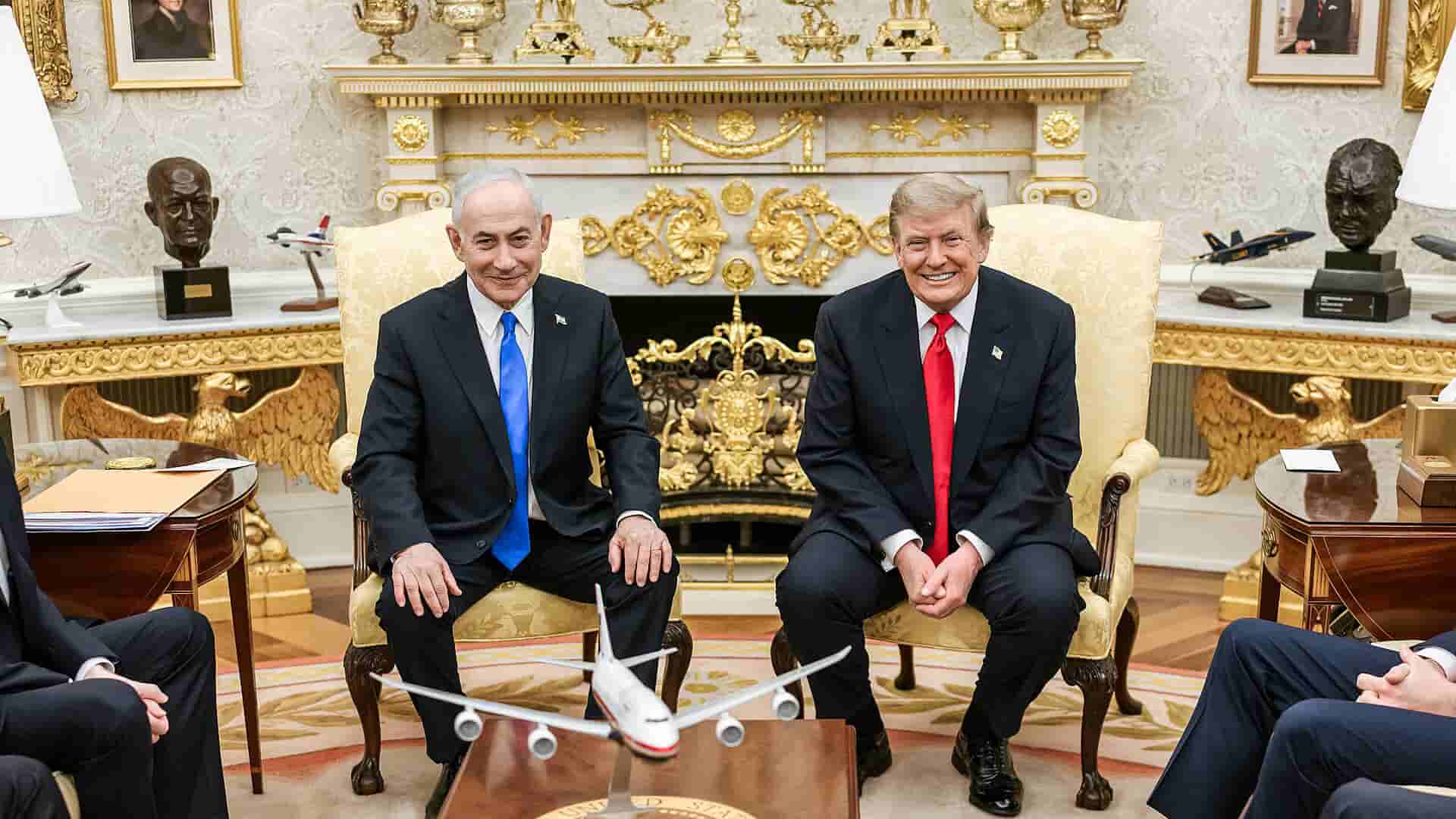
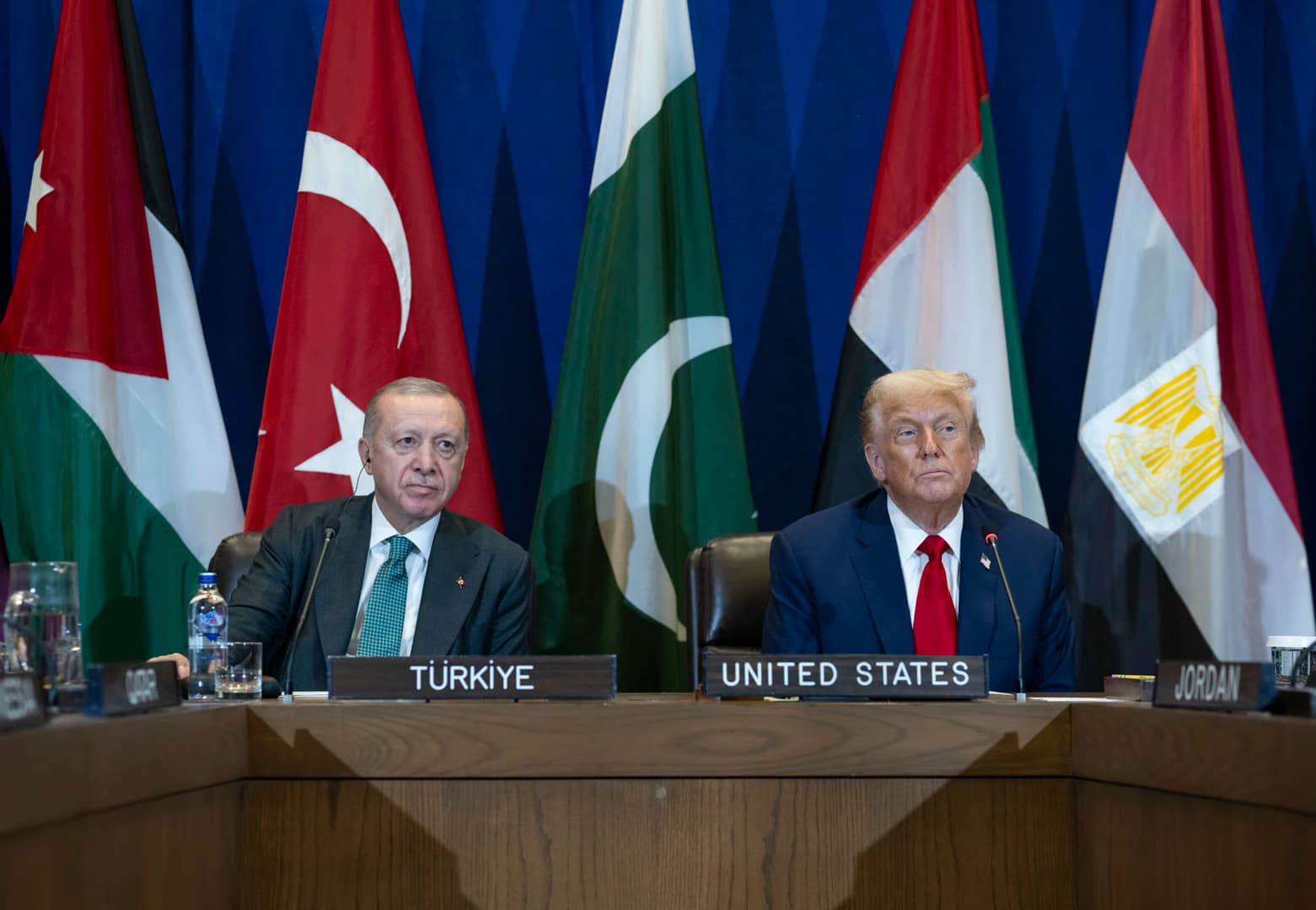
During a telephone interview with Fox News’ “Fox & Friends” program on Tuesday, November 3, coinciding with the midterm elections, Trump said he had “reached an agreement months ago” with Israeli Prime Minister Benjamin Netanyahu to stop the payments and that they “will stop at the end of the year.” He added: “We will help Israel if it needs it; it has been a great ally.” NBC News said Trump confirmed that Netanyahu had proposed the idea.
Trump said an agreement had been reached to halt aid to Israel by the end of the year, with the aid estimated at about $4 billion, Anadolu Agency reported. “We will not give Israel money anymore,” he said. Herzog, for his part, confirmed that he had not known in advance about the decision announced by the U.S. president on the day of the U.S. midterm elections.
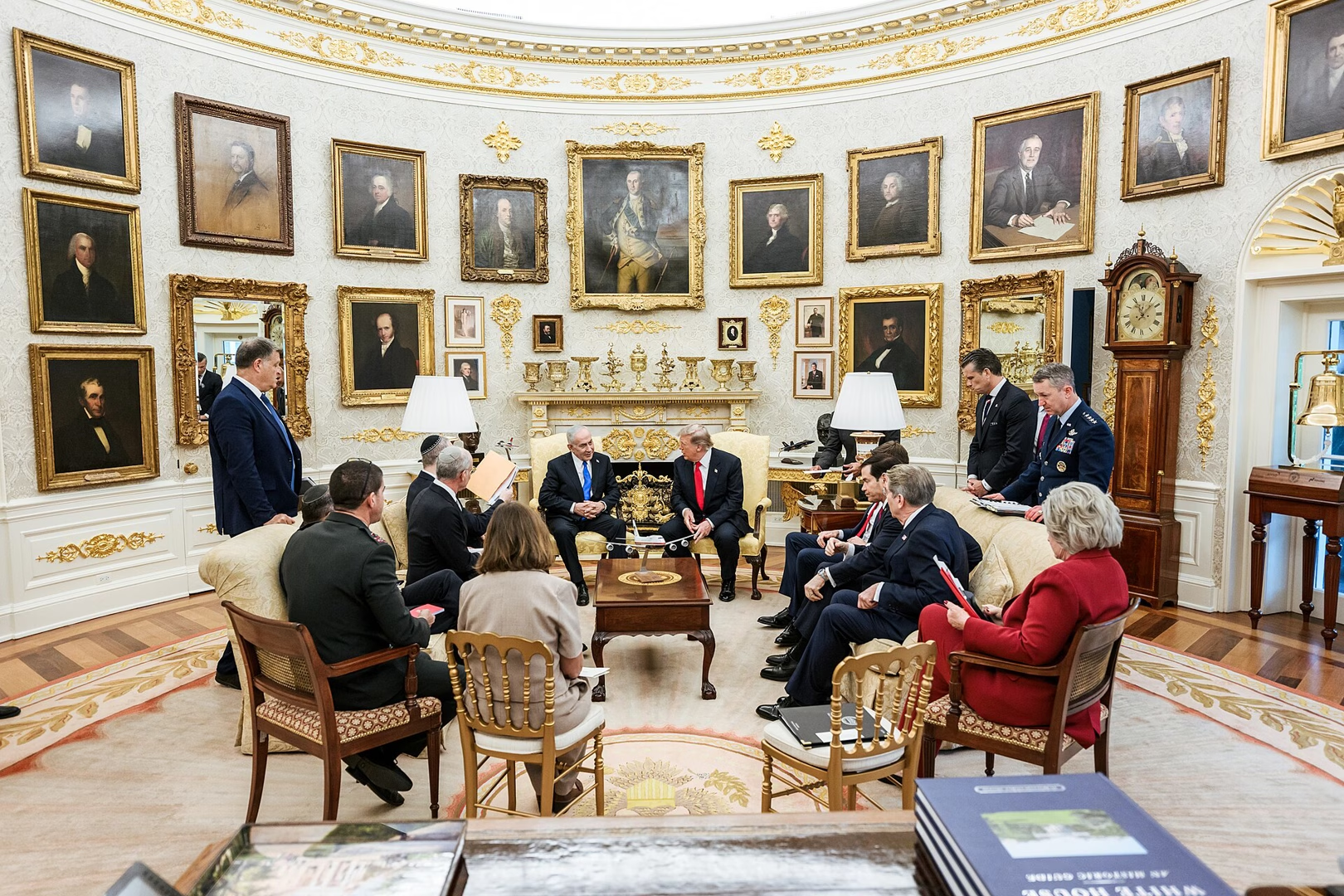
However, the announcement has not yet resulted in a formally announced decision to suspend the aid, and Trump did not specify which forms of support would stop or how this would happen. Israel receives the aid under a memorandum of understanding signed in 2016 during the administration of former President Barack Obama. The memorandum provides for $3.8 billion annually, including $3.3 billion in military financing grants and $500 million for joint missile-defense programs, and expires in 2028. Kimberly Halkett, Al Jazeera’s White House correspondent, said the funds “are allocated by Congress, and Trump cannot end them unilaterally,” while Thomas Warrick of the Atlantic Council predicted that the aid would not be cut off at the end of 2026 but would be phased out during 2027.
In Israel, officials told Ynet that they believed Trump was referring to an agreement replacing the current memorandum of understanding rather than an immediate halt to aid. They said Israel was seeking to conclude a new agreement before the new Congress takes the oath of office on January 3, 2027. U.S. Ambassador to Israel Mike Huckabee said he was seeking clarification about what would happen and was “not sure” whether the aid would stop immediately or at the end of 2028.
Surprise at the Defense Ministry and in the military
The surprise was not limited to the Israeli presidency. Israel’s official broadcaster Kan said the “unexpected” decision had caused astonishment at the Israeli Defense Ministry and across the military’s leadership. Israel’s military establishment relies on U.S. aid to finance a large portion of its purchases of weapons, ammunition and air-defense systems, explaining the scale of concern the announcement caused within the security establishment.
During his consultations with the Yashar party delegation, Herzog stressed that preserving relations with Washington required forming a government as quickly as possible and avoiding new elections.
Danon: Cooperation will continue “under a different model”
Israel’s ambassador to the United Nations, Danny Danon, offered a calmer reading of the announcement. In an interview with the U.S. network NewsNation’s “Elizabeth Vargas Reports” program on Wednesday evening, November 4, he said Netanyahu “spoke about this issue a few months ago” and that the two countries would invest together in the next phase: Israel with its own money and the United States on its side, to develop joint weapons that “defend the American and Israeli peoples and U.S. allies in the region.”
In the footage, Danon says: “The United States values our technology and innovation, as well as the field experience we have. Our cooperation will continue, but it will be under a different model.” When presenter Elizabeth Vargas asked whether it was true that Israel no longer needed the $4 billion, he said Israel was also capable of contributing thanks to its “strong economy.”
In the same interview, Danon stressed the importance of maintaining a “special relationship” between Israel and the United States, saying: “Ultimately, we are on the front lines.” He also stressed the importance of Israel maintaining its superiority over its enemies.
From grants to joint development
Netanyahu had called since last January for direct U.S. aid to be gradually ended over the next decade. Meanwhile, lawmakers in Congress have been discussing a formula to shift support from traditional grants to joint investment in weapons development and production under the National Defense Authorization Act for fiscal year 2027. The Wall Street Journal said Israel also faces a bill of nearly $10 billion for existing U.S. weapons orders extending beyond 2028.
In another segment of the interview, Danon acknowledged the cost of the war, saying: “We have gone through a very difficult time since October 7. We fought a very long war, and when you fight a long war, it is costly. We understand that, and we understand the criticism, but we had no other choice.”
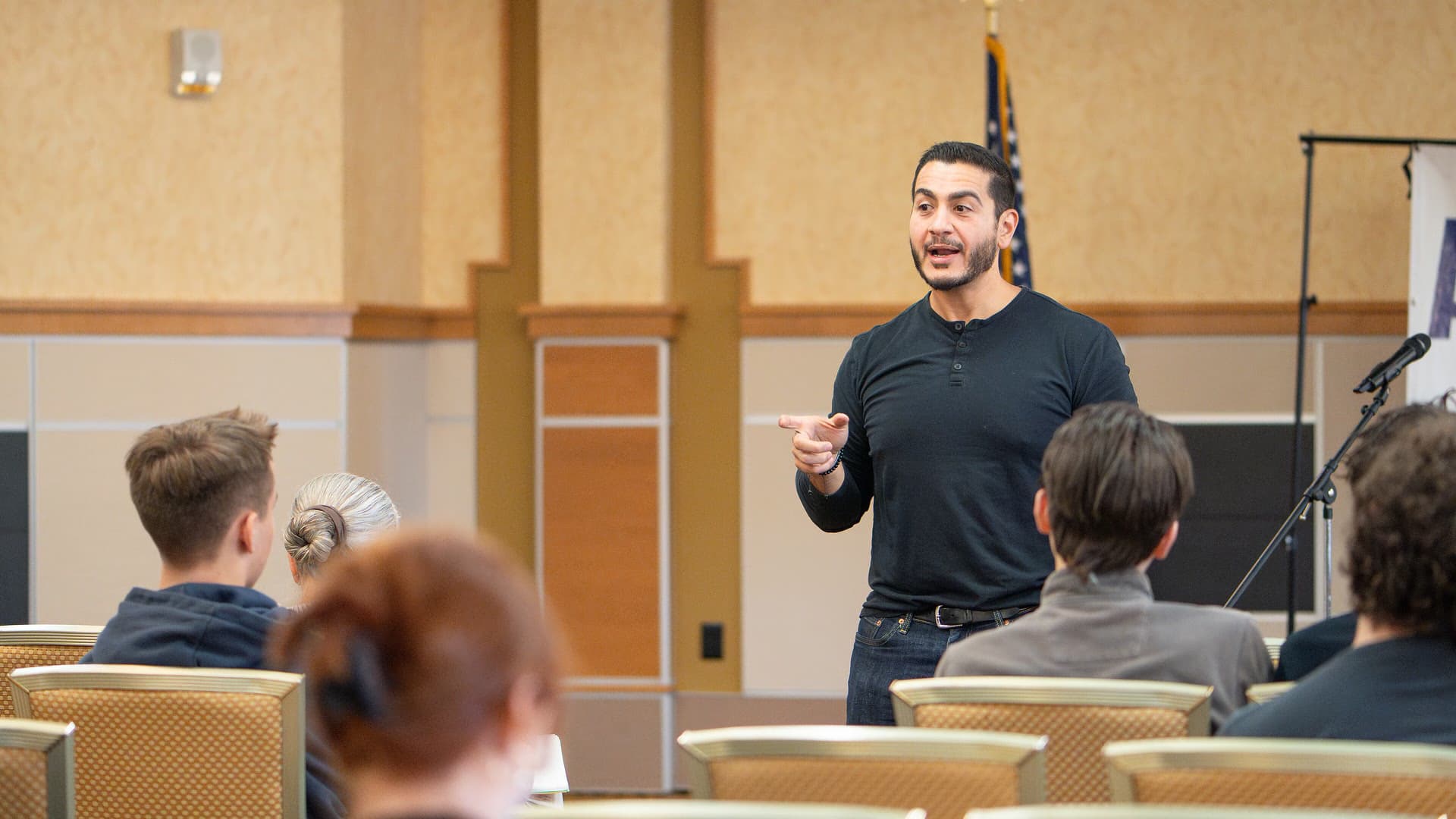
The controversy comes as Democrats prepare to take control of both chambers of Congress starting next January after winning the midterm elections. Some newly elected members, including Michigan Senator-elect Abdulrahman El-Sayed, support halting military aid. In Israel, Eisenkot said Netanyahu “can no longer be trusted and must be replaced,” while Democratic Party leader Yair Golan warned that ending U.S. aid would deliver a “severe blow” to Israel’s security, NBC News reported. Netanyahu’s office has not publicly commented on Trump’s remarks so far.
Videos: Social media, NewsNation via Clash Report. Cover photo: AFP. Photo in the article: White House / Daniel Torok. Sources: Anadolu Agency, The Times of Israel, Ynet, NBC News