- BIST10011,483+1.32%
- USD50.07+0.05%
- EUR55.96-0.52%
- GOLD4,074.90-0.94%
- INTEREST36.00%-1.00
- BITCOIN75,680-0.10%
- November 8, 20267°
- BIST10011,483+1.32%
- USD50.07+0.05%
- EUR55.96-0.52%
- GOLD4,074.90-0.94%
- INTEREST36.00%-1.00
- BITCOIN75,680-0.10%
- November 8, 20267°
A $10 billion bill complicates Trump's plan to end military aid to Israel
A U.S. State Department document revealed that Israel will need nearly $10 billion more after the aid agreement expires in 2028 to pay for weapons it has already ordered, The Wall Street Journal reported. That raises the question of who will pay, while current and former officials rule out a sudden halt to aid.
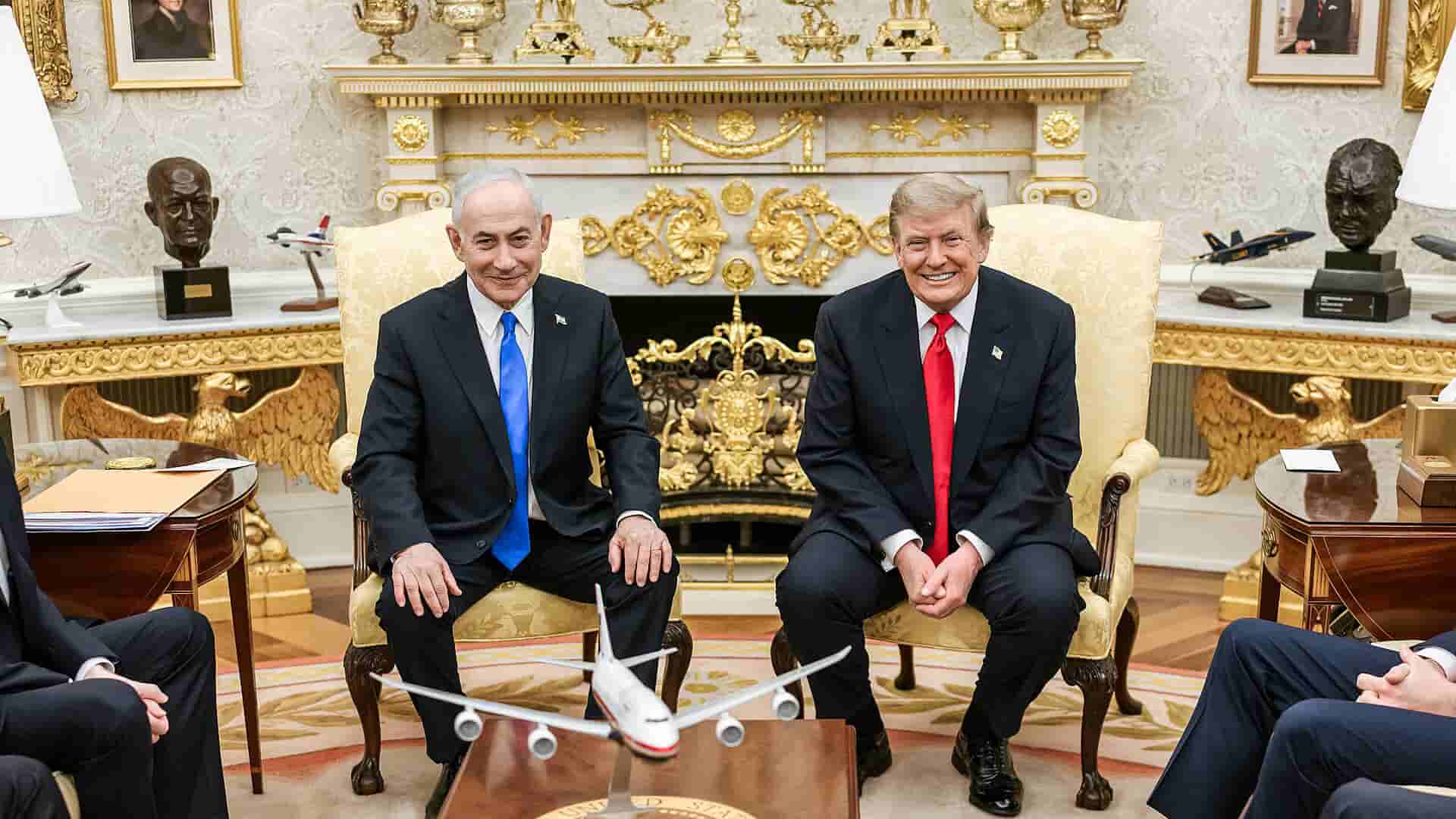
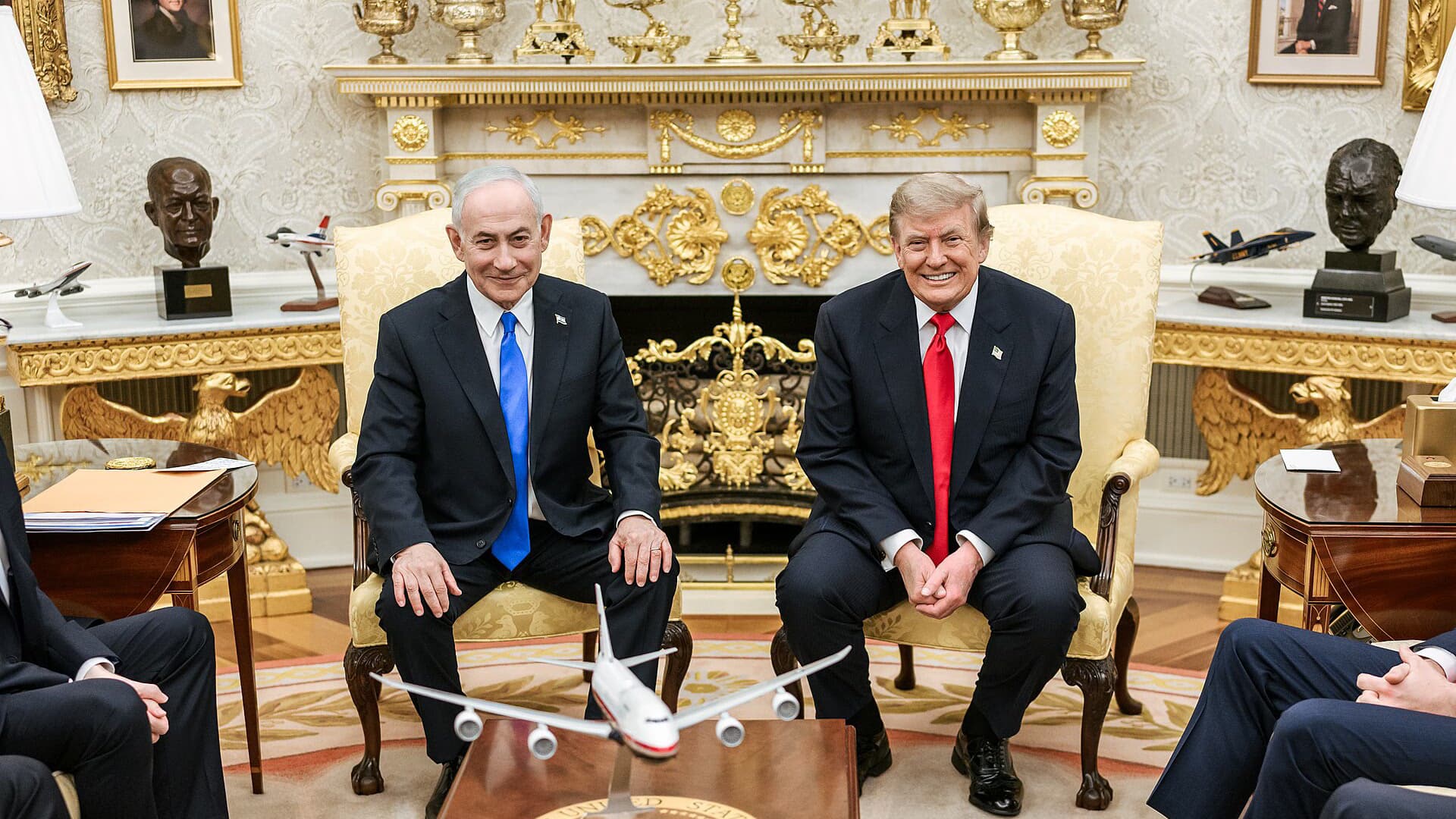
Israel faces a bill of nearly $10 billion for pending U.S. weapons orders extending beyond 2028, complicating President Donald Trump's plan to end its annual military aid, The Wall Street Journal reported Thursday, citing a document the U.S. State Department sent to Congress.
The document, a letter to Democratic Rep. Joaquin Castro of Texas, shows that Israel will need the money after the current memorandum of understanding expires to cover outstanding orders through April 1, although it is unclear how much that figure has changed since then. The letter says the obligations “can be covered either through foreign military financing, national funds, or both.”
“The question of who will pay”
Washington has already committed to providing Israel with about $7 billion in military aid over the next two years, but Castro said, “There’s still $10 billion on top of that, and there’s the question of who’s going to pay for it.” The same question applies to future deals, including Israel’s plan to purchase an additional squadron of 25 F-35 stealth fighters.
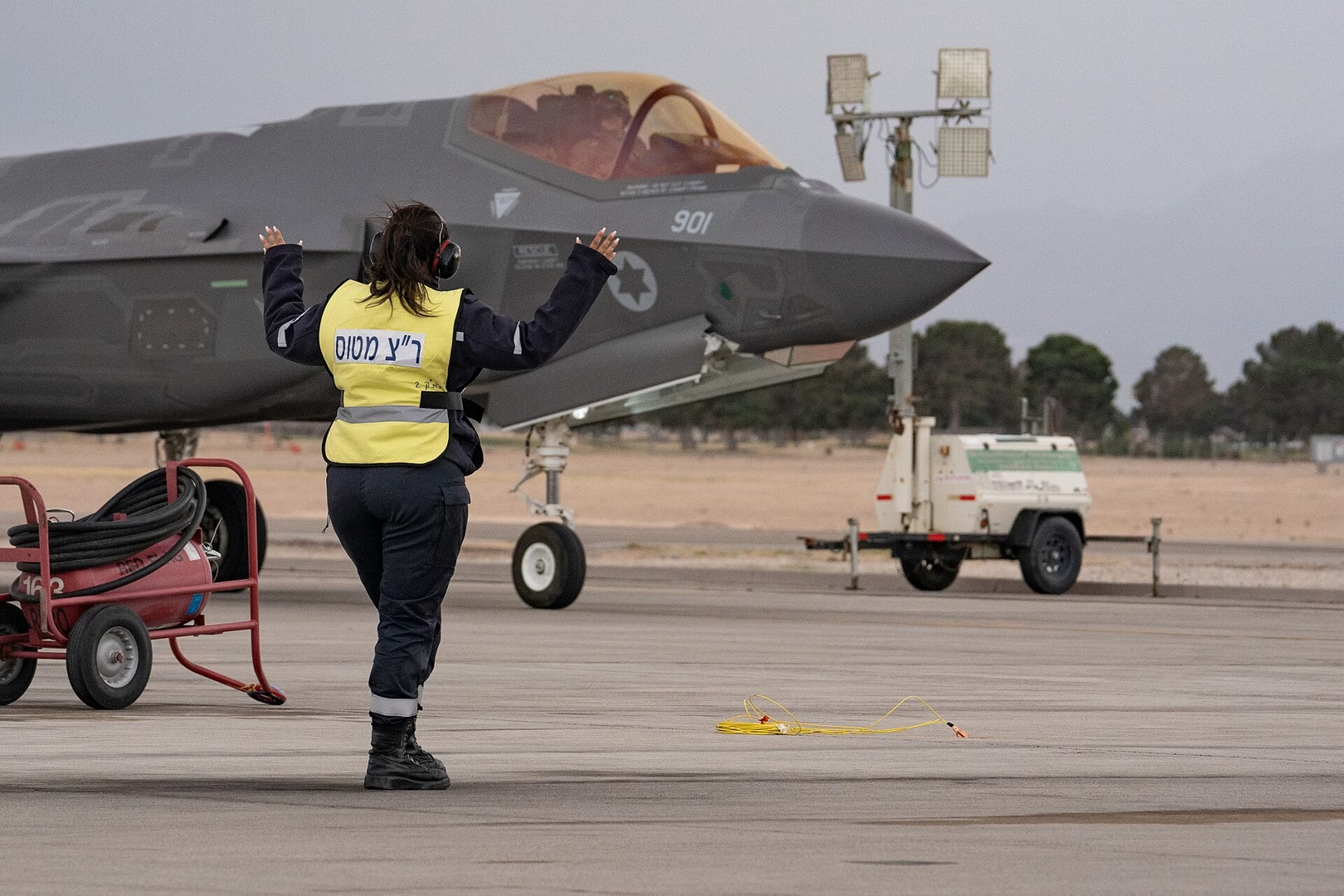
Israel receives the aid under a 10-year memorandum of understanding signed in 2016 under former President Barack Obama. It provides $38 billion between 2019 and 2028, including $3.3 billion annually in foreign military financing that Israel uses to purchase U.S.-made equipment, including bombs, vehicles and fighter jets, as well as $500 million annually for missile defense programs. Even with this aid, Israel spends about 7% of its gross domestic product on defense, more than any member of the North Atlantic Treaty Organization (NATO).
From grants to joint production
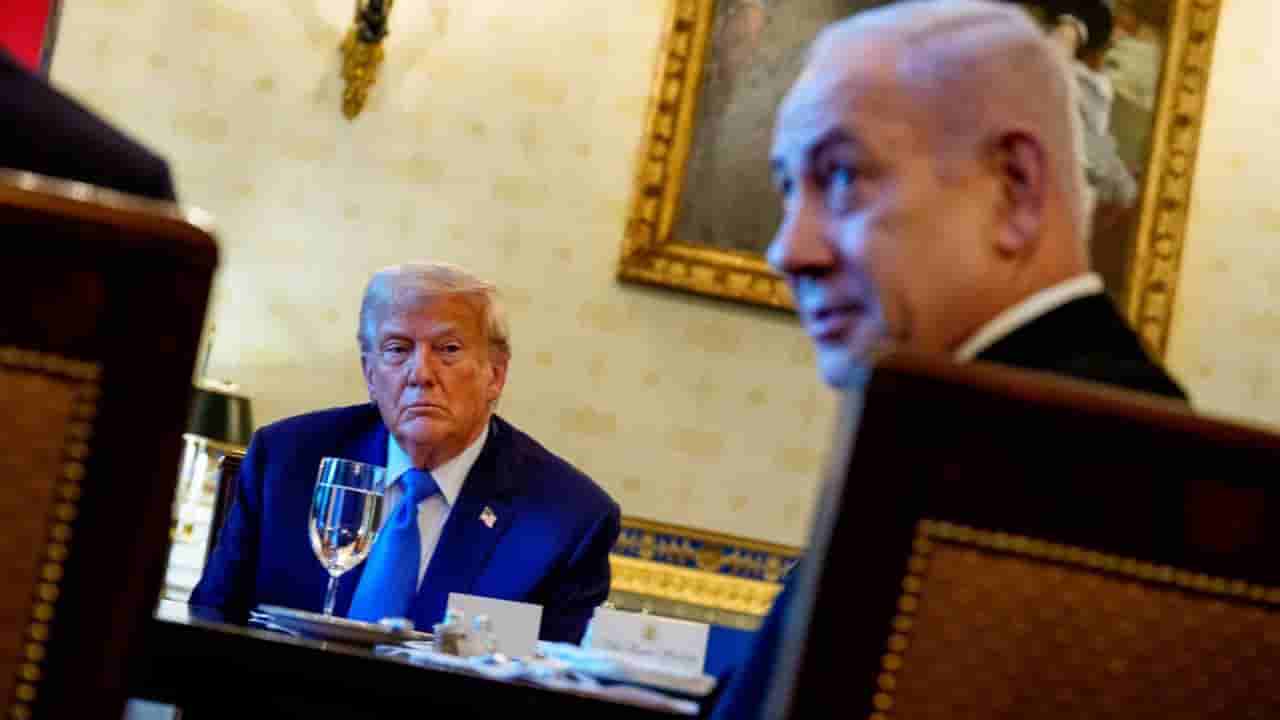
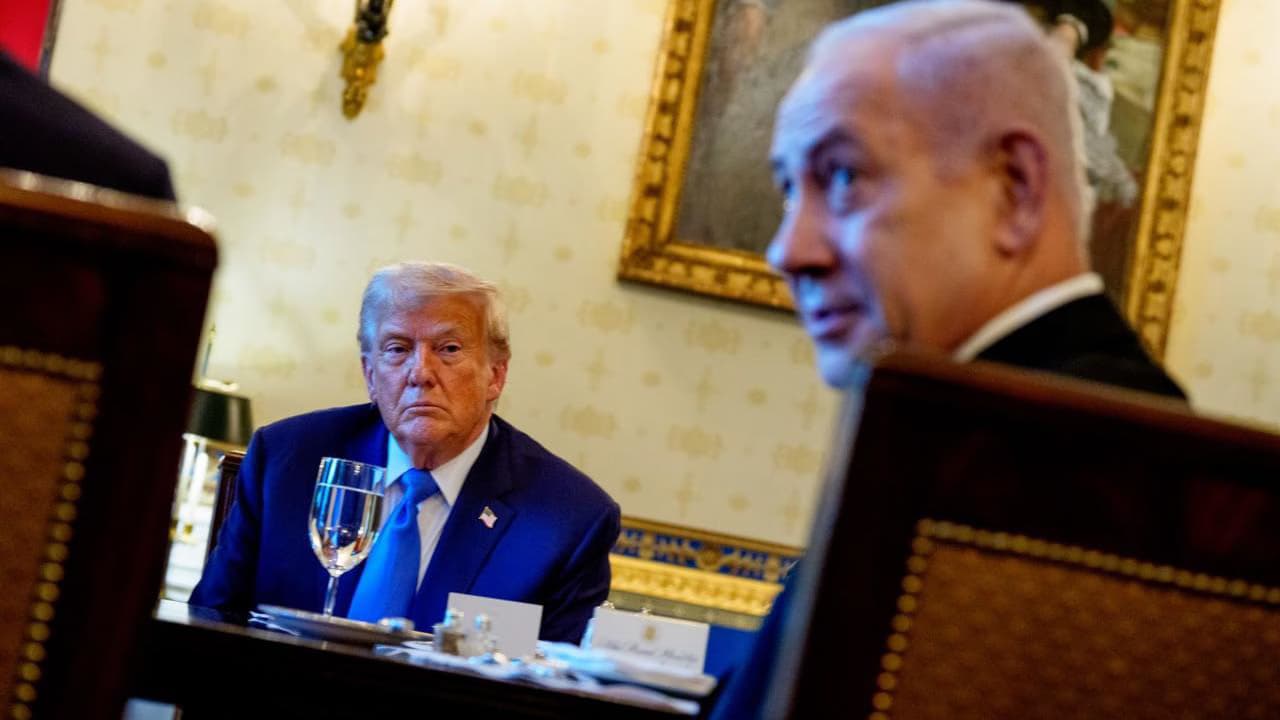
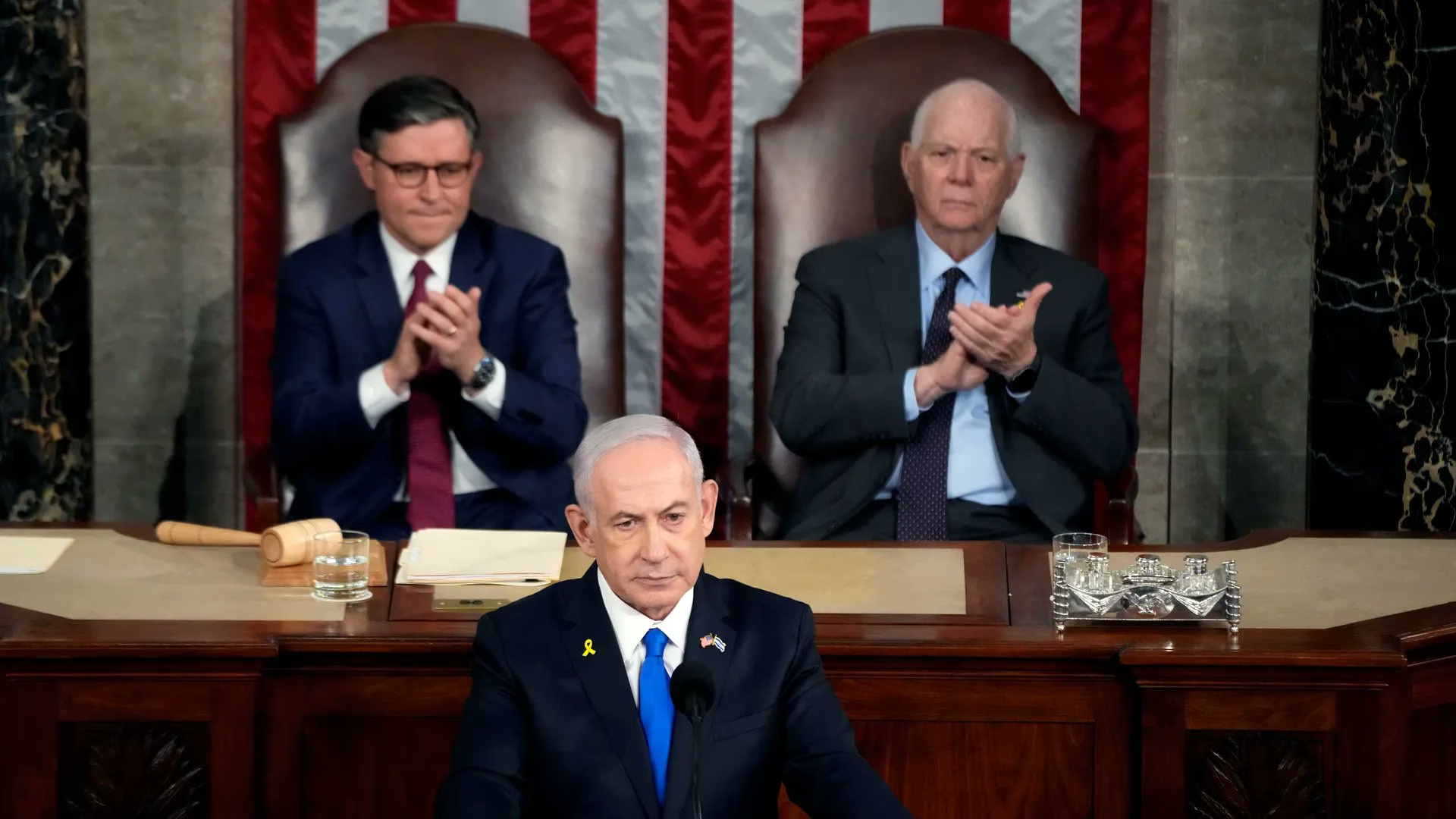
On Tuesday, November 3, in an interview with Fox News as polls opened in the midterm elections, Trump said he had agreed with Israeli Prime Minister Benjamin Netanyahu months earlier to stop paying about $4 billion annually by the end of the year. He added that his country would help Israel “if it needs it.” The newspaper said the statement surprised Israeli officials, including prominent figures in the defense establishment.
Netanyahu has called for Israel to “wean” itself off U.S. aid and proposed in January gradually ending direct assistance over the next decade. In Congress, lawmakers drafted a proposal to shift support from traditional foreign military financing to defense investments and the joint development and production of military technologies, modeled on the Iron Dome system. The proposal is expected to be included in the annual National Defense Authorization Act, which is expected to pass by the end of the year.
Supporters of the proposal say it would facilitate cooperation with the U.S. Department of Defense, while critics argue that it would integrate Israel more deeply into the Pentagon’s supply chains and make it harder to retreat from the cooperation. The newspaper said dismantling the current system would likely take years, while moving to a new model would also raise questions about who would bear the cost of future shipments.
A sudden halt is unlikely
Current and former officials believe a sudden halt to aid is unlikely because of existing commitments. Former U.S. State Department official Josh Paul, who resigned in protest of the Biden administration’s support for the war in Gaza and supports ending the aid, said: “It’s not reasonable to think we’ll stop by the end of this year,” pointing to funds previously approved by Congress. He added: “We haven’t seen anything so far to prove that.”
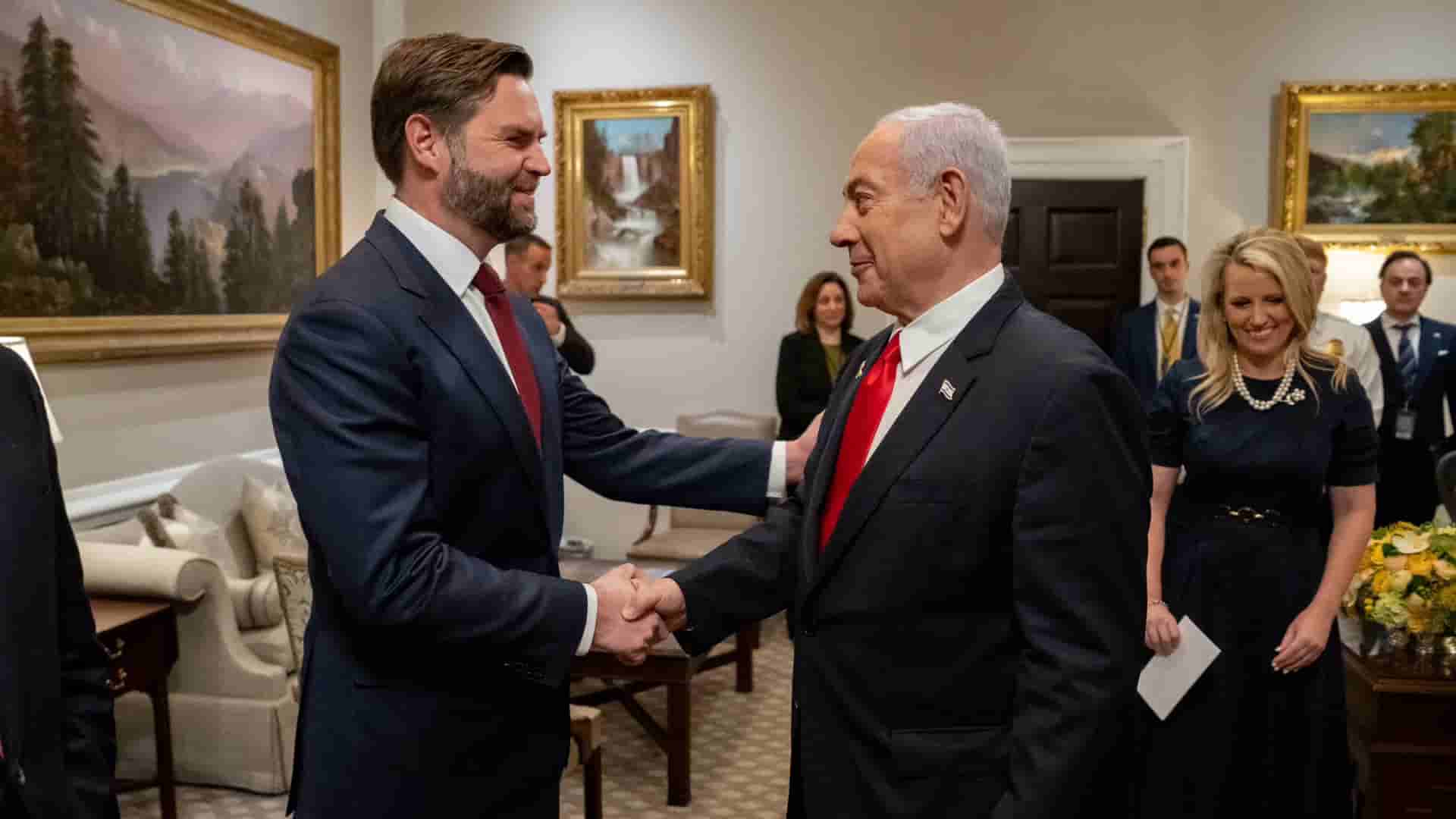
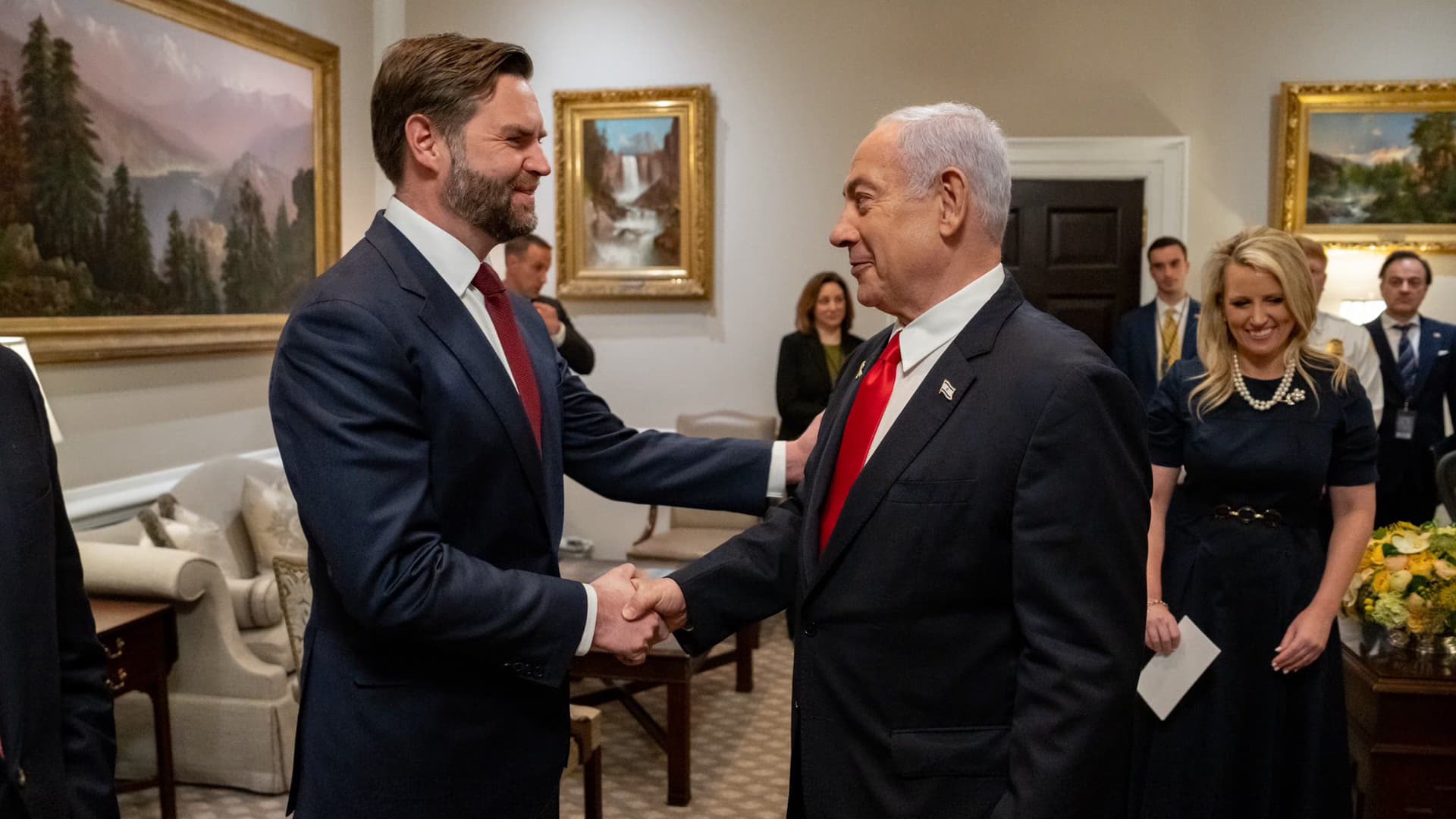
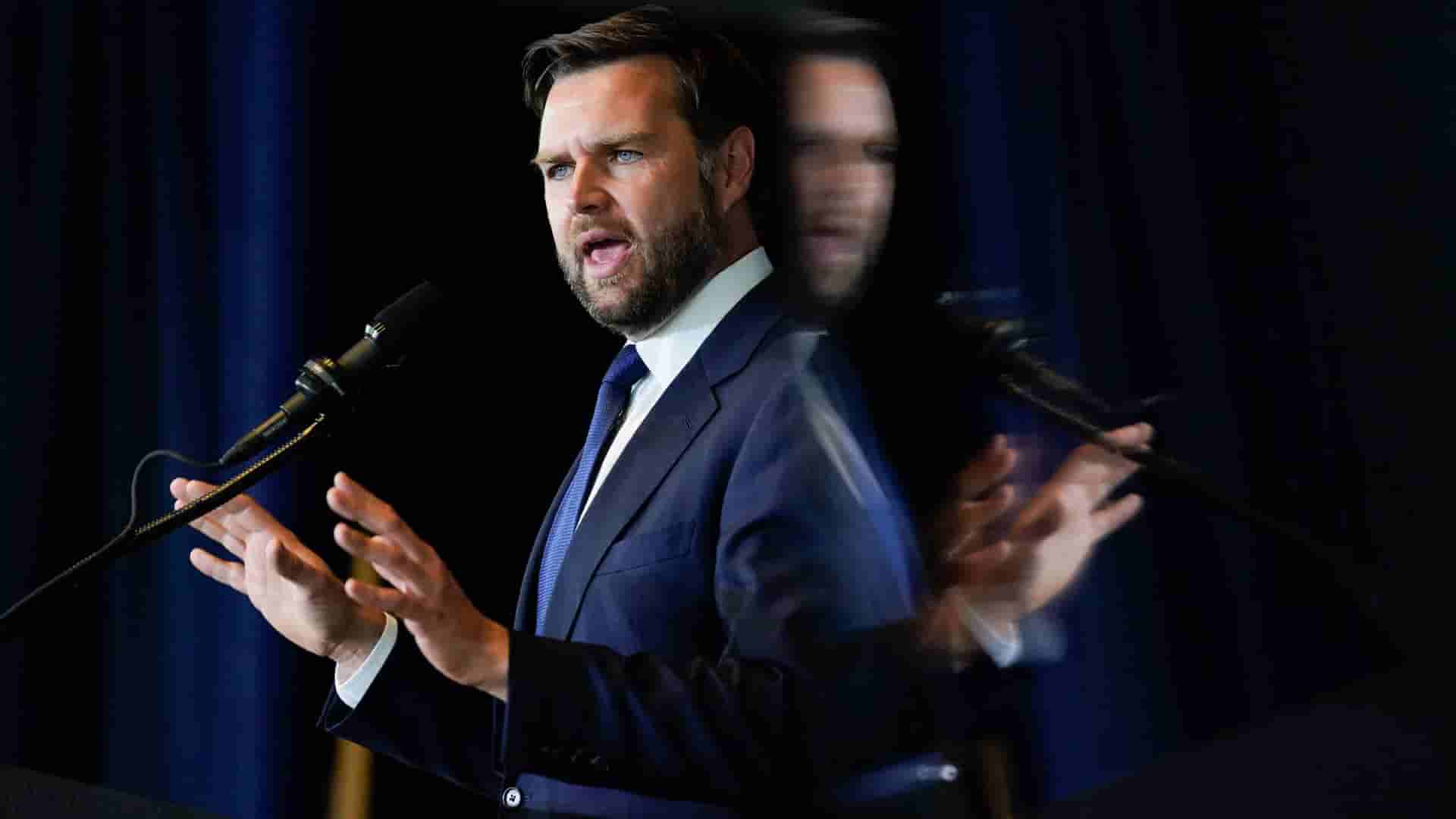
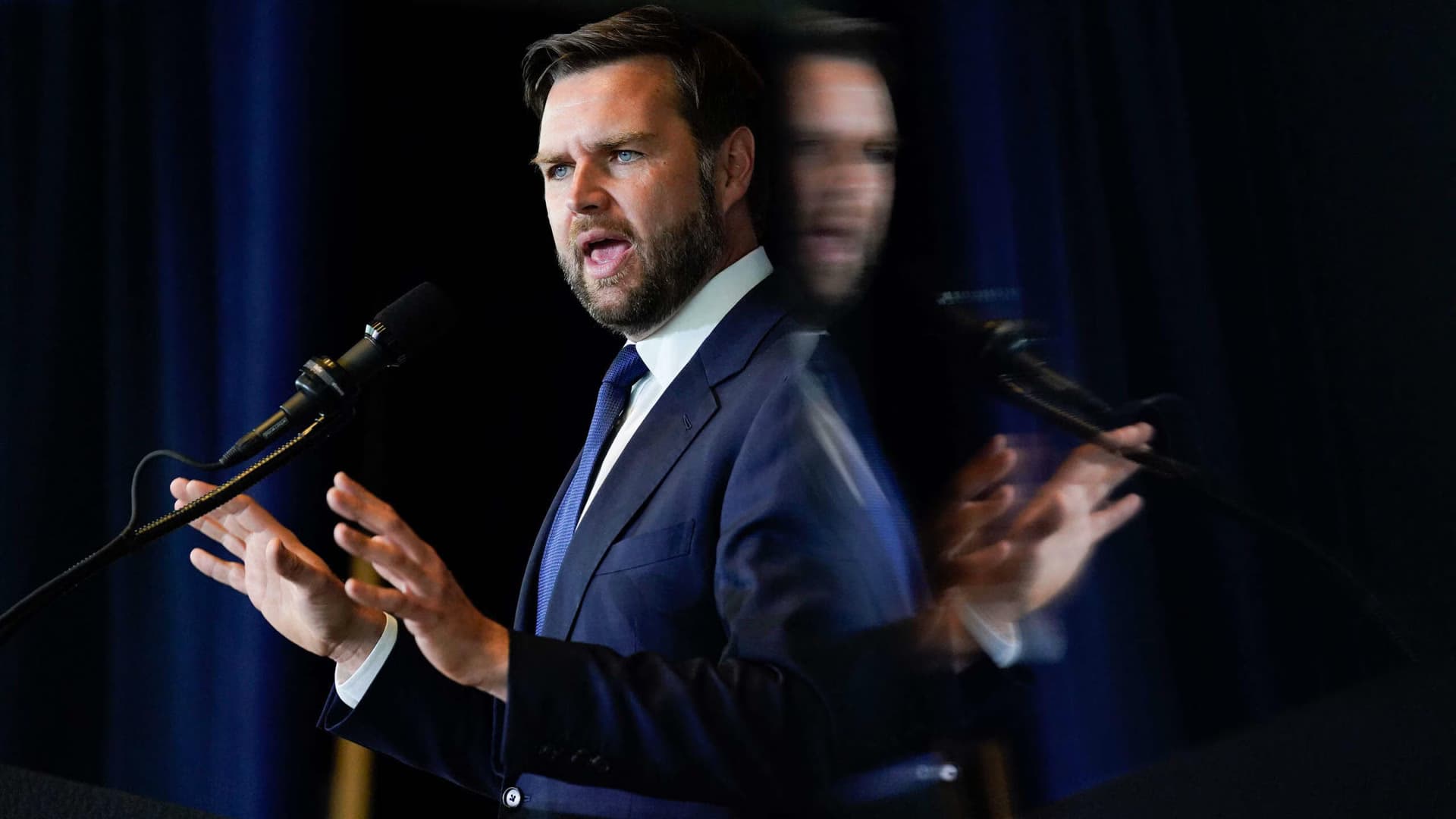
The debate follows the midterm elections, in which Republicans suffered a sweeping defeat. Vice President J.D. Vance cited the war with Iran and the relationship with Israel among the main reasons voters turned away from his party. Meanwhile, Democrat Abdul El-Sayed was elected as the first Muslim to represent Michigan in the Senate after campaigning on a pledge to end “unconditional” U.S. military aid to Israel. Trump said ending direct aid would remove a political weapon from the hands of Democrats who criticize Israel.
Cover photo: White House / Daniel Torok. Photos in the article: U.S. Air Force / Trevor Bell, Clash Report
Stay Updated with Hilal Times
Subscribe to be informed about special news, developments and announcements. We will keep you informed.
By signing up, you agree to our Privacy Policy