- BIST10011,568-1.31%
- USD49.45+0.05%
- EUR55.62+0.37%
- GOLD4,183.40+0.06%
- INTEREST37.00%-1.00
- BITCOIN82,508+0.60%
- October 19, 202617°
- BIST10011,568-1.31%
- USD49.45+0.05%
- EUR55.62+0.37%
- GOLD4,183.40+0.06%
- INTEREST37.00%-1.00
- BITCOIN82,508+0.60%
- October 19, 202617°
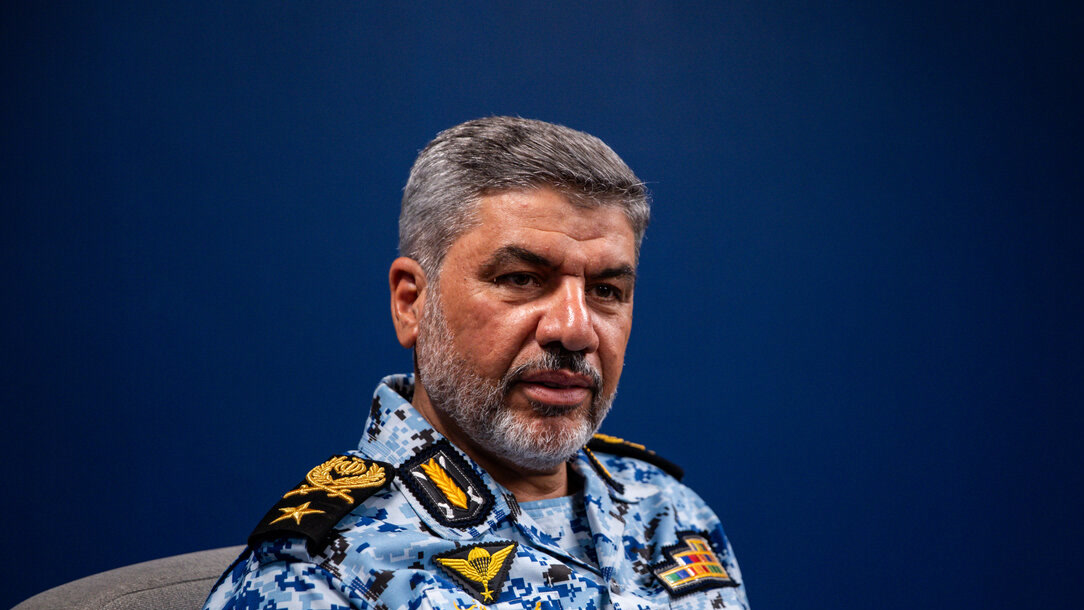
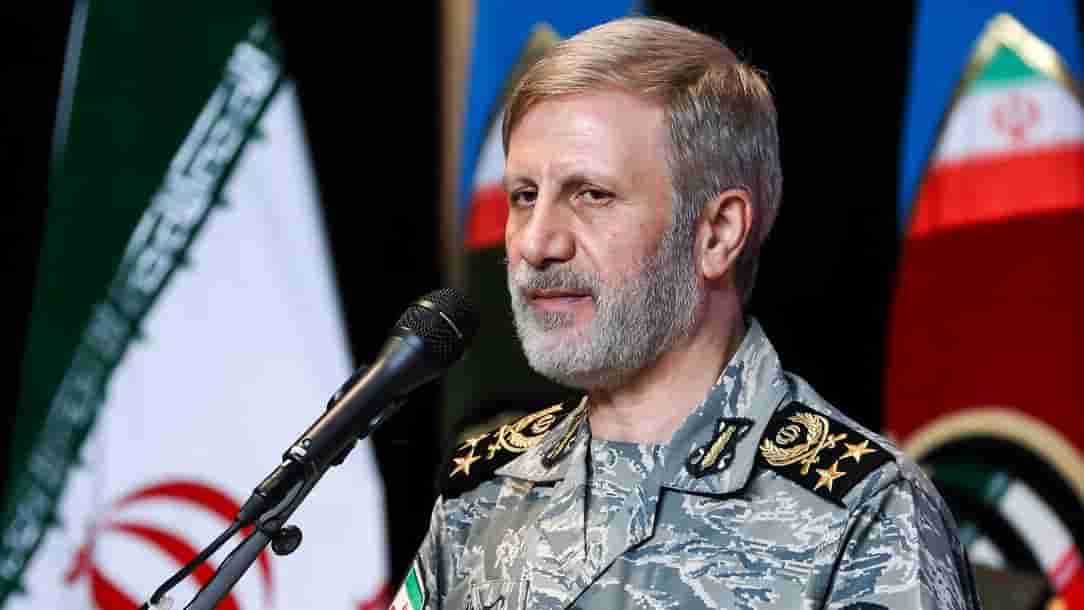
Iran’s army: If Iran cannot trade, no one will
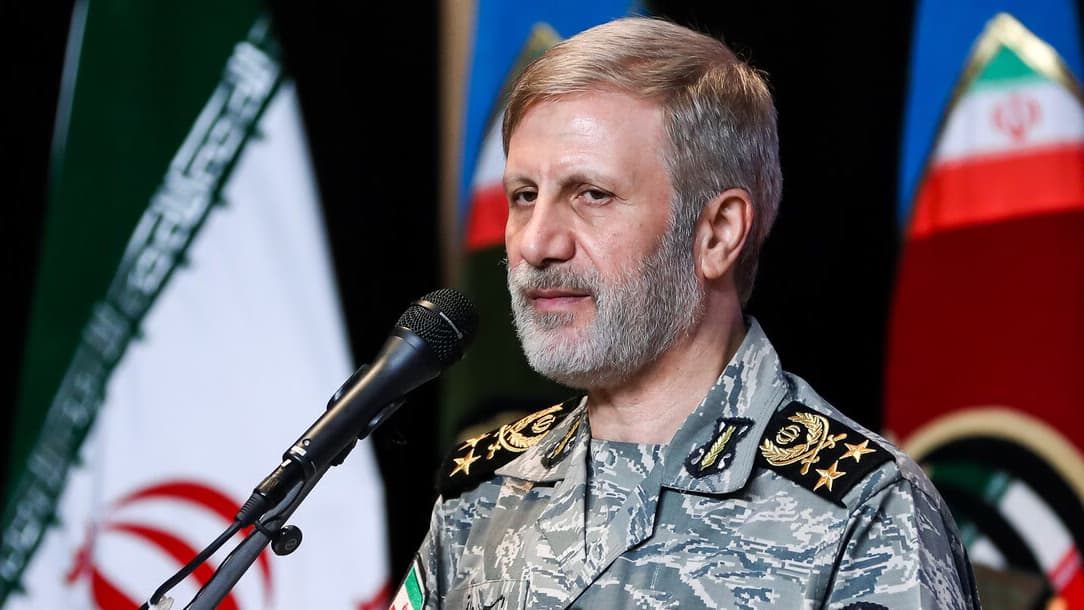
Iranian Army commander Amir Hatami said Iran would not accept being barred from trade while its enemies use the Strait of Hormuz, as the army’s spokesman said the armed forces are fully prepared for any renewed US attack.
Hilal Times Editorial DeskUpdated:
Stay Updated with Hilal Times
Subscribe to be informed about special news, developments and announcements. We will keep you informed.
By signing up, you agree to our Privacy Policy