- BIST10011,117-0.92%
- USD49.65+0.05%
- EUR55.60-0.19%
- GOLD4,007.90-1.29%
- INTEREST36.00%-1.00
- BITCOIN80,178-1.11%
- October 24, 202614°
- BIST10011,117-0.92%
- USD49.65+0.05%
- EUR55.60-0.19%
- GOLD4,007.90-1.29%
- INTEREST36.00%-1.00
- BITCOIN80,178-1.11%
- October 24, 202614°
Ahmed Tibi calls Israeli election critical for Palestinians’ future
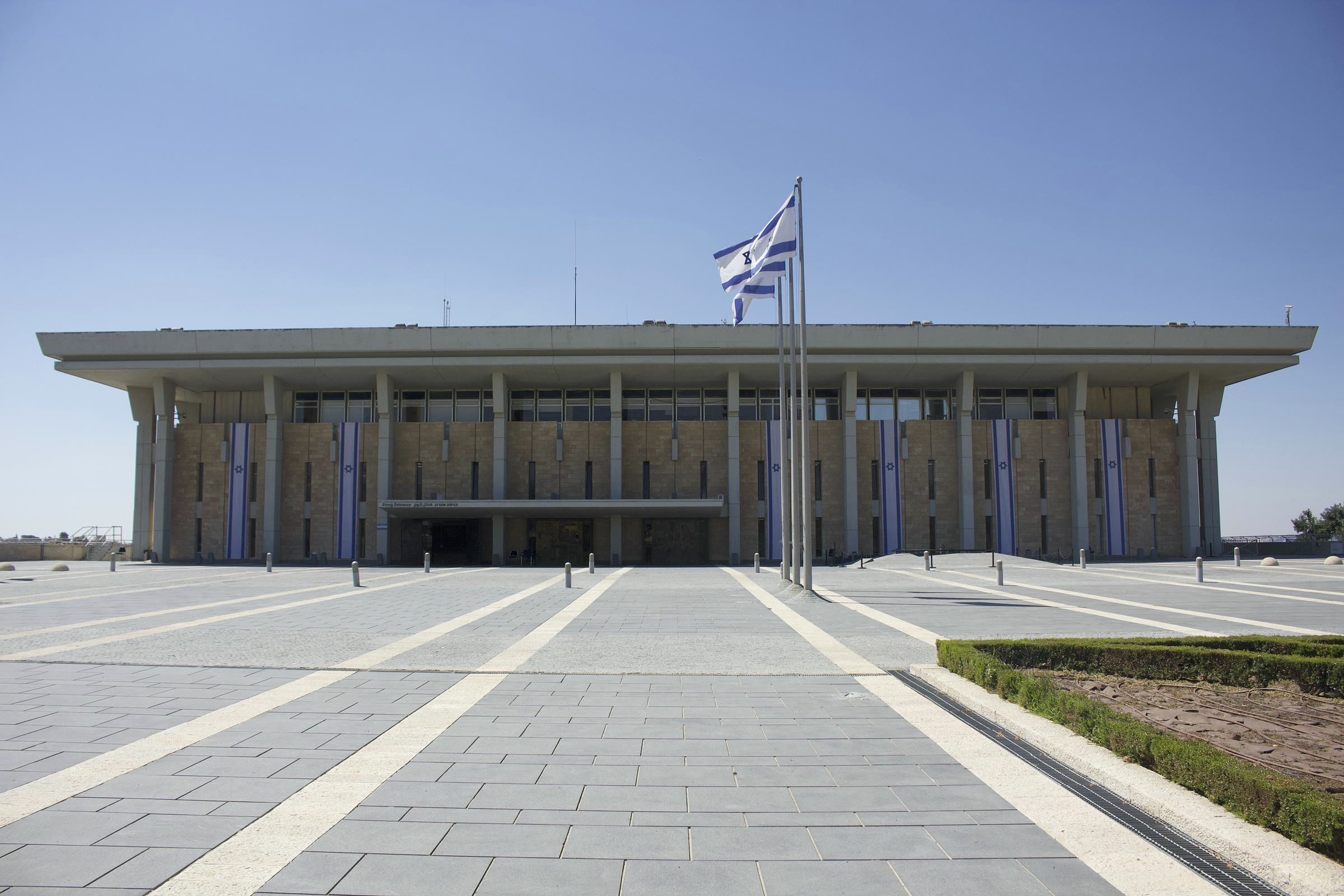
Palestinian-Israeli lawmaker Ahmed Tibi said Tuesday’s election would be decisive for the future of Palestinians who hold Israeli citizenship. Tibi said turnout among Palestinian voters had risen to around 62 percent and argued that the Joint List could play a key role in changing the government.


Speaking ahead of Tuesday’s election in Israel, Palestinian-Israeli lawmaker Ahmed Tibi said the ballot’s outcome would be decisive for the existence and future of Palestinians who hold Israeli citizenship.
Tibi, who chairs the moderate Arab nationalist Taal Party, is running as the second candidate on the Joint List, which represents Palestinians who hold Israeli citizenship. Assessing the election process and the position of Arab parties, Tibi leveled serious accusations against the government’s policies.
Tibi’s accusations against the government
Tibi accused the current Israeli government, led by Benjamin Netanyahu, of committing war crimes, carrying out ethnic cleansing and continuing incitement against Palestinians. He also criticized the government over the war in Gaza, the demolition of homes and violence in the occupied territories.
Tibi also alleged that Finance Minister Bezalel Smotrich had threatened to move Jewish settlements to the Galilee. He argued that Itamar Ben-Gvir and Smotrich had raised the possibility of overthrowing the Palestinian Authority and annexing Palestinian territories.
A 70 percent target for Palestinian voters
Tibi said turnout among Palestinians who hold Israeli citizenship had remained below 50 percent in previous elections, while opinion polls showed it at around 62 percent. He said the Joint List’s goal was to raise turnout to 70 percent.
Tibi argued that higher turnout among Palestinian voters would strengthen the possibility of removing Netanyahu from power. He said small far-right parties could fail to enter parliament and argued that Mansour Abbas’s Raam Party would not be enough to bring about a change of government through its support for the opposition.
Tibi said the Joint List’s support was decisive for a change of government and claimed that it was the only list capable of ending the government that includes Netanyahu, Smotrich and Ben-Gvir.
Option to support the government without joining it
Tibi said Jewish voters could also accompany the rise in turnout among Arab voters, with their participation increasing by between 2 and 4 percent. He said such a scenario could contribute to the fall of the Netanyahu government and alleged that Netanyahu aimed to remain at the head of a caretaker government to prevent opposition leader Gadi Eisenkot from forming a government.
Tibi said the Joint List was ready to cooperate and listed demands including establishing a safety net for Palestinians, reducing crime and violence, preventing home demolitions, combating racism and allocating a larger budget to Arabs.
Tibi said Arab parties did not want to join the government but could provide support in parliament. He said this position was linked to a refusal to assume government responsibility for raids on Al-Aqsa Mosque, the war in Gaza, the expansion of Jewish settlements and home demolitions.
Three scenarios after the election
Tibi argued that an opposition government formed after the election would not be a government of peace, but would be less harmful than the current government that includes Netanyahu, Smotrich and Ben-Gvir. He said a national unity government would produce a negative outcome for both Palestinians and the Israeli people.
The Israeli lawmaker said three options could emerge after the election: an opposition government, a national unity government or a caretaker government in which Netanyahu remains prime minister until March or April. Tibi alleged that the Netanyahu government and the Jewish opposition shared a common line of incitement in their rhetoric toward Palestinians.
Possible attack on Iran
Tibi argued that the policy of incitement against Palestinians on the eve of the election was intended to unite right-wing Israeli voters and also carried a war objective.
Assessing the possibility of the United States and Israel resuming attacks on Iran, Tibi said Netanyahu might want to start a war before the election. Tibi said Donald Trump was reportedly said to have prevented this, adding that such a step could be taken to impose the formation of a national unity government after the election and that different scenarios were possible.
Tibi alleged that Israel’s far right could increase its aggression if it lost the election and that attacks targeting Arab and left-wing leaders could come onto the agenda. Arguing that Netanyahu recognized no limits in political incitement, Tibi recalled that incitement against former Israeli Prime Minister Yitzhak Rabin had ultimately led to Rabin’s assassination.
Stay Updated with Hilal Times
Subscribe to be informed about special news, developments and announcements. We will keep you informed.
By signing up, you agree to our Privacy Policy