Some incidents involving gunfire at Palestinian prisoners in Israeli prisons resulted in severe injuries. An examination based on medical records and prisoner testimony documented 21 incidents at five prisons since October 2023 in which plastic or rubber bullets were allegedly used.
According to prisoners’ accounts, most of the incidents took place in late 2025 and the first half of 2026. Some prisoners said there had been no disturbance before the shooting and that the shots were fired from close range.
Prisoners underwent surgery
In one incident said to have occurred in June at Ketziot Prison in southern Israel, a bullet struck a prisoner’s testicle. The prisoner underwent surgery after the organ was completely destroyed, and his testicle was removed.
In testimony to his lawyer, the prisoner said guards had kicked him in the testicles during a strip search about a week before the incident, causing severe pain. He said he was not seen by a doctor until two days later.
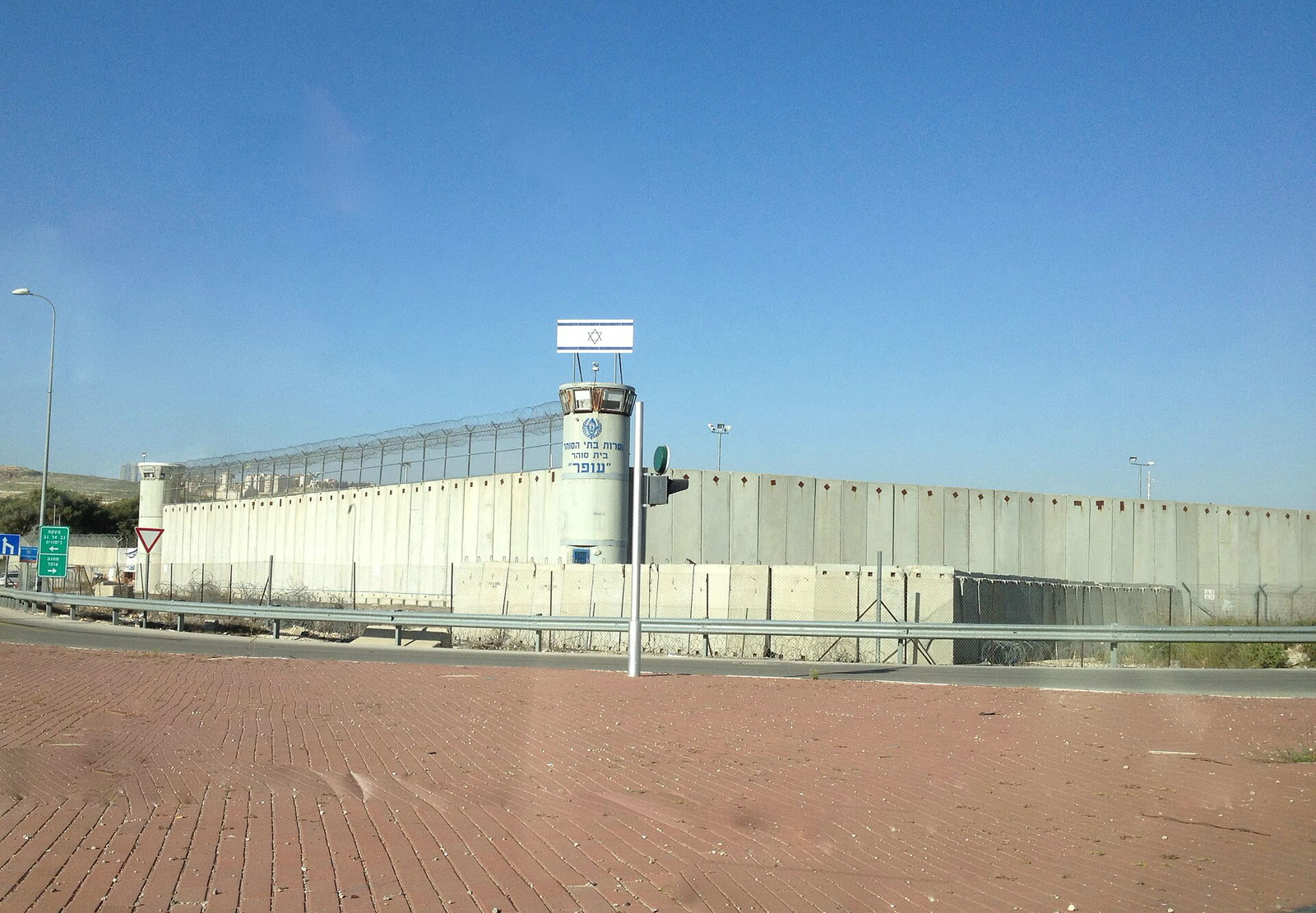
The prisoner said that a week after this incident, personnel affiliated with the Masada unit of the Israel Prison Service opened fire on his cell with plastic or rubber bullets. He said one bullet struck his previously injured testicle and another hit the back of his right knee.
The prisoner said he suffered heavy bleeding, was dragged approximately 50 meters, and was then given medical treatment before being transferred to a hospital.
In another incident recorded as having occurred at Ketziot Prison in July, a prisoner underwent surgery for a fracture to his left shin after being hit by a plastic bullet.
Another person who had previously been held at the prison said he was shot from close range in April and did not receive adequate medical care for 15 days. The person underwent surgery after being released, according to the account.
Gunfire also occurred outside the cells
The documents indicate that the incidents were not limited to the cells. Similar shootings also took place in prison yards and in areas where prisoners waited to meet with their lawyers.
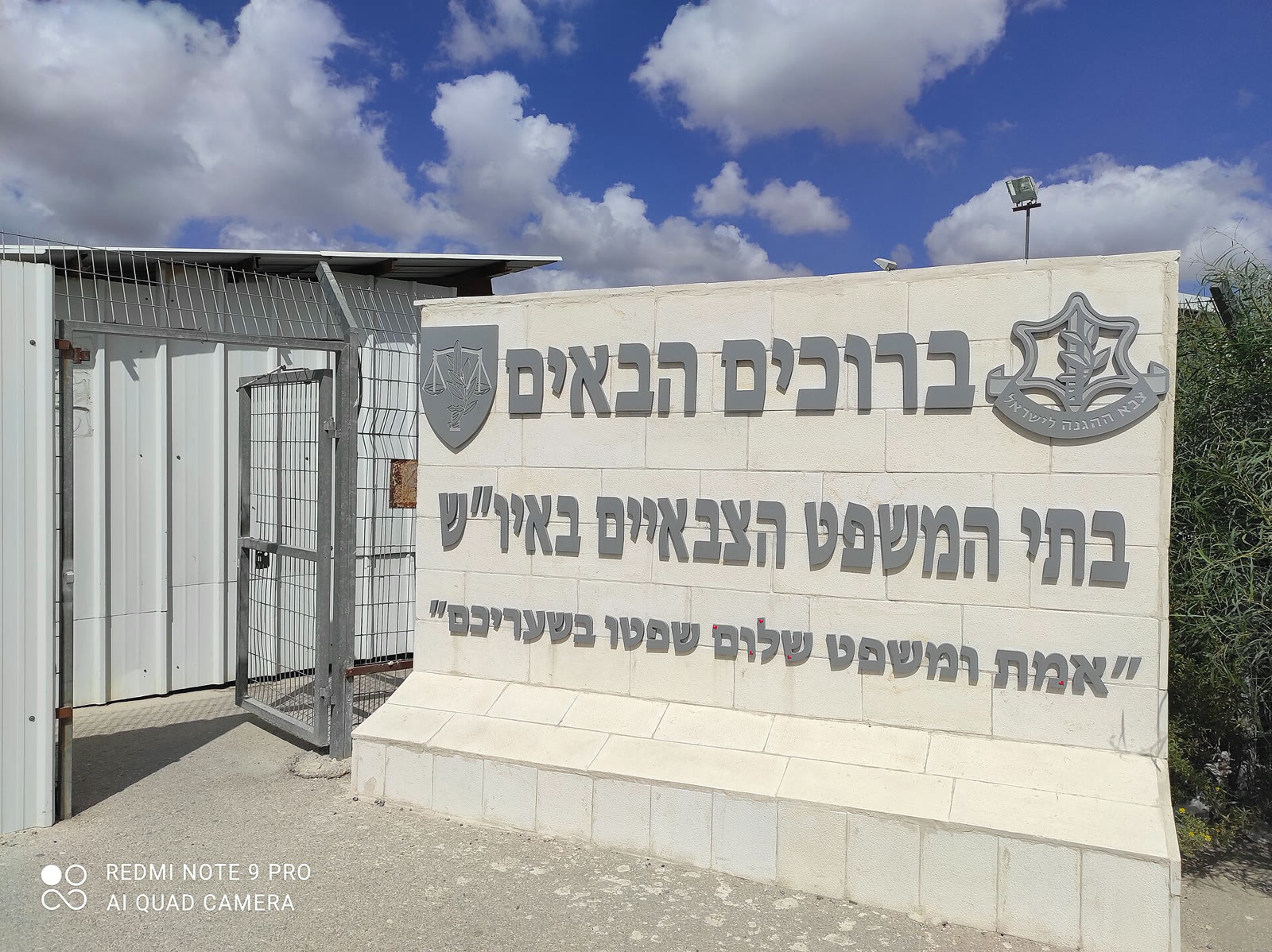
Physicians for Human Rights and the Public Committee Against Torture called on Israeli authorities in August. The organizations called for an end to the use of ammunition such as plastic or rubber bullets against prisoners, particularly at close range and in enclosed spaces, warning that such ammunition can cause fatal injuries.
The Israel Prison Service rejected calls for a complete ban on the ammunition. The service defended the use of weapons it described as less lethal on the grounds of operational needs and threat assessments.
Meirav Ben Zeev, a lawyer with the Public Committee Against Torture, said prisoners were reluctant to report ill-treatment for fear of retaliation. Ben Zeev said complaints filed in recent years had not resulted in prosecutions.
Approximately 9,350 Palestinians are held in Israeli prisons, including 350 children and 90 women. Palestinian and Israeli human rights organizations say there have been numerous reports of torture, starvation and medical neglect in the prisons. The organizations assess that these conditions have contributed to the deaths of dozens of people in custody.