Energy infrastructure and facilities linked to Iran’s nuclear program are at the center of possible new US operations against the country. US officials said the options that could be implemented if Donald Trump restarts operations against Iran include using the GBU-43/B MOAB, the largest non-nuclear bomb in the US arsenal.
The plans could be implemented before or after the upcoming US midterm elections, depending on a possible order from Trump to resume operations. One source involved in military planning said the attacks could be carried out before US forces withdraw from the area of responsibility of US Central Command. The option could give the US administration an opportunity to conduct further attacks before withdrawing its forces.
Possible targets in Iran
The plans include Iran’s energy infrastructure as well as facilities linked to its nuclear program. A suspected facility at Pickaxe Mountain, an underground site believed to house components of Iran’s nuclear program, is also listed among the possible targets.
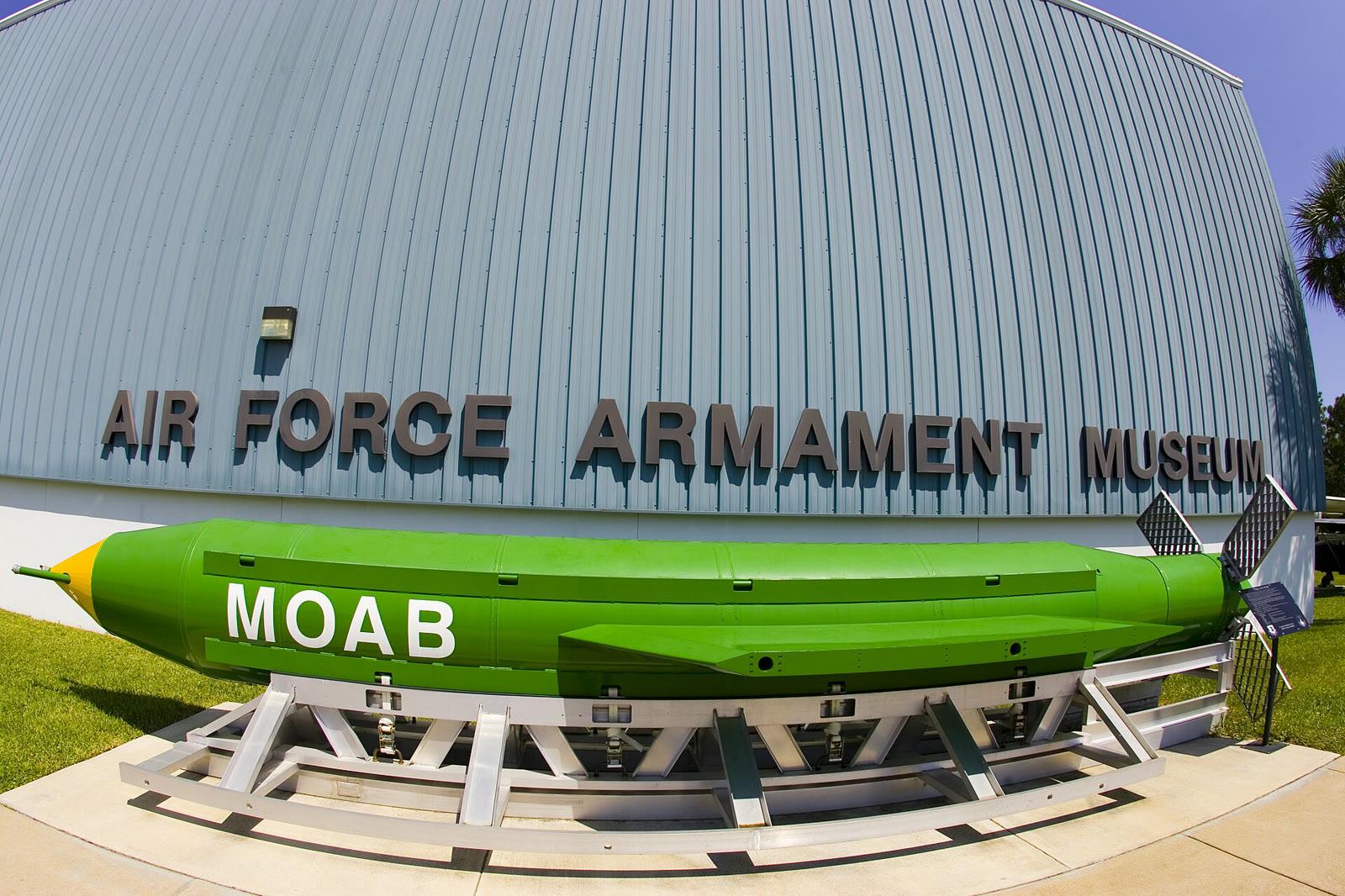
The US administration describes preventing Iran from acquiring nuclear weapons as one of the operation’s primary objectives. Trump had also previously threatened to target Pickaxe Mountain.
The MOAB’s effectiveness remains disputed
US military planners are presenting policymakers with options ranging from low-intensity operations to more powerful strikes against heavily fortified targets. However, questions remain over how effective the MOAB would be against nuclear facilities buried deep underground.
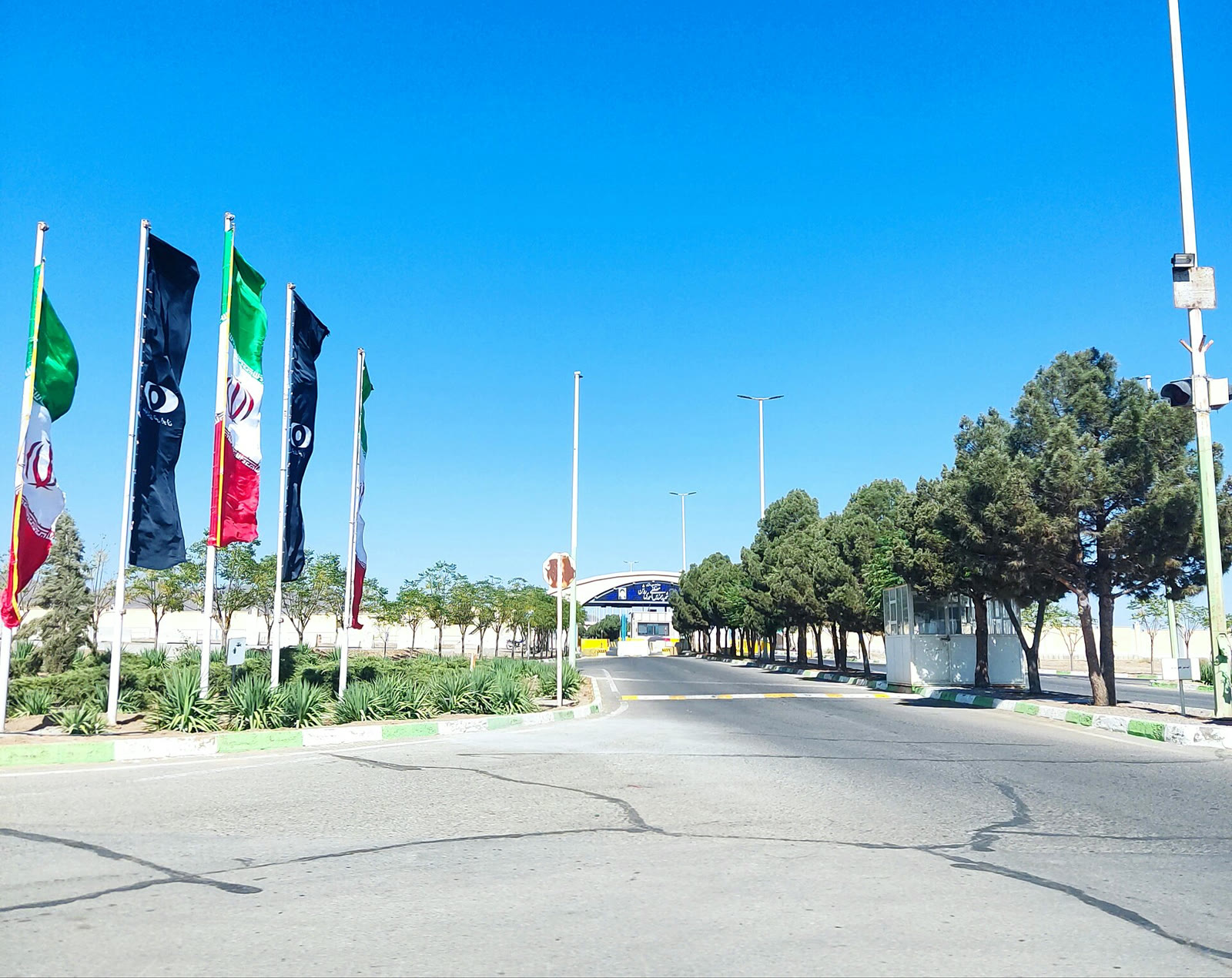
The GPS-guided bomb can cause heavy destruction across a surface area equivalent to approximately nine city blocks. However, the weapon was not designed to penetrate deep underground targets, and its effectiveness could be limited against facilities protected by thick granite layers.
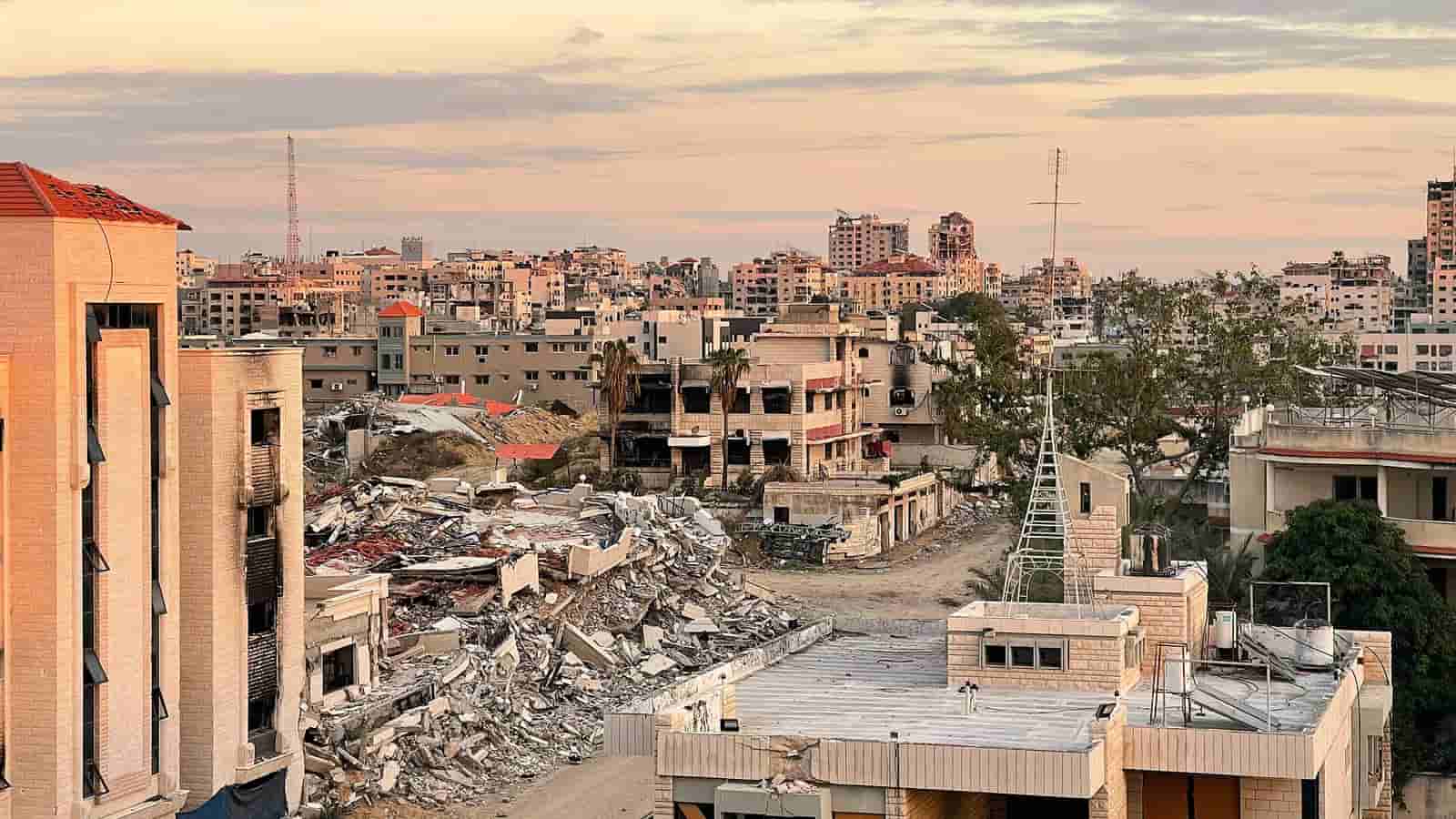
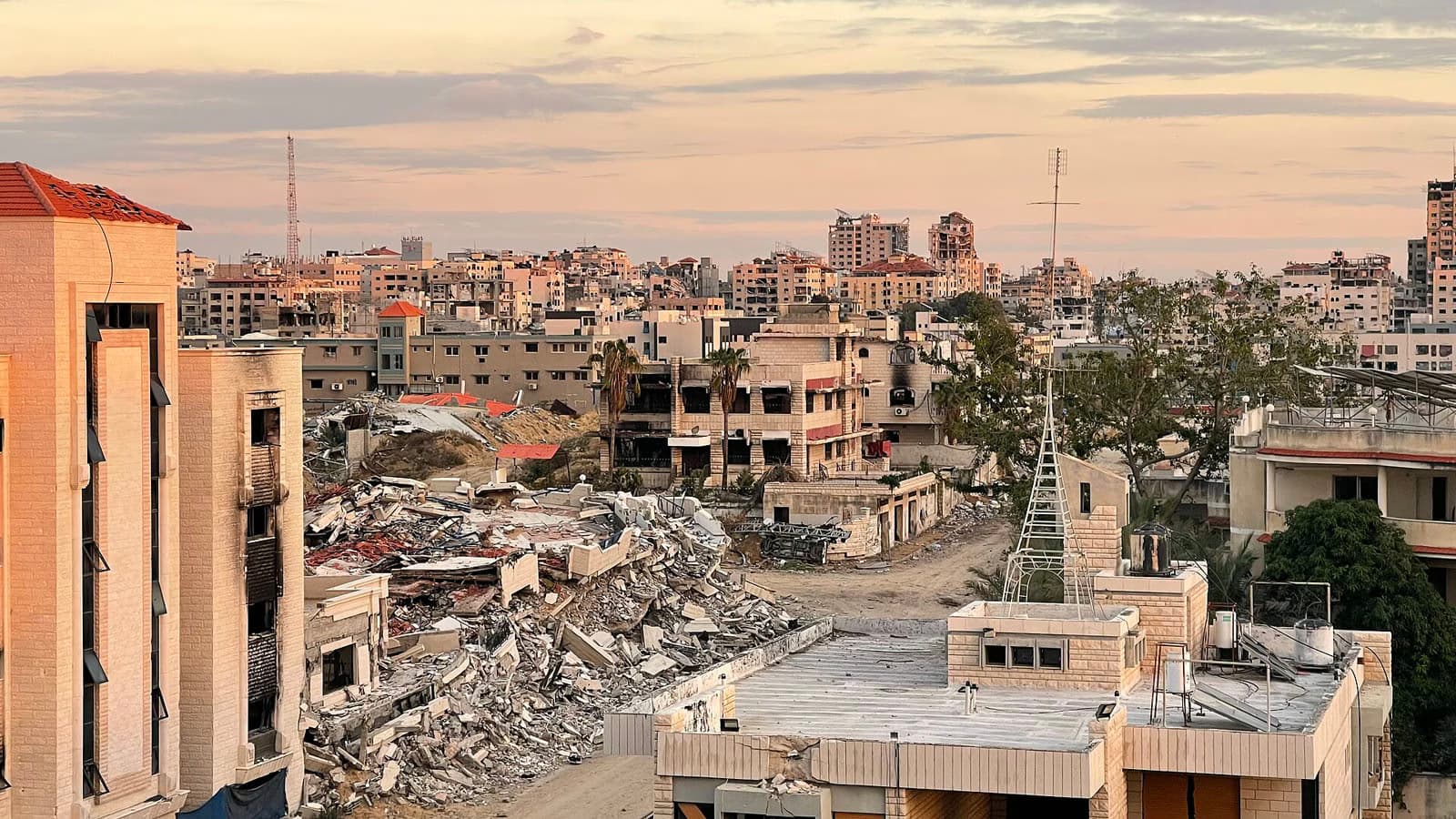
Assessments of the military planning indicate that the MOAB is being considered more for creating psychological pressure by affecting a wide area than for its deep-penetration capability. If the bomb were used, there are concerns that attacks on energy infrastructure, particularly near densely populated areas, could cause widespread destruction and civilian casualties.
The plans also consider the MOAB a tool for psychological pressure because of the limitations of existing munitions against Iran’s facilities deep underground. It remains uncertain whether new attacks would force Tehran to accept US demands.
Talks that began with a memorandum of understanding signed between Washington and Tehran on June 18 ended without results because of a dispute over transit security in the Strait of Hormuz.