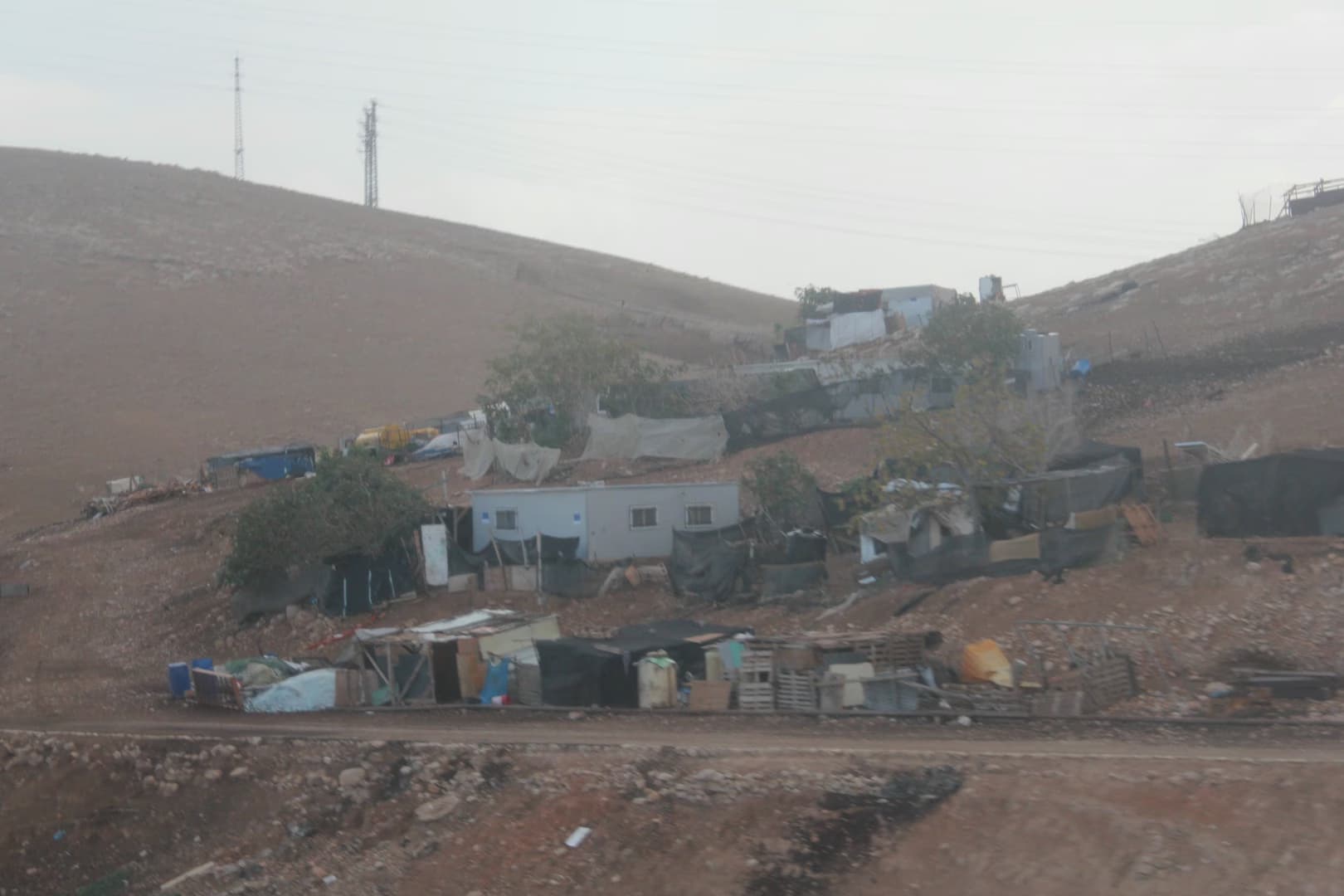
In the occupied West Bank, Burin villagers hold a kite festival every summer to assert their claim to the land. The joy of children filling the sky with colorful kites takes place in the shadow of the illegal Har Bracha settlement surrounding the village. Established in 1983, this settlement is considered illegal under international law.
Ghassan Najjar, one of the festival organizers, highlights the political dimension of the event, saying, 'We want to tell the settlers: this is our land, this is our sky. Even if we can no longer reach that land, our kites can.' The festival, held since 2009, takes place on a hill partially seized by settlers.
Conversations in Burin frequently turn to settler attacks and Israel's expansionist policies. As early as 2008, the United Nations Office for the Coordination of Humanitarian Affairs (OCHA) reported armed attacks and the uprooting of olive trees in the area. Since the war in Gaza began in October 2023, the UN reports a sharp increase in incidents of violence attributed to Israeli settlers in the West Bank.
For a few hours, the festival ground takes on a festive atmosphere. Clowns paint children's faces, families picnic, and kites in the colors of the Palestinian flag glide through the sky. Najjar says, 'Our children have the right to play and to have a real and good life.'
But even this joyful atmosphere is under the threat of conflict. Villagers have to check for nearby settler groups before gathering. Sanaa Bashar Najjar, 15, describes their fear, saying, 'Last year, we couldn't come because settlers attacked the village. We only stay for half an hour or an hour, just to get some fresh air.'
Another villager, Dalia Zaban, says her parents' house was attacked, its windows broken and their car vandalized. Zaban underscores the ongoing threat, saying, 'Today we just hope they don't come down here.'
At the end of the day, as the wind dies down, the kites slowly descend. But Burin residents say they will be here again next summer, with the same determination, to assert their claim to the land and sky. Qusai Walid Eid, who attends the festival every year, says the event strengthens his 'roots in this land.' In the shadow of occupation, the kites remain symbols of hope and resistance.