US Vice President J.D. Vance continued his threats against Iran, declaring that any attack on commercial ships transiting the Strait of Hormuz would be met with a much stronger military response.
Speaking in Milwaukee, Wisconsin, Vance recalled the terms of the agreement reached with Iran. "The basic deal was: If you stop shooting at ships, we lift the blockade. If you shoot, we respond, and our response will be much harsher than before," he said.
The US Vice President claimed that after about a week of calm, Iran had resumed firing on ships 24 hours earlier. "The deal is very simple: If they fire on ships, we destroy them. That's how simple it is, and that's the logic of the treatment," he said.
Claims Regarding Iran's Military Capacity
Vance also touched on Iran's nuclear program and military capabilities in his speech. He claimed that the Tehran administration's capabilities had been "destroyed." Arguing that there are those within the Iranian regime who want to change relations with the US, Vance stated that President Donald Trump had agreed to sit at the negotiating table with these factions.
The Importance of the Strait of Hormuz and the Attacks
Vance emphasized the critical importance of keeping the Strait of Hormuz open, through which a significant portion of the global energy supply passes. He noted that keeping this corridor open means the continued flow of oil and gas to the American people.
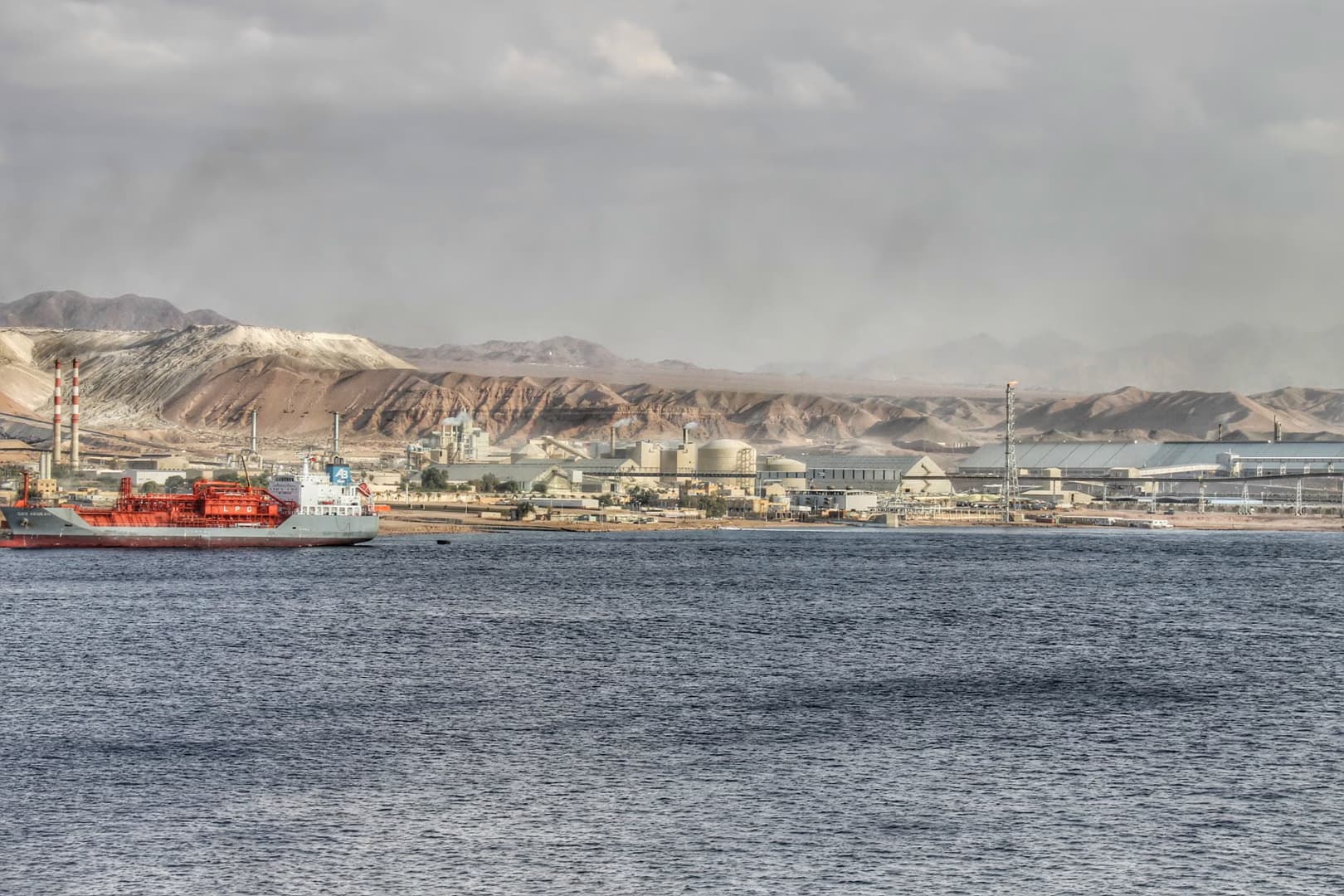
On Tuesday, at least three commercial ships, including oil tankers belonging to Qatar and Saudi Arabia, came under gunfire and drone attacks of unknown origin while transiting the Strait of Hormuz.
Following the attacks, US Central Command (CENTCOM) announced that it had carried out airstrikes on more than 80 targets inside Iran on Wednesday night. The targets included radar systems, missile batteries, and more than 60 small boats belonging to Iran's Revolutionary Guard Corps. CENTCOM stated that these strikes aimed to undermine Tehran's ability to threaten freedom of navigation in the Strait of Hormuz.