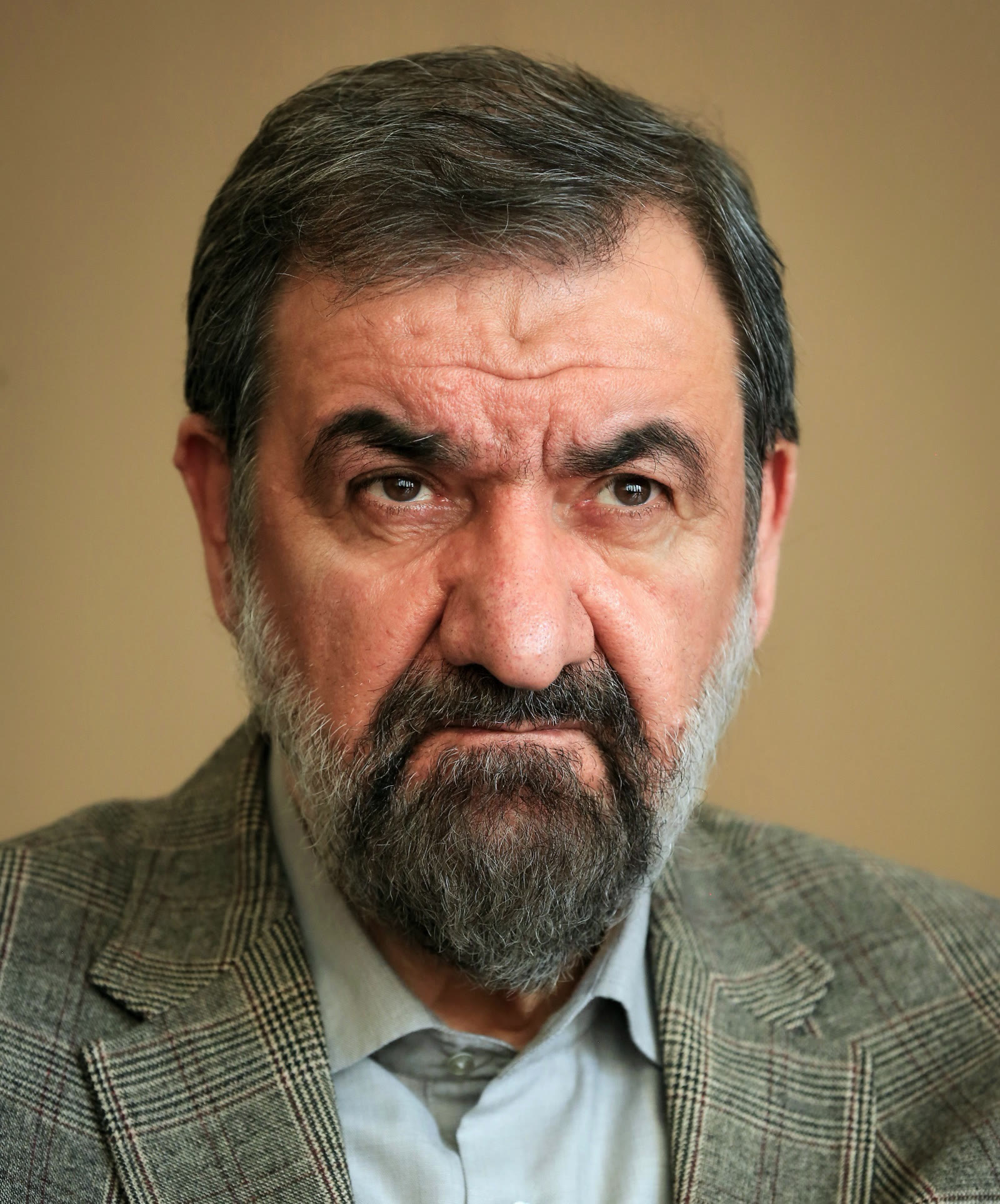
Mohsen Rezaei, secretary of Iran’s Supreme National Security Council, said Tehran had received a response from the U.S. on some of the seven conditions it conveyed to Washington regarding the reopening of the Strait of Hormuz.
Speaking on Monday, Rezaei said the U.S. response was “not sufficient” for Iran, adding, “Iranian diplomacy has changed, and we will not return to the previous situation.”
No immediate official response came from the U.S. administration regarding Rezaei’s remarks. U.S. President Donald Trump had previously said that Washington had not accepted Iran’s conditions.
Tehran’s conditions for the Strait of Hormuz
During a visit to the U.S. at the end of September to attend the United Nations General Assembly, an Iranian delegation presented Washington with seven conditions for reopening the Strait of Hormuz, with Qatar acting as a mediator.
The measures previously announced by Iranian officials included ending the war on all fronts, releasing Iran’s frozen assets and lifting the U.S. naval blockade.
- Ending interference in Iran’s internal affairs
- Ending U.S. attacks on Iranian territory
- Ending the war on all fronts
- Releasing Iran’s frozen assets
- Lifting the U.S. naval blockade
Details of Iran’s other conditions and the full list were not disclosed.
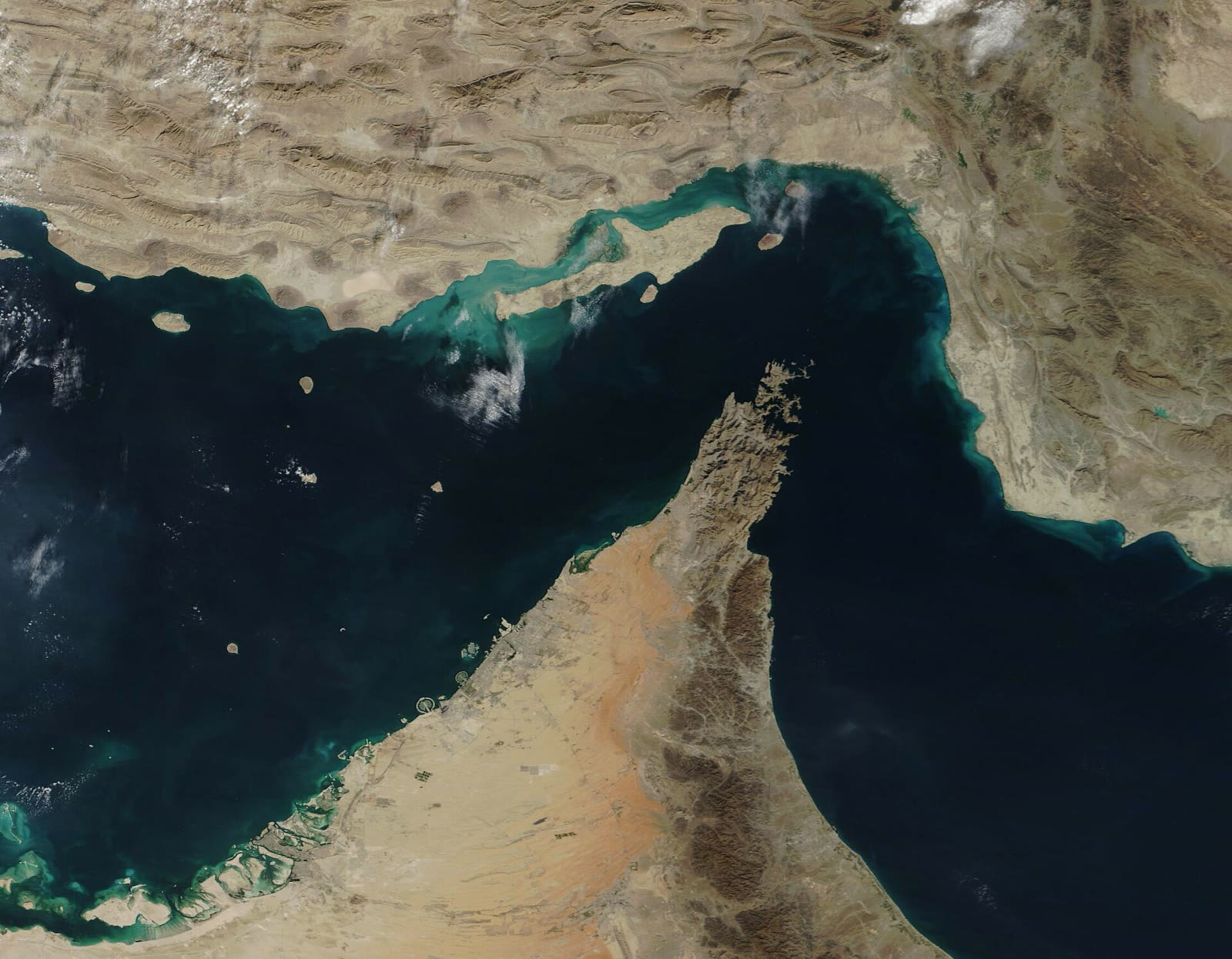
Dispute over the Strait of Hormuz continues
Maritime traffic through the Strait of Hormuz became one of the main points of disagreement in negotiations between the U.S. and Iran because of the strait’s strategic importance for global energy and goods supplies.
Thousands of people were killed after U.S. and Israeli military attacks on Iran on February 28. Iran also carried out attacks against Israel and U.S. sites in countries across the region; the parties later reached a ceasefire in April.
As the negotiations reached an impasse, the U.S. launched renewed attacks on several sites in Iran. The two countries had signed a memorandum of understanding in mid-June.
















