- BIST10011,483+1.32%
- USD50.07+0.05%
- EUR55.96-0.52%
- GOLD4,074.90-0.94%
- INTEREST36.00%-1.00
- BITCOIN75,704-0.07%
- November 8, 20267°
- BIST10011,483+1.32%
- USD50.07+0.05%
- EUR55.96-0.52%
- GOLD4,074.90-0.94%
- INTEREST36.00%-1.00
- BITCOIN75,704-0.07%
- November 8, 20267°
South Korea expands Cheonghae Unit mission toward Oman, adds mine-clearing team
The South Korean government decided to double the maritime Cheonghae Unit’s operational area from the Gulf of Aden to waters off Oman’s Duqm Port, and to add a maritime patrol aircraft and mine-clearing team. It stressed that the unit would not intervene in the war with Iran.
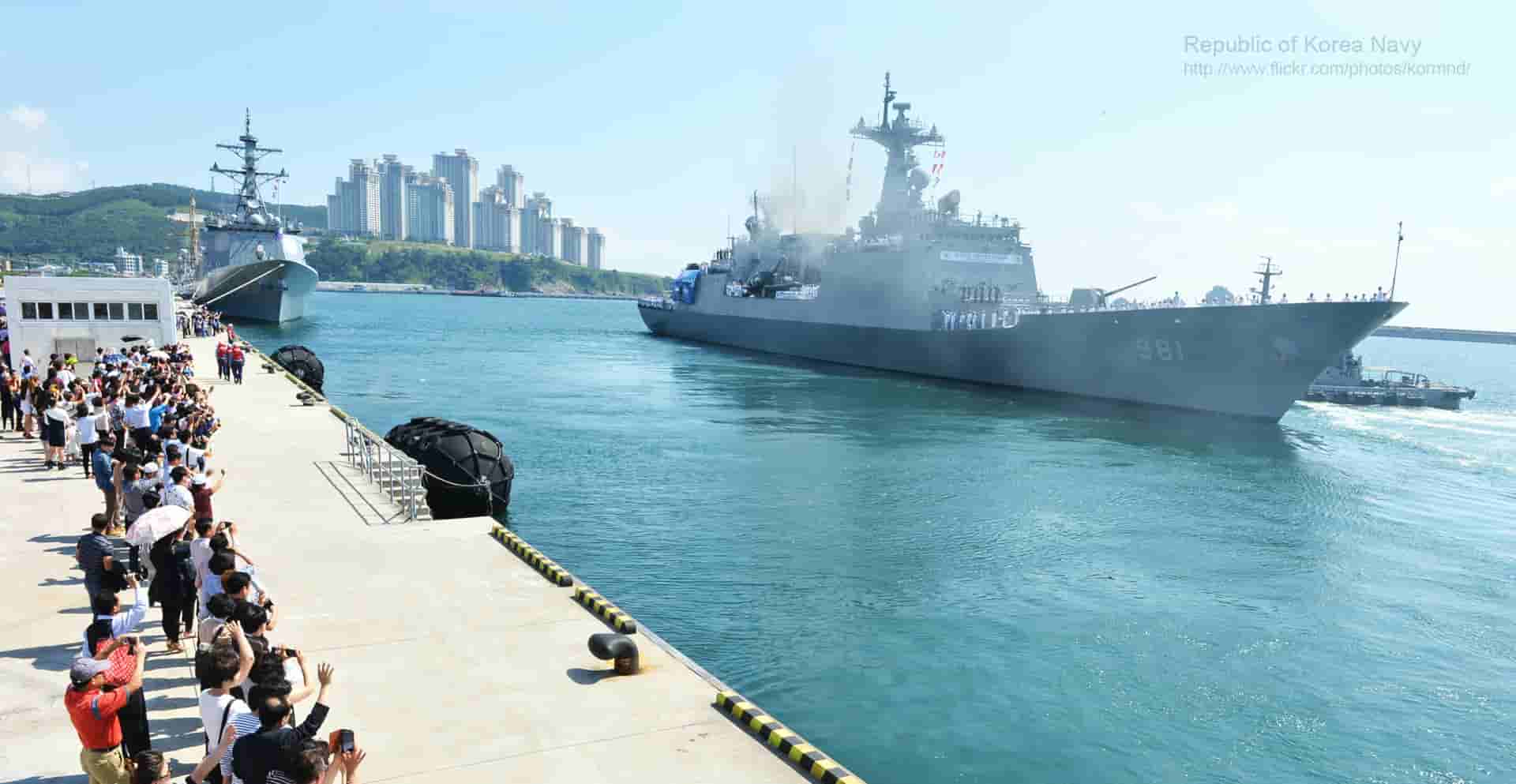
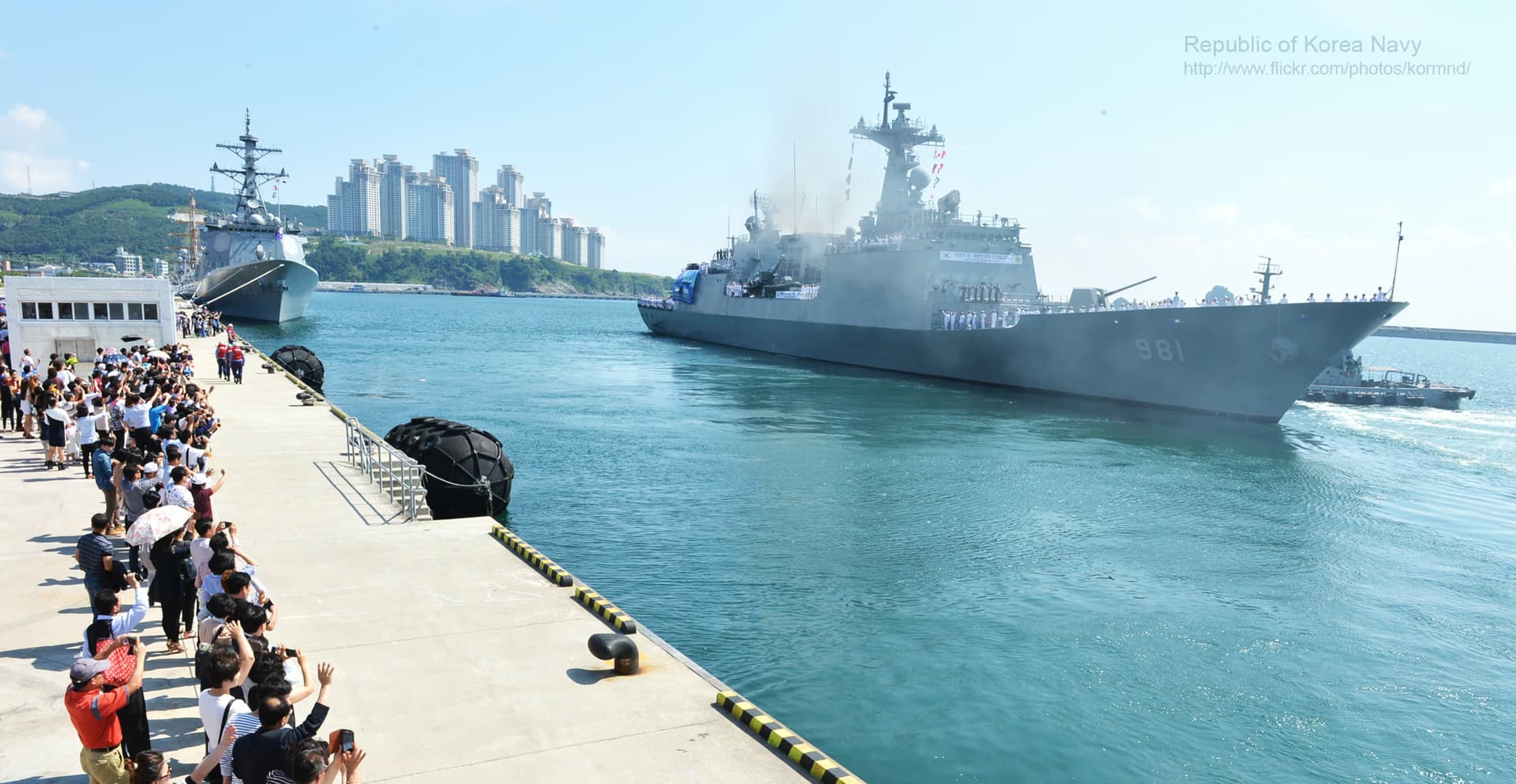
At a vice-ministerial meeting on Thursday morning, the South Korean government decided to submit a proposal to the National Assembly to double the operational radius of the Cheonghae Unit’s anti-piracy mission from 600 to 1,200 nautical miles. The area would extend from the Gulf of Aden off Somalia to open waters off Duqm Port in southern Oman, the Ministry of National Defense said.
Alongside the 4,400-ton destroyer "Chungmugong Yi Sun-sin," which departed from Busan Naval Base on October 9 as part of the unit’s 49th rotation, Seoul will send a P-8A maritime patrol aircraft with 45 personnel to operate it, a 30-member explosive ordnance disposal team, and two sets of mine-clearing equipment, including submersibles and unmanned boats. The additional deployment will comprise 75 personnel, bringing the total strength to a maximum of 395. They will be sent at the end of this year if Parliament approves the proposal.
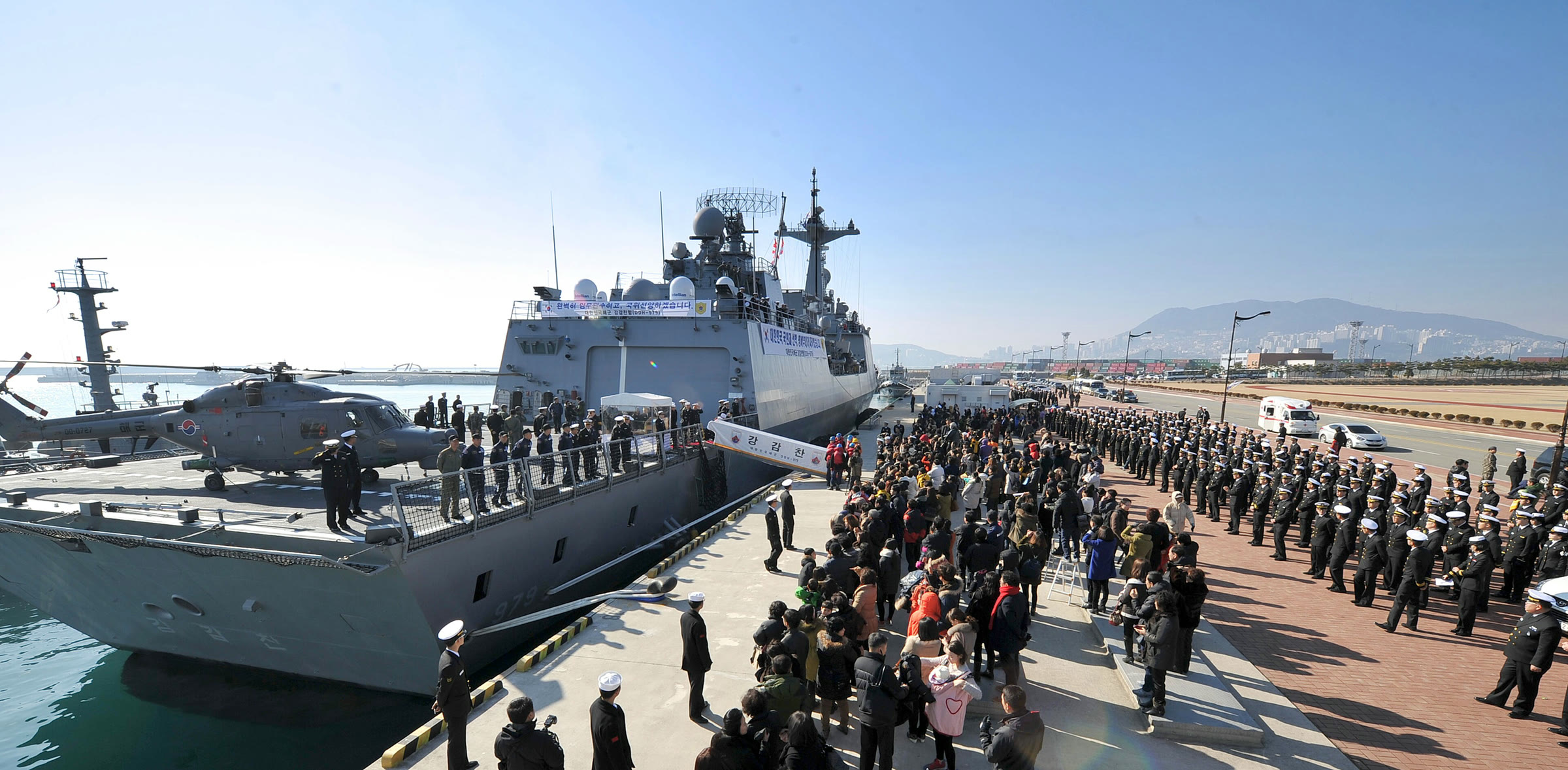
A Defense Ministry official said, "The Strait of Hormuz has been closed since the war with Iran earlier this year, coalition forces are concentrated in the Gulf, and Somali piracy has more than tripled compared with last year." The official added that the decision aims to protect citizens and economic interests. The official stressed that South Korea "will not participate in or intervene in the war in any way," and that the aircraft will not monitor Iranian territory or territorial waters, or the inner side of the Strait of Hormuz.
The Korea JoongAng Daily views the move as a response to U.S. pressure over the Strait of Hormuz without sending forces to the strait itself. Seoul has left open the possibility of joining coalition operations in the future, such as mine-clearing in the strait, provided that a "permissive environment" is in place, a condition set by Britain and France.
Stay Updated with Hilal Times
Subscribe to be informed about special news, developments and announcements. We will keep you informed.
By signing up, you agree to our Privacy Policy