- BIST10011,165+0.13%
- USD49.79+0.05%
- EUR55.52-0.41%
- GOLD4,049.60-0.05%
- INTEREST36.00%-1.00
- BITCOIN79,728-1.89%
- October 29, 202616°
- BIST10011,165+0.13%
- USD49.79+0.05%
- EUR55.52-0.41%
- GOLD4,049.60-0.05%
- INTEREST36.00%-1.00
- BITCOIN79,728-1.89%
- October 29, 202616°
Al-Sharaa says Syria-Iraq stability serves shared interests
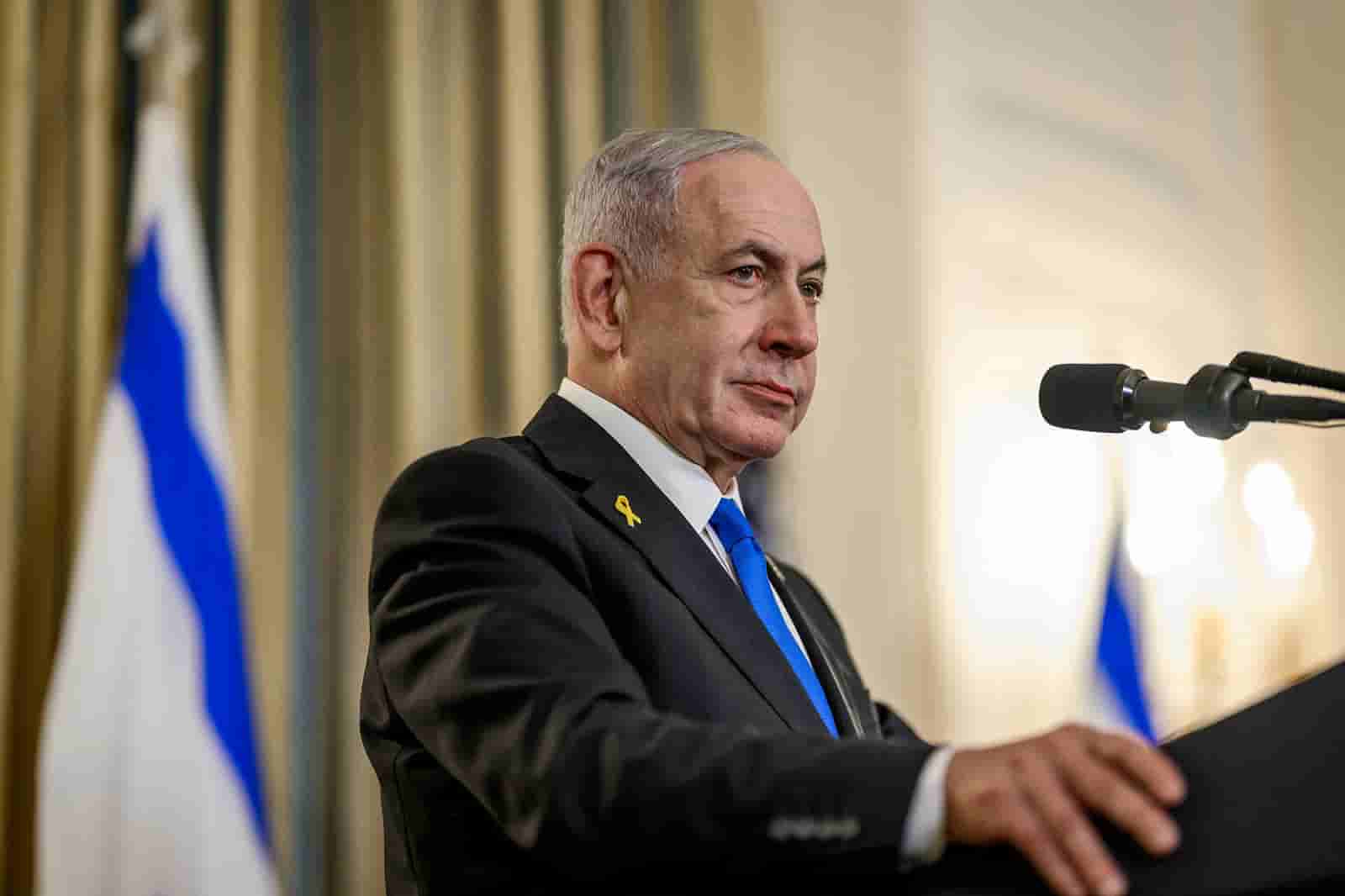
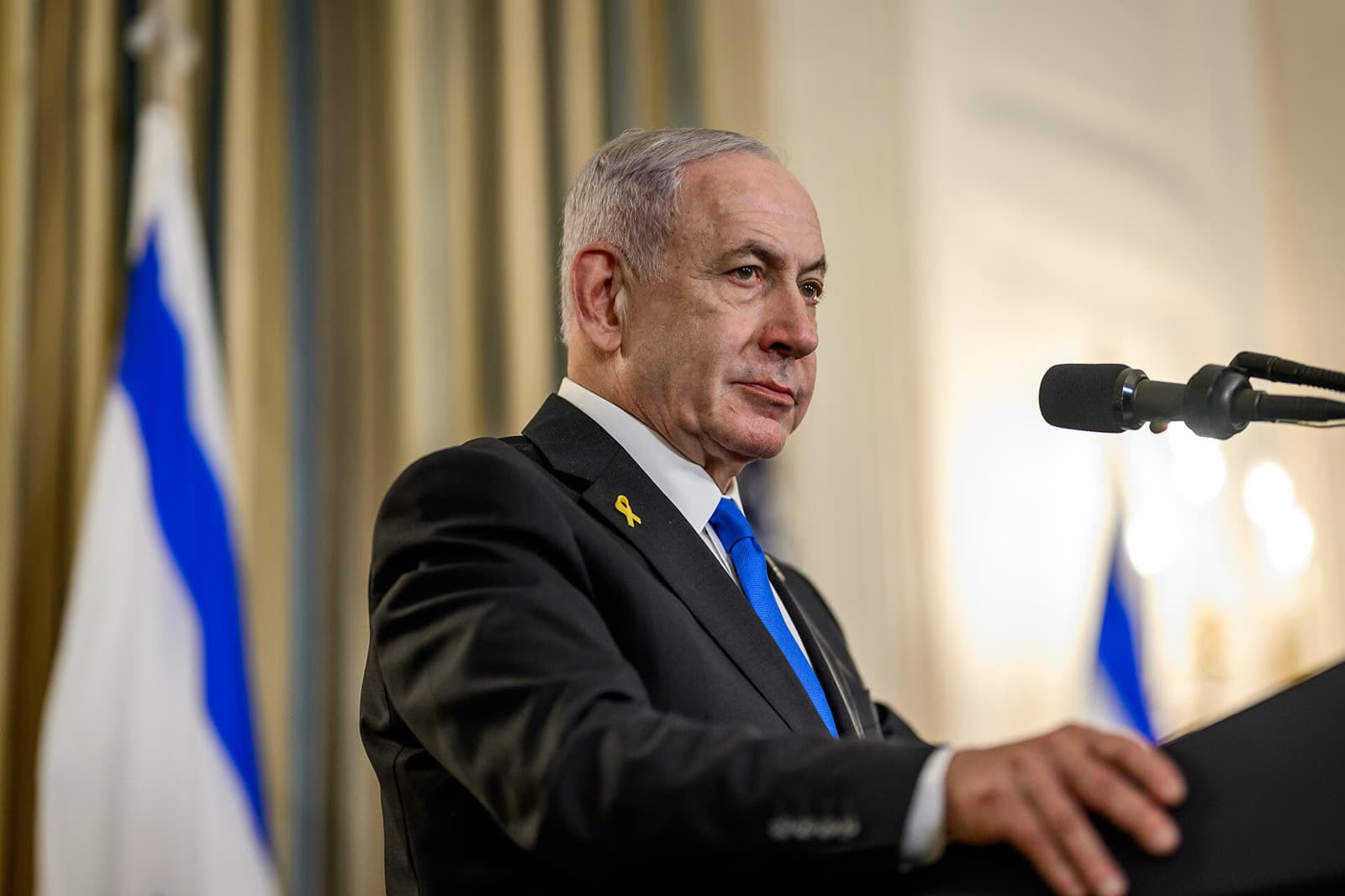
Syrian President Ahmed al-Sharaa told Baghdad-based Dicle TV that stability in the two countries mutually serves their interests. Al-Sharaa said more than 40,000 truck journeys had been made for trade over the past 6–7 months and announced that investments from Iraq had entered the cement sector.


Syrian President Ahmed al-Sharaa said stability between Syria and Iraq serves the shared interests of both countries. Speaking to Baghdad-based Dicle TV, al-Sharaa said the two countries’ historical, social and family ties form the basis of relations between their states.
Al-Sharaa said Syria provides Iraq with a route to the Mediterranean. He said the road connecting Iraq’s Al-Faw Port to the Mediterranean via Tartus, together with the land routes linking Saudi Arabia to Syria through Iraq, form a strategic corridor. He noted that this route connects Iraq to the West and, through Iraq, to the Persian Gulf.
Banyas pipeline for Iraqi oil
Al-Sharaa said Syrian ports are among the most suitable routes for exporting Iraqi oil and recalled that the Tapline oil pipeline, built in the 1950s, could not be operated because of political conditions. He announced that memorandums of understanding on the issue had been signed in the new period.
Al-Sharaa said Iraqi oil pipelines should be reconnected to Banyas, adding that he had told one of the companies investing in Syria last year that the project would be the best investment. He said regional and American companies were working on the project.
Shared opportunities in trade and agriculture
Al-Sharaa said economic relations between Syria and Iraq had accelerated over the past 6–7 months, adding that more than 40,000 truck journeys had been made for imports and exports. He announced that the first investments in the cement sector had come from Iraq.
Al-Sharaa identified water resources as one of the main areas of cooperation between the two countries and said Syria and Iraq have a total of 80 million to 100 million decares of agricultural land. He said these areas could provide food for 100 million to 130 million people and stated that production could be increased by 50–70% through the use of modern agricultural technologies.
Border security and armed groups
Al-Sharaa said the new administration in Damascus had adopted the principle that the use of force must remain the state’s exclusive prerogative since taking office. He said bases belonging to four major countries were located in northeastern Syria and that Daesh was active there. He argued that the problem had been resolved by integrating armed groups into the structures of the Syrian state.
Al-Sharaa said Syria’s borders were secure and that Damascus informed Iraq when it detected a threat, while Iraq conveyed its concerns to Syria. He noted that security forces remained on high alert against arms smuggling and the activities of armed groups.
Security condition for visits to the Sayyida Zeinab Shrine
Addressing requests for Iraqi citizens to visit the Sayyida Zeinab Shrine, al-Sharaa said there was no obstacle to visits to the holy site. He said they wanted to ensure the visitors’ safety and stated that access would be opened soon.
Al-Sharaa said their concerns were limited to the activities of organizations seeking to fuel sectarian conflict. He said the international coalition had handed over to Iraq people held in prisons as it withdrew from its bases in Syrian territory, noting that more than 3,000 Syrian citizens were among them.
Al-Sharaa said the issue had been discussed with Faik Zeydan, president of Iraq’s Supreme Judicial Council, and stated that the Damascus administration was ready to assume responsibility for Syrian citizens.
Stay Updated with Hilal Times
Subscribe to be informed about special news, developments and announcements. We will keep you informed.
By signing up, you agree to our Privacy Policy