- BIST10011,639-0.71%
- USD49.45+0.05%
- EUR55.62+0.37%
- GOLD4,190.60+0.23%
- INTEREST37.00%-1.00
- BITCOIN82,847+1.02%
- October 19, 202617°
- BIST10011,639-0.71%
- USD49.45+0.05%
- EUR55.62+0.37%
- GOLD4,190.60+0.23%
- INTEREST37.00%-1.00
- BITCOIN82,847+1.02%
- October 19, 202617°
Syria rejects Israel’s use of Sweida’s Druze community in election propaganda
The Syrian government on Thursday opposed using the Druze community in Sweida for political and electoral purposes in Israel. The Damascus administration accused Israel of arming an illegal militia group and called for pressure to ensure implementation of the 1974 Disengagement of Forces Agreement.


The Syrian government rejected the inclusion of Druze residents of Sweida province in the country’s south in political and election campaigns in Israel. An official speaking on behalf of the government said the Druze community in Sweida was an integral part of Syrian society.
The government accused Israel of trying to create chaos in the province and drag Syria into a wide-ranging war by arming an illegal militia group. The Damascus administration said it categorically opposed the politicization of the Druze and their use in propaganda activities in Israel.
Accusations over events in Sweida
The Syrian government alleged that Israel played a planned role targeting social peace in Sweida in July 2025. Israel, the government said, tried to create chaos in the province and lay the groundwork for a broad war by arming an illegal militia group.
The government said these plans had been thwarted but argued that Israeli efforts to undermine the stability achieved in Sweida were continuing. It said Israeli bombardments during the July 2025 events had limited the Syrian government’s ability to intervene in and end clashes between Druze groups and Bedouin tribes.
Damascus to continue roadmap with Jordan and the United States
The Damascus administration said it would continue working with Jordan and the United States to reintegrate Sweida. The tripartite roadmap will be implemented in line with Syria’s national vision, with the plan aiming to guarantee the rights and security of the region’s residents.
Syria, Jordan and the United States agreed on a joint roadmap at a meeting held in Damascus on September 16, 2025, to resolve the Sweida crisis and establish stability in southern Syria. The document called for rebuilding trust, strengthening social reconciliation, investigating violations and holding those responsible accountable.
The roadmap also covered the delivery of humanitarian aid, the restoration of basic services and the safe movement of civilians on the Damascus–Sweida road. The document emphasized ending foreign interference, preserving Syria’s territorial unity and upholding state sovereignty.
Syria responds to Netanyahu’s remarks
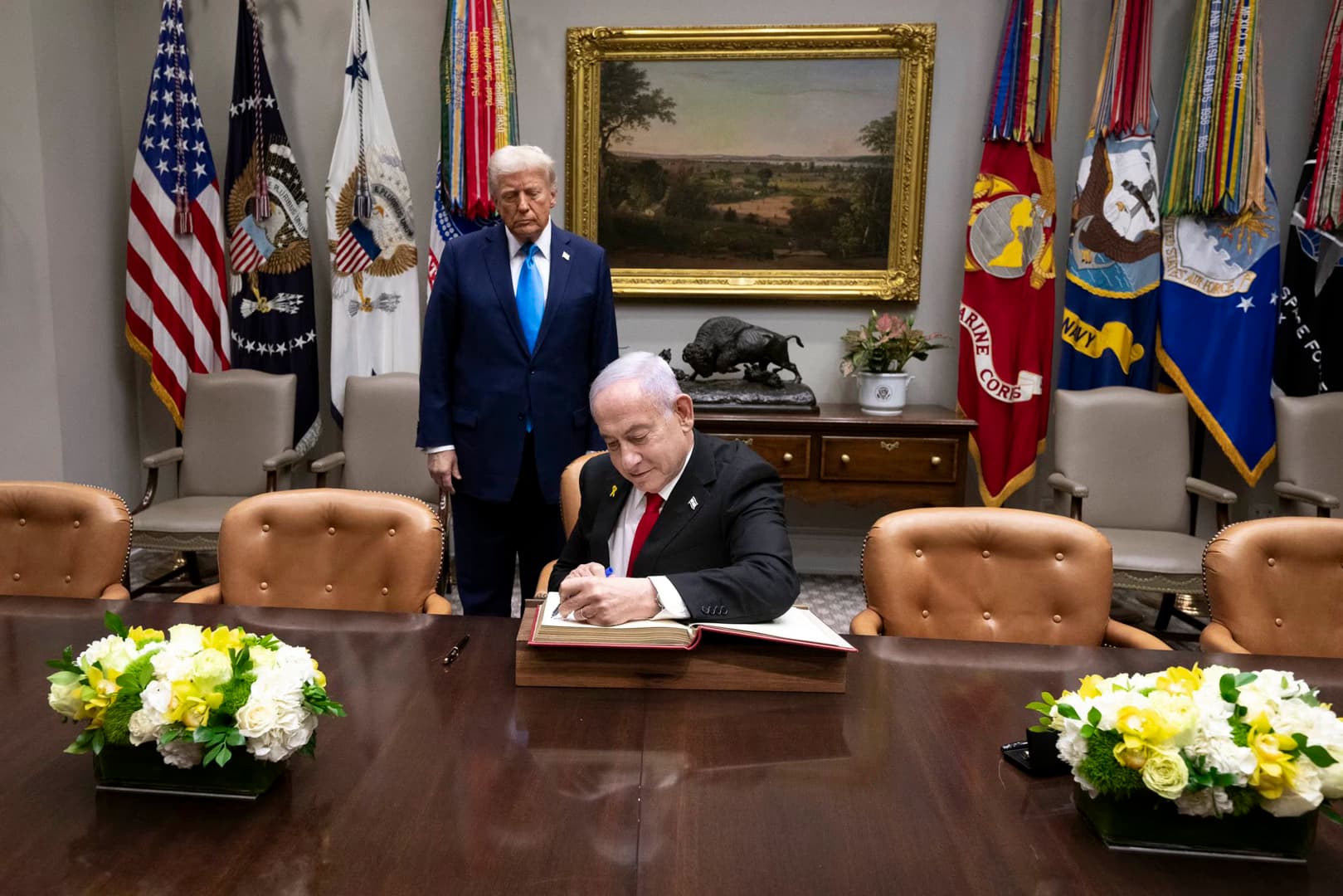
The Syrian government’s statement came after remarks by Israeli Prime Minister Benjamin Netanyahu about the events in Sweida in July 2025. During a meeting with members of the Druze community in the northern Israeli town of Yirka, Netanyahu claimed that he had spoken by phone with Syrian President Ahmed al-Sharaa during the events.
The Israeli prime minister claimed that the conversation was brief and tense and that his intervention had helped stop the killings. Netanyahu also said that Syrian government facilities in Damascus had been targeted by Israeli attacks and expressed Israel’s commitment to protecting the Druze in Syria.
Call for implementation of the 1974 agreement
The Syrian government called on the United Nations, the United States and countries in the region to pressure Israel. The statement urged Israel to implement the 1974 Disengagement of Forces Agreement and refrain from interfering in Syria’s internal affairs.
The crisis in Sweida escalated after clashes broke out between Druze groups and Bedouin tribes in July 2025. Syrian government forces intervened in the area as the clashes intensified, while Israel carried out airstrikes targeting several sites in Sweida and Damascus.
Syria and Israel signed the Disengagement of Forces Agreement on May 31, 1974. Under the agreement, the United Nations Disengagement Observer Force was established to monitor the ceasefire and the buffer zone between the parties.
Stay Updated with Hilal Times
Subscribe to be informed about special news, developments and announcements. We will keep you informed.
By signing up, you agree to our Privacy Policy