The US and Iran announced a temporary agreement aimed at ending the war as a "victory." However, many critical aspects of the agreement's content remain uncertain.
According to Pakistani officials, the memorandum of understanding, largely brokered by Pakistan, will begin with Iran fully reopening the Strait of Hormuz and the US lifting its blockade on Iranian ports.
Following this, the parties are expected to start negotiations lasting 60 days on Iran’s nuclear program and the possible lifting of sanctions. The agreement is expected to be signed on Friday, after which the Strait of Hormuz will be fully reopened and the US blockade lifted.
US President Donald Trump stated that Iran will not charge fees for ship passages, signaling a return to the pre-war status quo.
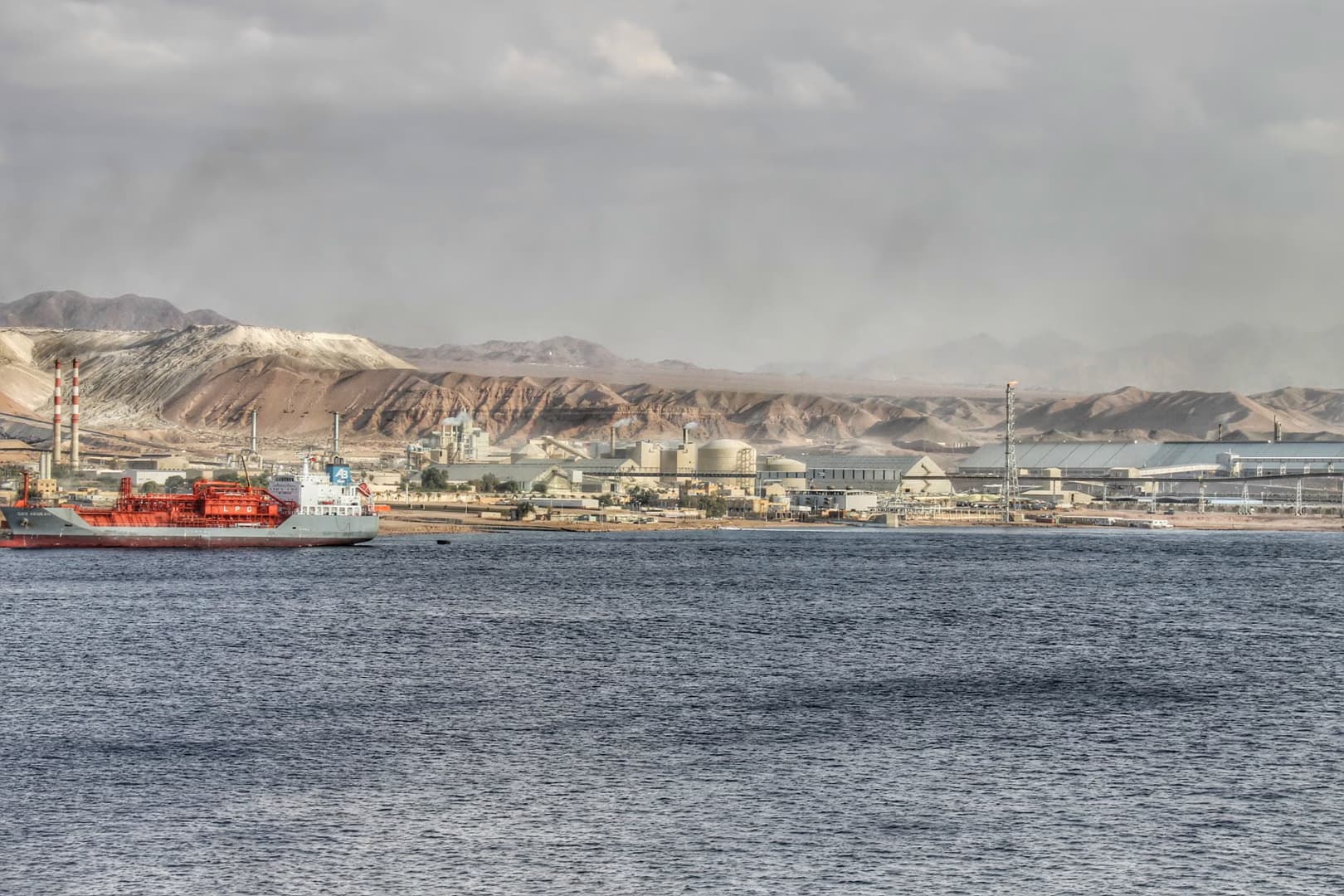
The closure of the Strait of Hormuz, through which about one-fifth of the world’s oil supply passes, had caused sharp increases in energy prices. During this period, price hikes in fuel and essential goods affected the global economy and increased inflationary pressures in the US.
New Negotiation Process
The agreement plans for the US and Iran to enter a 60-day negotiation period. Iranian Foreign Minister Abbas Araghchi stated that if progress is made, this period could be extended.
The negotiations will focus on Iran’s nuclear program. Washington demands the elimination or dilution of Tehran’s stockpiles of highly enriched uranium. Iran maintains that its nuclear program is for peaceful purposes.
Tehran’s main expectation is the lifting of international sanctions and the release of billions of dollars in frozen assets. According to Pakistani officials, the agreement ties the gradual easing of sanctions and the release of frozen assets to progress in the negotiations.
Missile Program and Regional Impacts
One of the most controversial aspects of the agreement is whether it includes a clear clause regarding Iran’s missile program and its support for regional allies. The US administration had indicated that one of the war’s objectives was to severely weaken Iran’s missile capabilities and sever its ties with regional allies.
However, the information released so far does not clarify how the agreement addresses these issues. US Vice President JD Vance said the agreement text is about one and a half pages long and is a "very general" document. Vance noted that many details will be addressed during the 60-day negotiation period.
Lebanon Issue
One of the biggest risks to the agreement is developments in Lebanon. Iran insists that any agreement must include a ceasefire in Lebanon, while Israel and Hezbollah are not parties to the agreement.
Following the announcement of the agreement, Israeli Defense Minister Israel Katz stated that Israel will not withdraw from the areas it occupied in southern Lebanon in recent months. Hezbollah announced it will continue resistance until Israel fully withdraws.
A US official speaking to the Associated Press said the agreement does not foresee Israel’s withdrawal from Lebanon and that Tel Aviv retains its "right to self-defense."
Pressure on Netanyahu
The agreement has also become a political pressure factor for Israeli Prime Minister Benjamin Netanyahu. Netanyahu, who emphasized acting "shoulder to shoulder" with the US at the start of the war, is reported to have largely been sidelined during the ceasefire process.
There are reports of disagreements between President Trump’s inclination to end the war and Netanyahu’s desire to achieve broader goals. Netanyahu stated that the US-Iran agreement was Trump’s decision and argued that Israel’s priority is to eliminate the nuclear threat from Iran.
Criticism from opposition and coalition members in Israel is increasing pressure on Netanyahu, and recent developments are expected to affect political balances ahead of elections anticipated later this year.