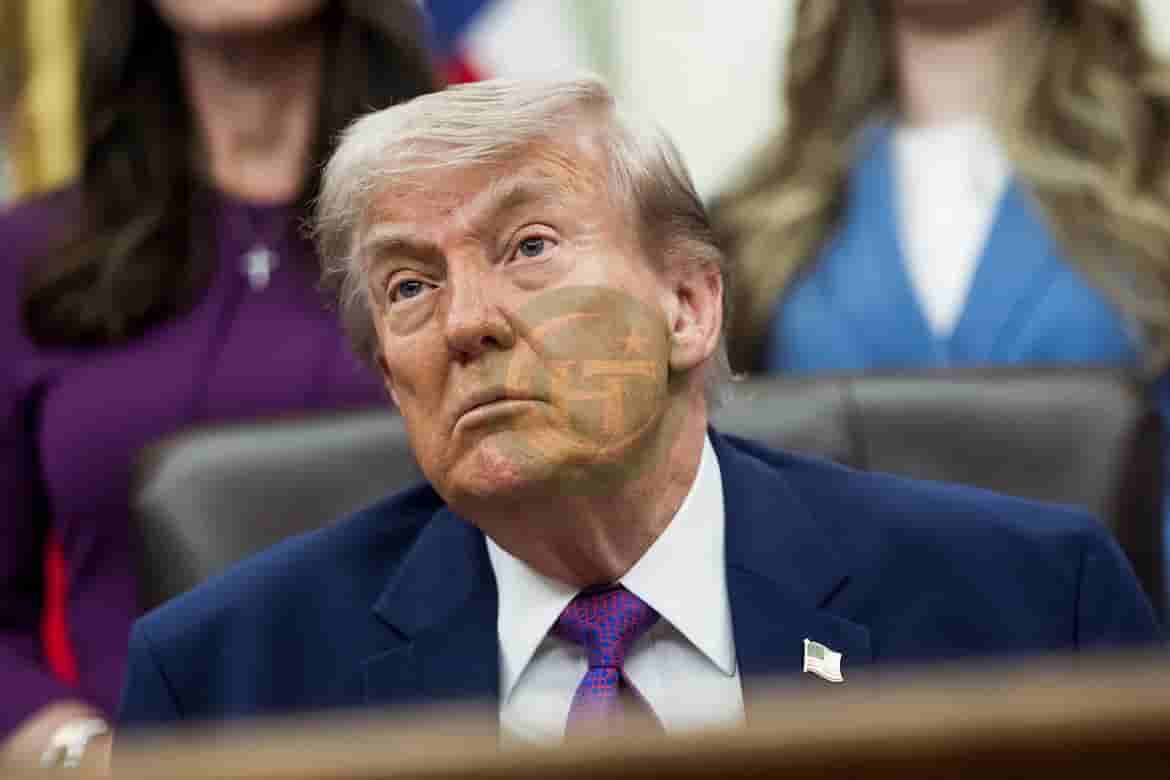
U.S. President Donald Trump has further raised regional tensions by threatening to expand military escalation in the crisis with Iran. As the temporary ceasefire agreement reached a month ago collapsed, Trump revealed that he is considering options including striking Iran's power plants and bridges, seizing the Kharg Island oil terminal, and bombing the nuclear-related facility at Mount Kazma.
However, experts believe that short of a dangerous ground invasion to topple the Iranian government, such an escalation is unlikely to force Tehran to change course. Former U.S. intelligence officer Jonathan Panikoff said, "There is no reason to believe this latest series of attacks will force the Iranians to change their minds."
Straits of Hormuz and Red Sea routes under threat
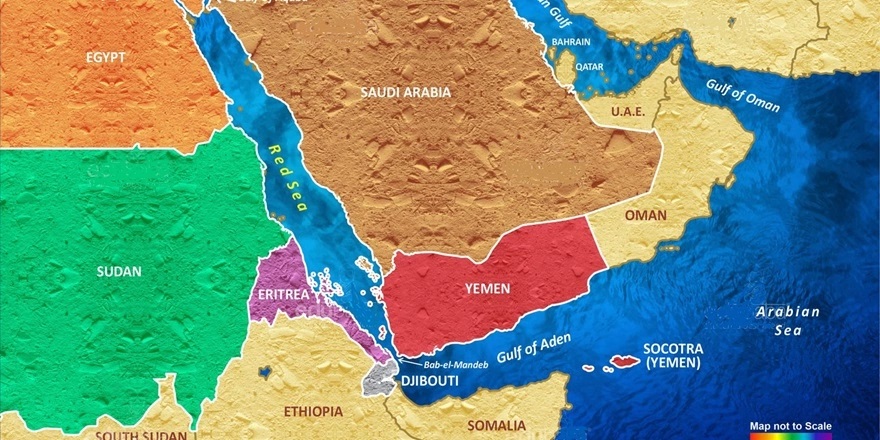
As mutual retaliatory attacks entered their sixth day, Iran signaled that if the U.S. strikes its energy infrastructure, it could direct the Houthis in Yemen to close the Bab el-Mandeb Strait at the entrance to the Red Sea. Three sources said this poses a new threat to global energy supplies.
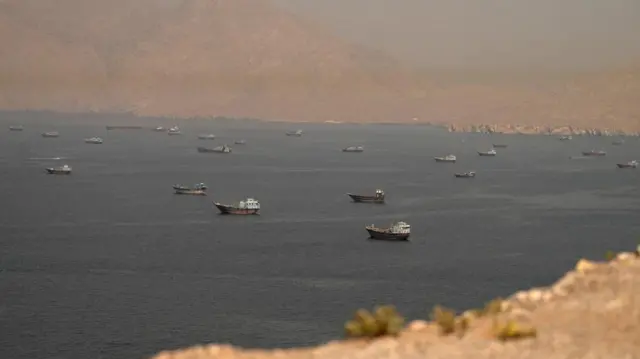
Iran is using its control over the Strait of Hormuz as a bargaining chip, demonstrating that it could halt a fifth of world oil shipments during wartime. Tehran believes it has a role in managing the waterway and could even collect fees, while the U.S. and its Gulf allies insist on free passage.
Economic pressure and diplomatic stalemate
The crisis comes at a time when Trump is under pressure to end the war ahead of the November midterm elections. While negotiations aimed at turning the temporary deal into a permanent peace have stalled, there are signs of possible behind-the-scenes diplomatic activity.
Iran is also facing mounting economic pressure after Washington revoked the waiver that allowed Iran to sell oil internationally. This waiver was one of Iran's biggest gains under the temporary deal.
Three U.S. officials said the wave of U.S. strikes could function as "shaping operations," giving Trump the option to target Iranian military capabilities before taking larger steps. Iran, signaling its readiness to widen the war, warned it could strike civilian facilities of U.S. allies in the Gulf.
Experts warn of escalation
Danny Citrinowicz of the Institute for National Security Studies in Israel said, "No matter how much pressure the administration applies, the Iranian leadership is unlikely to surrender." Citrinowicz wrote, "If President Trump continues to expand his target list, Tehran is likely to respond in kind."
Some analysts have suggested that Trump, who campaigned on a pledge to avoid foreign interventions in his second term, may be repeating some of the mistakes he made when he launched the war on February 28.