- BIST10011,483+1.32%
- USD50.07+0.05%
- EUR55.96-0.52%
- GOLD4,074.90-0.94%
- INTEREST36.00%-1.00
- BITCOIN75,711-0.06%
- November 8, 20267°
- BIST10011,483+1.32%
- USD50.07+0.05%
- EUR55.96-0.52%
- GOLD4,074.90-0.94%
- INTEREST36.00%-1.00
- BITCOIN75,711-0.06%
- November 8, 20267°
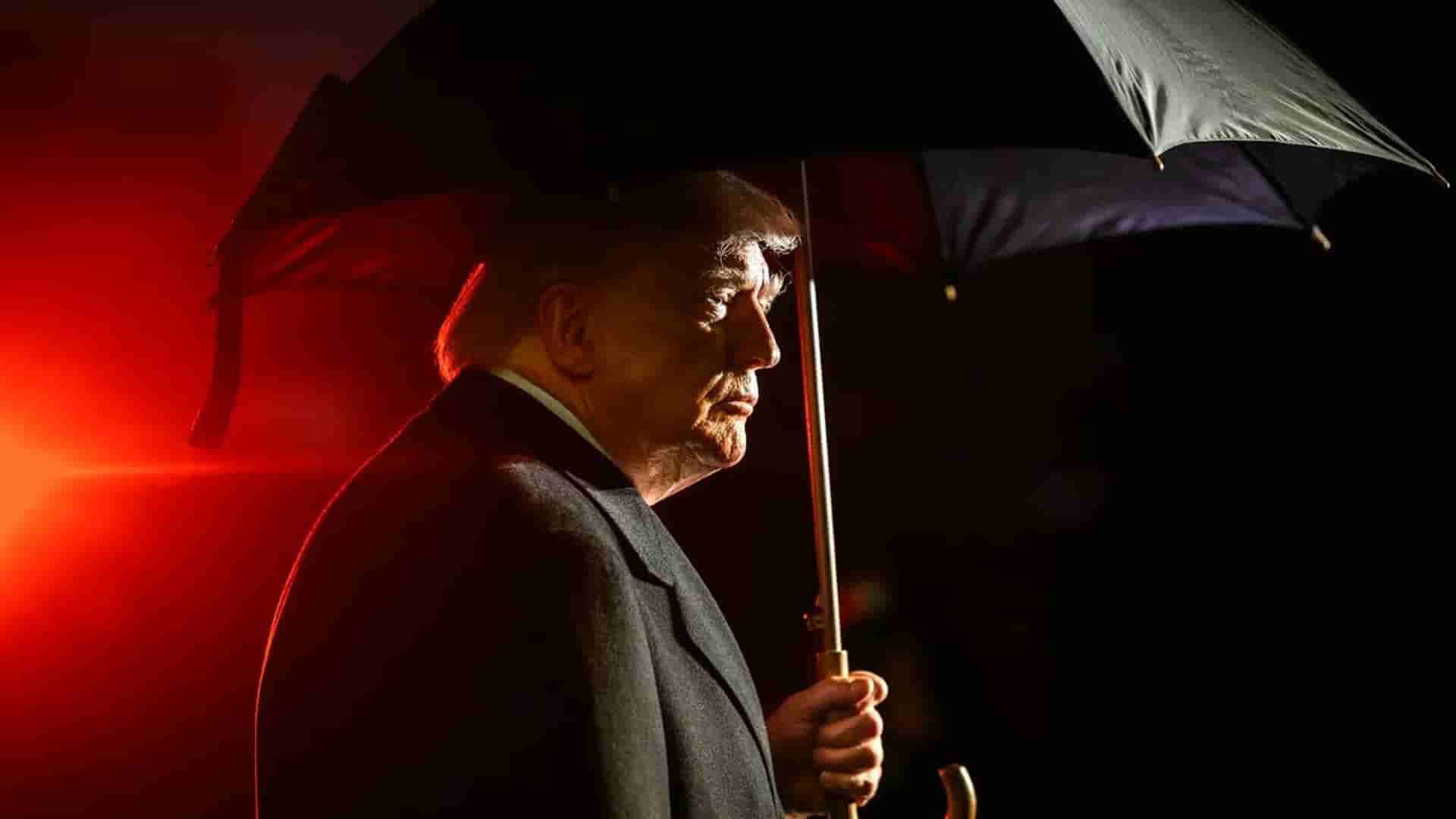
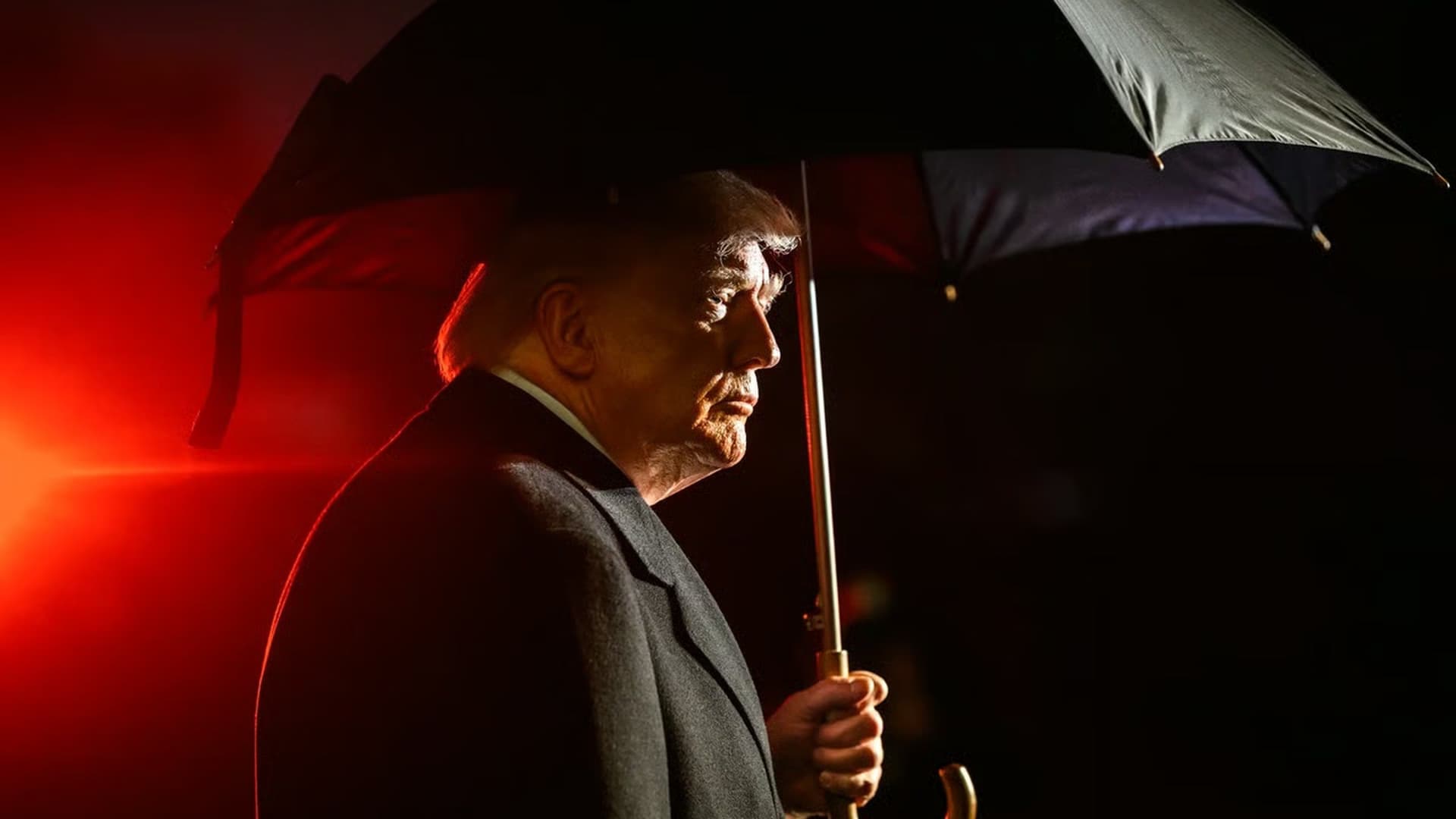
Trump leaves the end of the Iran war unresolved
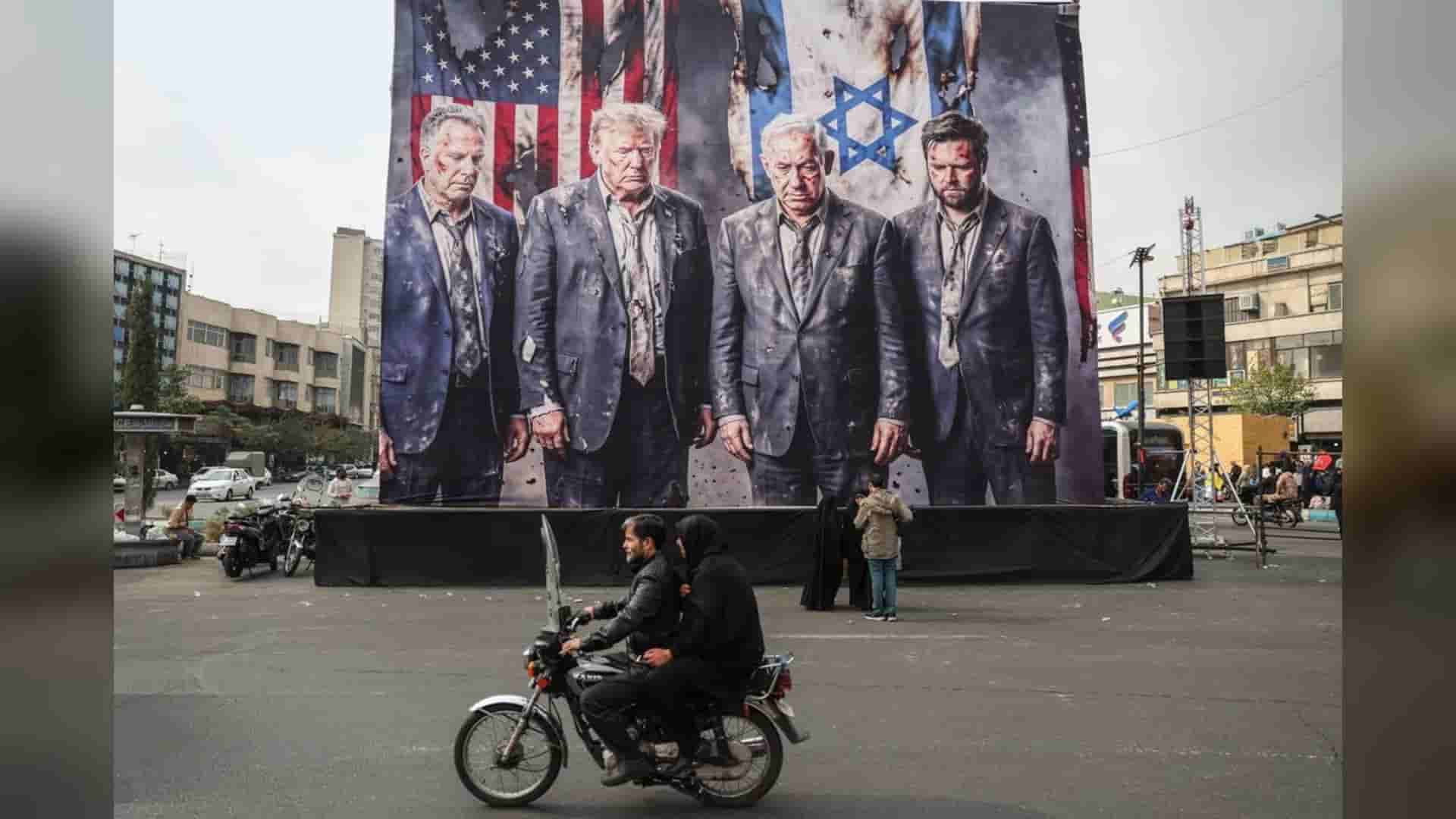
U.S. President Donald Trump gave no clear timeline for ending the war on Iran, saying it would end “when I want” and denying that he had promised to end it immediately after the midterm elections, while Tehran threatens a “much broader” response to any new attack.
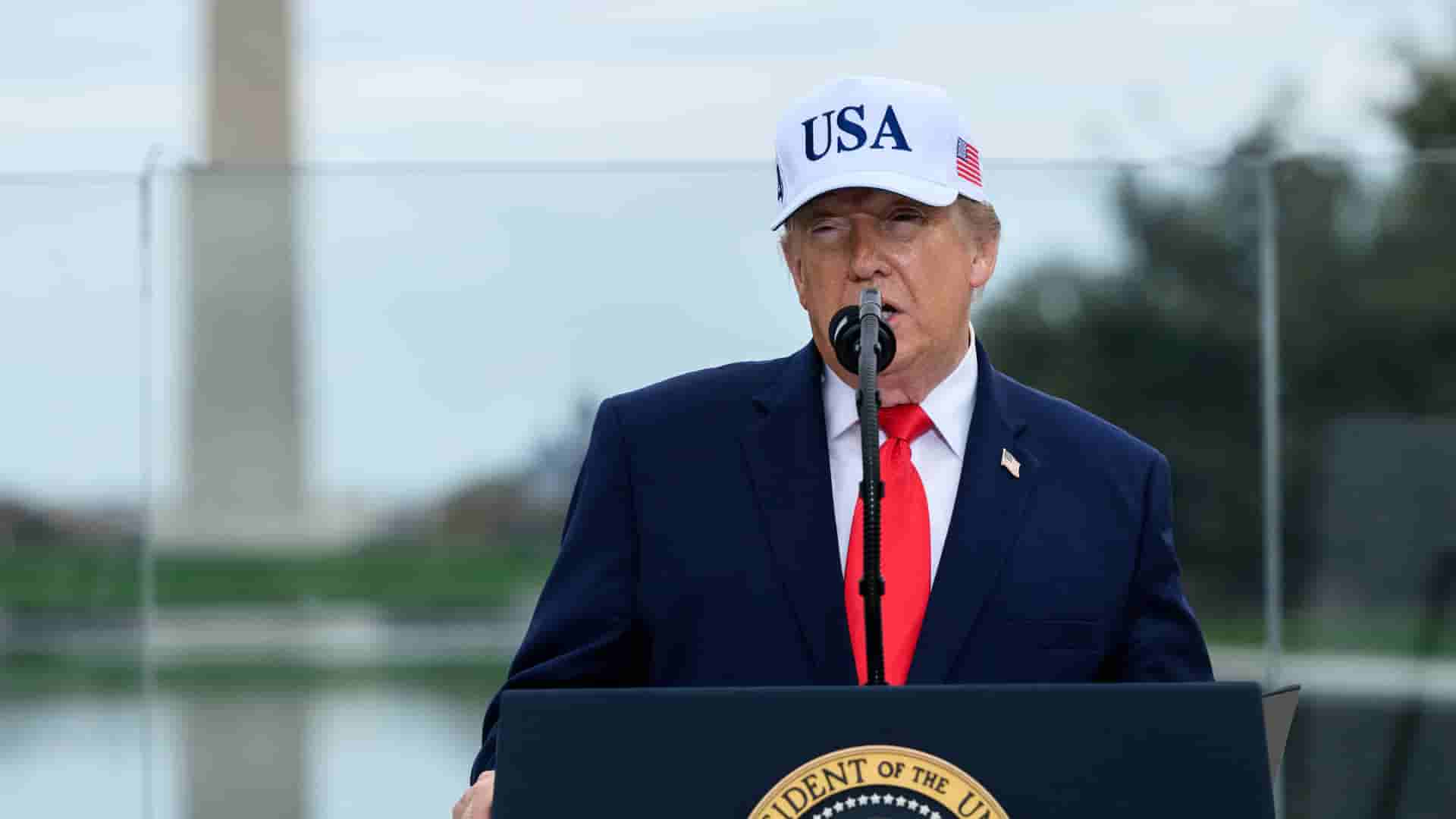
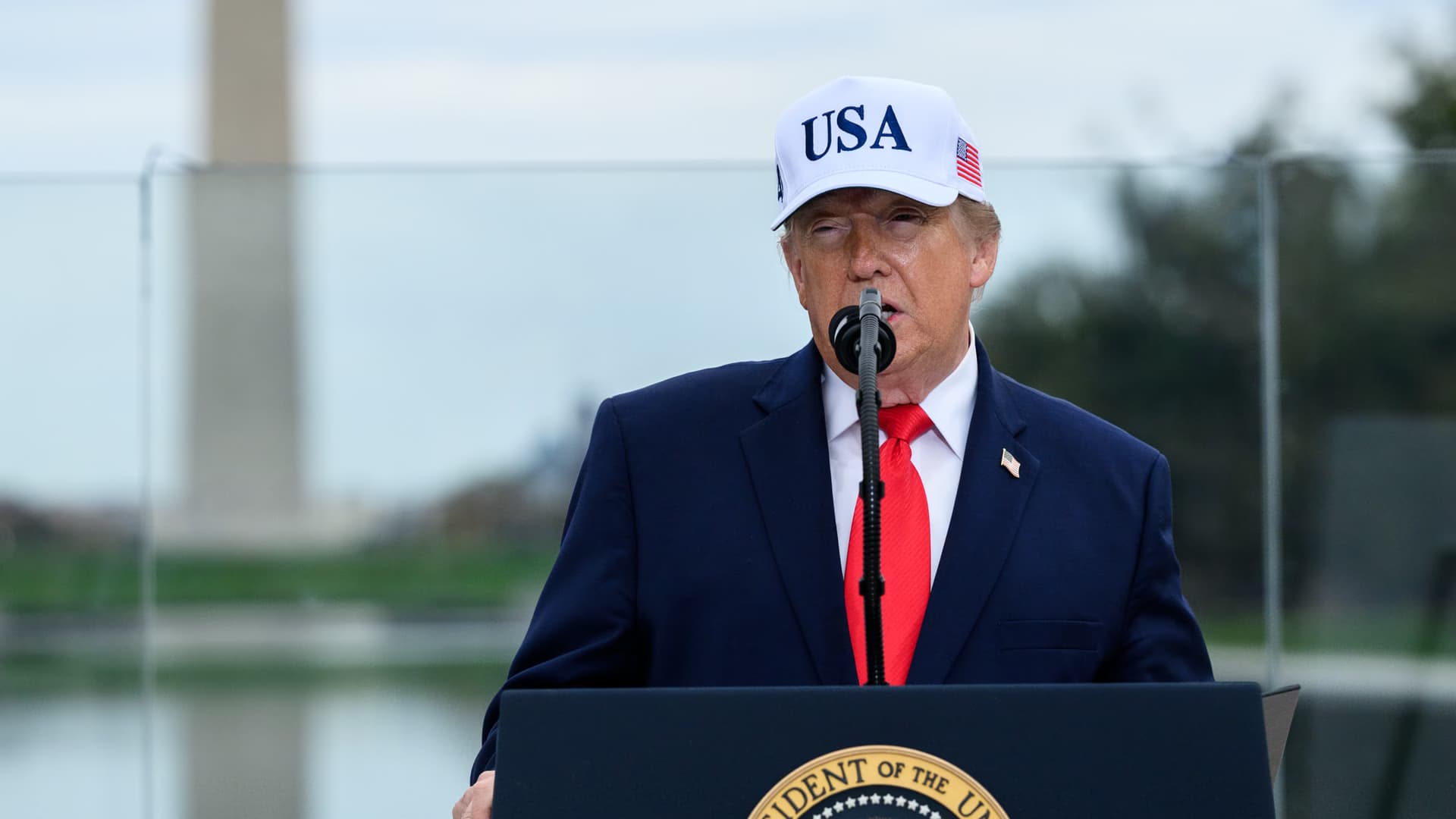
U.S. President Donald Trump gave no definitive answer to the region’s most pressing question after his party’s defeat in the midterm elections: Is Washington heading toward ending the war on Iran or launching a new round of it? Asked on Wednesday, November 4, when the war would end, he replied: “When I want, but it has to be done the right way, and we will never allow them to have a nuclear weapon.”
Trump made the remarks while briefing reporters on construction work for a new ballroom at the White House, a day after Democrats seized control of both the House of Representatives and the Senate. When a reporter reminded him that he had said the war would end as soon as the midterm elections were over, he replied tersely: “I didn’t say that.”
However, Trump told reporters at Joint Base Andrews on September 9: “I think the war will end as soon as the elections are over, because they cannot hold out any longer,” according to JNS. The New York Times had reported before the vote that the U.S. military was preparing for a possible strike on Iran after the elections, subject to Trump’s approval.
“Worth it” and “we’re still doing it”
Trump, meanwhile, defended the war despite acknowledging its electoral cost. Asked whether it was worth it, he said: “I think so. Yes. I mean, you had no choice,” adding: “The Iran matter was something we had to do, and we’re still doing it,” according to Anadolu Agency. He continued in another clip: “I knew the war would affect that. But whether it affected it or not, Iran cannot have a nuclear weapon.”
Trump agreed with Vice President J.D. Vance’s view that the war had cost Republicans votes, saying: “I think that’s largely true because it raised gas prices.” But he added: “If I had to do it again, I would do it, because in the long run it’s the only solution,” insisting that he “wouldn’t have done anything differently” regarding the war.
From a “very soft war” to prices falling “like a rock”
These positions differ from Trump’s earlier statements. In an interview with Fox News on Monday, November 2, he said: “This is not a war. It’s a very soft war,” according to NBC. In October, he told reporters that the elections had “no effect whatsoever” on his decision regarding the war, predicting that oil prices would fall “like a rock” once they ended. In September, he told Fox News, explaining why he had not attacked Iran with full force: “Maybe I’m not doing that because of the elections.”
The United States and Israel launched the war on Iran on February 28, 2026. Washington and Tehran then signed a memorandum of understanding in June providing for an immediate cessation of hostilities on all fronts. But Washington resumed its strikes on the night of July 8, accusing Tehran of violating the understandings concerning the Strait of Hormuz, and then shifted to economic pressure and sanctions, according to TASS. A day before the vote, a U.S. strike targeted Qeshm Island in the strait, which U.S. officials described as “limited.”
Tehran: “The American people have sent you a clear message”
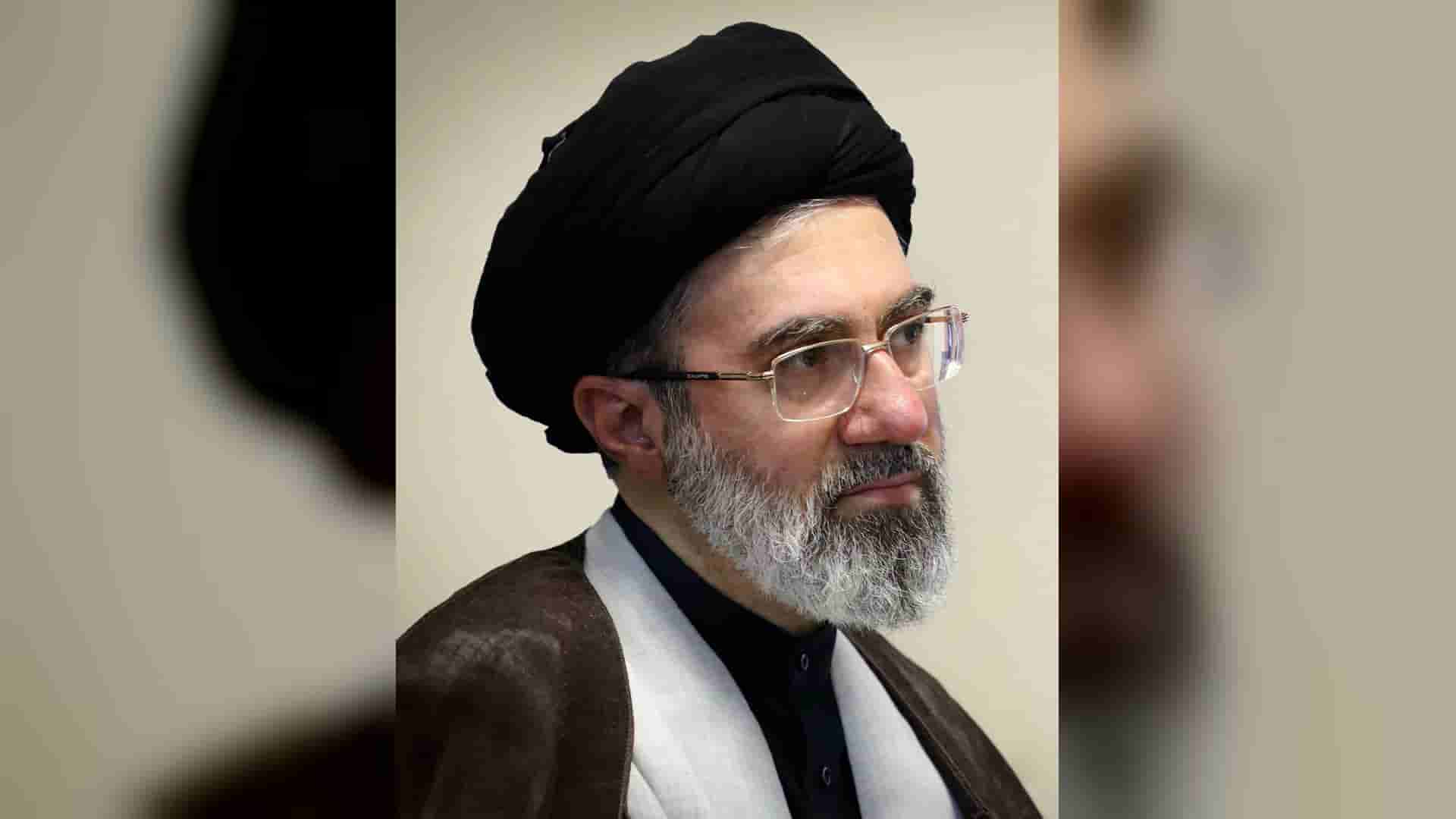
In Tehran, Iranian Foreign Ministry spokesman Esmail Baghaei told Trump that “the American people have now sent you a clear message” and that “attacking Iran does not bring victory; it only leads to defeat,” according to the Iranian newspaper Kayhan. Iranian Supreme Leader Mojtaba Khamenei warned that the confrontation “will take on much broader dimensions” if attacks on Iran recur, saying that those who pin their hopes on a change in U.S. policy after the elections are “gravely mistaken.”
In Washington, Democrats who will control the new Congress are pledging to stop the war. Representative Ted Lieu said: “We will pass legislation to stop the Iran war,” while House Democratic Leader Hakeem Jeffries called for “ending this reckless and costly war of choice” that has raised gas prices.
Cover photo: White House / Wikimedia Commons. Video: White House
Stay Updated with Hilal Times
Subscribe to be informed about special news, developments and announcements. We will keep you informed.
By signing up, you agree to our Privacy Policy