- BIST10011,483+1.32%
- USD50.07+0.05%
- EUR55.96-0.52%
- GOLD4,074.90-0.94%
- INTEREST36.00%-1.00
- BITCOIN75,680-0.10%
- November 8, 20267°
- BIST10011,483+1.32%
- USD50.07+0.05%
- EUR55.96-0.52%
- GOLD4,074.90-0.94%
- INTEREST36.00%-1.00
- BITCOIN75,680-0.10%
- November 8, 20267°
Schumer vows to end Iran war, citing Republican support
U.S. Senate Democratic Leader Chuck Schumer vowed to end the war on Iran after his party won both chambers of Congress, saying Republicans had joined the effort. Trump, meanwhile, says the war will end “when I want it to.”
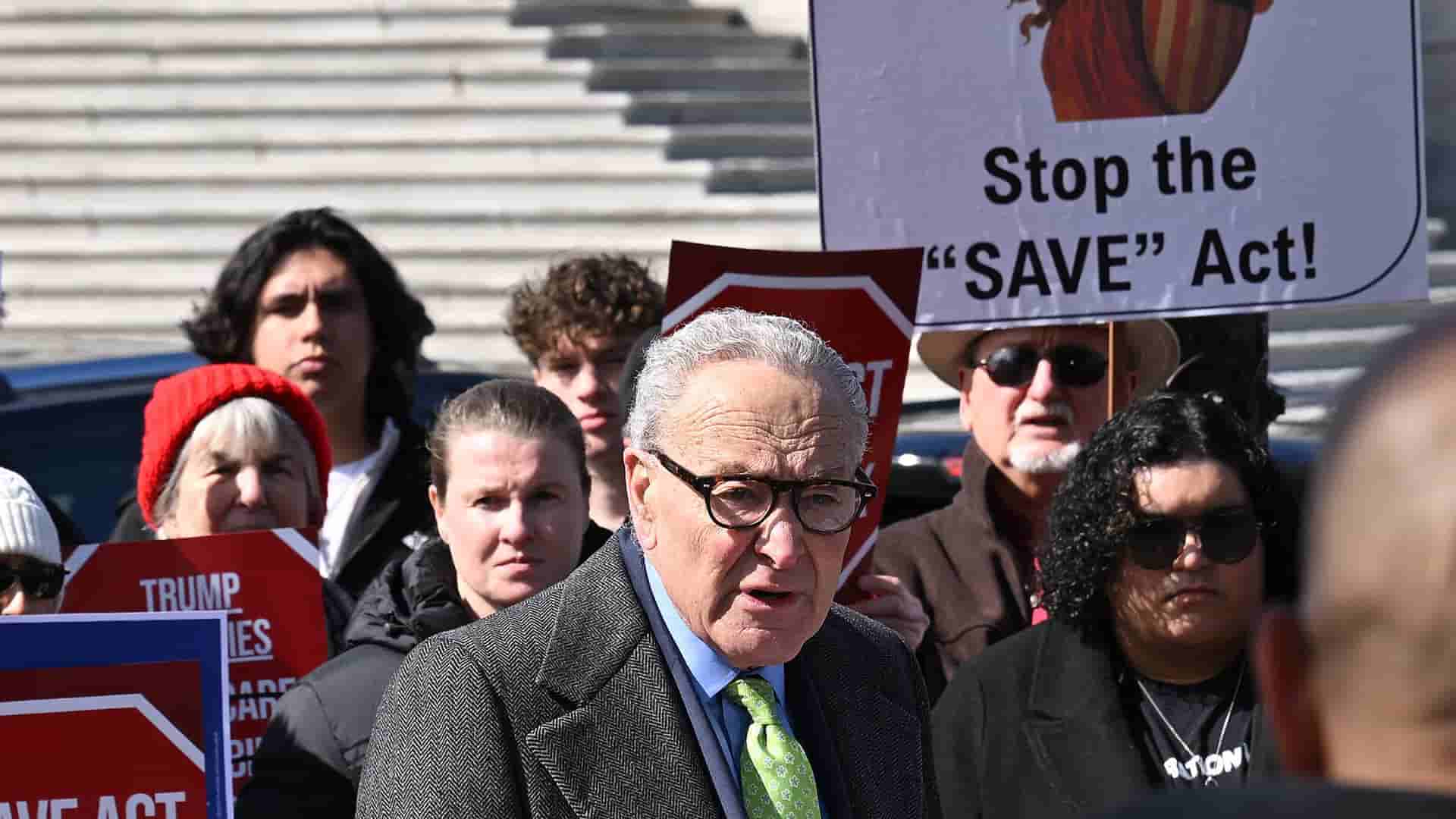
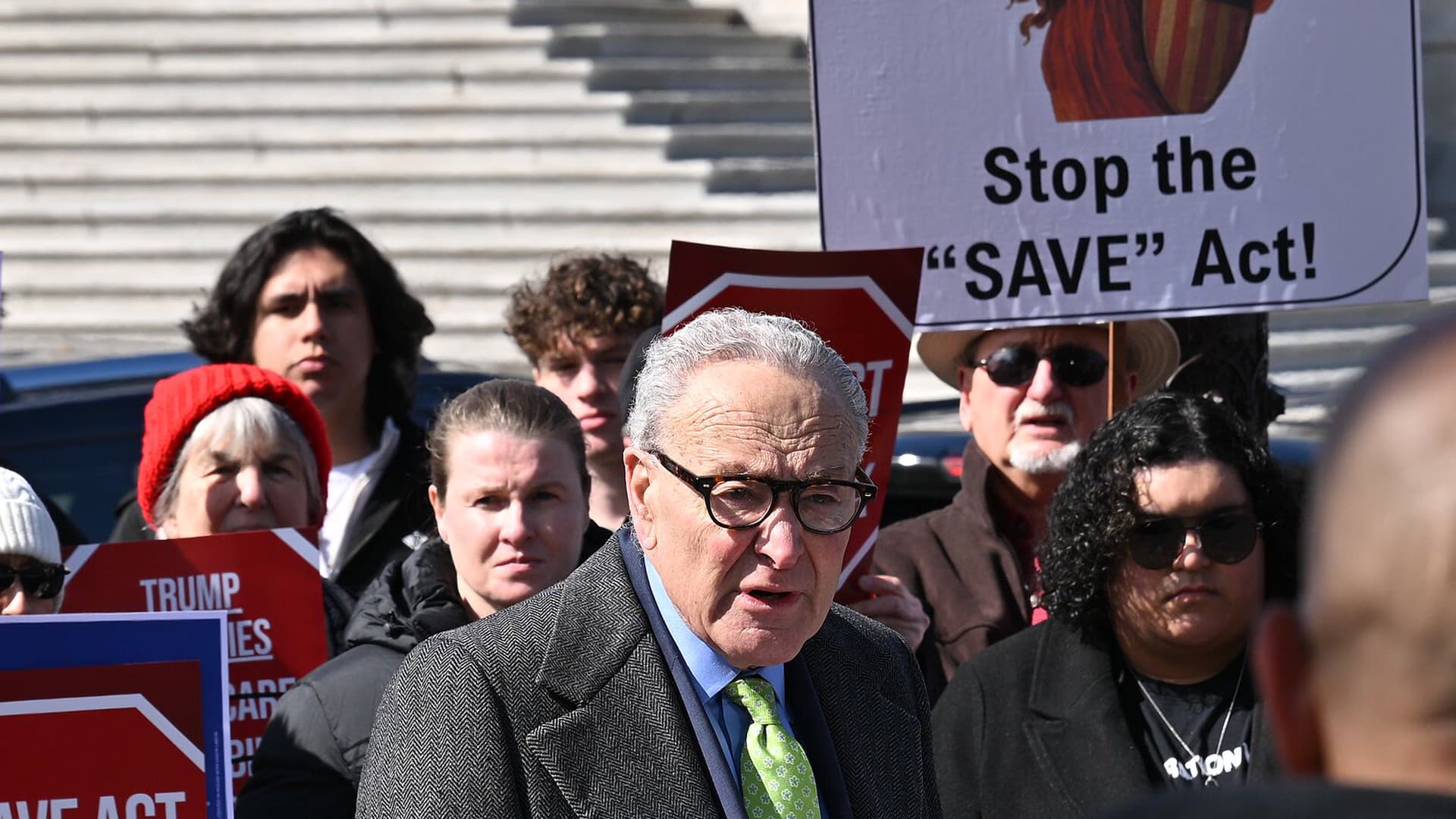
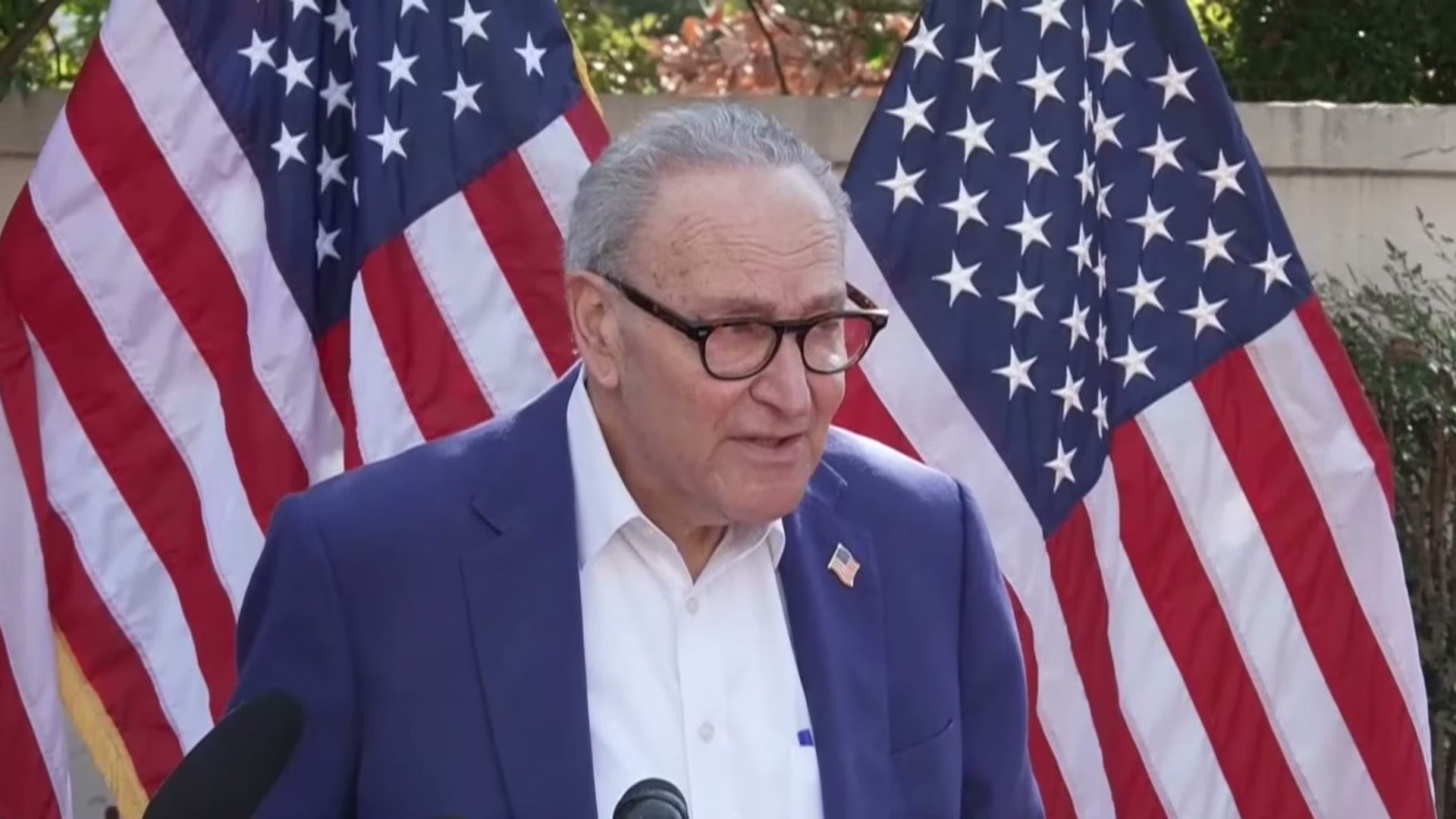
The results of the U.S. midterm elections have placed the war on Iran, now in its ninth month, at a new turning point. Senate Democratic Leader Chuck Schumer vowed on Wednesday, November 4, to end the war, a day after his party secured majorities in both the House of Representatives and the Senate. Schumer is expected to become Senate majority leader, replacing Republican John Thune, when the new Congress convenes next January.
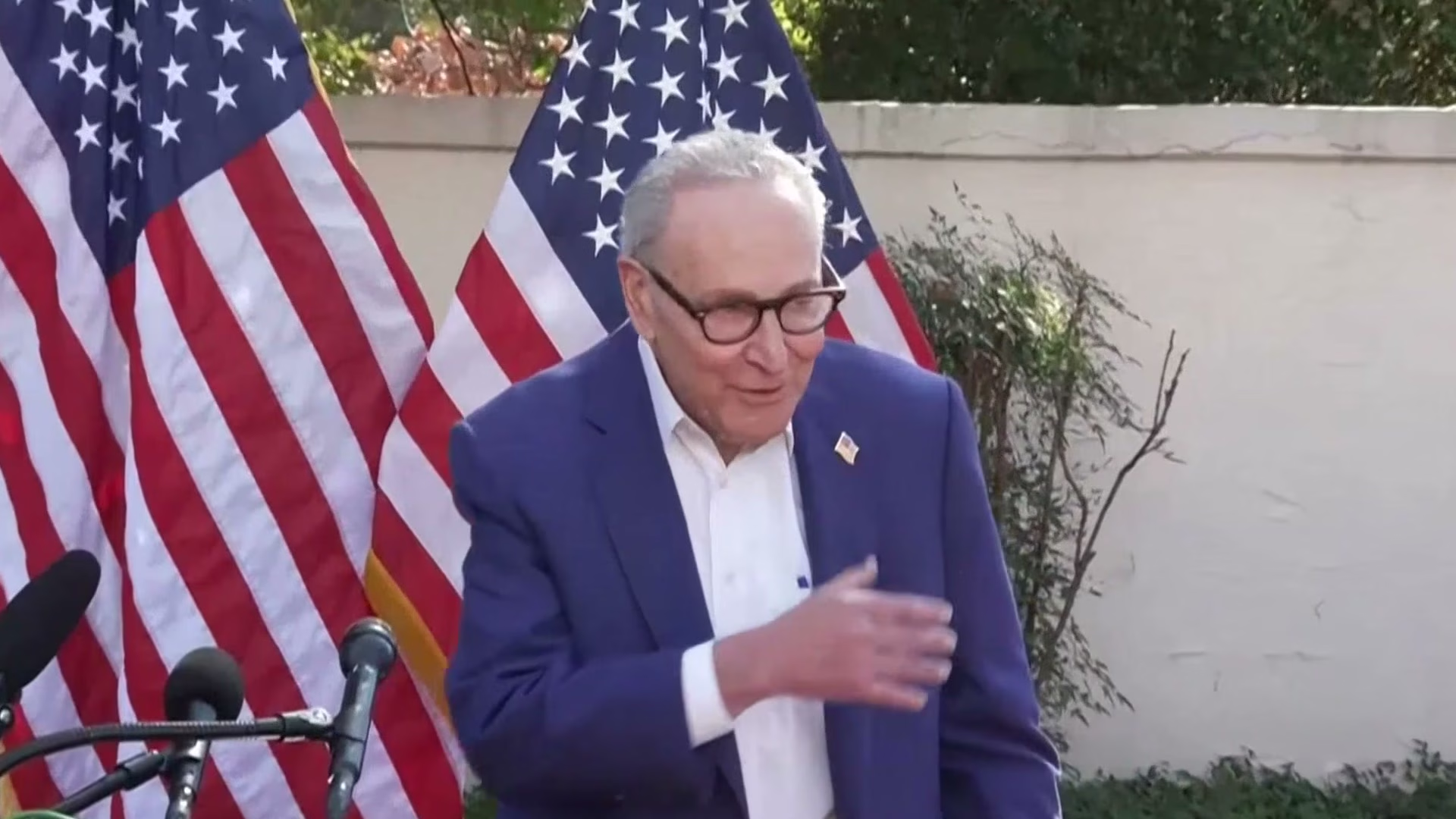
“We will end the war,” Schumer said at a news conference at the headquarters of the Democratic Senatorial Campaign Committee in Washington. He added that “the American people do not know why we are fighting in Iran.” He accused Trump of changing his account of the war’s “mission” several times, according to Anadolu Agency.
Republicans back ending the war
Schumer said that “some Republicans have already joined us in ending the war,” without naming them. Four Republican senators—Thom Tillis, Susan Collins, Lisa Murkowski and Rand Paul—voted with Democrats to advance the latest resolution on war powers concerning Iran, according to The Hill.
Trump can veto any binding measure of this kind, while Democrats lack the two-thirds majority needed to override a veto. Schumer therefore pointed to the “power of the purse,” Congress’s authority to approve spending, saying the Founding Fathers established it as a means of deterring a president who wages war “without the approval of the American people.” In practice, this means funding for the U.S. Department of Defense, known as the Pentagon, could become leverage to halt military operations against Iran.
Trump: It ends “when I want it to”
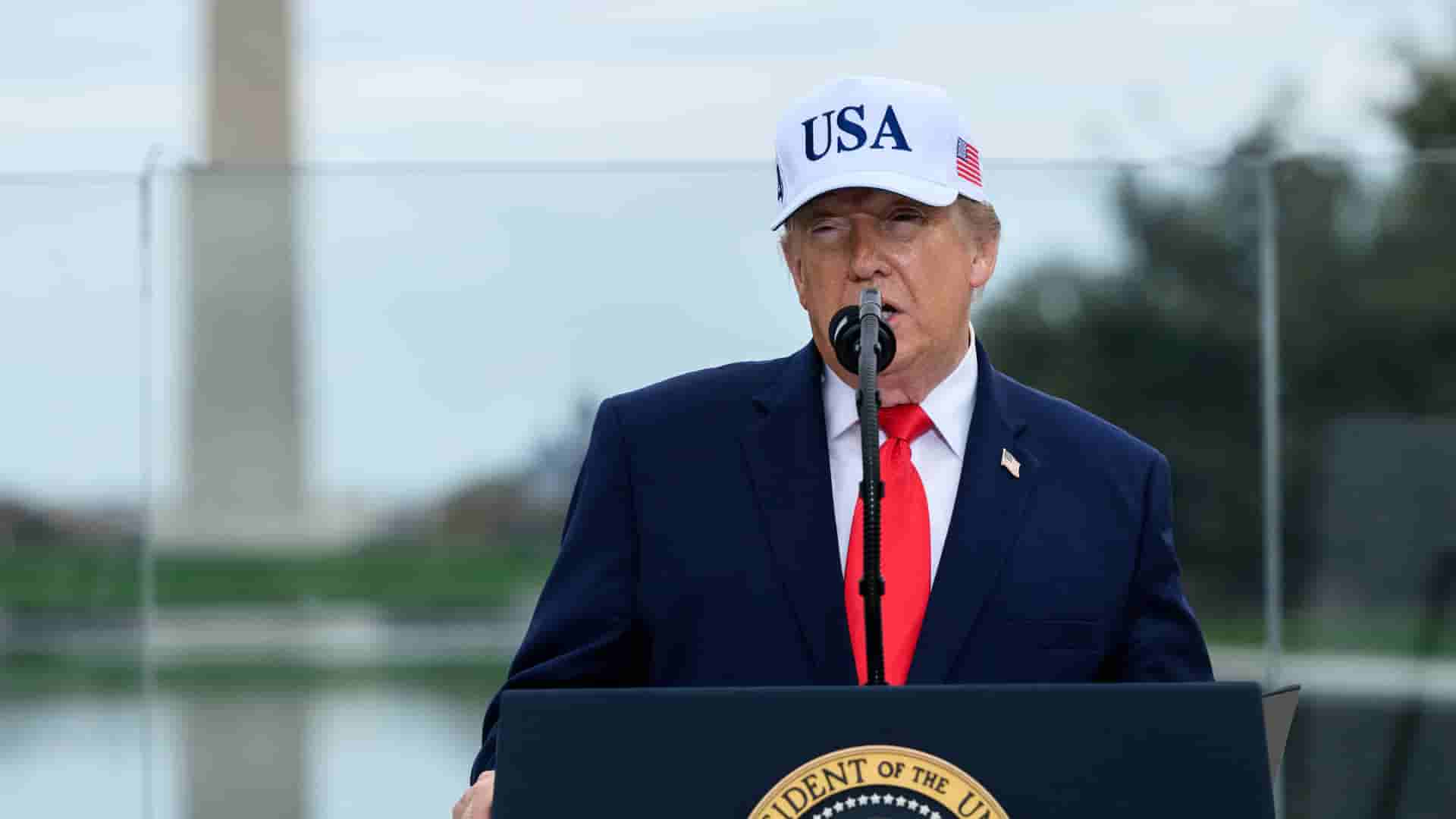
Trump, meanwhile, defended the war that same day, saying it would end “when I want it to” and denying that he had promised to end it immediately after the election. He acknowledged that the war had hurt Republicans because it “raised gas prices,” but insisted that he would not have done anything differently.
The United States and Israel began the war on Iran on February 28 without congressional authorization. The fighting then stopped with a ceasefire in April before clashes resumed in July amid disputes over the Strait of Hormuz, according to Anadolu Agency and TASS. The closure of the strait and rising energy prices affected the mood of American voters, as Vice President J.D. Vance acknowledged by saying: “We lost because of the war.”
In Tehran, Iranian Parliament Speaker Mohammad Bagher Ghalibaf said Americans had “said no to war” in the election. He warned that any betrayal by the U.S. government of its people’s will would be met with Iranian rejection “accompanied by a nightmare.”
Cover image: J. Edward Johnson / Wikimedia Commons (CC BY 4.0, March 2026 archive). Footage: Recording of the November 4 news conference, DRM News
Stay Updated with Hilal Times
Subscribe to be informed about special news, developments and announcements. We will keep you informed.
By signing up, you agree to our Privacy Policy