- BIST10011,483+1.32%
- USD50.07+0.05%
- EUR55.96-0.52%
- GOLD4,074.90-0.94%
- INTEREST36.00%-1.00
- BITCOIN75,704-0.07%
- November 8, 20267°
- BIST10011,483+1.32%
- USD50.07+0.05%
- EUR55.96-0.52%
- GOLD4,074.90-0.94%
- INTEREST36.00%-1.00
- BITCOIN75,704-0.07%
- November 8, 20267°
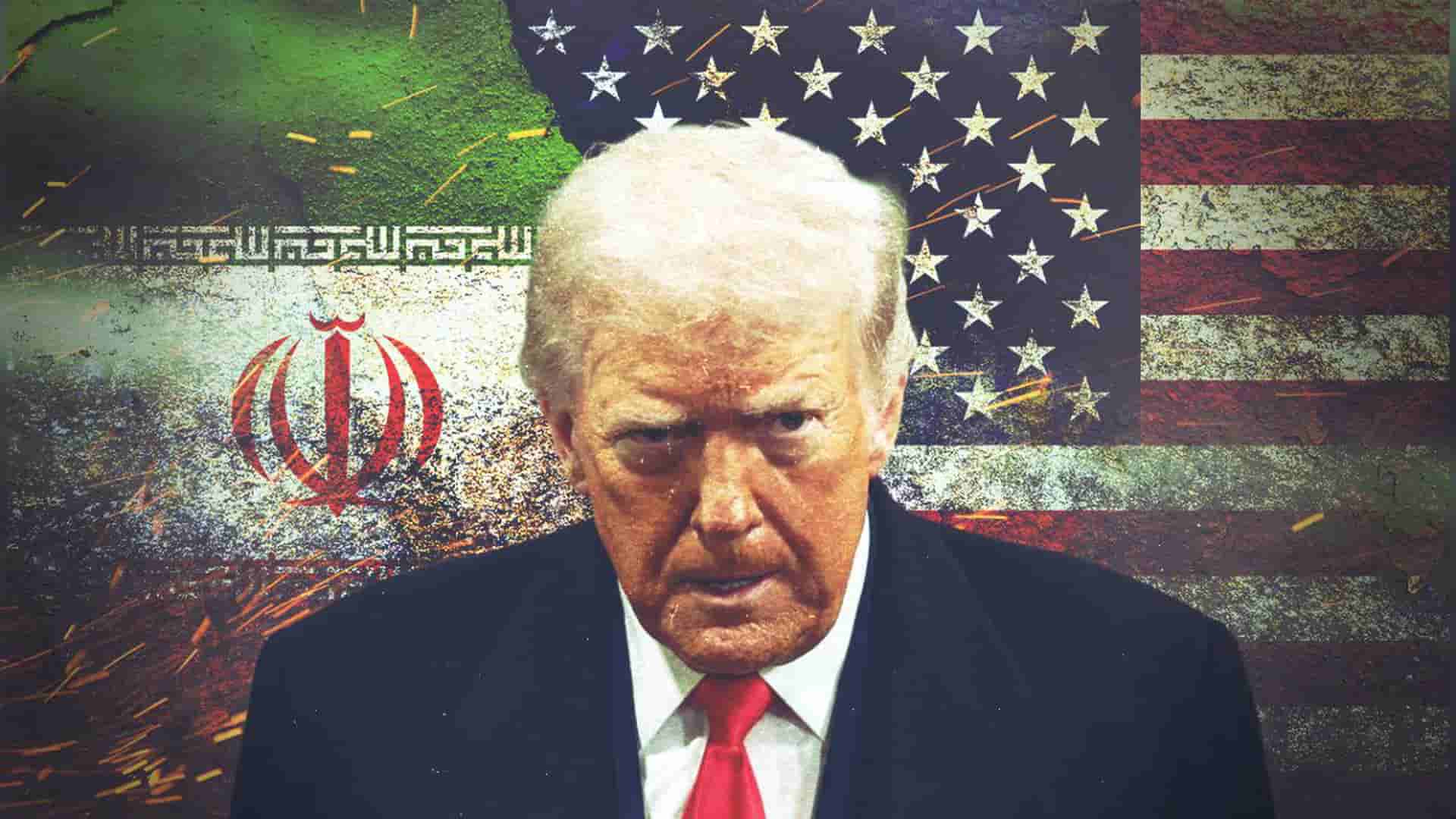
Trump says U.S. isn't at war with Iran and may be an occupier
U.S. President Donald Trump said Friday evening in Florida that his country is “not fighting” Iran and that the United States “may” be an “occupier” because it controls the Strait of Hormuz. Earlier the same day, he said that if he had allowed Iran to possess a nuclear weapon, “Israel would not exist today.”
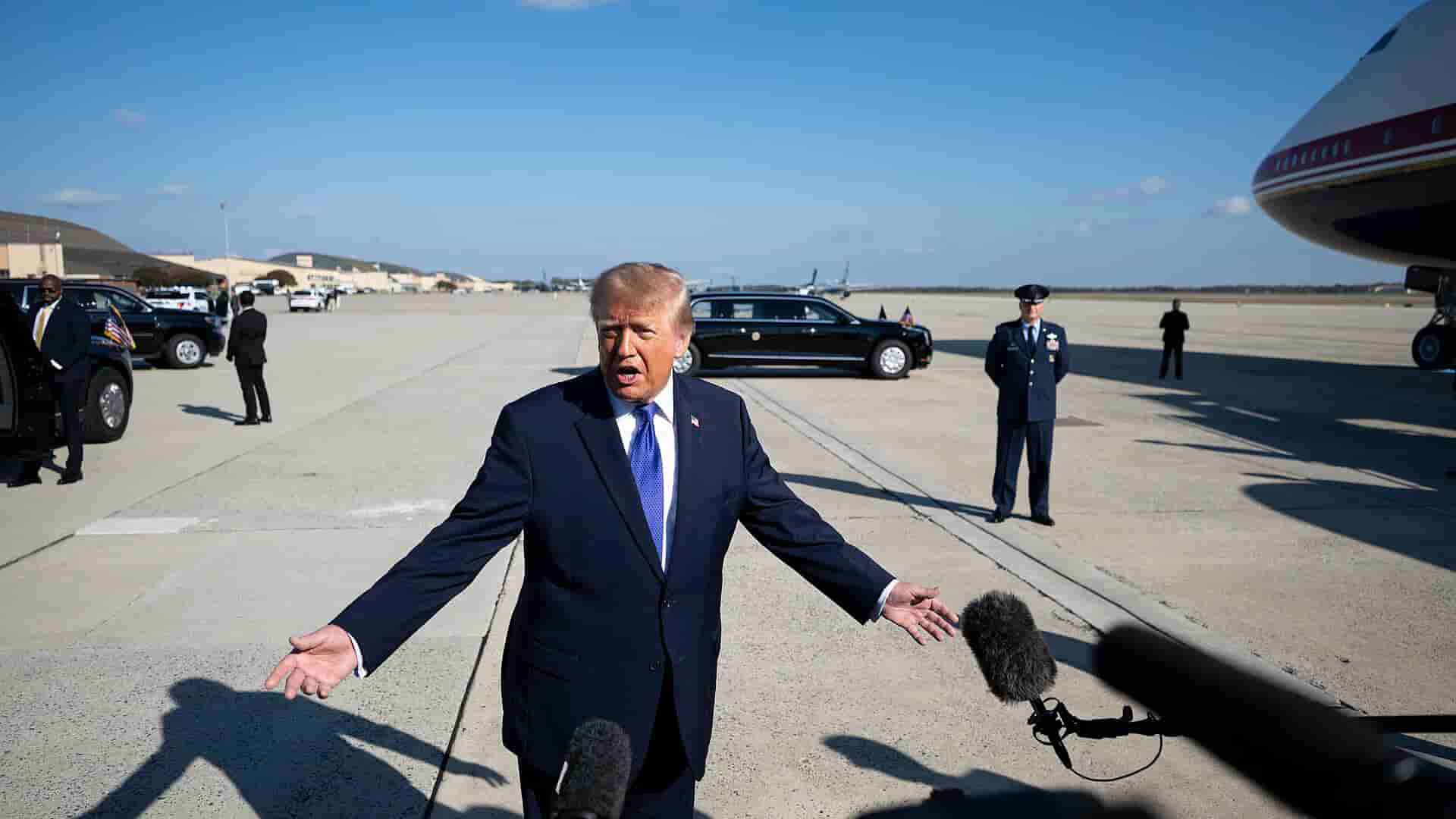
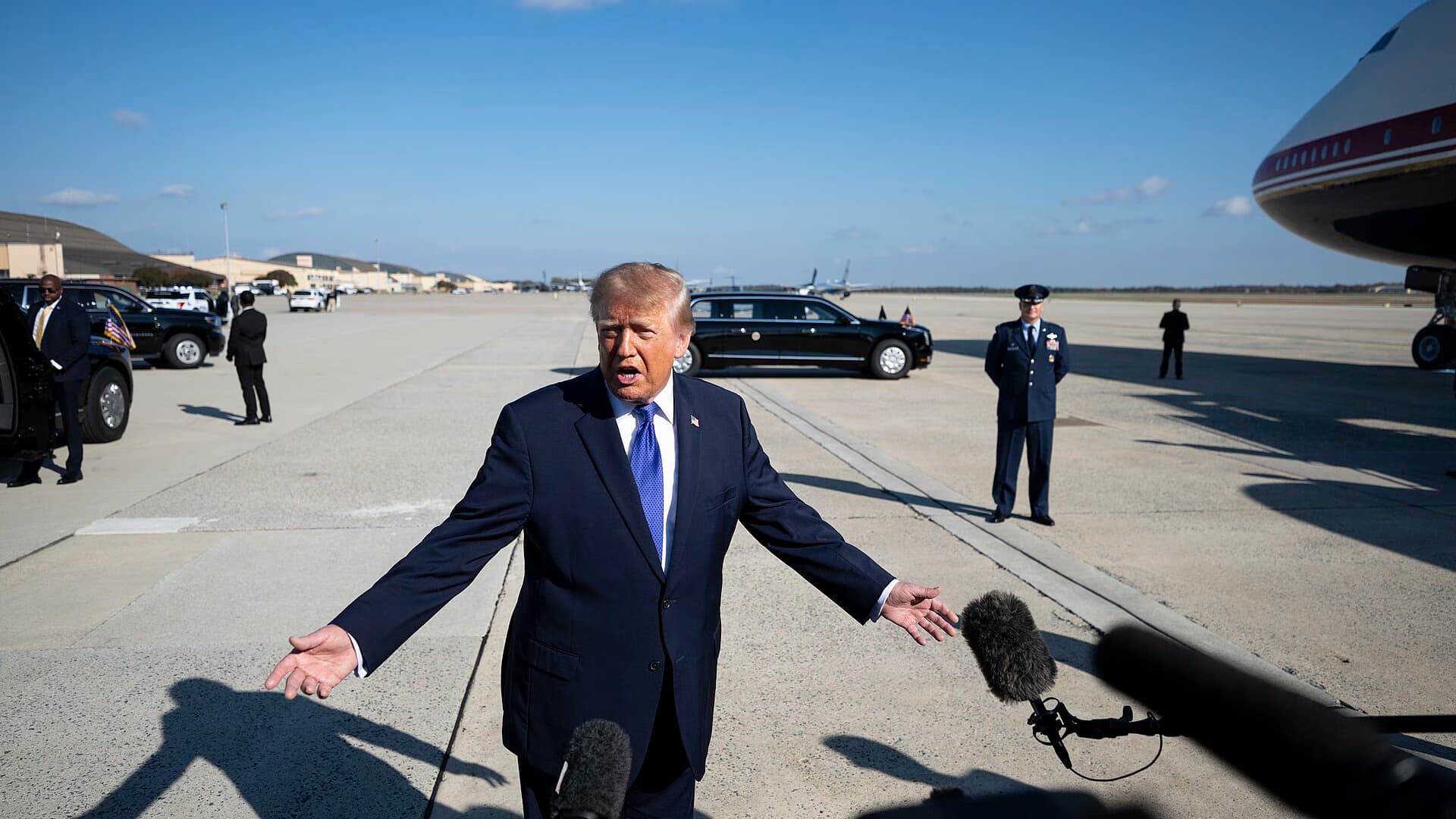
U.S. President Donald Trump rejected describing the confrontation with Iran as a war. Speaking to reporters on Friday evening, November 6, after Air Force One landed at Donald J. Trump International Airport in West Palm Beach, Florida, he said: “Look at World War I, that’s a war. World War II, that’s a war. Look at Russia and Ukraine, that’s a war,” before adding: “We’re not fighting,” according to the full transcript of the remarks published by Factbase, a Roll Call Group website.
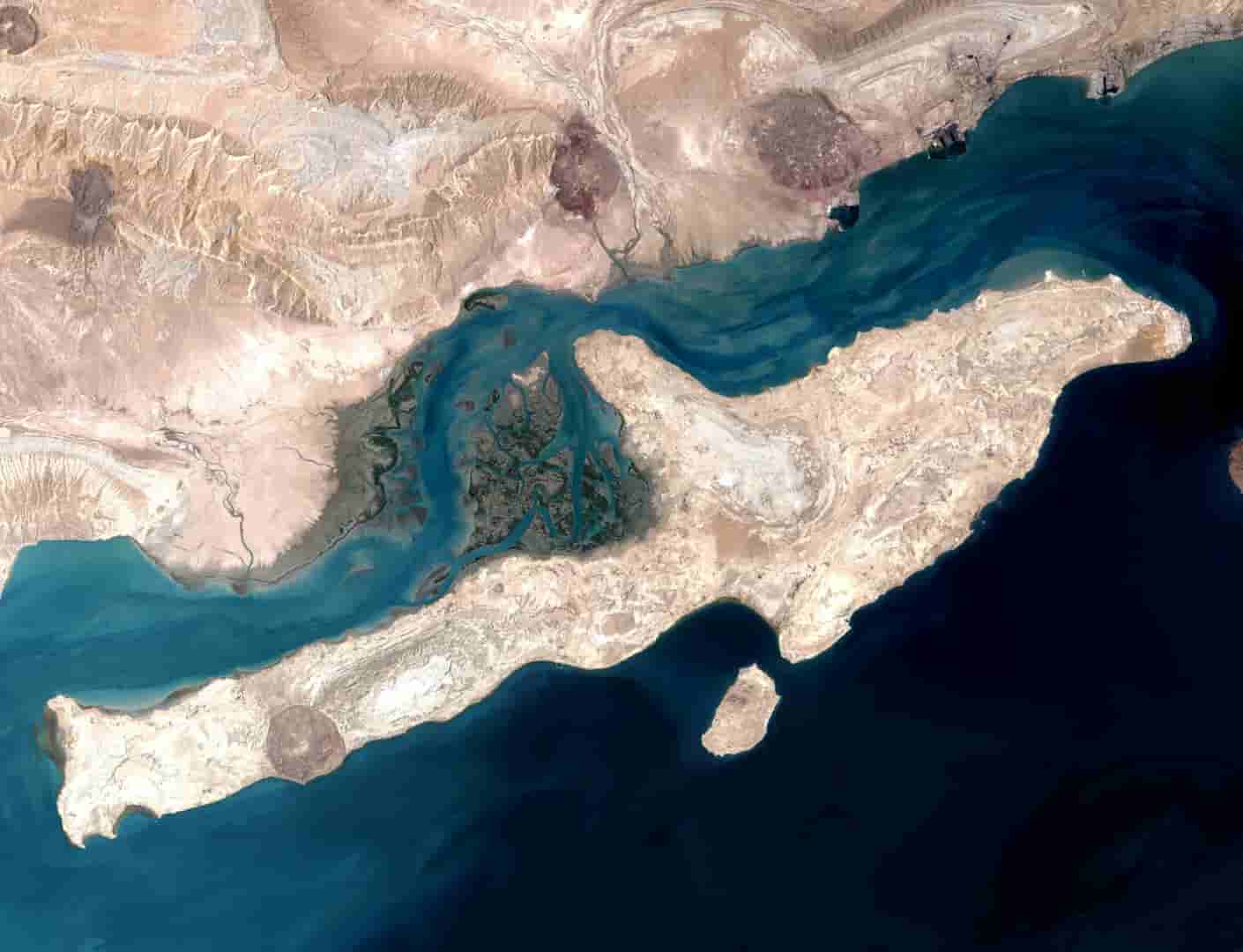
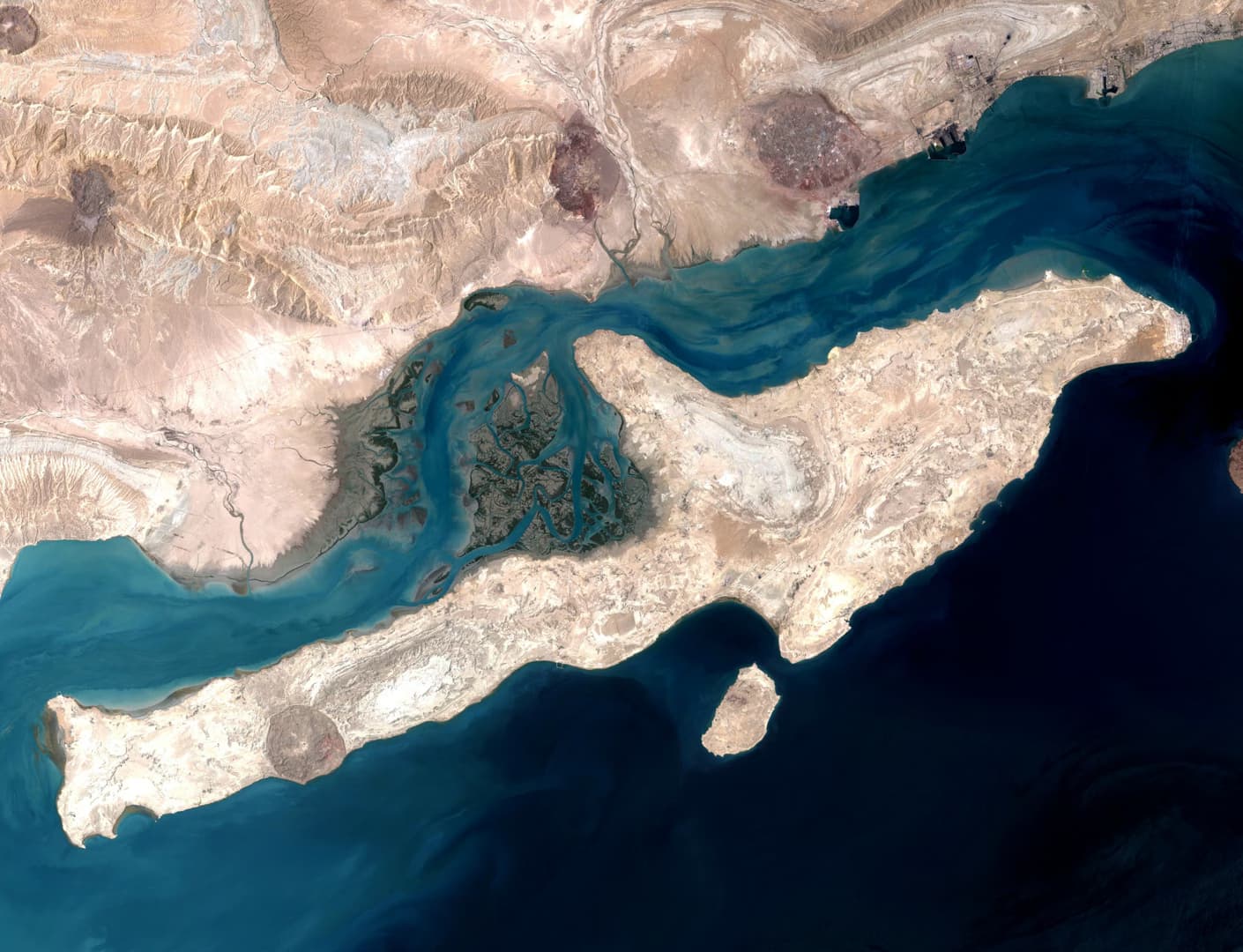
Trump spoke of “the greatest blockade in military history,” saying that “nothing passes through the Strait of Hormuz without our approval.” His remarks came hours after Iranian media reported that two missiles had fallen on Qeshm Island, strikes Trump described only as “small.”
In this segment of his remarks on the airport tarmac, Trump, wearing a white cap bearing the letters “USA,” said the United States “may” be an “occupier,” adding: “We may be an occupier, because, as you know, we control the Strait of Hormuz.” He made the comment after saying that a real war does not continue for six months without anyone being “hit.”
“Israel would not exist”
Hours earlier, during a separate stop on his Florida tour, Trump referred to Israel in remarks at NASA’s Kennedy Space Center in Cape Canaveral, where he opened the “Max Power” air and space exhibition. He said: “If I had allowed Iran to have a nuclear weapon, Israel would not exist today,” according to Middle East Eye.
In the clip, broadcast by the White House, Trump stands behind a lectern bearing the U.S. presidential seal, with a blue backdrop covered in repeated NASA logos. He says: “If I had allowed Iran to have a nuclear weapon, Israel would not exist today. Israel would have been wiped off the face of the Earth.”
That same day, Trump wrote on Truth Social that Israel, “and the entire Middle East,” would not exist today if he had not prevented Iran from obtaining a nuclear weapon. At the airport that evening, he said: “If we had not hit Iran, you would not have Israel today,” adding that Iran “started hitting Qatar, Saudi Arabia and the UAE with conventional missiles” and that it would have “used” a nuclear weapon if it had one. Tehran, for its part, has consistently said it does not seek to possess a nuclear weapon and that its nuclear program is intended for civilian purposes.
“A small military operation”
In a third clip posted by the Conservative Political Action Conference (CPAC) account on X on Friday evening, Trump said: “Iran is not a war, it’s a small military operation.” The conference, one of the largest gatherings of U.S. conservatives, is holding a three-day event at Trump-owned Mar-a-Lago resort in Palm Beach.
This is not the first time Trump has avoided using the word “war.” In September, he described it as a “military conflict” and “a minor matter for us,” according to The Associated Press, which said at the time that 18 U.S. service members had been killed since the war began with U.S. and Israeli strikes on Iran on February 28.
In this vertical clip, which is about three minutes long, Trump holds a microphone and wears a white cap as he addresses attendees in a night-lit open courtyard in front of a fountain. A man and a woman stand beside him listening.
Tehran: Hormuz remains under our control
Iranian Army spokesman Brigadier General Mohammad Akrami-Nia rejected Trump’s claim that he controls the strait, saying that Hormuz would remain under Iranian control until Tehran’s conditions were met. He warned that any response to a new attack would be “without geographical restrictions,” according to Iran’s official IRNA news agency. Ali Bagheri Kani, deputy secretary of Iran’s Supreme National Security Council, told Iranian state television on Friday: “We must see practical steps from the Americans,” adding that his country wanted more than “commitments on paper” before entering a new diplomatic phase, according to CNBC.
Iran has restricted navigation in the strait since the war began. On November 5, the Islamic Revolutionary Guard Corps declared it “unsafe and closed” to vessels that do not coordinate with Tehran, while the United States has imposed a blockade on Iranian ports and escorts tankers through the passage. A tanker leaving the strait near Oman reported an explosion at the waterline on Friday, with no injuries, according to CBS News.
Diplomatically, indirect mediation efforts involving Qatar, Pakistan and Saudi Arabia are continuing. Trump spoke by phone on Friday with Qatar’s Emir Sheikh Tamim bin Hamad Al Thani, who stressed the importance of continuing dialogue and avoiding further escalation, according to the Amiri Diwan. Qatar’s Prime Minister and Foreign Minister Sheikh Mohammed bin Abdulrahman Al Thani said Saturday: “We cannot wait until we reach a perfect agreement. We hope to reach a good agreement,” according to Al Jazeera. Tehran, for its part, is demanding the lifting of the blockade on its ports and the release of its frozen assets before reopening the strait.
Video: White House, CPAC, social media. Cover image: White House (archive, October 29, 2026)
Stay Updated with Hilal Times
Subscribe to be informed about special news, developments and announcements. We will keep you informed.
By signing up, you agree to our Privacy Policy