- BIST10011,618-0.88%
- USD49.45+0.05%
- EUR55.62+0.37%
- GOLD4,188.80+0.18%
- INTEREST37.00%-1.00
- BITCOIN82,453+0.54%
- October 19, 202617°
- BIST10011,618-0.88%
- USD49.45+0.05%
- EUR55.62+0.37%
- GOLD4,188.80+0.18%
- INTEREST37.00%-1.00
- BITCOIN82,453+0.54%
- October 19, 202617°
UN urges Israel to respect Syria’s sovereignty
The United Nations said Israel was continuing its military activities in southern Syria and renewed its call for compliance with the 1974 Agreement on Disengagement and respect for Syria’s sovereignty. UN officials said more than 5.5 million people had been displaced in the country and 2.7 million children were out of school.
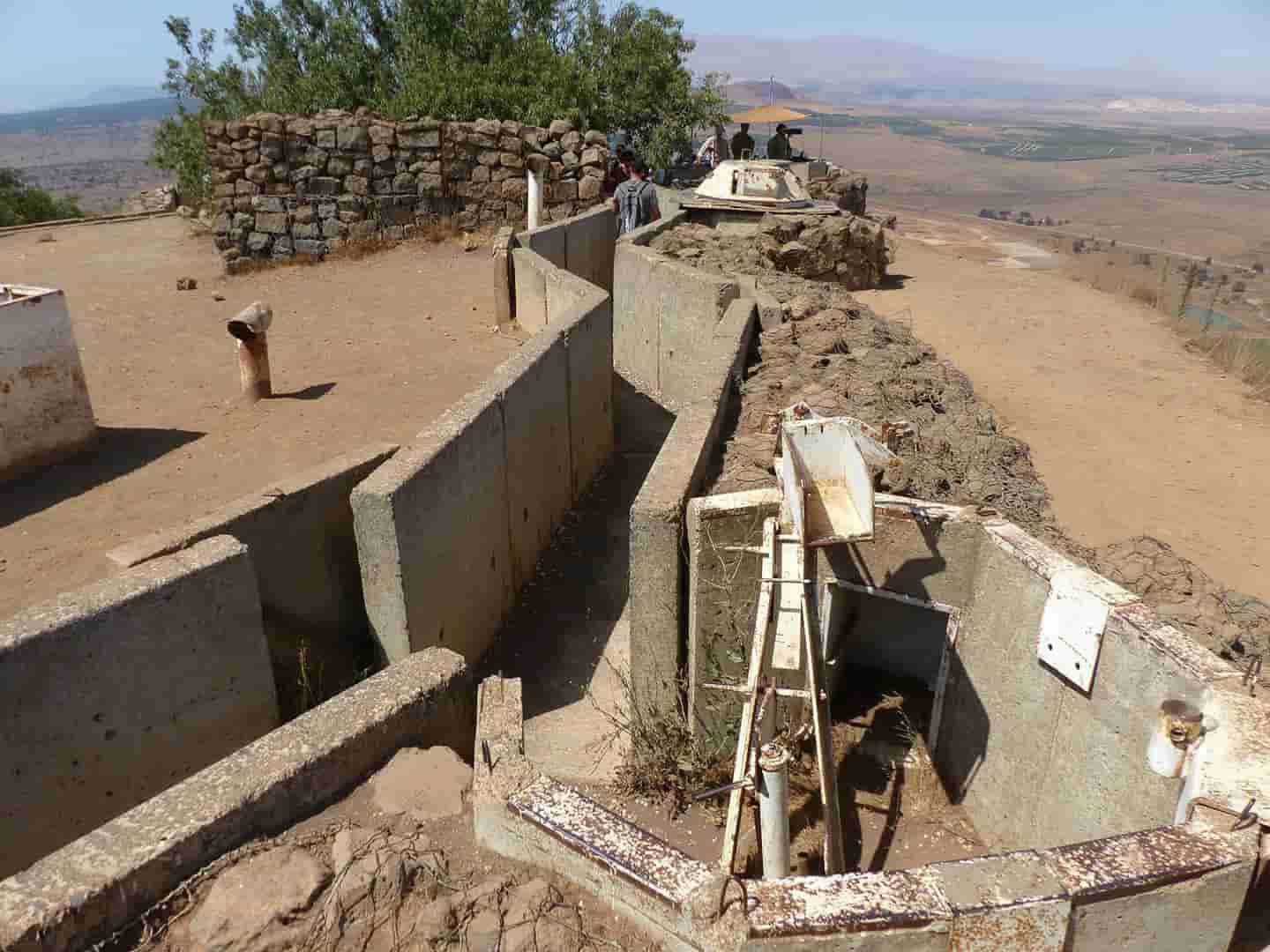
The United Nations renewed its call for respect for Syria’s sovereignty and territorial integrity, urging Israel to end its violations of the 1974 Agreement on Disengagement.
Claudio Cordone, the UN deputy special envoy for Syria, said at a UN Security Council meeting that Israel’s military operations in southern Syria were continuing on a daily basis. Cordone said extensive construction work, checkpoints, searches and detentions were being carried out in the area.
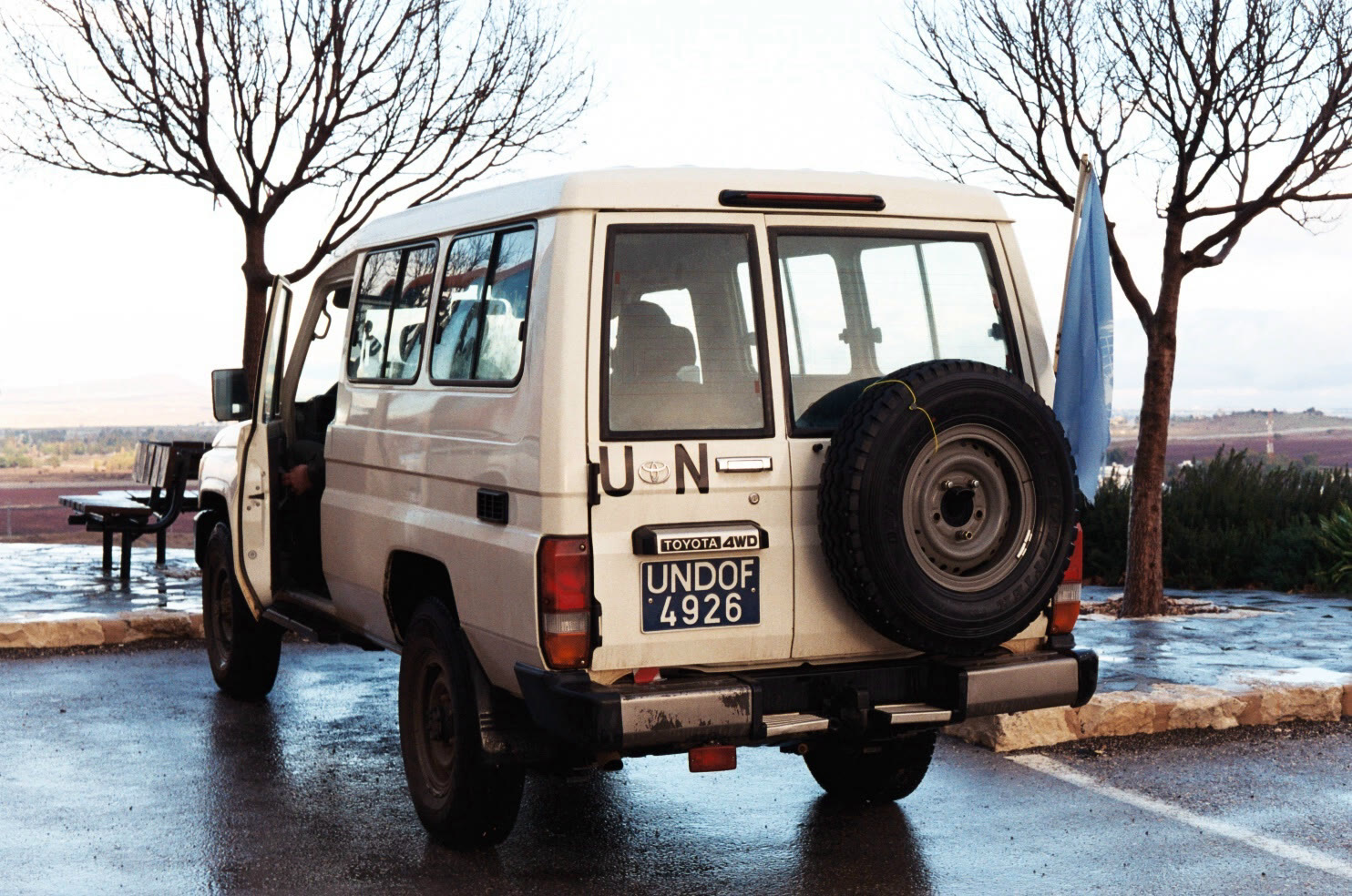
Military activities in southern Syria
Cordone said a civilian was shot and killed on October 5 near an Israeli military position. Referring also to the 49 people Israel is believed to be holding, Cordone said that on September 23, 14 members of an Israeli settler group crossed the ceasefire line into Syria and that Israeli forces later took them back.
Israel has expanded its military presence in Syria since the government of Bashar al-Assad was overthrown on December 8, 2024. Israeli forces deployed to the demilitarized buffer zone in the occupied Golan Heights and positions around it, citing security concerns.
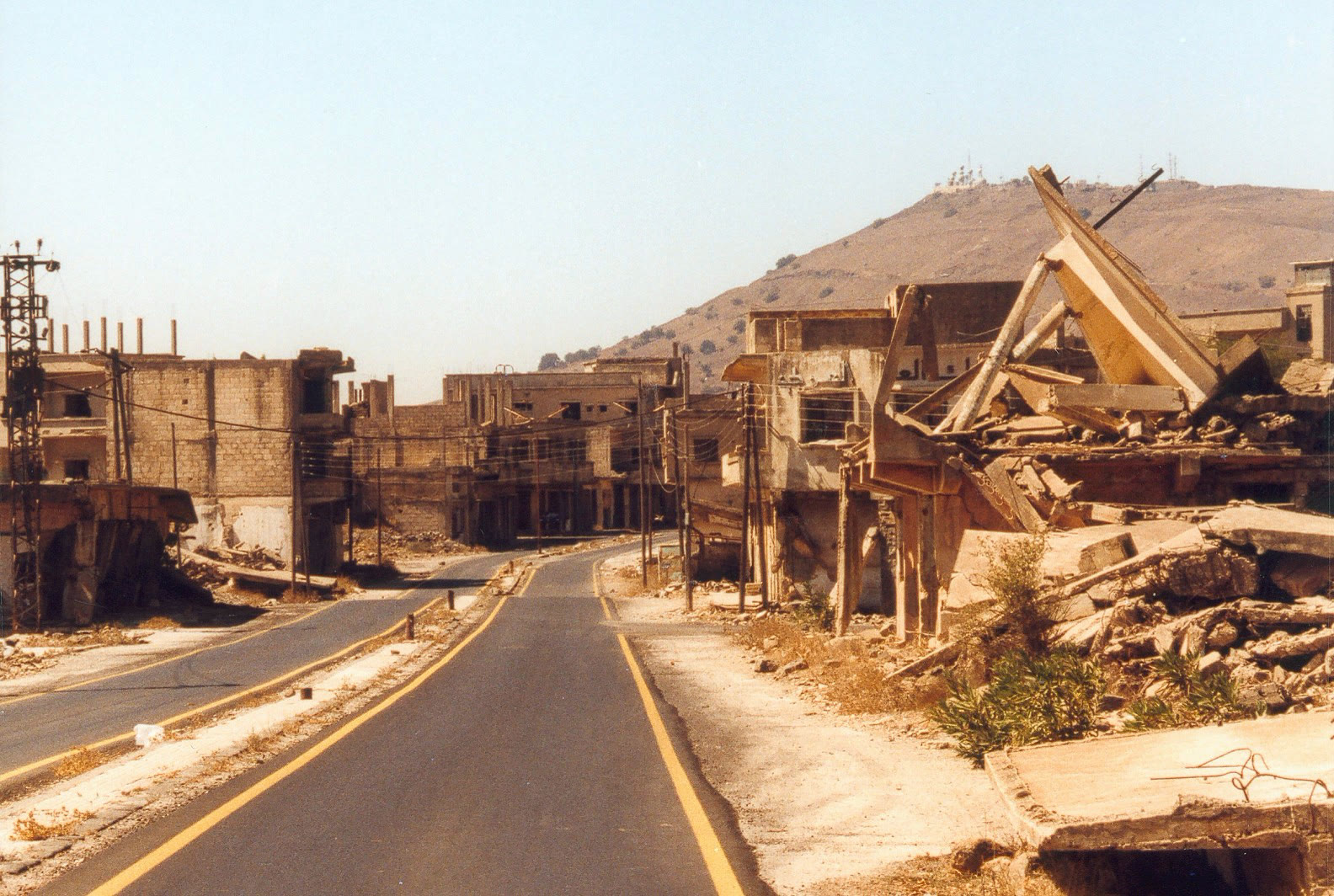
While the Damascus administration continues to demand a complete withdrawal from the occupied areas, it has also reiterated its commitment to the 1974 agreement. Cordone said diplomacy was the only way to reach an agreement on security arrangements and bring them into line with international law.
Displacement and economic crisis
UN Assistant Secretary-General Mohammed Yahya said that more than 5.5 million Syrians remained displaced, despite the return of more than 3.8 million refugees and internally displaced people. Yahya said more than 770,000 of them were living in camps, where women and children made up three-quarters of the population.
Yahya said the goal should not be limited to helping families return. He said concrete support was needed so that people could remain in Syria and rebuild their lives, adding that explosive ordnance had caused 2,500 deaths since December 2024 and that the 2026 response plan was only 32 percent funded.
Cordone said the depreciation of the currency and rising fuel prices had weakened the Syrian population’s ability to access basic goods. He said the easing of sanctions and international partnerships had provided initial contributions to economic stability.
Cordone said the European Union had provided 620 million euros and the World Bank had provided $175 million in support for agriculture. He added that the UN was considering organizing an international conference on recovery and reconstruction in coordination with the Damascus administration. Cordone emphasized that the process should be conducted on the basis of Syria’s priorities.
Syria’s education gap widens
George Batah, a civil society representative who joined the meeting from Damascus, said 2.7 million children were out of school and approximately 8,000 educational facilities were unusable. Batah argued that reconstruction should begin with investment in education.
Hajir Maalim, Plan International’s regional director, said only 16.5 percent of the $337 million needed by the education sector had been covered. Maalim warned that an entire generation was at risk of being left behind.
The US representative speaking at the meeting said they welcomed Syria’s continued progress in the political, humanitarian and security fields.
Sponsored Ads
Featured Listings
Loading featured properties...
Stay Updated with Hilal Times
Subscribe to be informed about special news, developments and announcements. We will keep you informed.
By signing up, you agree to our Privacy Policy