- BIST10011,593-1.10%
- USD49.45+0.05%
- EUR55.62+0.37%
- GOLD4,191.40+0.25%
- INTEREST37.00%-1.00
- BITCOIN82,130+0.14%
- October 19, 202617°
- BIST10011,593-1.10%
- USD49.45+0.05%
- EUR55.62+0.37%
- GOLD4,191.40+0.25%
- INTEREST37.00%-1.00
- BITCOIN82,130+0.14%
- October 19, 202617°
Seven Palestinians were abducted by settlers in the West Bank
Seven Palestinians were reportedly abducted by Israeli settlers in the occupied West Bank on October 10. According to a United Nations report, at least 50 Palestinians have been abducted or unlawfully detained since October 2023.
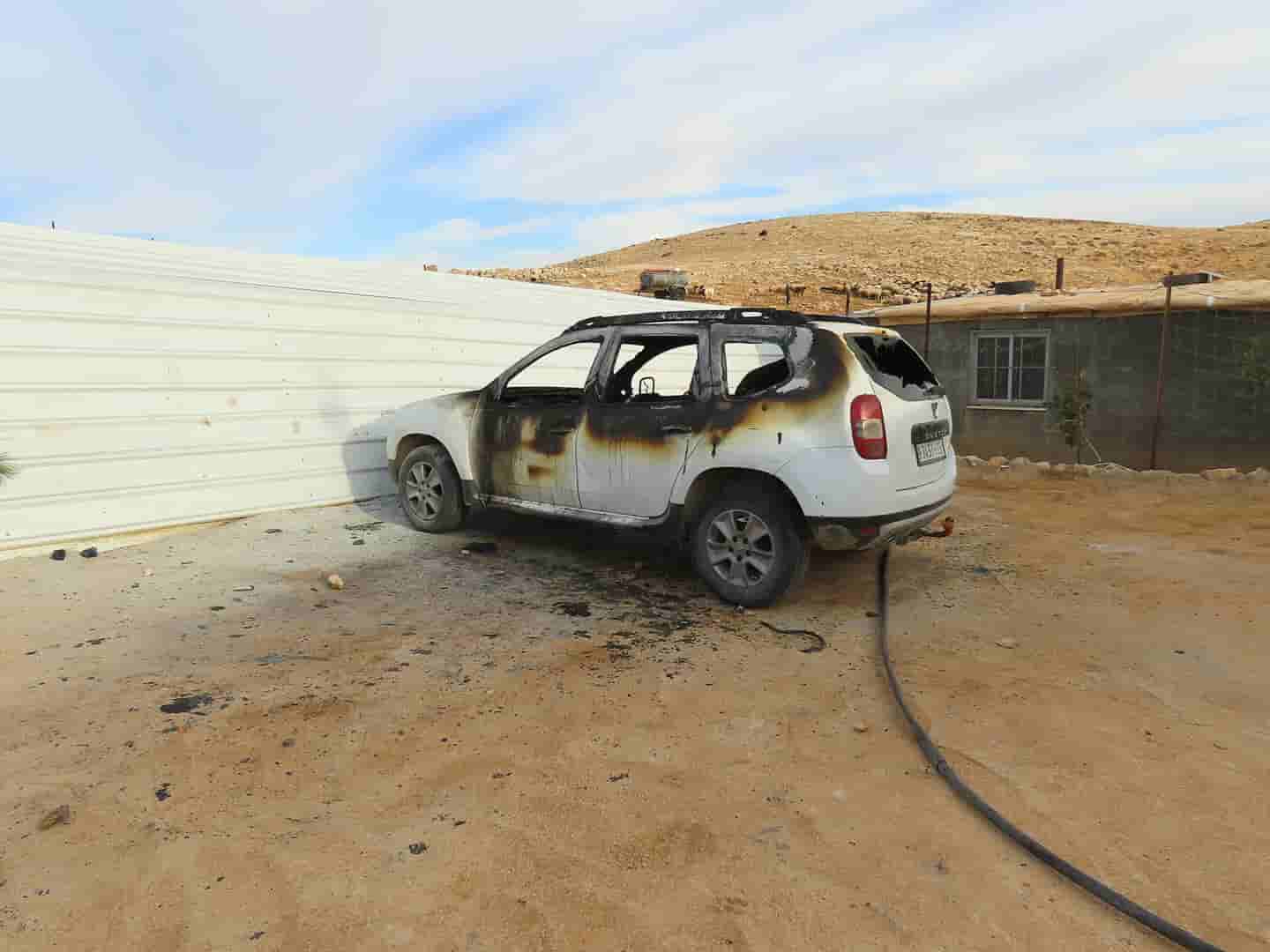
In the occupied West Bank, abductions, unlawful detention, beatings and armed threats have allegedly been used to force Palestinians off their land.
Palestinian state radio reported that on October 10, three farmers were abducted in Nahalin, west of Hebron; three in Kafin, north of Tulkarm; and one in Beit Imrin in the Nablus governorate. The whereabouts of the seven abducted people remained unknown.
Pressure intensifies during the olive harvest
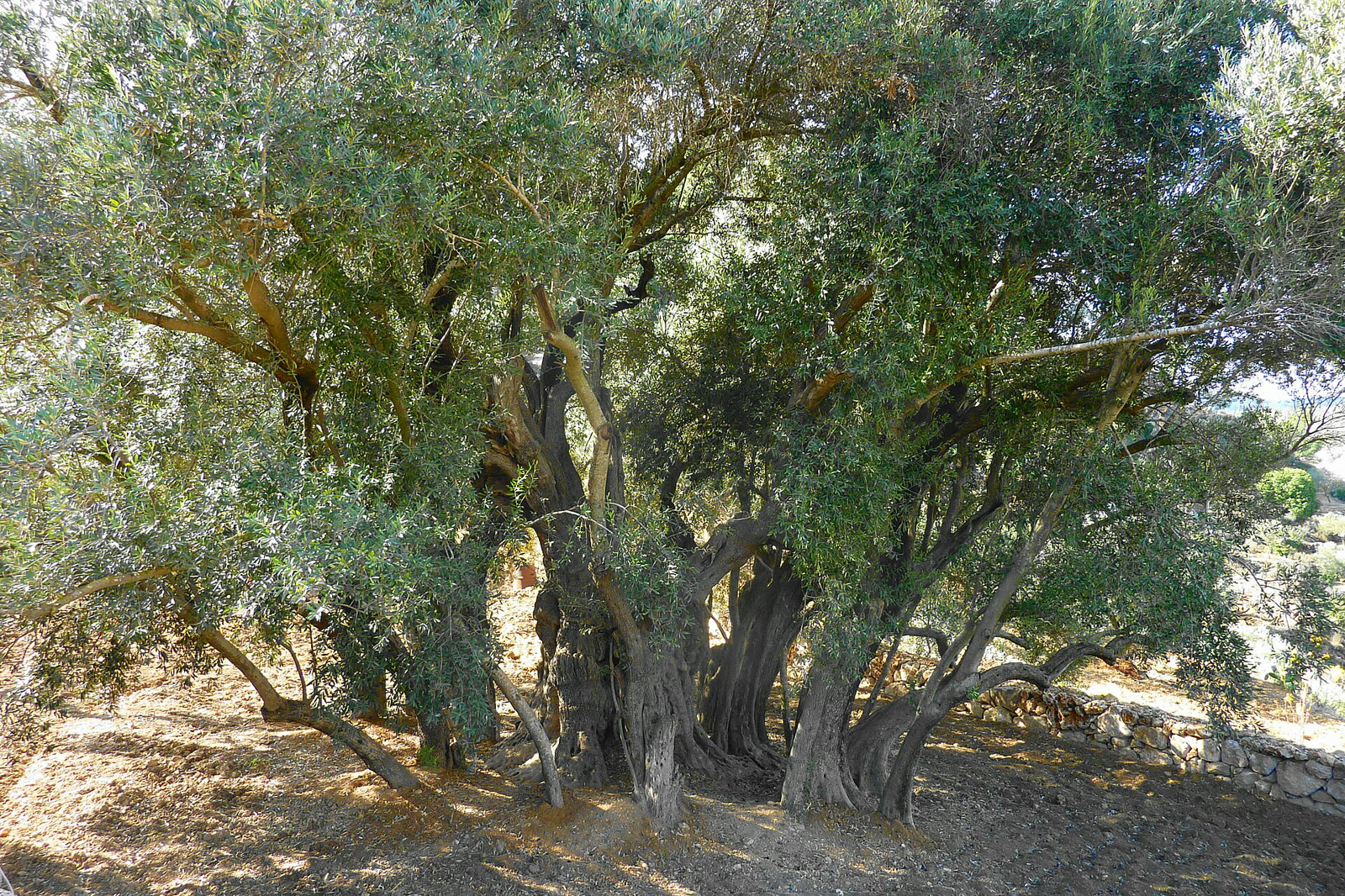
Palestinian sources say the attacks intensify particularly during the olive harvest. The attacks restricting farmers’ access to agricultural land weaken their livelihoods and create conditions conducive to the further seizure of land.
Palestinian farmers have been prevented from entering their fields, their crops have been taken, olive trees have been uprooted and agricultural areas have been damaged. Israeli soldiers and settlers have also allegedly beaten Palestinians during the attacks.
According to a May 2025 report by the United Nations Office for the Coordination of Humanitarian Affairs, Israeli settlers, some wearing military uniforms, abducted or unlawfully detained at least 50 Palestinians in approximately 36 separate incidents since October 2023. The report recorded three children among those detained.
Palestinian human rights organization Al-Haq said in a report dated September 24, 2026, that cases of Palestinians being abducted and arbitrarily detained for hours had increased in different parts of the West Bank. The report said that treatment in some attacks was inhumane and degrading, and that some acts could be considered torture.
Cases involving the abduction of children
The UN report also documented an incident in the village of Beit Furik in the Nablus governorate on April 20, 2025. According to the report, a group of settlers from the Itamar settlement abducted a 13-year-old girl and her three-year-old brother after pursuing the children with knives and stones.
The children’s father found them about 15 minutes later, tied to a tree inside the village. The girl said the attackers had threatened them with knives. The children were not physically injured but experienced intense fear and psychological distress.
The UN report also described another incident in the village of Kobar in the Ramallah governorate on April 26, 2025. During a settler attack on the village, two Palestinians were reportedly abducted at gunpoint after being wounded with firearms. One of the injured Palestinians was later released, while the other was detained for 24 hours.
The report listed the abduction and killing of 16-year-old Mohammed Abu Khdeir in the Shuafat area of occupied East Jerusalem on July 2, 2014, among the documented cases. Abu Khdeir was abducted while going to a mosque for the dawn prayer. The attackers poured gasoline over him and set him on fire, and the family’s lawyer confirmed that his burned body had been found.
Abductions allegedly intended to drive Palestinians from their land
Salah Hawaja, head of a unit at the Commission Against the Wall and Israeli Settlements, said cases of abduction and unlawful detention by Israeli settlers in the West Bank had recently increased. Hawaja said the incidents were accompanied by harsh treatment and physical violence.
Hawaja said the attacks took place not only at temporary checkpoints where Palestinians were forcibly stopped and detained, but also on agricultural land, in rural areas and in Bedouin communities. Saying that settlers had resorted to beatings, armed attacks and restrictions on Palestinians’ freedom of movement in various parts of the West Bank, Hawaja said the threat affected the entire Palestinian population in the area.
Emir Dawoud, a representative of the commission’s documentation unit, said there had been a worrying increase in abductions and unlawful detention in different parts of the West Bank. Dawoud said the attacks had caused farmers to fear for their lives and freedom, while families lived with constant anxiety over the fate of their relatives.
Dawoud said these conditions could deter Palestinians from going to their fields and lead to the loss of crops, adding that the attacks affected not only direct victims but entire villages. He said the acts had become a means of intimidating the population and weakening Palestinians’ ties to their land.
Dawoud also accused the Israeli army of protecting settlers involved in the abductions. Alleging that the attack in Kafin was carried out under the protection of Israeli soldiers, Dawoud said the impunity enjoyed by those responsible and the lack of effective deterrent measures created conditions for similar incidents to recur.
Alleged plan concerning Area C
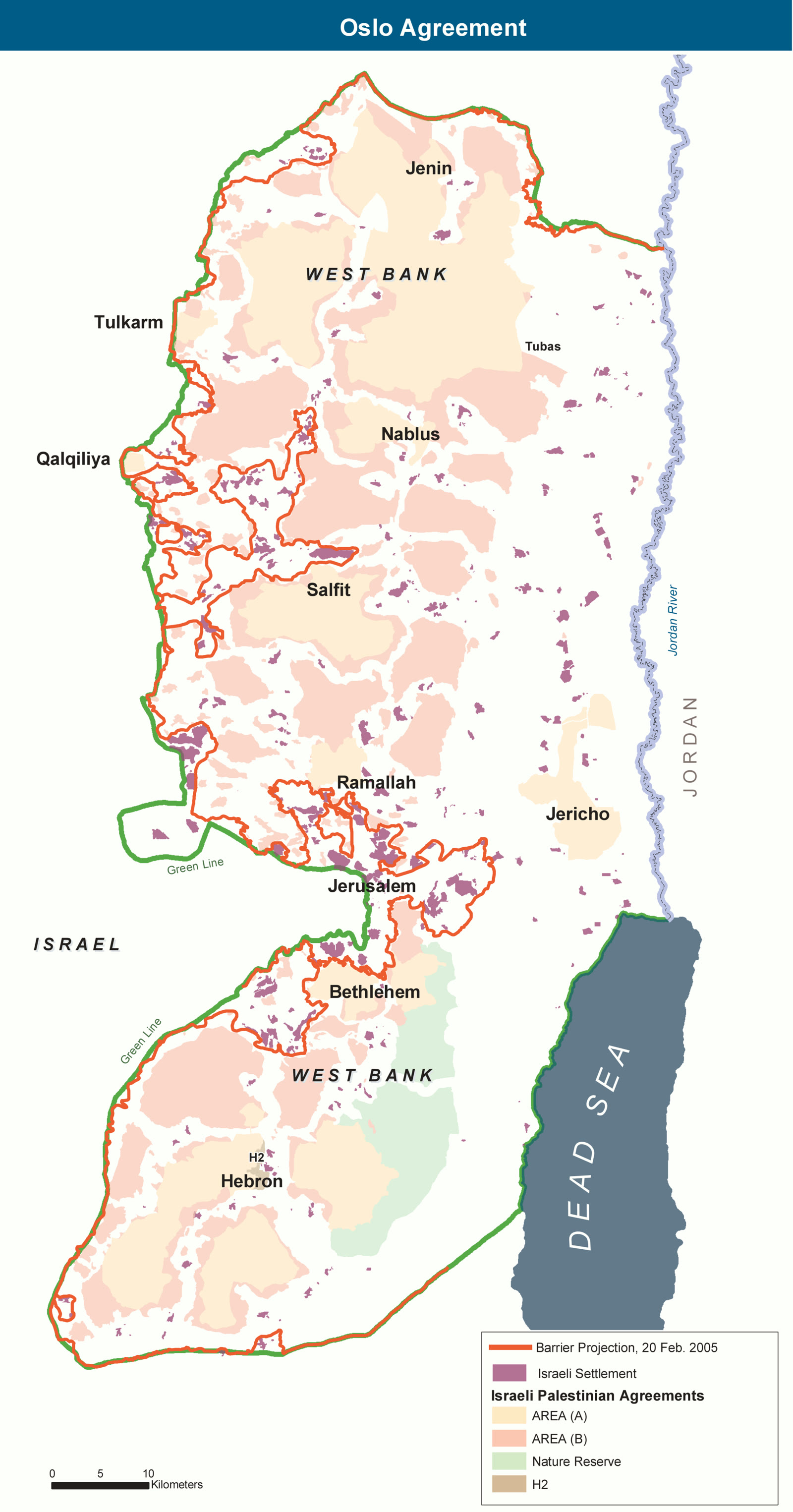
Jamal Juma, an expert on Israeli settlements, said the abduction of Palestinians was not a series of isolated incidents. Juma alleged that the acts were part of a systematic plan aimed at isolating areas in Area C of the West Bank.
Juma, coordinator of the Popular Campaign Against the Wall and Israeli Settlements, said the policy aimed to push Palestinians into isolated settlement areas in Area B and create the geographic conditions for annexation plans. Juma said the attacks increased pressure on Palestinians to force them to relocate.
Under the Second Oslo Accord signed in 1995, the West Bank was divided into three administrative areas: A, B and C. Area A was placed under the full control of the Palestinian Authority, while civil administration in Area B is handled by the Palestinian side and security responsibility lies with Israel. Covering approximately 60 percent of the West Bank, Area C is defined as the area where Israel exercises full administrative control, including security.
Olive harvest continues
Juma described Palestinian farmers’ continued work on their land and their olive harvest this year despite the threats as a form of civil disobedience and popular resistance. He said organized settler groups continued to burn trees, beat farmers and directly obstruct agricultural work.
As employment opportunities decline and economic conditions worsen in the West Bank, the olive harvest is a primary source of income for many Palestinian families and the only remaining source for some. Olives are among the important products in Palestine’s food industry, domestic trade and exports.
According to data from the Commission Against the Wall and Israeli Settlements, more than 26,000 olive trees were cut down or damaged in the West Bank during the first half of the year. The harvest of table olives began on September 20, while the collection of olives for olive oil production begins on October 15.
The same commission said that attacks by Israeli soldiers and settlers on agricultural areas in August 2026 damaged 21,508 trees, including 19,375 olive trees.
According to commission data, Israeli settlers carried out more than 14,742 attacks in the West Bank since October 2023. The attacks killed 66 Palestinians and destroyed, burned or uprooted 147,111 trees, of which 100,485 were olive trees.
Stay Updated with Hilal Times
Subscribe to be informed about special news, developments and announcements. We will keep you informed.
By signing up, you agree to our Privacy Policy