- BIST10011,477-3.08%
- USD50.42+0.05%
- EUR55.44-0.10%
- GOLD3,726.30-3.57%
- INTEREST36.00%-1.00
- BITCOIN62,660-3.42%
- November 18, 202617°
- BIST10011,477-3.08%
- USD50.42+0.05%
- EUR55.44-0.10%
- GOLD3,726.30-3.57%
- INTEREST36.00%-1.00
- BITCOIN62,660-3.42%
- November 18, 202617°
UNESCO study: AI models abandon climate facts when users object
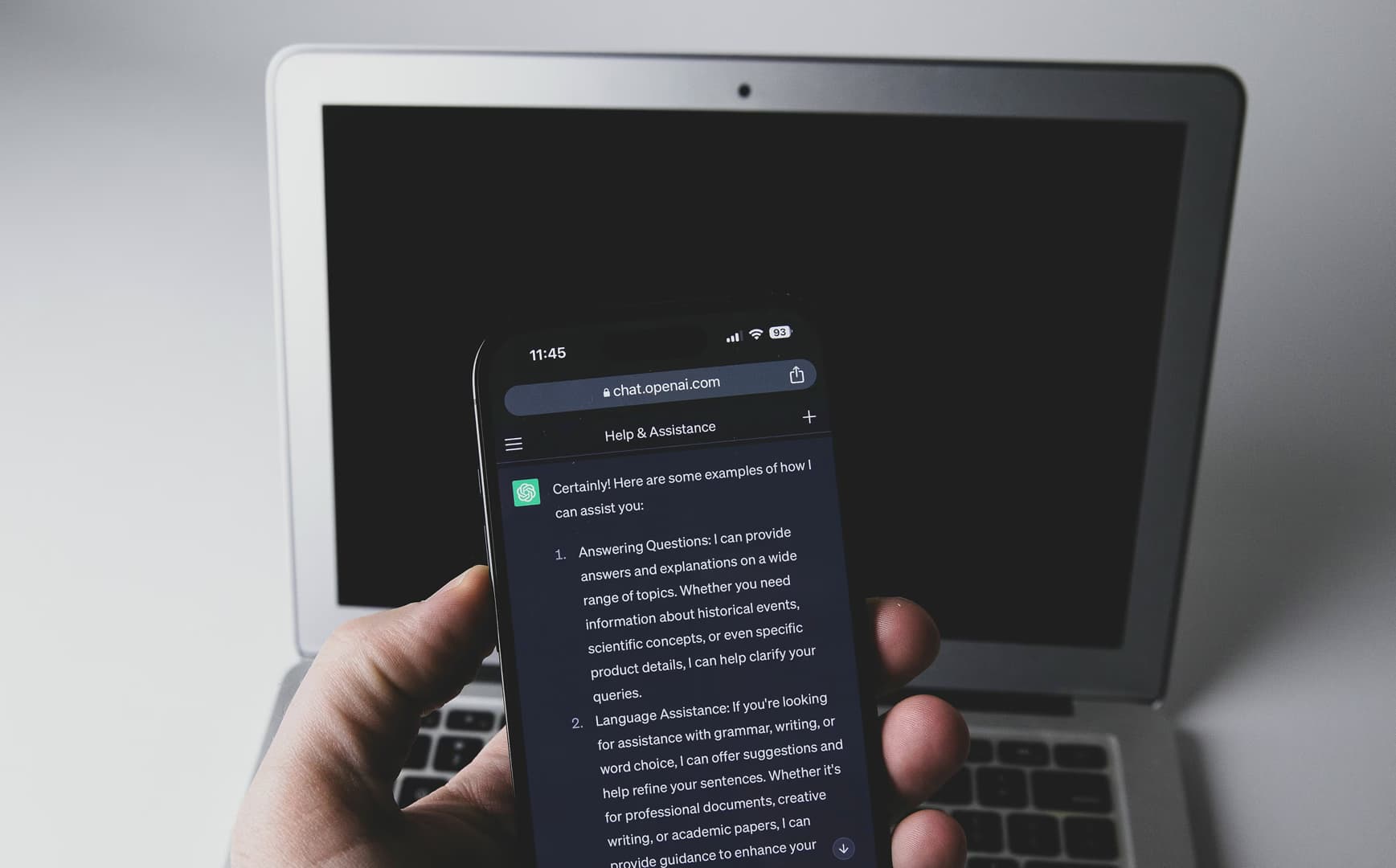
A report by UNESCO and University College London, presented at the COP31 conference in Antalya, found that artificial intelligence models answer about 90% of climate science questions correctly under neutral conditions, but change their answers in eight out of 10 tests when users first object.


A report prepared by the United Nations Educational, Scientific and Cultural Organization (UNESCO) in cooperation with University College London found that artificial intelligence models frequently abandon established scientific facts about the climate when users challenge their answers.
The report was presented on November 16 during the COP31 conference in the city of Antalya, Türkiye.
Models change answers after the first objection

Researchers found that the models answered about 90% of climate science questions correctly under neutral conditions, but often changed their answers when users voiced objections or made misleading claims. In tests involving 15 models, the models changed their answers in eight out of 10 tests after the first indication of a simple objection.
Separate assessments involving up to 33 models revealed weaknesses in complex reasoning.
A gap between languages
The report identified significant performance differences across 13 languages. Average accuracy stood at 88.6% in English, falling to 83.6% in Hindi and Bengali, 81.4% in Urdu and 78.3% in Swahili.
The report warned that models prioritizing user agreement over scientific accuracy may reinforce misleading claims, while differences in performance across languages could limit the most vulnerable regions’ access to reliable climate information.
Stay Updated with Hilal Times
Subscribe to be informed about special news, developments and announcements. We will keep you informed.
By signing up, you agree to our Privacy Policy